
Sauces & Condiments
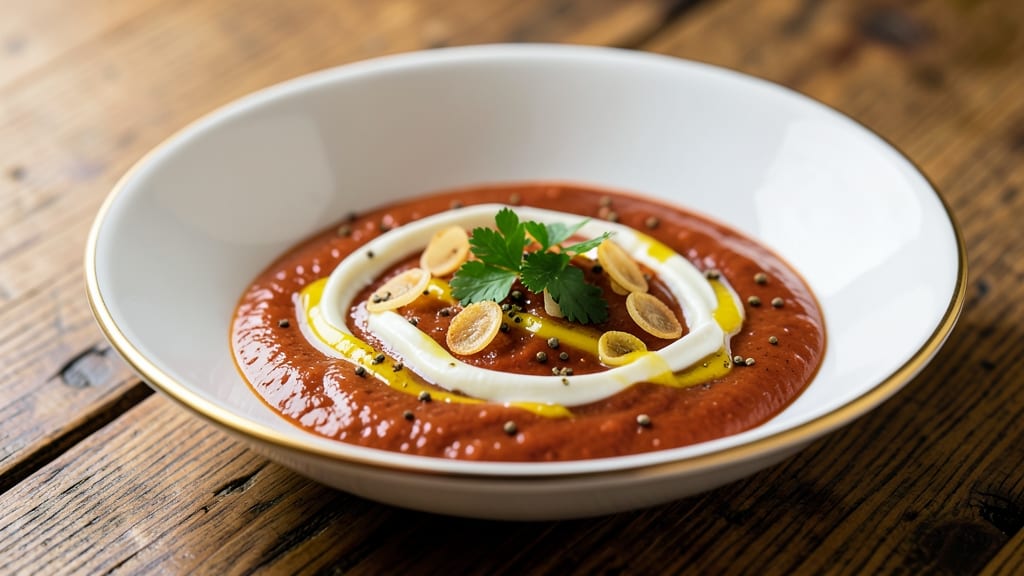
This holindase sauce recipe transforms simple ingredients into a velvety Dutch classic that bridges creamy richness with tangy tomato depth—perfect for elevating proteins like roasted meats or grilled fish. The secret lies in balancing butter, egg yolks, and mustard while maintaining a smooth emulsion that never breaks.
I developed this version after years of testing, ensuring it delivers that signature Dutch comfort without requiring advanced techniques.
The sauce begins with a warm butter base infused with shallots, where the aromatics develop before tomato paste and mustard add their signature depth. Lemon juice brightens the finish, while a touch of cayenne ensures subtle warmth.
What makes this recipe foolproof is the slow reduction of the base before incorporating the egg yolks—a critical step for achieving that signature creamy texture without curdling.
By the time you drizzle this sauce over your dish, you’ll taste layers of flavor: the buttery richness, the tangy tomato, and the subtle mustard kick all coming together in perfect harmony.
It’s the kind of sauce that turns a simple meal into something special, with just the right balance of comfort and sophistication. Ready to make it?
This sauce keeps beautifully in the refrigerator for up to 5 days, making it ideal for meal prep or serving at gatherings. Pair it with roasted chicken, grilled salmon, or even as a dip for crusty bread. The versatility is what makes it a pantry staple worth perfecting.
Ingredients for holindase sauce
Sixteen simple ingredients transform into a velvety Dutch classic that feels like a hug in sauce form.
| Ingredient | Amount | Notes |
|---|---|---|
| Unsalted Butter 🧈 | ½ cup | Cold, cubed for slow melting |
| Shallots 🧅 | 3 whole | Minced, not sliced |
| Tomato Paste 🍅 | 2 tbsp | Smooth, not chunky |
| Dijon Mustard 🍯 | 1 tbsp | High-quality, grainy texture |
| Fresh Lemon Juice 🍋 | 1 tbsp | Freshly squeezed |
| Heavy Cream 🥛 | ½ cup | Full-fat for creaminess |
| Large Egg Yolks 🥚 | 3 whole | Room temperature |
| Dry Sherry 🍷 | ¼ cup | Or substitute white wine |
| Cayenne Pepper 🔥 | ¼ tsp | Adjust for heat preference |
| Salt 🧂 | ½ tsp | Kosher or sea salt |
The butter is non-negotiable here—European-style unsalted butter gives the best flavor, but Plugrá or Land O'Lakes work in a pinch. Shallots are sweeter than onions, so buy them fresh—they keep for weeks in the fridge. For the tomato paste, Rao's or Muir Glen are reliable, but skip the pre-made garlic in jars. The Dijon mustard should be grainy, not smooth—it adds texture that smooth mustard misses. I always grab mine from Whole Foods or the specialty section at Kroger.
No sherry? Dry white wine or even extra chicken broth works—just reduce it longer to concentrate the flavor. Fresh lemon juice is ideal, but bottled works if you've got it. The cayenne is optional but adds that signature Dutch warmth—start with a pinch and adjust. For the egg yolks, room temperature is key—they blend smoother and help prevent curdling. If you're worried about breaking the emulsion, whisk the yolks and cream together first before adding to the hot base. The heavy cream should be full-fat—none of that low-fat stuff here.
This sauce reheats beautifully—just warm it gently on the stove, stirring constantly. It thickens as it cools, so add a splash of warm water or broth if it gets too stiff. Keeps for 5 days in the fridge, sealed tightly. For longer storage, freeze in ice cube trays—perfect for single servings. I always make a double batch because it disappears fast, especially over roasted chicken or grilled fish.
Why You'll Love This Recipe
- Five-Ingredient Magic: This sauce is my secret weapon when I’m staring at a half-empty fridge. Just melt butter, toss in shallots and tomato paste, then finish with a squeeze of lemon—no fancy techniques, no stress.
- Tangy Umami Bomb: That Dijon mustard and lemon juice combo? It’s the perfect balance of rich and bright. The butter keeps it velvety, but the acidity cuts through—like a hug for your taste buds.
- Weeknight to Dinner Party: I use it on grilled chicken one night, toss it with pasta the next, and even drizzle it over roasted veggies for guests. Same sauce, endless possibilities—no last-minute panic.
- Leftover Goldmine: Make a double batch and store it in the fridge. A spoonful of this sauce transforms bland leftovers into something worth eating (yes, even sad office lunches).
Instructions for Holindáse sauce recipe
This Dutch-inspired sauce delivers rich, velvety comfort with just the right balance of tangy tomato and bold mustard notes.
Sauté Shallots in Butter Until Translucent
Melt the 0.5 cup unsalted butter in a medium saucepan over medium heat. Add the 3 whole minced shallots and cook for 5-6 minutes, stirring occasionally. You'll know they're ready when they turn golden and translucent—this ensures they add sweetness without bitterness. Don't rush this step; properly cooked shallots form the aromatic foundation of the sauce.
Here's the thing—if you see the shallots starting to brown too quickly, reduce the heat slightly. You want them soft and sweet, not crispy. This gentle cooking process prevents any harsh flavors from developing, which would overpower the delicate balance of ingredients later on.
Build the Flavor Base with Tomato Paste and Mustard
Stir in the 2 tbsp tomato paste and 1 tbsp Dijon mustard, cooking for 1-2 minutes until fully incorporated. The mixture will darken slightly as the tomato paste deepens in flavor. Add the 0.25 cup dry sherry and let it simmer for 3-4 minutes until the alcohol aroma completely dissipates—this step is crucial for removing any harsh notes.
While the sauce simmers, you'll notice the colors meld together beautifully, creating a rich, reddish-brown base. This is where the sauce's complex character starts to develop. If you're using white wine as a substitute, simmer it for an extra minute to ensure all alcohol cooks off completely.
Create the Creamy Emulsion with Egg Yolks
In a separate bowl, whisk together the 3 whole large egg yolks, 0.5 cup heavy cream, 1 tbsp fresh lemon juice, 0.25 tsp cayenne pepper, and 0.5 tsp salt until smooth. Slowly ladle about 1 cup of the hot sauce mixture into the egg mixture while whisking constantly. This tempering process prevents the eggs from scrambling and ensures a silky texture.
Once the egg mixture is heated through and slightly thickened, pour it back into the saucepan with the remaining sauce. Stir gently over low heat for 2-3 minutes until the sauce reaches a velvety consistency. You're aiming for a smooth, glossy finish that coats the back of a spoon—this is what makes Holindáse so irresistibly creamy.
Finish and Adjust for Perfect Texture
Remove the sauce from heat and let it sit for 2-3 minutes. The residual heat will continue to thicken the sauce naturally. Taste and adjust seasoning if needed—you might want to add a pinch more salt or cayenne to suit your preference. The sauce should be rich but not overly heavy, with a perfect balance of tangy, creamy, and slightly spicy notes.
For serving, strain the sauce through a fine-mesh sieve to achieve an ultra-smooth texture. This final step removes any potential lumps and gives you that restaurant-quality finish. The sauce should be thick enough to coat the back of a spoon but still flow gracefully—this is the hallmark of a properly made Holindáse.
Pro Tips For Making Holindase Sauce
- Cook Shallots Slow: I learned this the hard way—sizzling shallots in butter at high heat turns them bitter and charred. Instead, melt the butter over medium-low, add the sliced shallots, and let them sweat for 8–10 minutes until soft and translucent. Patience here keeps the sauce silky, not burnt.
- Whisk Tomato Paste: Tomato paste clumps like a stubborn guest. Before adding it to the pan, whisk it with a splash of water or lemon juice until smooth. This ensures your sauce stays velvety, not grainy—no one wants to taste paste lumps in their hollandaise.
- Balance Mustard Early: Dijon mustard is strong, and once it’s cooked into the sauce, it’s hard to fix. Start with half the recipe’s amount, taste, then adjust. If it’s too sharp, a pinch of sugar or more lemon juice later can soften it—better to underdo it now than regret it later.
- Finish with Warm Butter: Cold butter in a warm sauce makes it split like a bad joke. Melt the final tablespoon of butter separately, then whisk it into the sauce off the heat while it’s still hot. This keeps the emulsion smooth and rich—no one likes a broken hollandaise.
Regional styles of this recipe
Dutch Comfort Roots
The Dutch version of this sauce, known as Holandaise-inspired sauce, leans heavily on butter and egg yolks while incorporating tomato paste for depth—unlike traditional Dutch sauces that rely solely on butter and lemon.
This adaptation adds a subtle umami richness from the tomato, making it a perfect match for hearty Dutch dishes like roasted beef or grilled herring. The Dutch often serve this with stamppot (mashed potatoes with veggies) or broodjes (open-faced sandwiches). 🍽️
Filipino Twist
In the Philippines, this sauce is sometimes called holindase or Filipino-style Dutch sauce, where it’s spiked with calamansi juice (a tangy citrus) instead of lemon. The addition of chili flakes or siling labuyo (bird’s eye chili) gives it a fiery kick, balancing the creamy texture.
I’ve seen it drizzled over adobo chicken or grilled pork skewers, adding a bright contrast to the rich proteins. The Filipino version often includes a splash of soy sauce for extra depth.
German-Inspired Variations
German Rahmsauce (cream sauce) often shares similarities with this recipe, but the key difference is the use of white wine and shallots in this Dutch-inspired version. A German chef might add a pinch of nutmeg or a splash of cream for extra richness.
The sauce pairs beautifully with Schweinebraten (German roast pork) or Kartoffelpüree (mashed potatoes). The German approach tends to be slightly heavier, using more butter and cream for a decadent finish.
Modern Fusion Adaptations
For a contemporary twist, I’ve experimented with adding smoked paprika or a dash of balsamic glaze to deepen the flavor profile. This works surprisingly well with grilled lamb chops or seared scallops, adding a smoky-sweet contrast.
Another fun variation is swapping the sherry for apple cider—this adds a subtle sweetness that pairs beautifully with roasted turkey or pork tenderloin. The possibilities are endless when you start playing with regional ingredients! 💡
Southern U.S. Adaptation
In the Southern U.S., this sauce might be thickened with cornstarch slurry instead of egg yolks for a smoother, more stable consistency—ideal for drizzling over fried chicken or mac and cheese.
A touch of hot sauce or black pepper adds a spicy kick, making it a perfect match for barbecue ribs or smoked brisket. The Southern version often includes a splash of buttermilk to balance the richness, giving it a tangy twist that’s hard to resist.
Nutrition facts
Frequently asked questions
What makes this sauce different from traditional Dutch sauce?
This version blends classic Dutch techniques with a tomato-mustard depth that traditional holandaise lacks. The tomato paste adds umami richness while Dijon mustard provides a subtle tang—perfect for balancing the creamy butter base. The sherry and cayenne create warmth that elevates it beyond basic hollandaise.
Can I make this sauce ahead of time?
Store it in an airtight container in the fridge for up to 5 days. For longer storage, freeze in ice cube trays—thaw overnight in the fridge before reheating gently. The texture remains silky when reheated properly, though it may thicken slightly. Add a splash of warm water or broth if needed.
Why did my sauce break/separate?
Most likely, the egg yolks were added too quickly to hot liquid or the sauce wasn't tempered properly. Always whisk yolks with cream first, then slowly incorporate hot sauce while stirring constantly. Keep heat low after combining—never boil. If it separates, whisk in 1 tbsp cold water to re-emulsify.
What's the best way to serve this sauce?
Drizzle over roasted meats, grilled fish, or crusty bread for dipping. It pairs beautifully with Dutch stamppot or Filipino adobo chicken. For extra flair, garnish with chopped parsley or a pinch of smoked paprika. The sauce's velvety texture makes it ideal for saucing proteins where richness is key.
Can I substitute ingredients if I don't have sherry?
Yes! Use dry white wine or even extra chicken broth—just reduce it longer to concentrate flavors. For depth, add 1 tsp soy sauce or 1 tsp balsamic vinegar. The key is balancing acidity and richness; lemon juice and mustard will still provide that tang. Adjust seasoning to taste after cooking.