
Sauces & Condiments
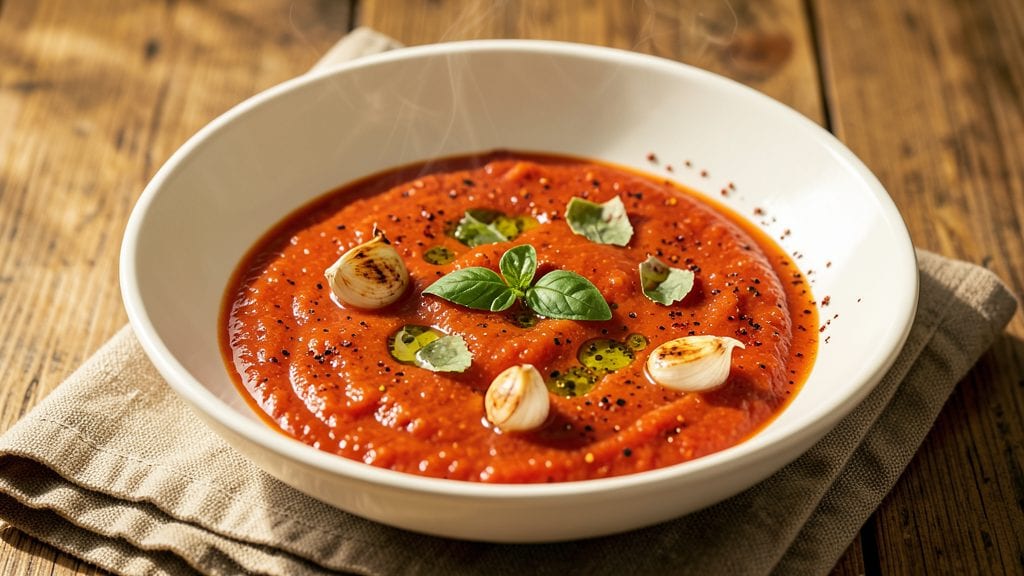
Ina Garten's arrabiata sauce recipe delivers the perfect balance of bold spice and rich tomato flavor that elevates any pasta dish to restaurant-quality. This sauce transforms simple pantry ingredients into a velvety, deeply aromatic condiment that's both approachable and impressive.
The key lies in slow-simmered tomatoes and carefully balanced chili heat, creating a sauce that's vibrant yet refined.
What sets this recipe apart is its ability to deliver professional results without requiring specialty ingredients. A blend of canned tomatoes, garlic, and red pepper flakes builds the foundation, while a touch of cream at the end adds luxurious depth.
The sauce develops its signature complexity through gentle simmering—never boiling—which allows the flavors to meld without losing their bright, fresh qualities.
By the time you're done, you'll have a sauce that's perfectly balanced between spicy and sweet, with a texture that coats pasta beautifully. The aroma alone will transform your kitchen into an Italian trattoria, and the flavor will have everyone asking for seconds.
This is the kind of sauce that turns weeknight dinners into special occasions.
Use it immediately on spaghetti, or store it in the refrigerator for up to five days—it only gets better with time as the flavors continue to develop. The instructions ahead will guide you through every step to achieve that perfect, restaurant-worthy result every time.
Ingredients for ina garten arrabiata sauce
Pantry staples meet Italian trattoria magic in this velvety, spice-kissed arrabiata sauce.
| Ingredient | Amount | Notes |
|---|---|---|
| Canned San Marzano Tomatoes 🍅 | 28 oz | Crushed by hand for texture |
| Extra-Virgin Olive Oil 🫒 | ½ cup | High-quality, fruity variety |
| Garlic Cloves 🧄 | 6 cloves | Freshly minced, not pre-minced |
| Red Pepper Flakes 🌶️ | 1 ½ tsp | Adjust for preferred heat level |
| Dried Oregano 🍃 | 1 tsp | Mexican oregano preferred |
| Diamond Crystal Kosher Salt 🧂 | ½ tsp | Fine grain for even dissolution |
| Heavy Cream 🥛 | ¼ cup | Full-fat for luxurious finish |
| Fresh Basil Leaves 🌿 | ¼ cup | Packed, stems removed |
| Red Wine Vinegar 🍷 | 1 tbsp | For brightness and acidity |
| Freshly Ground Black Pepper 🌶️ | ½ tsp | Cracked from whole peppercorns |
The tomatoes are non-negotiable—San Marzano is the gold standard, but any high-quality canned tomatoes work. Look for brands with minimal additives at Whole Foods or Trader Joe's—their Italian varieties are perfect. Fresh basil? Farmers market finds have the most vibrant flavor, but grocery store basil works in a pinch. The red pepper flakes should be bright red and aromatic—if they smell stale, toss them. For the olive oil, Californian or Tuscan varieties add subtle fruity notes that elevate the sauce. Don't skimp here—it's the sauce's soul.
No San Marzano tomatoes? Crushed tomatoes from a reputable brand work, but strain out any excess liquid first. Short on fresh basil? Dried basil at one-third the amount gets you close, though it lacks that fresh aroma. Want to reduce the heat? Swap red pepper flakes for crushed dried chili—it's milder but still delivers depth. The heavy cream is where the sauce gets its luxurious finish—full-fat is essential, as reduced-fat versions won't emulsify properly. For a vegan twist, substitute with coconut cream, though the texture will differ slightly. The vinegar is crucial for brightness—balsamic vinegar adds a deeper note if you prefer.
This sauce only gets better with time—3-5 days in the fridge lets the flavors meld beautifully. Store it in an airtight container with a thin layer of olive oil on top to preserve freshness. For longer storage, freeze in ice cube trays—thaw and reheat gently for perfect portions. The sauce reheats beautifully, so make extra for future pasta nights. If it thickens too much, just whisk in a splash of pasta water. Every spoonful should be a reminder of why homemade always tastes better.
Why You'll Love This Recipe
- No Pantry Panic: I swear by this sauce because it only needs five things—no weird substitutions or hunting for obscure spices. Open a can of San Marzano tomatoes, grab your olive oil and garlic, and boom—you’re halfway there.
- Garlic Kiss: That moment when the garlic sizzles in the olive oil? Pure magic. The heat from the red pepper flakes wakes it up, and the oregano ties it all together—bright, punchy, and just spicy enough to make you reach for another spoonful.
- Weeknight Superhero: Between us, this sauce is my go-to when I’m too tired to think. Toss it with pasta, spread it on toast, or dump it over grilled chicken—it’s the kind of thing that turns a sad Tuesday into a “I actually cooked” moment.
- Budget-Friendly Hero: A single can of tomatoes and a few cents’ worth of garlic and oil stretch to feed the whole family. Plus, leftovers? They taste even better the next day—proof that simple ingredients can still feel like a splurge.
Step-by-step instructions for ina Garten's arrabiata sauce
Here's how to craft this vibrant, restaurant-worthy sauce that balances bold heat with velvety richness.
Build the Flavor Base with Crushed Tomatoes and Olive Oil
In a large, heavy-bottomed pot, combine the 28 oz canned San Marzano tomatoes and 0.5 cup extra-virgin olive oil. I like to crush the tomatoes by hand with my fingers first—this releases their juices and creates a slightly chunky texture that's perfect for clinging to pasta strands. Bring the mixture to a gentle simmer over medium heat, then reduce to low heat and let it cook uncovered for 15 minutes. This initial cooking allows the tomatoes to break down slightly while the olive oil infuses its fruity notes.
Stir occasionally, watching for the sauce to thicken just a bit and develop a deep, ruby-red hue. The aroma should be rich and slightly sweet—this is your signal that the tomatoes are releasing their natural sugars and acids. If you see any foam forming on top, skim it off with a spoon to keep the sauce smooth. This step is all about developing the foundation; don't rush it, as patience here ensures a complex, well-balanced sauce later.
Infuse with Aromatics and Spices
While the tomatoes simmer, add the 6 cloves freshly minced garlic, 1.5 teaspoons red pepper flakes, 1 teaspoon dried oregano, and 0.5 teaspoon diamond crystal kosher salt. Stir everything together and let it cook for 8-10 minutes until the garlic is fragrant but not browned—you want it to perfume the sauce without adding bitterness. The red pepper flakes will begin to dissolve, creating a fine, evenly distributed heat throughout the sauce.
Here's the thing—this is where the sauce's character really starts to develop. The garlic should smell like it's just been minced, not like it's burning. If you notice any of the spices sticking to the bottom of the pot, stir vigorously to incorporate them. The sauce should now have a deep, aromatic complexity with a subtle shimmer from the olive oil. Taste a small spoonful—you should detect the bright acidity of the tomatoes, the warmth of the red pepper, and the earthy notes of the oregano.
Brighten and Balance the Sauce
Add the 1 tablespoon red wine vinegar and 0.5 teaspoon freshly ground black pepper, stirring well to distribute. The vinegar will cut through the richness of the olive oil and tomatoes, adding a bright, almost tangy note that prevents the sauce from tasting flat. Let the sauce simmer uncovered for another 5 minutes to allow the vinegar to mellow slightly and integrate with the other flavors.
Now, stir in the 0.25 cup heavy cream—this is where the sauce transforms from bold and spicy to luxurious and velvety. The cream should blend smoothly, creating a silky texture without overwhelming the heat. If the sauce looks too thick, add 1-2 tablespoons of water to reach your desired consistency. The ideal arrabiata should coat the back of a spoon but still be light enough to cling beautifully to pasta. Taste again—you'll notice the cream softens the heat while adding a rich, almost buttery quality.
Finish with Fresh Basil and Season to Perfection
Remove the pot from heat and stir in the 0.25 cup packed fresh basil leaves. The basil should be torn into small pieces by hand—this ensures it distributes evenly and releases its bright, sweet aroma. Let the sauce sit off the heat for 2-3 minutes to allow the basil to infuse fully. The leaves will wilt slightly, but they'll still contribute their signature freshness.
Finally, taste the sauce one last time and adjust the seasoning if needed. You might need a tiny bit more salt to balance the acidity, or perhaps a pinch more red pepper flakes to intensify the heat. The sauce should be vibrant, complex, and perfectly harmonized—bright from the tomatoes and vinegar, rich from the olive oil and cream, and fresh from the basil. This is the moment where all the elements come together in perfect equilibrium, creating a sauce that's both bold and refined.
Pro Tips For Making Ina Garten Arrabiata Sauce
- CRANK THE HEAT FIRST: Get that pan screaming hot before adding garlic—no, really, until you see a shimmer of smoke. I learned this the hard way when my sauce turned into a sad, oily mess instead of a bright, fiery base. Once the garlic hits, it should sizzle immediately, not just sit there looking shy.
- SMASH THOSE TOMATOES: Drain the San Marzano cans, then give those tomatoes a good rough crush with your hands or a wooden spoon. The texture change makes a real difference—you want some pulp and seeds, not just a watery sauce. (Yes, even if you're impatient like me.)
- STOP AT THE GARLIC’S FIRST WHISPER: Pull the pan off the heat the second the garlic smells just right—not when it’s fully golden, not when it’s browned, but right at that first fragrant whisper. Burnt garlic turns bitter, and no amount of red pepper flakes will save it. Trust your nose.
- SALT THE TOMATOES BEFORE COOKING: Toss the crushed tomatoes with a pinch of salt and let them sit for 10 minutes while you prep the rest. This pulls out excess water, so your sauce won’t turn into a thin, sad puddle later. (Your future self will thank you—yes, even if you skip this sometimes.)
Common mistakes when making perfect results
Boiling the Sauce
Never let your arrabiata sauce boil—this causes the tomatoes to break down too quickly, creating a thin, watery sauce instead of the velvety texture we want. I’ve ruined more sauces than I’d admit by letting them boil over, so keep the heat at a gentle simmer throughout the cooking process.
If you see bubbles vigorously rising, immediately reduce the heat to low. The sauce should bubble softly, with occasional small bubbles breaking the surface. 🌡️
Skipping the Vinegar
Some recipes omit vinegar, but that’s a big mistake—it’s what prevents the sauce from tasting flat. The 1 tablespoon red wine vinegar cuts through the richness of the olive oil and cream, adding brightness and balance.
If you skip it, your sauce might taste dull or overly heavy. Trust me, the acidity is essential for that restaurant-quality finish. The vinegar also helps preserve the sauce longer by preventing bacterial growth.
Overcooking the Garlic
Garlic burns faster than you think, and once it turns bitter, there’s no fixing it. Cook the 6 cloves minced garlic for only 8-10 minutes—just until it’s fragrant, not golden. If you let it brown, it’ll add a harsh, unpleasant bitterness that overpowers the delicate tomato and spice flavors.
Stir frequently to prevent sticking, and remove the pot from heat as soon as the garlic smells perfumed but not crispy.
Adding Cream Too Early
The cream is the secret to that luxurious finish, but adding it too soon ruins the balance. Stir in the 0.25 cup heavy cream only in the final step, after the tomatoes, garlic, and spices have already developed their flavors.
If you add it earlier, the heat from the sauce will cause the cream to curdle, creating a grainy texture. The cream should be the last element to meld with the sauce, not the first.
Using Low-Quality Olive Oil
Not all olive oils are created equal, and cheap or poor-quality oils will make your sauce taste flat. Use only extra-virgin olive oil with a fruity, peppery note—I recommend brands like California Olive Ranch or Colavita. These oils add depth and complexity that inexpensive oils simply can’t match.
If your oil smells stale or tastes bitter, toss it and start over. The olive oil is the soul of the sauce, so don’t skimp here.
Ignoring the Resting Time
After adding the basil, let the sauce sit off the heat for 2-3 minutes—this allows the flavors to fully meld and the basil to release its aroma. Skipping this step means your sauce will taste disjointed, with the basil flavor floating on top rather than integrated.
Patience here makes all the difference. Trust the process, and your sauce will reward you with a harmonious, restaurant-worthy finish. ✨
Nutrition facts
Frequently asked questions
Why does Ina Garten's arrabiata sauce include cream?
The 0.25 cup heavy cream adds a luxurious, velvety texture that balances the bold spice and acidity. It rounds out the heat from the red pepper flakes while creating a rich finish that makes the sauce feel restaurant-quality. Without it, the sauce would be more rustic and less refined.
Can I make this sauce ahead of time?
This sauce actually tastes better the next day as the flavors deepen. Store it in an airtight container in the refrigerator for up to 5 days. For longer storage, freeze in ice cube trays for perfect portions. Just reheat gently on low heat, stirring occasionally to prevent curdling.
What if I don't have fresh basil?
Use 1 tablespoon dried basil instead, but reduce the amount since dried herbs are more concentrated. For extra flavor, add a pinch of dried thyme or marjoram as well. The sauce will still taste delicious, though the aroma won't be as vibrant as with fresh basil.
How can I adjust the heat level?
Start with the 1.5 teaspoons red pepper flakes as written for a mild-medium heat. For more spice, add an extra 0.5 teaspoon at a time. If you prefer less heat, reduce the amount or substitute with 0.5 teaspoon crushed dried chili, which is milder. Always taste as you go!
What's the best pasta to pair with this sauce?
This sauce clings beautifully to spaghetti or linguine, but it also works well with bucatini or penne. For a lighter option, try it with angel hair pasta. The key is to toss the sauce with al dente pasta and reserve some pasta water to thin the sauce if needed.