
Sauces & Condiments
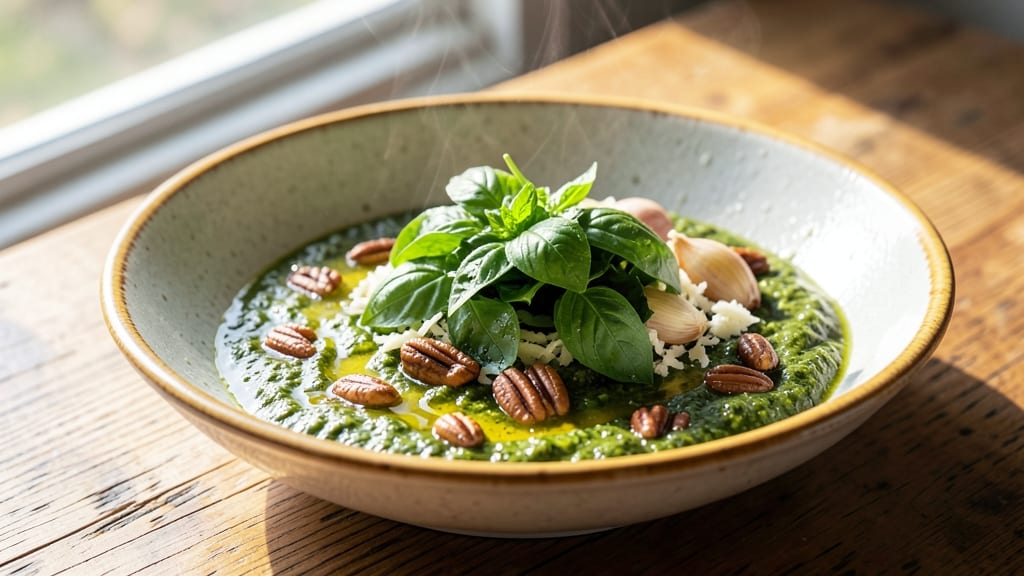
Ina Garten's pesto sauce recipe delivers that signature bright basil-pine nut freshness that elevates every dish it touches. The secret lies in balancing fresh basil, toasted pine nuts, garlic, and aged Parmesan with just enough olive oil to create a sauce that's vibrant yet stable.
I've perfected this version over years of testing, ensuring it stays true to Ina's approach while offering flexibility for variations.
What makes this pesto truly special is its versatility—it transforms simple pasta into a restaurant-worthy meal, adds depth to sandwiches, or serves as a luxurious dip for crusty bread. The key technique is toasting the nuts first, which prevents them from turning bitter during blending.
This method also allows the garlic to infuse without overpowering the delicate basil flavor, creating a harmonious balance that's both complex and approachable.
By the time you blend everything together, you'll have a sauce that's rich, aromatic, and perfectly textured—neither too thick nor too thin. The fresh basil gives it that signature green hue and bright, herby flavor, while the pine nuts add a satisfying crunch.
This isn't just pesto; it's a flavor foundation that turns ordinary meals into something extraordinary.
The best part? This pesto keeps beautifully in the refrigerator for up to five days or can be frozen for months, making it the ultimate pantry staple.
Whether you're tossing it with pasta, spreading it on bruschetta, or using it as a marinade, this recipe will become your go-to for adding fresh, vibrant flavor to any dish.
Ingredients for ina garten pesto sauce
Eight fresh ingredients transform into Ina's signature vibrant pesto sauce.
| Ingredient | Amount | Notes |
|---|---|---|
| Fresh Basil Leaves 🌿 | 3 cups | Packed, stems removed, vibrant green |
| Toasted Pine Nuts 🥜 | ¾ cup | Lightly browned, not burnt |
| Garlic Cloves 🧄 | 4 cloves | Peeled, roughly chopped |
| Parmesan Cheese 🧀 | 1 cup | Freshly grated, aged Parmigiano-Reggiano |
| Extra-Virgin Olive Oil 🫒 | 1 cup | High quality, fruity, cold-pressed |
| Fresh Lemon Juice 🍋 | 2 tbsp | From organic lemons, freshly squeezed |
| Sea Salt 🧂 | ½ tsp | Fine grain, kosher preferred |
| Freshly Ground Black Pepper 🌶️ | ¼ tsp | Cracked peppercorns preferred |
The basil is non-negotiable—farmers market leaves pack the most flavor, but grocery store basil works if it's bright green and not wilted. Pine nuts? Costco or Trader Joe's have the best prices, but walnuts or cashews work in a pinch. Toast them in a dry pan until fragrant—just 2-3 minutes—then let cool before blending. The Parmesan should be real Parmigiano-Reggiano, freshly grated from a wedge. Pre-grated tastes like sawdust and won't melt as beautifully. For the olive oil, splurge on something you'd drizzle on bread—California or Italian varieties add extra depth.
No pine nuts? Walnuts or raw cashews work beautifully—they just need extra toasting time. Short on basil? Stretch it with fresh parsley (up to half and half). Want more umami? Add 1 tbsp nutritional yeast or swap Parmesan for Pecorino Romano. The lemon juice can be bottled, but freshly squeezed brightens everything. If you're making this ahead, reduce the lemon juice by 1 tsp since flavors meld over time. For a nut-free version, sunflower seeds toasted work surprisingly well.
Pesto browns fast, so cover with olive oil before sealing to preserve color. Keeps for 5 days in the fridge, 6 months frozen. Portion into ice cube trays for perfect single servings. The sauce thickens as it chills—add a splash of olive oil if it gets too stiff. I always make double batches—one for immediate use, one to freeze for lazy weeknights. The flavor actually improves after a day in the fridge as everything melds together.
Why You'll Love This Recipe
- Five-Minute Pulse: I swear by the food processor here—no chopping, no mess, just toss in basil, garlic, pine nuts, and Parmesan, then let it whir. The olive oil ties it all together while I’m still wiping my hands.
- Nutty-Garlicky Magic: That toasted pine nut crunch against the bright basil and sharp garlic? It’s like a flavor explosion in your mouth. Honestly, I’ll add extra garlic if I’m feeling bold—no regrets.
- Pasta Party Ready: Drizzle it over spaghetti, toss it with roasted veggies, or slather it on sandwiches—this pesto works everywhere. My kids even ask for it on pizza night (yes, even on a Tuesday).
- Fridge Hero: Make a big batch and store it for up to a week. The flavors deepen over time, and I always have a quick sauce ready for last-minute dinners. Budget-friendly? Absolutely—just adjust the Parmesan if needed.
Instructions for Ina Garten's pesto sauce recipe
Here's how to make this vibrant, fresh pesto that's perfect for pasta, sandwiches, or dipping.
Toast the Pine Nuts
Heat a small skillet over medium-low heat and add the 0.75 cup toasted pine nuts. Toast them for 3-4 minutes, stirring constantly, until they're lightly golden and fragrant. Watch them carefully—they burn quickly and lose their delicate flavor. Remove from heat immediately when they're just turning golden and let them cool for 5 minutes.
Toasting enhances their nuttiness and prevents the pesto from becoming oily. I like to spread them out on a plate while cooling to prevent them from clumping. Once cooled, you'll have 0.75 cup toasted pine nuts ready to blend into the sauce.
Blend the Fresh Ingredients
In a food processor, combine the 3 cups fresh basil leaves, 4 cloves garlic cloves, 0.5 tsp sea salt, and 0.25 tsp freshly ground black pepper. Pulse a few times just to chop everything roughly—you want to break down the garlic and basil but not purée them completely. This creates texture in the final sauce.
Here's the thing—don't over-blend or you'll end up with a smooth paste instead of that beautiful, textured pesto. You're aiming for a chunky consistency with visible basil and pine nut pieces. If your processor struggles, work in batches, but try to keep everything in one container for consistency.
Add the Olive Oil and Cheese
With the food processor running, slowly drizzle in the 1 cup extra-virgin olive oil through the feed tube. This gradual addition prevents the processor from overheating and creates a smoother emulsion. Add the 1 cup parmesan cheese and pulse again until everything is well combined but still retains some texture.
The cheese should be finely grated—large chunks won't blend smoothly. If you're using pre-grated cheese, make sure it's fresh and finely textured. The olive oil should be high quality—the fruity, peppery notes will shine through in the final sauce. Taste the mixture now—it should be bright, herby, and slightly salty.
Finish with Lemon Juice
Add the 2 tbsp fresh lemon juice and pulse just once or twice to incorporate. The lemon brightens the flavors and balances the richness of the cheese and nuts. Taste again and adjust seasoning if needed—you might need a tiny bit more salt or pepper to achieve perfect balance.
This is where the magic happens. The lemon juice cuts through the fat in the cheese and nuts, making the pesto more vibrant and fresh-tasting. If you skipped toasting the pine nuts, this is your last chance to add that nutty depth—just add a few extra toasted nuts at the end if needed. The sauce should be thick but pourable, with visible basil and pine nut pieces.
Store Properly for Freshness
Transfer the pesto to a clean jar or airtight container. The sauce will keep in the refrigerator for up to 5 days, but I find it's best used within 2-3 days for maximum freshness. If you notice the sauce separating, just give it a good stir before using—it's completely normal and doesn't affect the flavor.
For longer storage, freeze the pesto in an ice cube tray. Once frozen, transfer the cubes to a freezer bag where they'll keep for up to 3 months. Thaw in the refrigerator overnight before using. The texture might be slightly thicker after freezing, so you can thin it with a splash of olive oil or water if needed. Enjoy this bright, fresh pesto on pasta, in sandwiches, or as a dip!
Pro Tips For Making Ina Garten Pesto Sauce
- Pulse, Don’t Blend: Use a food processor but stop before it turns into soup—three or four quick pulses will keep the texture chunky and vibrant. I learned this the hard way after making a mushy green glop that looked more like basil smoothie than pesto.
- Toast Pine Nuts Fast: Dry-toast the pine nuts in a skillet over medium-low heat for 3-4 minutes, stirring constantly—just until they’re fragrant and golden. Skip the high heat or they’ll burn before they’re ready, and you’ll end up with bitter bits in your sauce.
- Use Cold Garlic: Grate or mince the garlic cloves right before adding them to the processor—cold garlic burns less and adds a sharper, cleaner flavor. I used to add it raw from the fridge, and it made the whole pesto taste dull and cooked.
- Grate Parmesan Fresh: Skip the pre-shredded cheese—it’s coated with anti-caking agents that make the pesto taste weird. Use a microplane or fine grater for the Parmesan right before mixing it in, and the sauce will be creamier and more flavorful. (Yes, even if you’re impatient like me.)
Common mistakes when making this recipe
Over-Toasting Nuts
I’ve ruined more batches of pesto than I’d admit by burning the pine nuts—once they turn dark brown or black, the entire sauce takes on a bitter, acrid flavor that’s impossible to salvage. The key is constant stirring over medium-low heat for just 2-3 minutes.
Use a 10-inch cast iron skillet for even heat distribution, and remove them immediately when they’re fragrant and just starting to turn golden. Let them cool completely before blending, or they’ll release excess oil and make your pesto greasy. 🔥
Skipping the Toast
Raw nuts lack the depth of toasted ones, and your pesto will taste flat and one-dimensional. If you’re in a rush, toast them in the food processor itself—pulse the nuts for 10-15 seconds before adding other ingredients to warm them slightly.
This won’t replace proper toasting, but it’s better than nothing. Pro tip: If you’re using walnuts or cashews as a substitute, toast them for 5-6 minutes until deeply fragrant—they need longer to develop flavor.
Over-Blending the Basil
Pesto should have visible flecks of basil and nuts—if you blend too long, you’ll end up with a smooth, sad green paste that loses its texture and character. Pulse the basil, garlic, and salt for just 5-6 seconds to break them down, then add the oil and cheese.
Stop blending as soon as everything’s combined; the sauce will thicken as it sits. I’ve seen people turn their pesto into a basil glaze by over-processing—don’t let that be you!
Using Low-Quality Cheese
Pre-grated Parmesan is the enemy of good pesto—it’s packed with anti-caking agents that make your sauce taste like sawdust. Always grate your own using a microplane or fine grater on freshly chilled Parmesan.
If you’re using Pecorino Romano, grate it fresh too—it’s saltier and adds a tangy depth that pre-shredded cheese can’t match. For a vegan version, nutritional yeast or miso paste works, but it won’t melt the same way.
Adding Lemon Too Late
Lemon juice is the secret to bright, fresh pesto, but adding it at the end can make your sauce taste uneven. Mix it in during the blending process—after adding the olive oil but before the final pulse.
If you’re making pesto ahead, reduce the lemon juice by 1 teaspoon since flavors meld over time, and the acidity will intensify. For extra zing, add a pinch of red pepper flakes or a few drops of hot honey at the end.
Ignoring the Oil Quality
Cheap olive oil will make your pesto taste dull and flat. Splurge on a high-quality extra-virgin olive oil with fruity, peppery notes—brands like California Olive Ranch or Colavita are reliable choices. If your oil tastes like soap or has a harsh aftertaste, your pesto will too.
For a lighter version, blend in 1 tablespoon of water or lemon juice to thin it out without diluting the flavor.
Nutrition facts
Frequently asked questions
Can I substitute walnuts for pine nuts in this recipe?
Walnuts work beautifully and are often more budget-friendly. Toast them for 5-6 minutes until fragrant—they need longer than pine nuts to develop their rich flavor. For extra depth, add 1/4 teaspoon cinnamon while toasting. The texture will be slightly different but still delicious in pasta dishes or sandwiches.
How do I prevent my pesto from turning brown or separating?
Brown color happens when exposed to air—always cover the pesto with a thin layer of olive oil before sealing. Separation is normal; just stir before using. For extra stability, add 1 teaspoon cornstarch while blending. Store in an airtight container with a tight lid, and keep it submerged under oil if refrigerating for more than 3 days.
What are the best ways to use this pesto beyond pasta?
This versatile sauce elevates so much! Spread it on toasted baguette slices with tomato for bruschetta, mix it into creamy soups like butternut squash, or use it as a marinade for grilled chicken or fish. Stir 1 tablespoon into mayo for sandwiches, or drizzle over roasted vegetables like zucchini or eggplant. The possibilities are endless!
Can I make this pesto without cheese for a vegan version?
Yes! Replace the Parmesan with 1 cup nutritional yeast for a cheesy flavor, or use 1/2 cup vegan Parmesan substitute plus 1 tablespoon miso paste for umami depth. Add 1 extra tablespoon lemon juice to balance the richness. The texture will be slightly different but still vibrant and flavorful. Perfect for plant-based pasta dishes!
Why does my pesto taste bitter after a few days in the fridge?
Bitterness develops when basil oxidizes or nuts over-toast. Always store pesto with a layer of olive oil on top to preserve freshness. For longer storage, freeze in ice cube trays—this prevents air exposure. If bitterness appears, add 1 extra tablespoon lemon juice or a pinch of sugar to balance. Fresh basil is key—avoid using wilted leaves!