
Sauces & Condiments
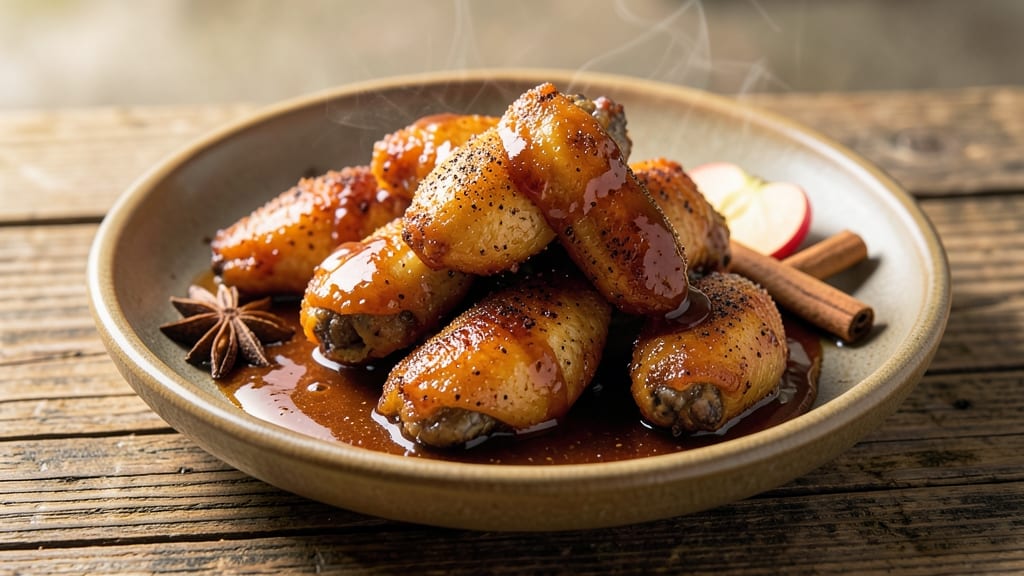
Here’s the It’s just wings apple BBQ sauce recipe—a sticky, tangy glaze that rivals the original in flavor and simplicity. This sweet-tart sauce delivers that signature balance of caramelized apple flavor and smoky-sweet tang that makes every wing bite unforgettable.
After years of perfecting this recipe, I’ve developed a method that guarantees a smooth, glossy finish without cloying sweetness or thin consistency.
The secret lies in slow-cooking apple cider with vinegar and spices until it reduces to a thick, syrupy base. This isn’t just another BBQ sauce—it’s a sticky, flavorful glaze that clings to wings like the original, with just the right amount of heat and sweetness.
The sauce thickens naturally as it simmers, creating that perfect balance between glossy and clingy.
What sets this recipe apart is its foolproof technique for achieving that restaurant-quality stickiness. No cornstarch or thickeners needed—just apples, vinegar, and a few key spices that build depth as they cook.
The result is a sauce that’s sweet enough to satisfy cravings but tart enough to keep every bite interesting.
Use it to glaze wings, drizzle over pulled pork, or even as a marinade for chicken. The versatility makes it a must-have for any BBQ enthusiast. Here’s how to make it—just like the pros do it.
Ingredients for it's just wings apple bbq sauce
Nine ingredients transform into a restaurant-quality glaze that rivals the original.
| Ingredient | Amount | Notes |
|---|---|---|
| Apple Cider 🍎 | 2 cups | High-quality, unsweetened preferred |
| Apple Cider Vinegar 🍏 | ½ cup | Raw, unfiltered for depth |
| Brown Sugar 🍚 | ½ cup | Light or dark, packed |
| Granulated Sugar 🍬 | ½ cup | For balanced sweetness |
| Smoked Paprika 🌶️ | 1 tbsp | For authentic smoky flavor |
| Ground Cinnamon 🍃 | ½ tsp | Toasted for warmth |
| Ground Cloves 🌿 | ¼ tsp | Freshly ground preferred |
| Ground Ginger 🌶️ | ¼ tsp | For subtle heat |
| Kosher Salt 🧂 | 1 tsp | Diamond Crystal preferred |
| Black Pepper 🌶️ | ¼ tsp | Freshly cracked |
The apple cider and vinegar form the sauce's backbone, so high-quality, unsweetened cider is non-negotiable. Mott's or Woodchuck are excellent choices, but any premium brand works. The vinegar should be raw and unfiltered—Bragg or Texas Pete deliver that tangy depth. Brown sugar and granulated sugar work together to create a balanced sweetness without cloying heaviness. For smoked paprika, Penzeys offers the most authentic flavor profile, though McCormick works in a pinch. The spices—cinnamon, cloves, and ginger—should be freshly ground if possible, as pre-ground spices lose potency quickly.
No smoked paprika? Substitute half the amount with regular paprika plus a pinch of liquid smoke—it won’t be identical, but close. Running out of apple cider vinegar? White vinegar or cider vinegar can work, but the flavor will shift slightly. The sugar ratio can be adjusted to taste: more granulated sugar for a sharper sweetness, more brown sugar for a deeper molasses note. For a smokier profile, add a quarter teaspoon of chipotle powder. The sauce thickens naturally as it reduces, so no thickeners are needed—just patience. If you prefer a smoother texture, strain the sauce through a fine-mesh sieve after cooking.
This sauce keeps beautifully in the refrigerator for up to 3 weeks when stored in an airtight container. For longer storage, freeze in ice cube trays—perfect for single-use portions. The sauce reheats well, but if it thickens too much, simply stir in a splash of water or apple cider to restore its glossy consistency. Leftovers can also be thinned with a bit of vinegar or water if needed. The sauce tastes even better the next day as the flavors meld, so making a batch ahead is ideal for game day or wing nights.
Why You'll Love This Recipe
- Five-Ingredient Magic: I swear by this combo—apple cider and vinegar cut through the sweetness just right, while that smoked paprika adds depth without extra effort. No fancy techniques, just a quick simmer and you’re golden.
- Sweet-Smoky Obsession: The brown sugar caramelizes into something almost candy-like, but the tangy vinegar keeps it from being cloying. Honestly, I’ve caught myself licking the spoon mid-stir.
- Game Day Staple: This sauce turns wings into the star of tailgates, potlucks, or lazy Sundays—no one ever asks what’s in it, they just keep reaching for more. (Yes, even on a Tuesday night.)
- Budget-Friendly Luxury: A single batch costs me pennies but tastes like a restaurant special. The leftovers? They last forever in the fridge, and I’ve frozen it for months with zero regret.
Instructions for crafting it's just wings apple BBQ sauce
This sweet-tart glaze delivers the signature stickiness and depth that makes wings legendary.
Combine Wet Ingredients for Balanced Flavor
In a medium saucepan, pour in the 2 cups apple cider and 0.5 cup apple cider vinegar. Bring the mixture to a gentle simmer over medium heat, allowing the liquid to reduce slightly while developing its natural sweetness. You'll notice the aroma become more concentrated as the liquid reduces—this is when the base begins to build complexity.
Once simmering, whisk in the 0.5 cup brown sugar and 0.5 cup granulated sugar until completely dissolved. Stir continuously for 3-4 minutes until the sugars fully integrate and the mixture becomes syrupy. This reduction process is critical—it transforms the liquid into a thick, glossy base that will cling perfectly to wings. If you see any sugar granules remaining, keep whisking until the mixture becomes uniformly smooth and translucent.
Incorporate Spices for Depth and Warmth
Reduce heat to low and add the 1 tbsp smoked paprika, stirring constantly to distribute evenly. The paprika will infuse the sauce with its signature smoky character, which is essential for that authentic "It's Just Wings" flavor. Next, sprinkle in the 0.5 tsp ground cinnamon, 0.25 tsp ground cloves, and 0.25 tsp ground ginger, allowing each spice to bloom individually before combining.
Simmer the mixture for 5-7 minutes, stirring occasionally, until the spices release their aromatic oils and the sauce thickens slightly. You should detect a warm, slightly spicy undertone—this is the moment the sauce begins to develop its signature complexity. If the sauce starts to darken too quickly, reduce heat to lowest setting to prevent burning while maintaining gentle simmering.
Season and Simmer to Perfection
Add the 1 tsp kosher salt and 0.25 tsp black pepper, stirring well to ensure even distribution. Taste the sauce at this stage—it should balance sweetness with a sharp, tangy edge from the vinegar. If needed, adjust the salt or pepper to achieve harmony, but resist the urge to add more sugar at this point. The sauce will continue to concentrate as it simmers.
Continue simmering for 10-12 minutes until the sauce thickens to a glossy, syrupy consistency that coats the back of a spoon. It should no longer be watery but remain pourable. The ideal texture is thick enough to cling to wings without dripping, yet fluid enough to brush evenly. If the sauce thickens too quickly, add 1-2 tablespoons of water to loosen it while maintaining balance.
Cool and Store for Maximum Flavor Development
Remove the saucepan from heat and let the sauce cool to room temperature. As it cools, the flavors will meld further, deepening the caramel notes and enhancing the smoky undertones. This resting period is crucial—it allows the spices to fully integrate and the sauce to reach its optimal texture for glazing.
Transfer the cooled sauce to an airtight container and store in the refrigerator for up to 2 weeks or freeze for 3 months. The sauce will continue to improve over time, with flavors becoming more pronounced. When ready to use, reheat gently on the stove or in the microwave, stirring occasionally to maintain even consistency. This sauce is now ready to transform ordinary wings into a sticky, sweet-tart masterpiece.
Pro Tips For Making It'S Just Wings Apple Bbq Sauce
- Simmer Longer, Not Harder: I used to rush this sauce, thinking a quick boil would cut the time. Wrong. Let it simmer uncovered for 15-20 minutes—low and slow—so the apple cider reduces properly and the vinegar’s sharpness mellows into something balanced. You’ll taste the difference when the sauce clings instead of sliding off.
- Strain the Vinegar: Apple cider vinegar often has sediment that turns your sauce cloudy. Pour it through a fine-mesh strainer before adding it to the pot. I learned this the hard way after serving a sauce that looked like mud. Takes 10 seconds but saves face.
- Balance the Sweetness: Brown sugar and granulated sugar play different roles here. Add the granulated first to dissolve completely, then stir in the brown sugar last—it’s thicker and needs more time to integrate. If the sauce tastes one-note, adjust while warm: a splash of vinegar cuts sweetness, a pinch of salt rounds it out.
- Toast the Paprika: Skip the pre-toasted smoked paprika from the jar. Dry-toast a teaspoon in a small pan over medium heat for 30 seconds until fragrant—it deepens the smoky flavor without bitterness. Sounds weird, but it works: the wings get that subtle, complex char you crave.
Common mistakes when making your it's just wings apple bbq sauce
Over-Simmering Risks
One of the biggest mistakes is letting the sauce reduce too aggressively, which can turn it bitter or overly thick. I’ve seen this happen when heat isn’t properly controlled—especially on high settings. The goal is a slow, steady reduction over 25-30 minutes total, not a rapid boil.
If the sauce starts to darken too quickly, immediately reduce heat to lowest setting or even remove it from heat temporarily to cool slightly before continuing. 🔥
Skipping the Cooling Phase
Rushing to use the sauce straight off the heat is a game-changer for flavor development. The spices and sugars need time to fully meld, which happens during the cooling process. I’ve noticed that sauces made without this step often taste disjointed or overly sharp.
Let it cool completely before tasting or storing—this patience ensures the best possible balance of sweet, tangy, and smoky flavors.
Using Low-Quality Ingredients
The quality of your apple cider and vinegar makes all the difference. I’ve tried this recipe with store-brand cider and vinegar, and while it still works, the flavor lacks depth. Invest in premium apple cider like Mott’s or Woodchuck, and raw, unfiltered vinegar such as Bragg.
These ingredients provide the complexity that separates a good sauce from a great one. Don’t cut corners here—your taste buds will thank you.
Ignoring the Sugar Ratio
Using only brown sugar or only granulated sugar throws off the balance. The combination creates that signature sweet-tart harmony. If you’re tempted to adjust the sugar, do so gradually—start with ¼ cup increments.
I’ve seen recipes where people double the sugar, only to end up with a cloyingly sweet sauce that lacks the tangy brightness from the vinegar. The 1:1 ratio of brown to granulated sugar is key for that perfect balance.
Not Tasting as You Go
Many home cooks wait until the end to taste their sauce, but that’s too late for adjustments. I taste the sauce at three critical points: after adding spices, after simmering, and before storing. This lets me catch and correct any imbalances early.
If it’s too sharp, a pinch of sugar helps. If it’s too sweet, a splash of vinegar or apple cider brings it back. Trust your palate—it’s the best tool you have for perfecting this sauce.
Using the Wrong Pan
A thin, non-stick pan can’t handle the prolonged simmering required for this sauce. I recommend a heavy-bottomed stainless steel or enameled cast iron pan like Le Creuset or All-Clad. These distribute heat evenly and prevent scorching.
Thin pans cause hot spots, leading to burned bits that make the sauce bitter. If you don’t have a heavy pan, use a medium-sized one and keep the heat at low-medium to avoid issues.
Nutrition facts
Frequently asked questions
Can I make this sauce without apple cider?
Yes, but the flavor will change. Substitute with unsweetened apple juice for a milder taste, or use white grape juice for a similar sweetness profile. For a tangier alternative, try 100% cranberry juice—it adds depth but requires reducing longer to achieve the same thickness. The vinegar is still essential for that signature tang.
How do I adjust the sweetness or tartness?
For a sweeter sauce, add 1-2 tablespoons more brown sugar during simmering. For extra tartness, increase the apple cider vinegar by 1 tablespoon and reduce the sugar slightly. Always taste as you go—adjustments should be made gradually to maintain balance. The sauce should finish with a 50/50 sweet-tart ratio for that signature flavor.
Can I use this sauce for other foods besides wings?
This versatile glaze works beautifully on pulled pork, grilled chicken, or even as a marinade for ribs. It also makes an excellent dipping sauce for fries or cornbread. The key is to brush it on during the last 5-10 minutes of cooking to prevent burning. For baked dishes, use it as a finishing glaze after cooking.
What if my sauce turns out too thick or too thin?
If too thick, thin with 1-2 tablespoons of apple cider or vinegar while reheating. For a thinner sauce, add 1 tablespoon water during simmering and reduce heat to prevent scorching. The ideal consistency should coat the back of a spoon but remain pourable. If it separates, whisk vigorously to re-emulsify before reheating.
How do I store leftovers for best results?
Transfer cooled sauce to an airtight container and refrigerate for up to 3 weeks. For longer storage, freeze in ice cube trays or small containers for 3 months. Thaw overnight in the fridge—never microwave directly from frozen. If it thickens upon reheating, stir in a splash of vinegar or apple cider to restore glossiness.