
Sauces & Condiments
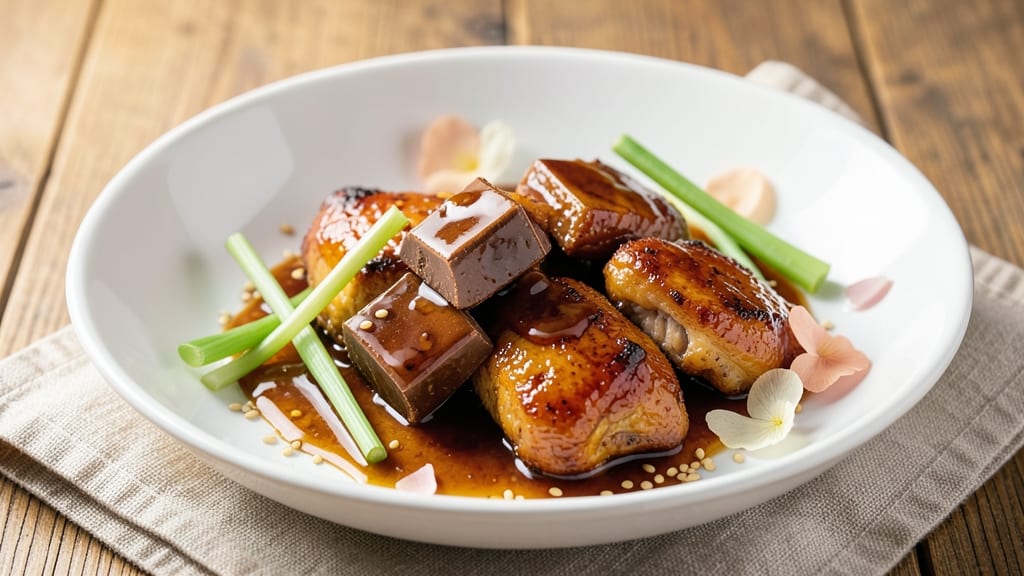
Creating a homemade Kinder teriyaki sauce transforms ordinary dishes into restaurant-quality meals with just a few pantry staples. This sweet-savory glaze—rich, glossy, and packed with umami—elevates everything from grilled chicken to stir-fried vegetables.
I developed this recipe after years of testing commercial versions, and the difference is night and day: no artificial aftertaste, just deep caramelized flavor built from scratch.
The secret lies in balancing soy sauce, mirin, and brown sugar while reducing the mixture to a thick, syrupy consistency. Unlike store-bought sauces, this version lets you control the sweetness and saltiness to match your taste.
A simple cornstarch slurry thickens it beautifully, ensuring that brush-on perfection every time. The process takes less than 20 minutes, but the flavor develops even more when stored in the fridge.
What you’ll end up with is a glossy, aromatic sauce that clings to proteins and vegetables like a dream. The caramelized edges on grilled meats or the sticky glaze on roasted veggies prove this isn’t just another teriyaki—it’s a game-changer.
Best of all, it keeps well for up to two weeks, so you can make a big batch and enjoy it all week long.
Use it on anything from glazed salmon to crispy tofu or even drizzled over noodles. The versatility makes it a kitchen essential, and the simplicity means you’ll never buy bottled sauce again. Let’s get started—your taste buds will thank you.
Ingredients for kinder teriyaki sauce
Pantry staples meet umami magic—just ten ingredients for teriyaki that rivals restaurant quality.
| Ingredient | Amount | Notes |
|---|---|---|
| Soy Sauce 🥢 | ½ cup | High-quality, low-sodium preferred |
| Mirin 🍶 | ¼ cup | Sweet cooking wine, not table mirin |
| Light Brown Sugar 🍚 | ¼ cup | Packed, no substitutions |
| Rice Vinegar 🍶 | 2 tbsp | White vinegar works in pinch |
| Sesame Oil 🫒 | 1 tbsp | Toasted sesame oil for aroma |
| Fresh Ginger 🌿 | 1 tbsp | Finely grated, not powdered |
| Garlic Cloves 🧄 | 3 cloves | Minced, not powdered |
| Cornstarch 🌾 | 1 tbsp | For perfect thick consistency |
| Water 💧 | 2 tbsp | Cold water for slurry |
| Sesame Seeds 🌰 | 1 tbsp | Toasted for garnish |
The soy sauce is non-negotiable—Kikkoman or Japanese import brands deliver the deepest flavor. Mirin adds that signature sweetness without overpowering; Trader Joe's carries a great affordable option. Brown sugar should be packed—don't scoop it lightly. Fresh ginger and garlic are worth the extra minute to grate/mince; powdered versions lack complexity. For sesame oil, look for toasted varieties at Asian markets—they have that nutty aroma you can't get from regular grocery store bottles. If you're short on time, a quick 30-second toast in a dry pan intensifies the flavor.
No mirin? Substitute 1 tbsp honey plus 1 tbsp water—it won't be identical but works in a pinch. Running out of sesame oil? Vegetable oil at half the amount keeps the flavor profile intact. The cornstarch slurry is your secret weapon—mix it well before adding to avoid lumps. For a quicker version, you can reduce the sauce without cornstarch (just add 1 extra tbsp of water), but it won't be quite as glossy. The sesame seeds can be omitted if you're avoiding nuts, but I always toast them separately for garnish—they add that final crunchy texture that makes the sauce feel restaurant-worthy.
This sauce keeps beautifully—up to 2 weeks in the fridge, even better after flavors meld. For long-term storage, freeze in ice cube trays and transfer to a bag. Thaw overnight in the fridge or microwave for 20 seconds. The sauce thickens as it cools, so you can always thin with a splash of water if needed. I double the batch every time—one for immediate use, one for the freezer. The second batch always tastes better because the flavors have more time to develop.
Why You'll Love This Recipe
- Pantry Magic: I swear by this sauce because it uses stuff I always have—no special shopping needed. That light brown sugar caramelizes fast, and the sesame oil adds this nutty depth without extra effort.
- Sweet-Salty Balance: The mirin and rice vinegar cut through the soy’s saltiness just right—like a perfect hug for your taste buds. Honestly, it’s the kind of flavor that makes you pause mid-bite.
- Glazes Everything: Slather it on chicken, toss it with noodles, or drizzle it over roasted veggies—it’s my secret for turning simple meals into something special. (Yes, even on a Tuesday night.)
- Makes Leftovers Shine: This sauce keeps for weeks in the fridge, and it actually improves when reheated. I’ve used a single batch to glaze three different dinners without a second thought.
Step-by-step instructions for Kinder teriyaki sauce recipe
This homemade teriyaki sauce delivers restaurant-quality depth with just ten simple ingredients.
Build the Sauce Base with Soy and Mirin
In a medium saucepan, combine the 0.5 cup soy sauce and 0.25 cup mirin. Place over medium-high heat and bring to a gentle simmer. You'll notice the mixture bubbling lightly and the aroma of umami and sweetness filling your kitchen—this is where the foundation of your sauce develops. Let it simmer uncovered for 3-4 minutes until slightly reduced by about 1 tablespoon. This step concentrates the flavors and prepares the sauce for the sweet components.
If you're using a high-quality soy sauce, you'll taste layers of complexity here. The mirin adds a delicate sweetness that balances the saltiness. Don't rush this reduction—it's crucial for developing the sauce's depth. You'll know it's ready when the mixture looks slightly syrupy and coats the back of a spoon.
Add Sweetness and Aromatics
Reduce the heat to medium-low and stir in the 0.25 cup packed light brown sugar until completely dissolved. Add the 2 tablespoons rice vinegar, 1 tablespoon finely grated fresh ginger, and 3 minced garlic cloves. The ginger and garlic will release their aromatic oils almost immediately—you'll smell their bright, fresh notes cutting through the sweetness.
Let the mixture simmer gently for 5-6 minutes, stirring occasionally. You're looking for the garlic to soften just slightly and the ginger to meld into the sauce rather than remain distinct. The sugar should be fully incorporated, creating a smooth, glossy consistency. If you taste it now, you'll notice the balance between sweet, salty, and slightly tangy flavors.
Thicken the Sauce with Cornstarch Slurry
In a small bowl, whisk together the 1 tablespoon cornstarch and 2 tablespoons cold water until smooth. This creates a slurry that will thicken your sauce beautifully. Return the saucepan to medium heat and slowly pour the cornstarch mixture into the simmering sauce while stirring constantly with a wooden spoon.
Continue stirring for 2-3 minutes until the sauce thickens to a glossy, coatable consistency. It should now cling to the back of a spoon and leave a slight sheen. If it thickens too quickly, add 1 tablespoon water at a time until you reach the perfect consistency. The sauce should be thick enough to glaze proteins but still flow smoothly—this is the hallmark of a well-made teriyaki sauce.
Finish with Sesame Oil and Toast the Seeds
Remove the sauce from heat and stir in the 1 tablespoon sesame oil. The oil will immediately infuse the sauce with its nutty aroma, adding another layer of complexity. In a dry skillet over medium heat, toast the 1 tablespoon sesame seeds for 1-2 minutes until golden brown and fragrant. This step enhances their flavor significantly—don't skip it.
Let the sauce rest for 5 minutes before using. This allows all the flavors to fully meld together. The sauce should now have a perfect balance of sweet, salty, umami, and nutty notes. For best results, use it immediately over grilled meats, roasted vegetables, or noodles, but it will keep in the refrigerator for up to 1 week in an airtight container.
Pro Tips For Making Kinder Teriyaki Sauce
- STIR CONSTANTLY AT FIRST: The first 2 minutes of simmering are when the brown sugar and soy sauce can burn faster than you’d expect. Keep that spoon moving—especially if you’re using light brown sugar, which clumps and sticks like glue. I learned this the hard way when my sauce ended up with a charred, bitter edge instead of a smooth glaze.
- USE COLD MIRIN: Pour your mirin straight from the fridge—it dissolves better and won’t shock the sauce into curdling. Warm it up first, and you risk turning your sauce into a thin, watery mess. (Yes, even if you’re impatient like me.)
- SKIP THE RICE VINEGAR IF IT’S SWEET: If your brown sugar is already packed with molasses, cut the rice vinegar by half—it’s the acid that balances the sweetness, but too much makes the sauce taste sharp and one-dimensional. Taste as you go; you can always add more later.
- FINISH WITH SESAME OIL LAST: Stir in the sesame oil right off the heat—it burns at 350°F, and if you add it too early, your sauce will taste bitter. A splash at the end coats everything with that nutty aroma without overpowering the teriyaki’s depth. (And no, you can’t just drizzle it on top—mix it in.)
Best sauces and condiments for kinder teriyaki sauce
Glazing Techniques
For grilled meats, brush the sauce on in three stages: first when the grill reaches 350°F, then again after 5 minutes, and finally in the last 2 minutes of cooking.
This creates a deep caramelized crust without burning. For baked salmon, spoon the sauce over the fish in the last 10 minutes of baking at 400°F to achieve that signature glossy finish. 🔥
Stir-Fry Perfection
Use this teriyaki sauce as a finishing glaze for stir-fries—add it only in the last 1-2 minutes of cooking. Toss 1 cup cooked vegetables and ½ lb protein (like chicken or tofu) with 1 tablespoon sauce, then stir-fry until everything is coated.
For extra shine, drizzle with an additional ½ tablespoon after removing from heat. The high heat of stir-frying intensifies the sauce's sweetness and creates a beautiful sheen.
Dipping Sauce Upgrade
Thin the sauce with 1-2 tablespoons water to create a lighter dipping sauce for spring rolls or dumplings. For a spicy kick, stir in ½ teaspoon sriracha or 1 tsp gochujang.
I love serving it with crispy fried wontons—the contrast of crunchy and sticky is unbeatable. Keep the dipping sauce at room temperature for the best texture and flavor balance. ✨
Roasted Vegetable Glaze
Toss 2 cups chopped vegetables (like broccoli, carrots, or Brussels sprouts) with 1 tablespoon olive oil and roast at 425°F for 15 minutes. Brush with 2 tablespoons teriyaki sauce in the last 5 minutes for a caramelized, sticky finish.
The sauce's sweetness complements the natural sugars in vegetables, creating a perfect balance of flavors. This works especially well with sweet potatoes or asparagus.
Marinade Magic
Use this sauce as a marinade for chicken or tofu by combining it with 1 tablespoon honey and letting it sit for 2-4 hours (or overnight for deeper flavor). The sauce's acidity (from rice vinegar) and sugar help tenderize proteins while infusing them with rich umami.
For extra tenderness, add 1 teaspoon baking soda to the marinade for 15 minutes before cooking—just rinse it off before grilling or baking. 💫
Breakfast Twist
Drizzle this teriyaki sauce over scrambled eggs or pancakes for a sweet-savory breakfast upgrade. Start with 1 tablespoon sauce per serving and adjust to taste—it pairs surprisingly well with creamy eggs and fluffy pancakes.
For a savory waffle, brush the sauce onto warm waffles and top with sliced scallions and a sprinkle of sesame seeds. The contrast of textures and flavors makes breakfast feel like a special occasion.
Nutrition facts
Frequently asked questions
Can I make this teriyaki sauce without mirin?
Replace the 0.25 cup mirin with 1 tablespoon honey plus 1 tablespoon water for a close substitute. The sauce will still develop that signature sweetness, though the texture might be slightly less glossy. For extra depth, add 1 teaspoon rice vinegar to compensate for the missing acidity.
How do I adjust the sweetness level?
Start by tasting the sauce after adding the brown sugar. For less sweetness, reduce the brown sugar by 1-2 tablespoons and add 1 extra tablespoon soy sauce to balance. For more sweetness, increase the brown sugar by 1 tablespoon or add 1 teaspoon honey at the end. Adjust gradually—you can always tweak it later.
Why did my sauce turn out too thick?
This usually happens if the cornstarch slurry thickens too quickly during cooking. Next time, add the slurry 1 teaspoon at a time while stirring constantly. If it's already too thick, thin it with 1 tablespoon water at a time until you reach the right consistency. For future batches, reduce the cornstarch to 0.5 tablespoon if needed.
Can I use this sauce as a marinade?
Yes! This teriyaki sauce works beautifully as a marinade for chicken, tofu, or salmon. Combine it with 1 tablespoon honey and let it sit for 2-4 hours (or overnight for deeper flavor). The acidity from rice vinegar helps tenderize proteins while infusing them with rich umami. For extra tenderness, add 1 teaspoon baking soda to the marinade for 15 minutes before cooking—just rinse it off before grilling or baking.
How long does homemade teriyaki sauce last?
Store the sauce in an airtight container in the fridge for up to 2 weeks. For longer storage, freeze it in ice cube trays and transfer to a freezer bag. Thaw overnight in the fridge or microwave for 20 seconds. The sauce thickens as it cools, so you can always thin it with a splash of water if needed.