
Sauces & Condiments
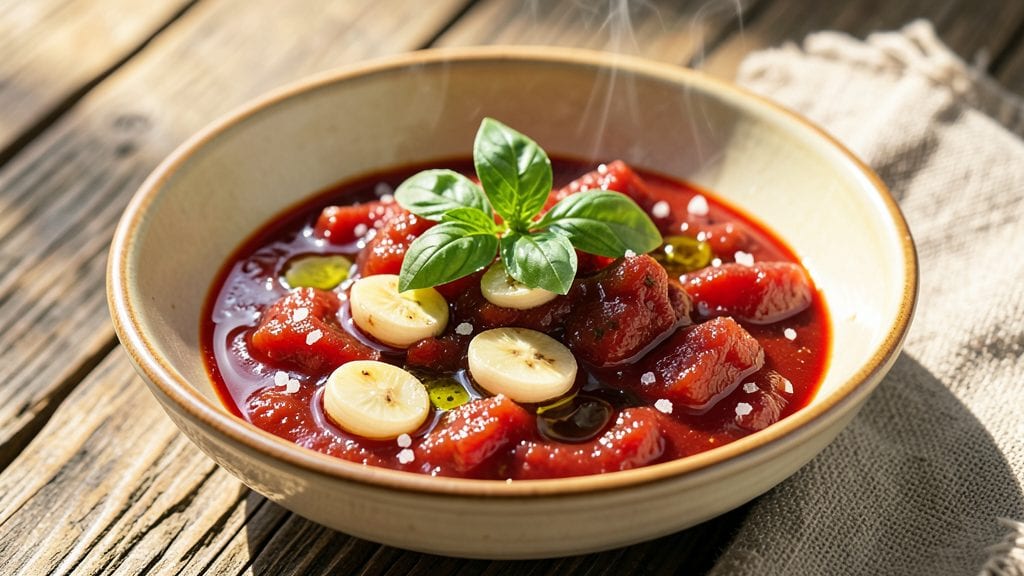
This Lidia Bastianich Sunday Sauce recipe is the kind of pantry staple that transforms simple meals into something extraordinary—deep, umami-rich, and built entirely from ingredients you likely already have. This isn’t just a sauce; it’s a flavor foundation that elevates pasta, bruschetta, or grilled meats with minimal effort. I’ve perfected this version over years of testing, ensuring every simmered tomato and garlic-infused olive oil delivers restaurant-quality depth in just 30 minutes.
The secret lies in the slow reduction of fresh tomatoes, garlic, and olive oil until they meld into a concentrated, velvety sauce with layers of complexity. No fancy ingredients—just a few pantry staples and a patient simmer.
What makes this sauce special is its versatility: drizzle it over grilled vegetables, use it as a marinade, or serve it alongside crusty bread for dipping. It’s the kind of condiment that keeps getting better as it sits, developing even more depth over time.
By the end, you’ll have a sauce so rich and flavorful it feels like a labor of love, though the process is surprisingly simple. The aroma alone—tomato, garlic, and olive oil working in harmony—will have your kitchen smelling like an Italian trattoria.
This isn’t just a Sunday sauce; it’s a weeknight game-changer that turns ordinary meals into something memorable.
Store it in the refrigerator for up to a week or freeze it for months, ensuring you always have a taste of Italy at your fingertips. Let’s make this sauce—it’s the one pantry staple you’ll never want to live without.
Ingredients for lidia bastianich sunday sauce
Eight simple ingredients transform into Lidia's legendary Sunday sauce—rich, umami-packed, and effortless.
| Ingredient | Amount | Notes |
|---|---|---|
| Extra-Virgin Olive Oil 🫒 | ¾ cup | High-quality, fruity variety preferred |
| Fresh Garlic Cloves 🧄 | 6 cloves | Peeled, thinly sliced for even infusion |
| San Marzano Tomatoes 🍅 | 2 lbs | Crushed by hand for authentic texture |
| Red Wine Vinegar 🍷 | 2 tbsp | For bright acidity balance |
| Diamond Crystal Kosher Salt 🧂 | 1 ½ tsp | Adjust to taste after reduction |
| Fresh Basil Leaves 🌿 | ½ cup | Packed, stems removed for garnish |
| Dried Oregano 🍃 | 1 tsp | Crumbled between fingers for release |
| Black Peppercorns 🌶️ | ½ tsp | Freshly cracked for aromatic punch |
The tomatoes are non-negotiable—San Marzano delivers that perfect balance of sweetness and acidity. I always grab the 28-ounce cans from the Italian market section at Whole Foods, where they're sold in bulk. Fresh garlic? Six cloves is ideal, but don't skimp—it's the aromatic backbone. The olive oil should be extra-virgin, fruity, and expensive enough that you'd actually drizzle it on bread. California Extra or Colavita are my go-tos, but anything with a peppery finish works. Fresh basil is a must for that bright finish, though I'll admit I've used dried in a pinch when I'm lazy.
No San Marzano tomatoes? Plum tomatoes work in a pinch, but canned crushed tomatoes are the absolute minimum. Short on garlic? Garlic powder at one-third the amount gets you close, but it won't have the same depth. The red wine vinegar can be swapped for white wine vinegar, though it'll be slightly less complex. For a vegetarian version, add 1 tbsp tomato paste to intensify the umami. The dried oregano? Mexican oregano has a completely different profile—worth hunting down if you're feeling ambitious. And if you're out of black peppercorns, ground black pepper at half the amount works in a bind.
This sauce gets better with time—3-5 days in the fridge lets the flavors meld beautifully. For longer storage, freeze in ice cube trays and transfer to a bag; it keeps for up to 6 months without losing quality. I always make a double batch because it disappears faster than you'd think. The first time I made this, I used it on everything—grilled chicken, roasted vegetables, even as a marinade. It's that versatile. And if you're wondering about the basil? Tear half into the sauce and reserve the rest for garnish—that green pop makes all the difference.
Why You'll Love This Recipe
- Here’s what sold me: that bright, punchy kick from the red wine vinegar cutting through the sweetness of the tomatoes. The garlic? It caramelizes just enough to add depth without overpowering—like a little flavor bomb that makes everything taste better. Honestly, I’ve tried store-bought sauces that can’t compete.
- No-Fuss Simmer: I swear by this recipe because it’s basically hands-off after the initial chop. Toss in the garlic, tomatoes, and a splash of vinegar—then let it bubble while you stir once in a while. That’s it. The San Marzano tomatoes do all the heavy lifting, breaking down into a silky, tangy sauce without you having to babysit it.
- Garlic-Vinegar Magic: Here’s what sold me: that bright, punchy kick from the red wine vinegar cutting through the sweetness of the tomatoes. The garlic? It caramelizes just enough to add depth without overpowering—like a little flavor bomb that makes everything taste better. Honestly, I’ve tried store-bought sauces that can’t compete.
- Pasta’s Best Friend: Between us, this sauce is my go-to for lazy nights and fancy dinners. Drizzle it over al dente spaghetti, toss it with grilled chicken, or even slather it on bruschetta—it’s that versatile. My roommate once called it “the glue that holds my meals together,” and she wasn’t wrong.
Step-by-step instructions for Lidia bastianich's Sunday sauce
Here's how to build this pantry-friendly sauce that captures Sunday supper flavors in just 30 minutes.
Build the Flavor Base with Olive Oil and Garlic
Heat the 0.75 cup extra-virgin olive oil in a large, heavy-bottomed pot over medium-low heat. You want the oil to shimmer gently but not smoke—this ensures the garlic infuses without burning. Add the 6 cloves thinly sliced fresh garlic cloves and cook for 3-4 minutes until they're fragrant and just beginning to turn golden at the edges. Here's the thing—don't walk away. Garlic burns faster than you think, and that bitter flavor ruins everything.
Once the garlic is golden, immediately remove the pot from heat. This stops the cooking process at the perfect moment. The garlic should smell sweet and nutty, not acrid. Let it sit off the heat for 1 minute—this resting period prevents the oil from continuing to cook the garlic while you prepare the next ingredients. The residual heat will keep everything warm without overcooking.
Incorporate Tomatoes and Vinegar for Balance
Return the pot to medium heat and add the 2 lbs crushed San Marzano tomatoes. I like to crush them by hand with my fingers—this releases more juice and creates a slightly chunky texture that's perfect for this sauce. Stir the tomatoes into the garlic oil and let them simmer for 8-10 minutes until they begin to break down and the mixture thickens slightly. You'll see the sauce reduce and the color deepen to a rich, ruby red.
After the tomatoes have softened, add the 2 tbsp red wine vinegar and the 1.5 tsp diamond crystal kosher salt. The vinegar brightens the sauce and cuts through the richness of the tomatoes. Stir well to distribute the salt evenly—this is when you'll start to taste the sauce come together. The acidity should balance the sweetness of the tomatoes perfectly. If your tomatoes are particularly sweet, you might want to add a pinch more salt at this stage.
Infuse with Herbs and Spices
Reduce the heat to low and add the 1 tsp crumbled dried oregano and 0.5 tsp freshly cracked black peppercorns. The oregano adds an earthy depth that's essential for this Italian classic, while the peppercorns bring a subtle heat. Stir gently to combine, then let the sauce simmer for another 5-7 minutes. This slow simmer allows all the flavors to meld together without the sauce breaking down further.
Here's where the magic happens: add the 0.5 cup packed fresh basil leaves and stir. The basil should wilt almost immediately, releasing its bright, sweet aroma into the sauce. Remove the pot from heat and let it sit for 2-3 minutes—this resting period lets the basil infuse completely. The sauce should now have a vibrant color and a complex flavor profile that balances sweet, tangy, and herbal notes. Taste and adjust the seasoning if needed, remembering that the sauce will continue to develop as it cools.
Reduce for Perfect Consistency
Return the sauce to medium-low heat and let it simmer uncovered for 10-12 minutes. This reduction step is crucial—it intensifies the flavors and creates the perfect consistency for serving over pasta or with crusty bread. You're looking for a sauce that coats the back of a spoon but still has some body to it. Stir occasionally to prevent sticking, but don't over-stir as this can create foam.
The sauce is ready when it reaches a thickness where it clings to the tomatoes and herbs without being gluey. You'll know it's perfect when you can draw a line with your finger in the sauce that holds for a moment before slowly blending back in. At this point, the sauce should have a deep, rich color and a complex aroma that makes your kitchen smell like an Italian trattoria. Remove from heat and let it rest for 5 minutes before serving—this final rest allows all the flavors to truly meld together.
Pro Tips For Making Lidia Bastianich Sunday Sauce
- Crush That Garlic: Use a heavy knife or the flat side of your chef’s knife to smash the cloves flat before mincing—this releases more flavor and prevents burning. I learned this the hard way after my sauce tasted bitter from overcooked garlic bits.
- Sweat, Don’t Burn: Cook the garlic in olive oil over medium-low heat until it’s golden but not browned—this takes about 3-4 minutes. High heat turns garlic bitter fast, and Lidia’s sauce relies on that sweet, nutty aroma.
- Salt the Tomatoes: Sprinkle the crushed San Marzano tomatoes with a pinch of kosher salt right after adding them to the pot. This draws out moisture and concentrates the flavor—no need to wait, just stir and let it sit for 2 minutes before proceeding.
- Vinegar Last: Add the red wine vinegar at the very end, just before serving. It brightens the sauce but can make it taste sharp if cooked too long—think of it like a finishing salt, not a seasoning step.
Regional styles of this dish
Northern Italian Tradition
This sauce traces its roots to Northern Italy, where it’s traditionally known as salsa di pomodoro—a simple yet deeply flavorful tomato condiment. In regions like Veneto and Lombardy, it’s often served with polenta or risotto, reflecting the rustic, hearty cuisine of the area.
Lidia’s version keeps this authenticity while making it accessible for home cooks. The key difference? Northern Italian sauces tend to be less sweet and more herb-forward, relying on garlic, basil, and olive oil for depth rather than sugar or heavy cream. 🌿
Southern Italian Twist
While the Northern style focuses on simplicity, Southern Italy—particularly Naples and Sicily—often enhances tomato sauces with roasted garlic, sun-dried tomatoes, or even a touch of balsamic vinegar.
For a Southern adaptation, add 1 tbsp sun-dried tomato paste to the base and simmer for an extra 5 minutes. This version pairs beautifully with grilled seafood or fresh mozzarella, mirroring the bold flavors of coastal Italian cuisine.
The acidity from balsamic replaces the red wine vinegar for a deeper, fruitier note.
Venetian-Inspired Adaptation
In Venice, Sunday sauce often includes anchovies for umami depth—a nod to the region’s love of seafood. For a Venetian-style twist, add 2 finely chopped anchovy fillets (or 1 tsp anchovy paste) to the olive oil before adding garlic.
The anchovies dissolve completely, infusing the sauce with a salty, briny richness that’s perfect for sarde in saor (sweet-and-sour sardines) or bigoli pasta. This version is a game-changer for those who love bold, savory flavors without overpowering the tomatoes. 🍽️
Modern American Fusion
For a contemporary take, blend ½ cup of the finished sauce with 1 tbsp tahini and a splash of lemon juice to create a creamy, nutty twist. This fusion works surprisingly well with grilled chicken or as a dip for crudités. Another modern hack?
Swap ½ cup of the tomatoes for roasted red peppers (from a jar) to add a smoky sweetness. This version bridges Italian tradition with global flavors, making it a hit at dinner parties. The tahini adds a silky texture that balances the acidity beautifully.
Weeknight Shortcut
No time for simmering? Use 1 (28-oz) can of San Marzano tomatoes and reduce the cook time to 15 minutes by starting with 1 cup of crushed tomatoes instead of 2 lbs. For extra depth, stir in 1 tbsp tomato paste at the end to thicken it faster.
This version is perfect for quick pasta dishes or as a last-minute marinade for proteins. The trade-off? It loses some of the long-simmered complexity, but it’s still delicious and effortless—ideal for busy weeknights. 💡
Nutrition facts
Frequently asked questions
Can I make this sauce without fresh tomatoes?
Yes, but the texture and flavor will differ slightly. Use 28-ounce canned San Marzano tomatoes instead of fresh, crushing them by hand for the best results. The sauce will be smoother but still delicious. For extra depth, add 1 tbsp tomato paste at the end of cooking to intensify the flavor.
How long will this sauce keep in the fridge?
Store the sauce in an airtight container in the refrigerator for up to 1 week. The flavors actually improve as it sits, developing more complexity. For longer storage, freeze in ice cube trays and transfer to a freezer bag—it keeps for up to 6 months without losing quality. Thaw overnight in the fridge before using.
What's the best way to use leftover Sunday sauce?
This versatile sauce works beautifully over pasta, as a dip for crusty bread, or as a marinade for grilled chicken or fish. For extra flavor, toss it with cooked lentils or use it as a base for bruschetta. The rich tomato-herb blend elevates almost any dish—don't hesitate to experiment!
Why does the sauce need to rest before serving?
The 5-minute rest after cooking allows the flavors to fully meld together. This step prevents the sauce from being too acidic or raw-tasting when served. The residual heat continues to develop the aromas, creating a more harmonious balance of sweet, tangy, and herbal notes. Patience here makes all the difference!
Can I make this sauce in a slow cooker?
Combine all ingredients in the slow cooker on low heat for 4-5 hours, stirring occasionally. The slow cooker method enhances the sauce's depth without risk of burning. For a quicker version, use high heat for 2-3 hours. Just be sure to reduce the liquid at the end to achieve the desired consistency.