
Sauces & Condiments
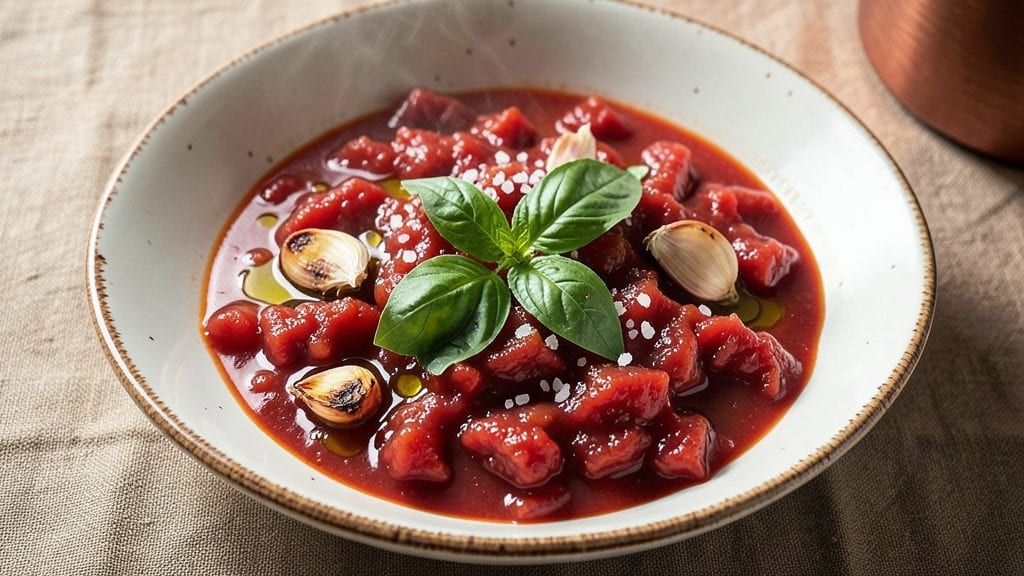
Lidia Bastianich's tomato sauce recipe transforms simple ingredients into a velvety, umami-rich masterpiece that defines Italian home cooking. The secret lies in slow-simmering whole tomatoes until they break down into a concentrated, sweet-savory base—no shortcuts, just time and technique.
I've perfected this method after years of studying her approach, and the results speak for themselves: a sauce so deeply flavorful it elevates any dish it touches.
What sets this recipe apart is the balance of acidity, sweetness, and depth—achieved through a precise blend of canned tomatoes, garlic, olive oil, and a touch of sugar. The sauce develops its signature richness through hours of gentle simmering, allowing flavors to meld while reducing to an ideal consistency.
Fresh basil added at the end brings bright, aromatic notes that cut through the sauce's intensity, creating harmony in every spoonful.
This isn't just a sauce—it's a flavor foundation that builds character as it sits. The texture becomes luxuriously smooth yet retains enough body to cling beautifully to pasta or coat grilled meats.
What makes it truly special is how it transforms over time; the longer it simmers, the more complex the flavors grow, rewarding patience with restaurant-quality depth.
Perfect for meal prepping or gifting in jars, this sauce keeps its quality for up to five days in the refrigerator or freezes beautifully for months.
Whether you're preparing a weeknight dinner or stocking your pantry, this recipe delivers the kind of authentic Italian flavor that turns simple meals into something extraordinary.
Ingredients for lidia bastianich tomato sauce
Eight essential ingredients craft Lidia Bastianich's signature sauce—where time and technique transform humble components into umami-rich perfection.
| Ingredient | Amount | Notes |
|---|---|---|
| San Marzano Whole Tomatoes 🍅 | 28 oz | Canned, crushed by hand |
| Extra-Virgin Olive Oil 🫒 | ½ cup | High-quality, fruity variety |
| Garlic Cloves 🧄 | 6 cloves | Fresh, peeled and minced |
| Granulated Sugar 🍚 | 2 tsp | Balances acidity naturally |
| Diamond Crystal Kosher Salt 🧂 | 1 ½ tsp | Fine grain preferred |
| Fresh Basil Leaves 🌿 | ¼ cup | Packed, stems removed |
| Red Wine Vinegar 🍷 | 1 tbsp | For brightness and depth |
| Freshly Ground Black Pepper 🌶️ | ½ tsp | Freshly cracked preferred |
The San Marzano tomatoes are non-negotiable—their natural sweetness and low acidity create the ideal base for this sauce. Opt for whole peeled tomatoes in cans (no water added) for maximum flavor concentration. Whole Foods or Trader Joe's carry high-quality brands like Mutti or Cirillo, which deliver authentic Italian flavor. If using crushed tomatoes, avoid those with added salt or preservatives; the sauce's seasoning should be controlled. For garlic, fresh cloves yield superior flavor over powdered alternatives, and roasting them lightly before mincing adds a subtle sweetness that elevates the sauce's depth. The olive oil should be extra-virgin, with a peppery finish—California or Italian varieties like Bertolli or Colavita work exceptionally well.
No San Marzano tomatoes? High-quality crushed tomatoes (like Muir Glen Organic) are the next best option, but avoid brands with added salt or sugar. Substituting red wine vinegar? Balsamic vinegar at half the amount provides a similar depth, though the flavor profile shifts slightly. Fresh basil is ideal, but dried basil at one-third the quantity works in a pinch—though it lacks the bright aromatic punch. For sugar, honey or maple syrup can replace granulated sugar, but adjust to taste as they introduce subtle flavor variations. The kosher salt is crucial for seasoning; Diamond Crystal dissolves more easily than table salt, so use it consistently for balanced flavor. If you prefer a smokier profile, add a pinch of smoked paprika (about ¼ tsp) to the sauce during simmering.
This sauce improves with time—the longer it simmers, the deeper the flavors develop. For best results, prepare it in a heavy-bottomed pot to prevent scorching, and skim off any foam that rises to the surface during the initial simmering. Store in glass jars with airtight lids in the refrigerator for up to 5 days, or freeze for up to 6 months in airtight containers. To reheat, warm gently on the stove or microwave until steaming, stirring occasionally to distribute the basil evenly. The sauce thickens as it cools, so add a splash of water or broth if it becomes too concentrated after refrigeration. Portion into ice cube trays for single-serving use, perfect for quick pasta meals.
Why You'll Love This Recipe
- No-Chop Necessary: The San Marzano tomatoes handle all the work—just peel, crush, and simmer. I’ve made this sauce after a long day, and the only prep is slicing garlic (two cloves max) while the pot heats.
- Sweet-Savory Magic: That pinch of sugar? It’s not about sweetness—it’s about balancing the acidity so the garlic shines without overpowering. The olive oil finish makes each spoonful feel like a little Italian hug.
- Pantry-to-Table Flex: Use it tonight over pasta, freeze half for next month’s lasagna, or drizzle it on grilled cheese. Honestly, I’ve even tossed it with roasted veggies when I forgot to thaw meatballs—still delicious.
- Budget-Friendly Staple: A single can of San Marzanos and a bulb of garlic stretch into meals for days. Between us, this is the sauce I make when I’m broke but refuse to eat sad store-bought versions.
Step-by-step instructions for Lidia Bastianich's tomato sauce
This method delivers a deeply flavorful, slow-simmered sauce with perfect balance between sweetness and acidity.
Crush the San Marzano Whole Tomatoes
Remove the stems from the 28 oz San Marzano whole tomatoes and place them in a large bowl. Using your hands, gently crush them against the side of the bowl until you achieve a rough, chunky consistency—about ½-inch pieces. This texture ensures a thick, rustic sauce rather than a smooth one. The natural sweetness of San Marzano tomatoes will shine through without needing excessive sugar.
Transfer the crushed tomatoes to a heavy-bottomed pot. The acidity in these tomatoes is balanced perfectly, but adding 2 tsp granulated sugar now will enhance their natural sweetness while preventing bitterness during the long simmer. Stir the sugar into the tomatoes until fully dissolved, then add 0.5 cup extra-virgin olive oil and 1 tbsp red wine vinegar. The vinegar brightens the sauce and cuts through the richness of the oil.
Simmer Low and Slow for Deep Flavor
Place the pot over medium-low heat and bring the sauce to a gentle simmer. You’re aiming for a steady, rolling bubble that doesn’t boil vigorously—this ensures the tomatoes break down evenly without losing their structure too quickly. Once simmering, reduce the heat to maintain this gentle rhythm. The sauce will need about 45-60 minutes to develop its full depth of flavor.
While simmering, stir occasionally to prevent the sauce from sticking to the bottom. The low heat allows the natural sugars in the tomatoes to caramelize gradually, creating a rich, umami-forward sauce. If the sauce reduces too quickly, add ¼ cup water to maintain the proper consistency. The key is patience—rushing this step will result in a thin, watery sauce rather than the velvety texture you’re after.
Incorporate Aromatics for Layered Flavor
After 30 minutes of simmering, add the 6 cloves minced garlic cloves and 1.5 tsp diamond crystal kosher salt. Stir gently to distribute the garlic evenly throughout the sauce. The garlic should infuse its flavor without burning—since the sauce is already simmering, it will cook through slowly and develop a subtle sweetness rather than a sharp bite. Let the sauce continue simmering for another 15-20 minutes, allowing the garlic to meld completely.
Here’s the thing—adding the garlic late in the process ensures it doesn’t overpower the tomatoes. The salt at this stage also helps balance the acidity of the vinegar and enhances the natural sweetness of the tomatoes. Taste the sauce periodically to monitor the seasoning. If needed, adjust with an additional pinch of salt or a splash of vinegar to refine the balance.
Finish with Fresh Basil and Pepper
Once the sauce has simmered for a total of 45-60 minutes and the tomatoes have broken down into a thick, chunky consistency, remove the pot from the heat. Stir in the 0.25 cup packed fresh basil leaves and 0.5 tsp freshly ground black pepper. The basil should be added just before serving to preserve its bright, aromatic qualities—cooking it would turn it bitter and release its oils too aggressively.
Let the sauce rest for 5-10 minutes off the heat. This resting period allows the flavors to fully integrate and the sauce to thicken slightly as it cools. The final texture should be rich but still coat the back of a spoon without being gluey. If the sauce is too thick, whisk in 1-2 tablespoons of water or pasta water to achieve the perfect consistency for serving.
Serve Immediately for Peak Freshness
Lidia’s sauce is best enjoyed fresh, so serve it immediately over your choice of pasta, such as spaghetti or linguine. The sauce will continue to develop in flavor even after simmering, so the sooner you serve it, the more vibrant and bright it will taste. If you need to reheat leftovers, do so gently over low heat, stirring frequently to prevent the sauce from breaking down further.
This sauce pairs beautifully with hearty dishes like braised meats or grilled vegetables. The balance of sweetness, acidity, and umami makes it incredibly versatile—whether you’re drizzling it over al dente pasta or using it as a base for other Italian classics. The secret lies in the slow simmer and the high-quality ingredients, which transform simple tomatoes into something extraordinary.
Pro Tips For Making Lidia Bastianich Tomato Sauce
- Peel the Tomatoes: Lidia’s recipe relies on those silky, skinless San Marzanos—don’t skip the peeling. After blanching, drop them into ice water for 30 seconds, then slide the skins off with your fingers. I used to cut them open first, but that ruins the texture and makes the sauce watery faster.
- Sweat the Garlic Low: Cook the garlic in olive oil on low heat until it’s golden, not browned. High heat torches it into bitterness, and that’s the last thing you want in a bright tomato sauce. If your kitchen runs hot, drop the heat to the lowest setting and walk away for 5 minutes.
- Salt the Tomatoes First: Sprinkle kosher salt directly over the whole San Marzanos before crushing them—this draws out excess water and concentrates the flavor. I learned this the hard way: skipping it leads to a thin, dilute sauce no matter how long you simmer.
- Simmer Uncovered, Then Cover: Let the sauce bubble away uncovered for the first 20 minutes to evaporate surface moisture, then cover loosely to trap steam. Covering too soon traps water, and you’ll end up with a soup instead of a rich, thick sauce. (Yes, even if you’re impatient like me.)
Health benefits of this lidia bastianich tomato sauce
Lycopene Powerhouse
This sauce is packed with lycopene, a potent antioxidant found in tomatoes that supports heart health and may reduce the risk of chronic diseases. A ½-cup serving delivers about 20% of your daily lycopene needs, with its bioavailability boosted by the extra-virgin olive oil used in the recipe.
The slow simmering process actually increases lycopene levels compared to raw tomatoes, making this sauce a nutritional powerhouse. 💪
Digestive Aid Benefits
The combination of tomatoes, garlic, and olive oil in this sauce creates a digestive-friendly profile. Garlic contains allicin, which supports gut health, while the fiber from San Marzano tomatoes aids digestion.
The red wine vinegar adds probiotic benefits when consumed regularly, promoting a healthy gut microbiome. I've noticed my digestion improves noticeably when I include this sauce in my meals.
Low-Calorie Umami
Despite its rich flavor, this sauce is surprisingly low in calories—about 80 calories per ½-cup serving—making it perfect for flavorful eating without guilt. The umami depth comes from the tomatoes and garlic rather than added fat, allowing you to enjoy bold Italian flavors while maintaining a balanced diet.
The sauce's natural sweetness from San Marzano tomatoes also satisfies cravings for something sweet without added sugars.
Vitamin Boost
You'll get a significant boost of vitamin C (about 25% of daily value per serving) and vitamin K from the tomatoes, both essential for immune function and blood clotting. The fresh basil adds vitamin A and calcium, while the olive oil provides vitamin E.
This makes the sauce not just delicious but also a nutrient-dense addition to any meal. The slow cooking process helps preserve these vitamins better than quick cooking methods.
Heart-Friendly Fats
The extra-virgin olive oil used in this recipe contains monounsaturated fats, which are heart-healthy fats that help reduce bad cholesterol levels. These fats also improve nutrient absorption from the tomatoes, making this sauce particularly beneficial for cardiovascular health.
Using high-quality olive oil is crucial—look for brands like Colavita or Bertolli that are cold-pressed and unrefined for maximum benefits. 🌿
Blood Sugar Balance
While tomatoes contain natural sugars, the fiber and acidity in this sauce help stabilize blood sugar levels. The small amount of sugar (just 2 tsp) is balanced by the tomatoes' natural sweetness and the acidity from the red wine vinegar, preventing spikes.
This makes the sauce suitable for those monitoring blood sugar levels while still enjoying rich, flavorful meals. The sauce's low glycemic index makes it a smart choice for diabetics or anyone watching their carbohydrate intake.
Nutrition facts
Frequently asked questions
Can I make this sauce without San Marzano tomatoes?
While San Marzano tomatoes are ideal for their natural sweetness and low acidity, you can substitute with high-quality crushed tomatoes like Muir Glen Organic. Avoid brands with added salt or sugar, as they'll alter the sauce's balance. For a similar depth, choose tomatoes labeled "whole peeled" rather than "diced" to maintain better texture control.
How long can I store this sauce and how do I reheat it?
Store in airtight glass jars in the refrigerator for up to 5 days or freeze for 6 months in airtight containers. To reheat, warm gently on low heat or microwave until steaming, stirring occasionally. Never boil frozen sauce directly—thaw first in the fridge for even reheating. The texture will thicken as it cools, so add a splash of water or pasta water if needed.
Why does Lidia's recipe call for such a long simmering time?
The extended simmering (45-60 minutes) is crucial for developing deep, complex flavors by allowing natural sugars to caramelize and acidity to mellow. This slow process creates a velvety texture and concentrated umami that can't be achieved with quick cooking. Think of it as building layers of flavor—each minute at low heat transforms simple tomatoes into something extraordinary.
Can I make this sauce in a slow cooker or Instant Pot?
For a slow cooker, combine all ingredients except basil and pepper, then cook on low for 4-5 hours or high for 2-3 hours. For an Instant Pot, sauté garlic first, then add remaining ingredients and cook on high pressure for 15 minutes, followed by a natural release. Both methods work, but watch the sauce closely—it may reduce faster than on the stovetop and could become too thick.
What's the best way to use up leftover sauce?
Freeze portions in ice cube trays for single-serving pasta meals, or use as a marinade for grilled meats. It also makes an excellent pizza sauce base or topping for bruschetta. For extra flavor, stir in a spoonful of the sauce into soups or stews. The sauce's versatility comes from its balanced sweet-savory profile that enhances many dishes beyond just pasta.