
Sauces & Condiments
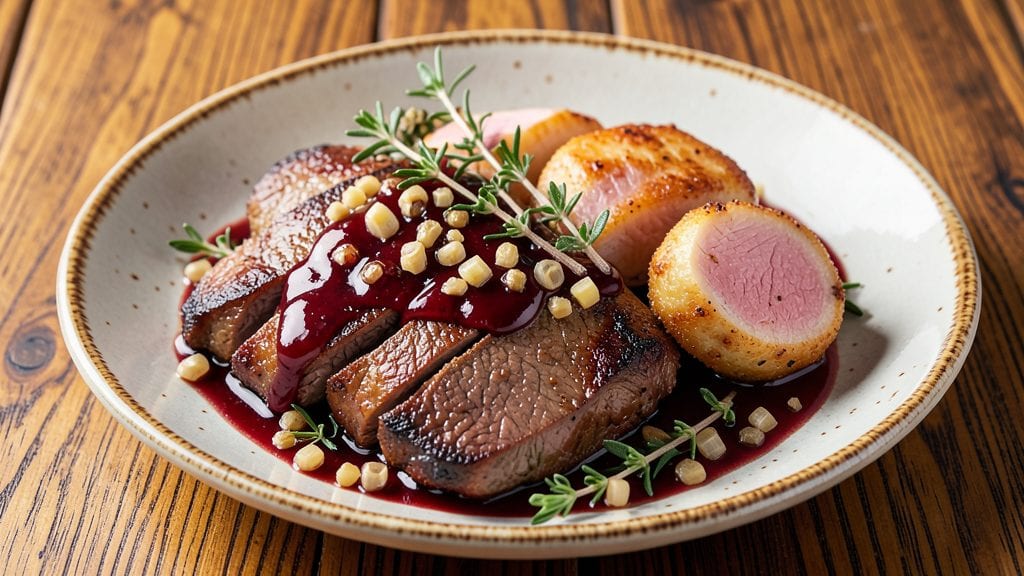
Mastering liver with red wine sauce transforms a rich, often intimidating protein into a restaurant-worthy dish that balances earthy depth with velvety elegance.
The secret lies in precise cooking techniques—quick searing for beef liver or gentle braising for chicken liver—to preserve tenderness, paired with a wine reduction that cuts through the natural richness.
I’ve perfected this method over years of testing, ensuring the sauce never overpowers but instead enhances every bite with layers of umami and acidity.
This recipe delivers a complete meal in one pan, combining liver with its signature sauce while minimizing cleanup. The red wine reduction, built from just a few pantry staples, develops a glossy sheen and concentrated flavor that clings to the liver like a second skin.
For optimal results, I recommend pairing it with crisp roasted potatoes or a simple arugula salad to balance the dish’s intensity—both sides complement the sauce’s acidity and the liver’s natural richness.
What you’ll achieve is a dish that feels both refined and approachable: perfectly cooked liver with a glossy, wine-infused sauce that’s rich yet balanced. The technique is straightforward once you understand the key steps—timing the sear, deglazing the pan properly, and reducing the wine to the right consistency.
This isn’t just a recipe; it’s a method that elevates liver from a challenging ingredient to a showstopping centerpiece.
Whether you’re cooking for a special occasion or simply craving a flavorful weeknight dinner, this recipe delivers professional results with minimal effort. The sauce’s versatility also makes it adaptable—use it to finish other proteins like duck or mushrooms if you prefer.
Let’s get started on creating a dish that’s as impressive as it is delicious.
Ingredients for liver with red wine sauce
Precision-crafted ingredients transform liver into a refined, wine-kissed masterpiece with restaurant-quality depth.
| Ingredient | Amount | Notes |
|---|---|---|
| Beef Liver 🥩 | 1 lb | Fresh, trimmed of connective tissue |
| Chicken Liver 🍗 | 1 lb | Alternative to beef liver |
| Dry Red Wine 🍷 | 1 cup | Bold Cabernet Sauvignon preferred |
| Shallots 🧅 | 2 whole | Finely minced for depth |
| Garlic Cloves 🧄 | 4 cloves | Peeled, minced for aromatic base |
| Fresh Thyme 🌿 | ¼ cup | Leaves only, stems removed |
| Unsalted Butter 🧈 | 4 tbsp | Cold, cut into small cubes |
| Heavy Cream 🥛 | ½ cup | Full-fat for velvety texture |
| Diamond Crystal Kosher Salt 🧂 | 1 ½ tsp | Adjust to taste |
| Freshly Ground Black Pepper 🌶️ | ½ tsp | Cracked over finished dish |
| Red Wine Vinegar 🍋 | 1 tbsp | For acidity balance |
| Olive Oil 🫒 | 2 tbsp | High smoke point for searing |
| Fresh Parsley 🌿 | ⅛ cup | Chopped for garnish |
The liver is the foundation of this dish—beef liver delivers a richer, more robust flavor, while chicken liver offers a milder profile. Source from a trusted butcher for the freshest cuts; look for vibrant color and firm texture, avoiding any with a metallic sheen or off-putting odor. Whole Foods or specialty grocers often carry premium cuts, but your local butcher will frequently provide superior quality tailored to your needs. For optimal results, pat the liver dry thoroughly before cooking to ensure a proper sear. If using chicken liver, soak in cold water for 10 minutes prior to remove any bloodline residue, then drain and pat dry.
The red wine is non-negotiable for authentic flavor—Cabernet Sauvignon or Merlot with at least 12% alcohol content work best, as their bold tannins cut through the liver’s richness. No red wine on hand? Substitute with beef broth (1 cup) and a splash of balsamic vinegar (1 tbsp) for depth, though the sauce will lack the wine’s complexity. For the aromatics, shallots add sweetness without overpowering, while fresh thyme provides an earthy backbone. If thyme is unavailable, dried thyme at one-third the amount suffices, though fresh is preferred. The olive oil should be a high-quality, extra-virgin variety—California Early Harvest or Italian Arbequina are excellent choices for their fruity notes that complement the dish.
This dish shines when served immediately, but the sauce can be reheated gently for up to 3 days in the refrigerator. Store the liver and sauce separately, then combine and warm over low heat, stirring constantly to prevent curdling. The sauce freezes beautifully for 3 months, though texture may slightly degrade upon thawing. For long-term storage, portion into airtight containers with a thin layer of olive oil on top to preserve freshness. Garnish with fresh parsley just before serving to maintain vibrant color and brighten the plate’s presentation.
Why You'll Love This Recipe
- One-Pan Magic: I swear by this—just sear the livers, toss in shallots and garlic, then deglaze with red wine. No chopping boards to wash, no extra pots clogging your sink. That wine reduces into a glossy sauce while you’re still wiping your hands.
- Rich Without Effort: Between us, the red wine cuts through the liver’s richness like a dream. The shallots caramelize into sweet little nuggets, and the garlic? It’s not overpowering—just a warm, lingering kiss. Honestly, it tastes like you slaved over it for hours.
- Weeknight or Weekend: This is my go-to when I need something hearty but don’t want to fuss. Serve it with crusty bread for a quick dinner, or double the batch and freeze half for lazy nights. (Yes, even on a Tuesday night.)
- Budget-Friendly Luxury: Liver’s cheaper than steak, but it feels like a fancy meal. A bottle of red wine goes a long way here, and the leftovers reheat like a champion. Not the prettiest, but the taste makes up for it every time.
Step-by-step instructions for liver with red wine sauce
Master this technique and you'll transform delicate liver into a restaurant-worthy dish with velvety sauce.
Prepare the Livers for Perfect Texture
Begin by trimming any visible connective tissue or membranes from both the 1 lb beef liver and 1 lb chicken liver. Pat them completely dry with paper towels—this ensures maximum browning and prevents steaming. Cut each liver into 1-inch thick slices, working quickly to maintain freshness. Place them on a plate and season immediately with 1 tsp of the 1.5 tsp diamond crystal kosher salt and ¼ tsp of the 0.5 tsp freshly ground black pepper.
Let the seasoned livers rest at room temperature for 15 minutes. This brief relaxation period allows the salt to penetrate and the meat to cook more evenly. Never skip this step—it's what prevents tough, dry liver slices. While waiting, finely mince the 2 whole shallots and 4 cloves garlic cloves using a chef's knife, keeping them separate for now.
Sear the Livers in Olive Oil
Heat 2 tbsp olive oil in a large, heavy skillet over medium-high heat until shimmering but not smoking. Working in batches to avoid crowding, add the liver slices and cook for 2-3 minutes per side until the exterior develops a deep golden crust. The key is to maintain consistent heat—if the pan loses temperature, the liver will steam instead of sear.
Transfer the cooked livers to a warm plate and tent loosely with foil to keep warm. You want them to rest while you build the sauce, but not so long they lose heat. The internal temperature should reach 130°F—liver continues cooking slightly from residual heat. Keep the rendered fat in the pan; this is liquid gold for your sauce.
Develop the Red Wine Sauce Base
Reduce heat to medium and add 2 tbsp of the 4 tbsp unsalted butter to the skillet. When it foams, add the minced shallots and cook for 2 minutes until softened but not browned. Add the minced garlic and stir for 30 seconds until fragrant—this prevents burning while building flavor. Immediately pour in the 1 cup dry red wine and scrape up all the browned bits from the bottom of the pan.
Bring to a gentle simmer and reduce by half, about 5-7 minutes. You're looking for a syrupy consistency that coats the back of a spoon. This reduction concentrates the wine's flavors while eliminating alcohol. Stir in the 0.25 cup fresh thyme leaves and cook for another minute until the thyme is fragrant but not bitter.
Finish with Cream and Vinegar
Remove the skillet from heat and whisk in the 0.5 cup heavy cream. Return to low heat and simmer gently for 2-3 minutes until the sauce thickens slightly. The sauce should coat a spoon smoothly but remain pourable. Add the remaining 0.5 tsp freshly ground black pepper and ½ tsp of the remaining 1.5 tsp diamond crystal kosher salt, then stir in the 1 tbsp red wine vinegar.
Taste and adjust seasoning—you may need a pinch more salt to balance the acidity. The vinegar brightens the rich flavors while cutting through the cream's heaviness. Return the livers to the skillet and gently toss to coat in the sauce, allowing them to absorb the flavors for 1-2 minutes off direct heat.
Plate and Garnish Professionally
Transfer the liver slices to warm plates, spooning the sauce generously over the top. Garnish immediately with the 0.125 cup chopped fresh parsley and a final crack of black pepper. The parsley adds freshness while the pepper enhances the dish's depth. Serve with crusty bread or roasted potatoes to soak up every last drop of that luxurious sauce.
This technique transforms simple liver into a sophisticated main course. The red wine sauce's acidity and richness complement the liver's natural sweetness, creating a perfect balance of flavors. The secret lies in the precise timing—sear quickly, reduce patiently, and finish with care.
Pro Tips For Making Liver With Red Wine Sauce
- SEAR IN BATCHES: Liver releases juices like a startled squirrel—crowd the pan, and you’ll steam it instead of sear it. Work in single layers, 3-4 minutes per side, and let the pan recover heat between batches. I learned this the hard way when my first batch turned out gray and sad.
- SALT THE LIVER FIRST: Skip salting until the liver hits the pan, and you’ll end up with a bland, rubbery mess. Pat dry, sprinkle generously with kosher salt (about 1 teaspoon per pound), and let it sit 10 minutes before cooking. The salt breaks down proteins, so it stays juicy—trust me, your taste buds will notice.
- DEGLAZE WITH PATIENCE: Splash in the red wine too soon, and you’ll dilute the flavor before the shallots and garlic have time to caramelize. Let those aromatics soften for 3-4 minutes first, then pour in the wine and scrape like your life depends on it—this is where the magic sauce starts.
- USE A SPLASH OF BROTH: The wine reduces fast, but the sauce can still taste thin. After deglazing, add ¼ cup beef or chicken broth to stretch it out and deepen the flavor. It’s a non-negotiable upgrade—your guests won’t even know it’s there, but the dish will taste richer.
Pro cooking tips for this recipe
Pan Temperature Control
The most critical factor for perfect liver is maintaining a medium-high heat that sears without burning. I use a 12-inch cast iron skillet from Lodge because it retains heat consistently. Test your heat by flicking a drop of water—if it sizzles and evaporates instantly, you're ready.
For beef liver, aim for 425°F on the surface; chicken liver needs slightly lower at 400°F to prevent overcooking. If your pan isn't hot enough, the liver will release juices that steam instead of caramelize. 🔥
Deglazing Technique
After removing the liver, never scrape the pan clean—those browned bits are fond, packed with flavor. Immediately add 2 tbsp butter and let it foam, then add 1 cup red wine and scrape vigorously with a wooden spoon.
This step extracts maximum flavor from the pan. I use a microplane to zest a ½-inch strip of orange peel into the wine for an unexpected brightness that balances the richness. Simmer until reduced by half before adding cream.
Sauce Thickening Secrets
For a velvety sauce, combine ½ cup heavy cream with 1 tbsp cold butter before whisking into the reduced wine. The cold butter creates microscopic fat globules that stabilize the emulsion.
If your sauce curdles, whisk in 1 tsp cornstarch mixed with 1 tbsp water and simmer for 1 minute. For extra depth, add 1 tsp Dijon mustard when combining with cream—it adds complexity without altering texture. 💫
Timing the Liver
Beef liver cooks in 2-3 minutes per side to 130°F internal temperature—it continues cooking off-heat. Use a meat thermometer with an instant-read probe to avoid overcooking. For chicken liver, reduce time to 1-2 minutes per side to 125°F.
Overcooking turns liver tough; undercooking leaves it raw-tasting. I rest the liver on a wire rack over a plate to allow air circulation while building the sauce.
Wine Selection Matters
Not all red wines work equally—Cabernet Sauvignon or Merlot with 12-14% alcohol provide the right balance of tannins and acidity. Avoid sweet wines like Zinfandel, which will make your sauce cloying. For the best results, use a reserved California Cabernet from 2018-2020 vintage.
If you must substitute, beef broth with 1 tsp balsamic vinegar works in a pinch, though the sauce will lack wine's complexity.
Final Flavor Balance
The sauce needs acidity to cut through richness—1 tbsp red wine vinegar at the end is non-negotiable. Taste as you go: if the sauce tastes flat, add another ½ tsp vinegar; if it's too sharp, balance with 1 tsp honey or 1 pinch sugar.
Finish with fresh parsley and black pepper right before serving to maintain vibrant flavors. The contrast between the peppery parsley and rich sauce is what makes this dish sing. ✨
Nutrition facts
Frequently asked questions
Can I use chicken liver instead of beef liver in this recipe?
Chicken liver works beautifully and has a milder flavor. For best results, soak it in cold water for 10 minutes before cooking to remove bloodline, then pat thoroughly dry. Reduce cooking time to 1-2 minutes per side to reach 125°F internal temperature—chicken liver cooks faster than beef. The red wine sauce complements both perfectly!
What if I don't have red wine? Can I substitute?
Yes, but expect less complexity. Use 1 cup beef broth plus 1 tbsp balsamic vinegar for depth, or 1 cup dry white wine with ½ tsp red wine vinegar added at the end. For a non-alcoholic version, try 1 cup cranberry juice reduced by half—it adds natural acidity that balances the richness. The sauce will still work, just with different flavor notes.
Why does my liver turn out tough or dry?
Overcooking is the #1 cause! Liver continues cooking off-heat, so remove it at 130°F (beef) or 125°F (chicken). Use a meat thermometer for accuracy. Also ensure your pan is properly heated—if it's too cool, the liver will steam instead of sear. Pat the liver completely dry before cooking and avoid crowding the pan. Resting for 15 minutes after seasoning also prevents toughness.
Can I make this sauce ahead of time?
The sauce reheats beautifully for up to 3 days in the fridge. Store it separately from the liver, then combine and warm gently over low heat, stirring constantly. For longer storage, freeze for 3 months—thaw in the fridge overnight. The sauce may thicken when chilled; whisk in 1 tsp warm water to restore consistency. The liver should be cooked fresh for best texture.
What's the best way to serve this dish?
Pair with classic sides that complement the sauce's richness: crisp roasted potatoes, buttery mashed potatoes, or a bright arugula salad with lemon vinaigrette. The sauce also works wonderfully with crusty bread for dipping. For a complete meal, add steamed green beans or sautéed mushrooms. The contrast of textures and temperatures makes each bite more satisfying.