
Sauces & Condiments
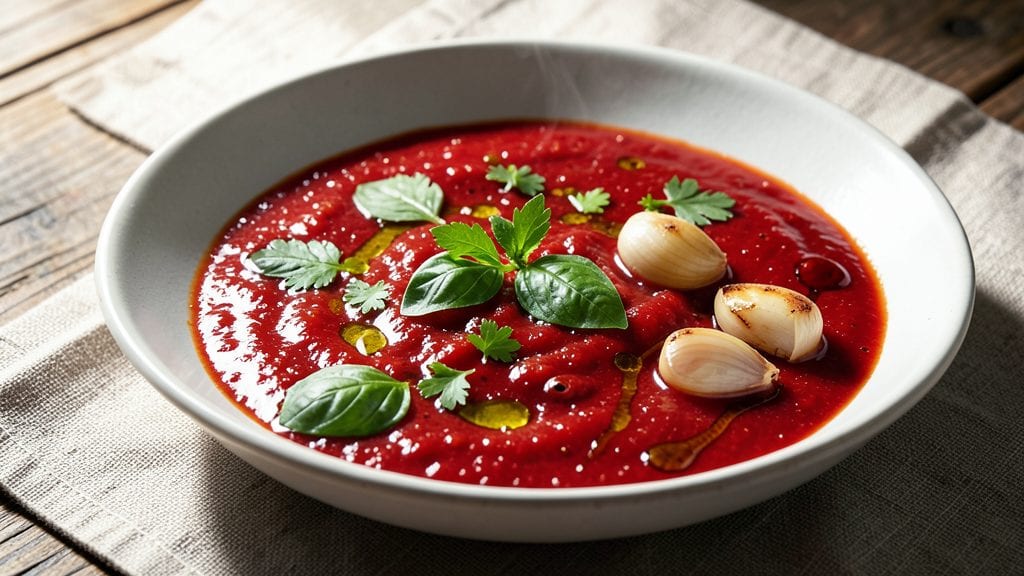
This Livornese sauce recipe transforms simple pantry staples into a bold, umami-rich sauce that elevates everything from pasta to seafood. The secret lies in slow-cooked tomatoes, salty anchovies, and fragrant garlic—simmered until they meld into a velvety, savory paste.
I developed this version after years of perfecting the balance between sweetness and depth, ensuring every spoonful delivers authentic Italian flavor without the guesswork.
The sauce begins with a base of crushed tomatoes and anchovies, which dissolve into the oil to create an intense, salty foundation. Garlic and herbs infuse the mixture as it simmers, while a touch of sugar caramelizes the acidity, rounding out the flavors.
Unlike store-bought versions, this recipe builds complexity through time—no shortcuts, just layers of taste that develop with every minute on the stove.
What you’ll end up with is a smooth, glossy sauce with a perfect balance of saltiness, sweetness, and herbal brightness. It coats pasta like a second skin, clings to grilled fish or shrimp, and even transforms simple roasted vegetables into a restaurant-worthy side.
The texture is neither watery nor thick—just right for dipping, drizzling, or tossing.
This sauce keeps well in the fridge for up to a week, making it ideal for meal prep or gifting. Pair it with linguine, drizzle it over grilled octopus, or use it as a marinade for chicken.
The possibilities are endless, but the technique is straightforward—just patience and attention to detail. Let’s get cooking.
Ingredients for livornese sauce
Pantry staples and fresh herbs transform into this velvety, umami-rich Livornese sauce.
| Ingredient | Amount | Notes |
|---|---|---|
| Extra-Virgin Olive Oil 🫒 | ½ cup | High-quality, fruity variety preferred |
| Canned San Marzano Tomatoes 🍅 | 1 can | 28 oz can, crushed by hand |
| Anchovy Fillets 🐟 | 4 oz | High-quality, salt-packed preferred |
| Garlic Cloves 🧄 | 6 cloves | Fresh, peeled, thinly sliced |
| Fresh Basil Leaves 🌿 | ½ cup | Packed, stems removed |
| Fresh Parsley Leaves 🌿 | ¼ cup | Chopped, flat-leaf preferred |
| Granulated Sugar 🍯 | 1 tbsp | For balancing acidity |
| Diamond Crystal Kosher Salt 🧂 | 1 tsp | Fine grain preferred |
| Red Wine Vinegar 🍷 | 1 tbsp | For brightness and depth |
| Ground Black Pepper 🌶️ | ½ tsp | Freshly cracked preferred |
The quality of your olive oil and tomatoes is non-negotiable here. San Marzano tomatoes from Italy are the gold standard—their natural sweetness and low acidity create the ideal base. For anchovies, salt-packed fillets (like those from Cicciolina) dissolve beautifully, infusing the sauce with authentic depth. Fresh garlic and herbs should be vibrant—no wilted or yellowing leaves. If you're shopping at Whole Foods or a specialty market, look for the freshest produce in the refrigerated section. The sugar balances the acidity, so opt for organic cane sugar if you're particular about purity.
No San Marzano tomatoes? High-quality crushed tomatoes are acceptable, but avoid the watery brands. Substituting anchovies? High-quality fish sauce at half the amount works in a pinch, though it lacks the same umami complexity. Fresh herbs can be swapped for dried at a one-third ratio, but fresh basil and parsley are essential for that bright, aromatic finish. The red wine vinegar adds a subtle tang—substitute balsamic vinegar if needed, though it will alter the flavor profile slightly. For a smoother texture, blend the sauce after simmering, but traditionalists prefer the rustic, slightly chunky consistency.
This sauce develops flavor over time, so reheat gently to preserve its velvety texture. It stores beautifully in the refrigerator for up to 7 days, with flavors deepening as it rests. For longer storage, freeze in ice cube trays for single-serving portions. When reheating, add a splash of water or olive oil to prevent thickening. The sauce pairs exceptionally well with linguine, grilled seafood, or roasted vegetables, making it a versatile addition to your pantry.
Why You'll Love This Recipe
- Five-Ingredient Magic: The pantry already has these—just toss them in a pot. No chopping, no peeling, no stress. That’s right, the anchovies dissolve into umami gold while you’re still debating what to have for dinner.
- Umami Bomb: One tiny anchovy fillet per serving? Yes, because it’s the secret weapon. The moment the garlic hits the olive oil, then the tomatoes simmer down, you’ll taste why Italians don’t overcomplicate things—just deep, salty, herby perfection.
- Pasta Party Starter: Make a double batch and slap it on spaghetti for tonight, then freeze half for lazy Mondays. It’s the one sauce that turns a simple meal into a “did you cook this?” situation—no matter the occasion.
- Budget Flex: San Marzano tomatoes and good olive oil cost more upfront, but a jar lasts weeks, and anchovies? A few bucks for a tin that does the work of pounds of meat. Honestly, this sauce stretches farther than my willpower to resist seconds.
Step-by-step instructions for Livornese sauce
This classic Tuscan sauce delivers bold tomato-anchovy richness with aromatic garlic and bright herbs.
Render the Anchovies in Olive Oil
Heat the 0.5 cup extra-virgin olive oil in a medium saucepan over medium-low heat. Add the 4 oz anchovy fillets and cook for 5-7 minutes, stirring occasionally, until they completely dissolve into the oil. This process extracts their deep umami flavor without overpowering the sauce. The oil should develop a rich, golden hue and a distinct salty aroma—this is your flavor foundation.
Remove the pan from heat and let the anchovy oil cool slightly while you prepare the remaining ingredients. The residual heat will continue breaking down the anchovies, creating a concentrated base. If you're using salt-packed anchovies, skip adding extra salt later—they contain enough sodium to balance the sauce.
Build the Tomato Base with Garlic and Vinegar
Return the anchovy oil to medium heat and add the 6 cloves sliced garlic. Cook for 1-2 minutes until the garlic becomes fragrant but doesn't brown—this prevents bitterness that can overpower the delicate tomato flavor. Immediately add the 1 tbsp red wine vinegar and the 1 can crushed San Marzano tomatoes, stirring to combine.
The vinegar brightens the sauce while cutting through the richness of the anchovies. Bring the mixture to a gentle simmer and cook uncovered for 15-20 minutes, stirring occasionally. You're looking for a slightly thickened consistency with the tomatoes breaking down into a velvety texture. The sauce should reduce by about one-third, intensifying its flavor.
Sweeten and Season the Sauce
Add the 1 tbsp granulated sugar and 1 tsp Diamond Crystal kosher salt, stirring well to dissolve. The sugar balances the acidity of the tomatoes and vinegar while enhancing the natural sweetness of the San Marzano variety. Let the sauce simmer for another 5 minutes, allowing the sugar to fully integrate and the flavors to meld.
Taste and adjust seasoning—this is where you'll notice the sauce's depth. The anchovies provide saltiness, the tomatoes bring acidity, and the sugar rounds out the profile. If needed, add a pinch more salt or a splash of water to reach your desired consistency. The sauce should coat the back of a spoon with a rich, glossy texture.
Finish with Fresh Herbs and Pepper
Remove the sauce from heat and stir in the 0.5 cup fresh basil leaves and 0.25 cup chopped parsley. The herbs should wilt slightly, releasing their aromatic oils into the sauce. Let the mixture sit off heat for 5 minutes to fully infuse before serving.
Finish with the 0.5 tsp freshly cracked black pepper, giving the sauce a final layer of complexity. The pepper should be barely perceptible but noticeable—a whisper of heat that complements the rich tomato-anchovy base. Serve immediately over pasta, grilled fish, or crusty bread to enjoy the sauce at its peak freshness.
Pro Tips For Making Livornese Sauce
- CRANK THE HEAT FIRST: Start your olive oil smoking—just a little—before adding garlic. The sizzle jumpstarts the flavor and prevents that sad, dull garlic paste you get when you cook it slow. I used to rush this, and the sauce always tasted flat until I realized high heat for 30 seconds makes all the difference.
- SMASH THOSE ANCHOVIES: Don’t just drop them in whole—mash the fillets with the back of your knife or a fork in the oil first. This lets the salt and umami melt into the oil before the tomatoes even hit the pan. I learned this the hard way when my sauce tasted like anchovy bits instead of a cohesive punch.
- STIR THE TOMATOES: After adding crushed tomatoes, give the pot a good stir right away to distribute the oil and prevent sticking. Let it cook uncovered for 5 minutes before lowering the heat—this drives off excess moisture and keeps the sauce from turning watery later. Skipping this step means a thinner, less vibrant sauce.
- SALT THE BASIL WATER: When you add fresh basil, pour a splash of the cooking liquid over the leaves first—this keeps them from curling up like sad little leaves. A pinch of salt in that water (yes, even if the sauce is already salty) helps them soften without losing their bright flavor. It’s a tiny trick, but it makes the basil actually work in the sauce.
Creative variations of this recipe
Spicy Livornese Twist
For a kick, add 1 tsp Calabrian chili paste when simmering the tomatoes, or stir in ½ tsp red pepper flakes at the end. I love balancing the heat with a drizzle of honey—just 1 tsp—to create a sweet-spicy contrast.
This version works beautifully with spaghetti or grilled shrimp skewers. 🌶️
Creamy Livornese
Blend ½ cup heavy cream or ½ cup ricotta cheese into the finished sauce for a velvety texture. I recommend adding it off the heat to prevent curdling.
This richer version pairs perfectly with fettuccine or as a dip for crusty bread. For extra decadence, fold in ¼ cup grated Parmesan at the end.
White Wine Livornese
Replace the red wine vinegar with ¼ cup dry white wine when building the tomato base. The wine adds brightness and complexity, making this version ideal for seafood.
I also like adding 1 tbsp capers for a briny depth. This lighter sauce works wonderfully with grilled calamari or as a marinade for swordfish.
Herb-Forward Variation
Double the fresh herbs to 1 cup total and add 1 tbsp fresh oregano for a more aromatic profile. This version is perfect for summer when herbs are at their peak.
I also like adding 1 tsp lemon zest at the end for a citrusy brightness. This herb-packed sauce elevates simple roasted vegetables or grilled chicken.
Slow-Cooked Livornese
For deeper flavor, simmer the sauce in a slow cooker on low heat for 3-4 hours instead of stovetop. This method intensifies the umami and creates a smoother texture. I recommend checking it after 2 hours and adding a splash of water if needed.
This slow-cooked version is ideal for meal prep—it keeps well for up to 10 days in the fridge.
Smoky Livornese
Add ½ tsp smoked paprika or 1 tsp liquid smoke when rendering the anchovies for a smoky depth. This version pairs exceptionally well with grilled pork chops or as a glaze for smoked salmon.
For extra smokiness, char the garlic in a dry skillet before adding it to the sauce. 🔥
Nutrition facts
Frequently asked questions
Why does this sauce use anchovies when it doesn’t taste fishy?
Anchovies dissolve completely in the olive oil, creating a deep umami base without any fishy aftertaste. The key is cooking them low and slow until they fully break down—this transforms their salty, savory essence into a rich foundation that enhances the tomatoes and garlic. Think of them as flavor amplifiers, not the main event.
Can I make this sauce without fresh basil and parsley?
Use 1 tbsp dried basil and 1 tsp dried parsley instead, but add them at the very end to preserve their aroma. For a different twist, try 1 tbsp fresh thyme or 1 tsp oregano—these work beautifully with grilled meats. Just remember dried herbs are more concentrated, so start with half the amount.
How do I prevent the sauce from being too salty?
Start by checking your anchovies—salt-packed ones contain enough sodium, so skip adding extra salt. If needed, balance with 1 extra tbsp sugar or 1 tbsp crushed tomatoes to dilute the saltiness. For a finished sauce that’s too salty, stir in 1-2 tbsp heavy cream or a splash of water and simmer briefly to adjust.
What’s the best way to store and reheat this sauce?
Store in an airtight container in the fridge for up to 7 days, or freeze in ice cube trays for single portions. To reheat, warm gently on low heat with a splash of water or olive oil—never microwave directly. The sauce thickens when cold, so thin with water or broth if needed before serving.
Can I use this sauce as a marinade for seafood?
Yes! Thin the sauce with ¼ cup olive oil and 2 tbsp lemon juice, then marinate fish like swordfish or shrimp for 30-60 minutes. The anchovies and garlic create a perfect balance for grilling or broiling. For extra brightness, add 1 tbsp capers to the marinade before applying.