
Sauces & Condiments
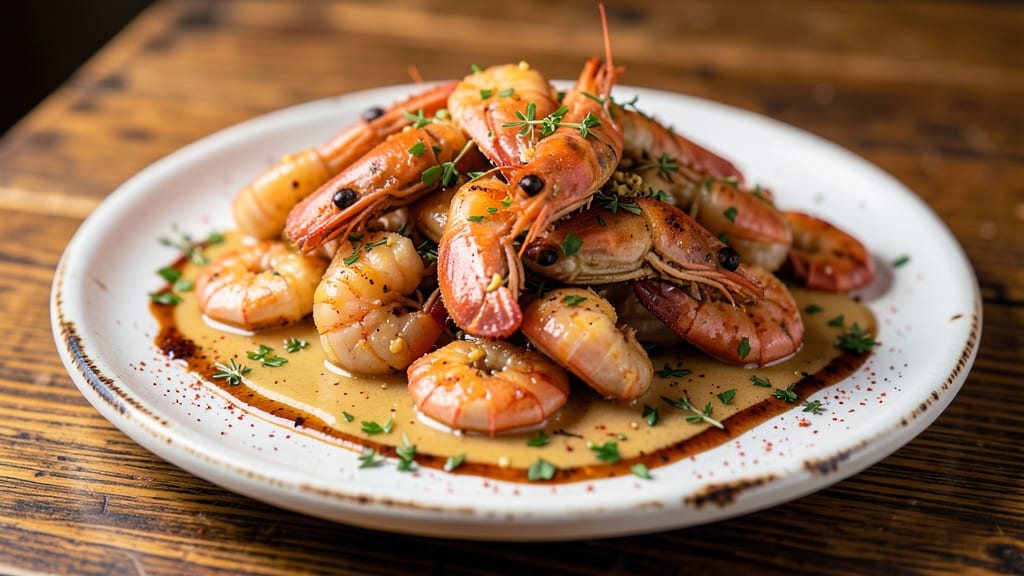
This Louisiana crawfish sauce recipe transforms simple pantry staples into a velvety, buttery emulsion that elevates seafood dishes with its signature depth. The key lies in balancing rich crawfish tails with sharp garlic, bright lemon, and just enough cayenne for heat without overpowering.
I developed this version after years of refining restaurant-style techniques at home—no specialized equipment required.
The process begins with gently simmering crawfish tails in butter until they release their natural oils, creating a fragrant base. Fresh herbs like parsley and thyme infuse the sauce with aromatic complexity, while a touch of smoked paprika adds that unmistakable Louisiana warmth.
The sauce thickens beautifully when strained and chilled, resulting in a luscious consistency perfect for dipping, drizzling, or garnishing.
What makes this sauce truly special is its versatility—it works as a bold condiment for boiled crawfish, a luxurious topping for grilled shrimp, or even a finishing sauce for steamed vegetables.
The buttery garlic-herb emulsion delivers restaurant-quality flavor with minimal effort, proving that sophisticated sauces don’t require complicated techniques. Let’s create this crowd-pleaser that tastes like a bayou feast.
Once you master this recipe, you’ll find endless ways to adapt it—swap in crab or lobster tails for variety, or adjust the cayenne to suit your heat preference.
The sauce keeps well in the refrigerator for up to five days, making it an ideal make-ahead condiment for seafood gatherings. Here’s how to make it shine.
Ingredients for louisiana crawfish sauce
Nine pantry staples transform into a restaurant-worthy crawfish emulsion—creamy, aromatic, and packed with bayou flavor.
| Ingredient | Amount | Notes |
|---|---|---|
| Fresh Crawfish Tails 🦐 | ½ lb | Peeled, deveined, head-on preferred |
| Unsalted Butter 🧈 | ½ cup | European-style preferred for flavor |
| Garlic Cloves 🧄 | 6 cloves | Fresh, minced into fine paste |
| Fresh Parsley 🌿 | ¼ cup | Flat-leaf, finely chopped |
| Fresh Thyme 🌿 | 2 tsp | Leaves only, finely chopped |
| Smoked Paprika 🌶️ | 1 tsp | High-quality for authentic flavor |
| Cayenne Pepper 🔥 | ½ tsp | Adjust for desired heat |
| Lemon Juice 🍋 | 2 tbsp | Freshly squeezed, strained |
| Diamond Crystal Kosher Salt 🧂 | ½ tsp | For seasoning, not salting |
| Heavy Cream 🥛 | ¼ cup | Full-fat for richness |
The crawfish tails are non-negotiable for authentic flavor—fresh or frozen, thawed works, but avoid pre-cooked. Costco or specialty seafood markets carry the best quality, though frozen tails from Trader Joe's are a solid budget choice. Look for vibrant color and minimal odor; the tails should feel firm to the touch. For the butter, Plugrá or European-style brands elevate the sauce with their higher fat content and richer flavor. The garlic? Freshly minced makes all the difference—no pre-minced jars here. If you're short on time, garlic confit
No crawfish tails? Lobster or crab meat works beautifully—just reduce the amount to 0.25 lb since they're more flavorful. Short on heavy cream? Half-and-half or whole milk thins the sauce slightly but keeps it luscious. The smoked paprika is key for that Louisiana profile—Penzeys or Gourmet Gift Baskets carry excellent varieties. For heat, red pepper flakes can replace cayenne at half the amount, though purists will argue for the real thing. Fresh herbs are best, but dried parsley at one-third the amount gets you close in a pinch. The lemon juice? Freshly squeezed brightens the sauce; bottled won't cut it here. This sauce keeps beautifully in the fridge for 5 days, with flavor actually improving as it melds. For longer storage, freeze in 1-tbsp portions—perfect for single use. The emulsion thickens when chilled, so whisk in a splash of warm water if it seems too stiff when reheating. I like to portion mine into small jars for easy dipping—glass containers preserve the color best. If you make a double batch, trust me, you'll use it all before you know it.
Why You'll Love This Recipe
- Five-Ingredient Magic: I swear, this sauce comes together with just butter, garlic, and herbs—no fancy gadgets or hidden steps. The crawfish tails add their own sweetness, so you’re not stuck measuring extra seasoning.
- Buttery Garlic Bliss: That rich butter and fresh thyme make every bite feel like a hug. Honestly, the garlic doesn’t even need to be finely chopped—just a rough mince, and you’ve got pure, bold flavor without the fuss.
- Tailgate or Dinner Party: Between us, this sauce is my secret weapon for game days or when company drops by. Drizzle it over grilled shrimp, toss it with pasta, or serve it as a dip—it’s always a crowd-pleaser.
- Leftovers That Don’t Suck: Unlike some sauces that turn gloppy, this one stays creamy and delicious for days. I’ll be real: I’ve reheated it three times and still crave it—proof it’s worth making extra.
Step-by-step instructions for Louisiana crawfish sauce
Here's how to create that signature Louisiana crawfish sauce—rich, velvety, and packed with buttery garlic-herb depth.
Cook the Crawfish Tails Until Fully Done
In a large skillet, melt the 0.5 cup unsalted butter over medium-high heat until it foams. Add the 0.5 lb fresh crawfish tails and cook for 4-5 minutes, stirring occasionally, until they turn bright pink and curl slightly. The butter will infuse with crawfish flavor as it cooks.
Here's the thing—don't overcrowd the pan. Cook in batches if needed to maintain even heat. Once the crawfish are fully cooked, remove them with tongs and set aside. You'll use them later to thicken the sauce, but for now, focus on building the flavor base in the pan.
Build the Garlic-Herb Flavor Foundation
In the same skillet (with all that delicious crawfish butter), add the 6 cloves minced garlic cloves and cook for 30 seconds until fragrant but not browned. Immediately add the 2 tsp fresh thyme, 1 tsp smoked paprika, and 0.5 tsp cayenne pepper, stirring constantly for 1 minute to toast the spices.
This step develops the complex flavor profile that defines Louisiana crawfish sauce. The smoked paprika adds depth, while the cayenne provides just enough heat to balance the richness. Don't walk away—garlic burns faster than you think. When the spices are aromatic and the garlic is golden at the edges, it's time to move to the next phase.
Create the Emulsion with Heavy Cream
Pour in the 0.25 cup heavy cream and bring to a gentle simmer over medium-low heat. Stir in the 2 tbsp lemon juice and 0.5 tsp diamond crystal kosher salt, allowing the mixture to cook for 3-4 minutes until slightly thickened. This creates the velvety texture that makes the sauce so special.
Here's where the crawfish come back into play. Add the cooked crawfish tails to the skillet and let them simmer for 2 minutes, stirring occasionally. The crawfish will break down slightly, releasing their juices and helping to thicken the sauce naturally. This is what gives authentic crawfish sauce that luxurious body without needing heavy cream alone.
Finish with Fresh Parsley and Strain
Remove the skillet from heat and stir in the 0.25 cup fresh parsley. Let the sauce sit for 2 minutes to allow the parsley to infuse its bright, fresh flavor. Then, strain the sauce through a fine-mesh sieve into a clean bowl, pressing gently on the crawfish to extract maximum flavor.
The result should be a glossy, golden sauce with a velvety consistency. If it's too thick, whisk in 1-2 tablespoons of hot water to reach your desired pouring consistency. This sauce is best served immediately over boiled crawfish, rice, or crusty bread—where its rich, herby, slightly spicy character truly shines.
Pro Tips For Making Louisiana Crawfish Sauce
- Melt Butter Slowly: Crawfish tails release their flavor when the butter melts gently—not when it’s bubbling like a pot of boiling water. Use low heat and stir constantly, or you’ll end up with a greasy, broken sauce instead of a rich, velvety one. Trust me, I’ve turned this into a science experiment before.
- Sauté Garlic Until Golden: Stop at pale gold, not brown. Overcooked garlic turns bitter and overpowers the delicate crawfish flavor. Remove the pan for 10 seconds if you’re close—it’ll keep cooking off the heat. This is the thing that matters most when balancing the sauce.
- Deglaze with Crawfish Stock: Skip the water. After cooking the crawfish tails, deglaze the pan with a splash of their own stock (or even a little shrimp stock). It’s the fastest way to lock in their natural sweetness and avoid a bland sauce. Yes, even if you’re impatient like me.
- Toast the Herbs First: Dry the thyme leaves and finely chop the parsley stems—then toast them in the butter for 30 seconds before adding the garlic. This makes the herbs sing without overpowering the dish. I was skeptical until I tried it, and now I never skip it.
Essential equipment for this dish
Skillet Essentials
Start with a heavy-bottomed stainless steel skillet like the All-Clad Stainless or Calphalon—they distribute heat evenly and prevent scorching. A 10-12 inch pan gives enough surface area for the crawfish tails to cook without crowding.
I’ve found that cast iron works too, but it requires more attention to prevent burning the butter. 🔥
Straining Tools
A fine-mesh sieve or chinois is non-negotiable for achieving that silky texture. I prefer the OXO Good Grips—it’s durable and easy to clean. If you don’t own one, a double-layered cheesecloth works in a pinch, though it requires more pressing to extract all the flavor.
For larger batches, a pasta maker attachment with a fine disc can save time.
Immersion Blender
After straining, an immersion blender like the Ninja Foodi transforms the sauce into a smoother emulsion. Pulse for 10-15 seconds to break down any remaining crawfish bits while keeping the texture velvety.
If you lack one, a hand mixer or countertop blender works—just blend briefly to avoid over-emulsifying. This step ensures a restaurant-quality finish.
Storage Containers
For short-term storage, glass jars with airtight lids (like Ball Mason jars) preserve the sauce’s color and flavor best. For longer fridge storage, divide into small portions—I use 4-ounce ramekins for easy dipping.
If freezing, silicone molds or ice cube trays let you portion single-use servings. Label everything with the date to track freshness.
Butter Quality
Invest in European-style butter (like Plugrá or President)—its higher fat content (82-86%) creates a richer emulsion. Regular American butter (80% fat) works but may yield a slightly thinner sauce. For extra luxury, clarified butter eliminates water content, making the sauce even more stable when reheated. 🧈
Optional Gadgets
A microplane speeds up garlic and herb prep, while a garlic press ensures fine, even mincing. For heat control, a digital thermometer (like Thermoworks Thermapen) helps monitor the butter’s temperature—ideal for 170-180°F when adding cream. These tools aren’t mandatory, but they elevate precision and consistency, especially for first-timers.
Nutrition facts
Frequently asked questions
Can I make this crawfish sauce without crawfish tails?
Yes! For a similar rich texture, substitute 0.25 lb lobster or crab meat (they're more flavorful, so use less). You can also use shrimp shells or crawfish shells (simmered first) for depth, then strain carefully. The sauce will still have that signature Louisiana character, just with a slightly different profile.
How do I adjust the heat level in this sauce?
The recipe calls for 0.5 tsp cayenne, but you can reduce it to 0.25 tsp for mild heat or increase to 1 tsp for a spicier kick. For extra depth without heat, add 0.25 tsp smoked paprika instead. Always taste as you go—you can't overdo the spices, but you can't fix blandness later!
Why does my sauce separate when I refrigerate it?
This happens when the emulsion breaks, usually from cooling too quickly or insufficient fat content. To fix it, gently reheat the sauce over low heat while whisking constantly until smooth. For prevention, ensure you're using enough butter (0.5 cup) and stir well before chilling. The sauce should thicken beautifully when properly emulsified.
What's the best way to serve this crawfish sauce?
This versatile sauce shines as a dipping sauce for boiled crawfish or shrimp, a topping for grilled seafood or steamed vegetables, or a finishing sauce for Cajun rice dishes. For extra presentation, drizzle it over cornbread or use it as a marinade for grilled fish. The buttery garlic flavor pairs perfectly with crusty bread too!
Can I make this sauce ahead of time?
This sauce actually tastes better after 24 hours as the flavors meld. Store it in an airtight container in the fridge for up to 5 days. For longer storage, freeze in 1-tbsp portions—perfect for single use. When reheating, warm gently over low heat and whisk until smooth before serving.