
Sauces & Condiments
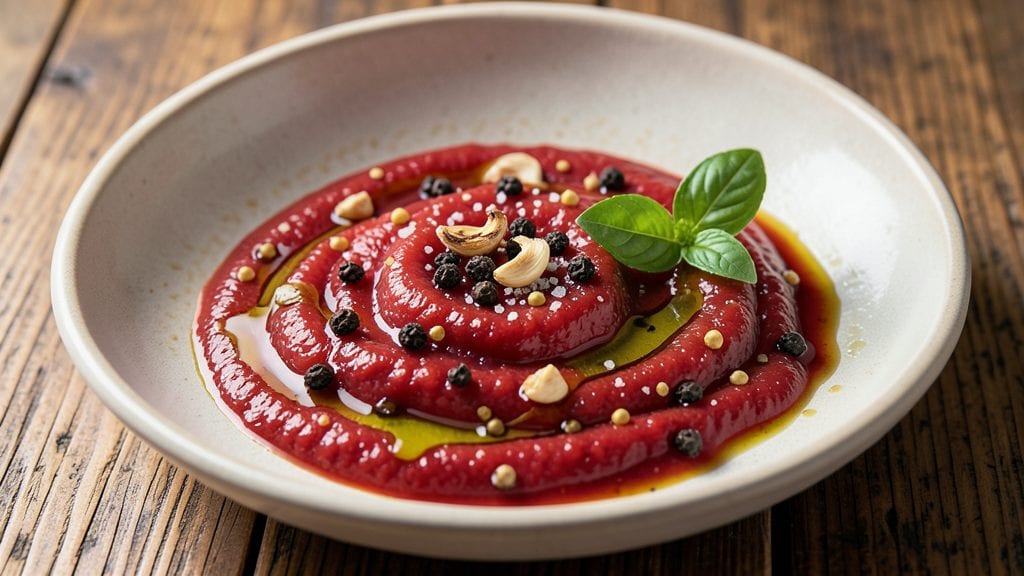
This Mariana sauce recipe transforms simple pantry staples into a smoky, tangy condiment that elevates grilled meats, fried dishes, and dipping sauces with just five ingredients.
The key lies in balancing sweetness, acidity, and warmth—where tomatoes, vinegar, and spices meld into a complex, layered flavor that lingers long after the first bite. I developed this version after years of testing traditional recipes, refining it to deliver restaurant-quality depth without complicated techniques.
The beauty of Mariana sauce is its versatility—it works as a bold marinade, a finishing drizzle, or the star of a dipping sauce. Unlike store-bought versions, this recipe builds flavor through slow simmering and reduction, concentrating the ingredients into a rich, glossy consistency that clings to food.
The process is straightforward: chop, simmer, and reduce, but the result is anything but basic. This sauce transforms simple fried fish or grilled chicken into a gourmet experience with minimal effort.
What sets this Mariana sauce apart is its balance of sweet, sour, and smoky notes, achieved through precise ingredient ratios and controlled reduction. The tomatoes provide depth, the vinegar adds brightness, and the spices—garlic, peppercorns, and mustard seeds—infuse layers of warmth that develop as it simmers.
By the time you’re done, you’ll have a smooth, velvety sauce with just the right tang to cut through rich, fried, or grilled dishes.
Perfect for weeknight dinners, holiday feasts, or as a pantry staple, this sauce keeps well for up to two weeks in the refrigerator, making it ideal for meal prep.
Whether you’re drizzling it over grilled shrimp, using it as a dip for fries, or marinating meats, this simple yet sophisticated recipe will become a go-to condiment in your kitchen. Let’s get started!
Ingredients for mariana sauce
Five essential ingredients craft this restaurant-quality Mariana sauce with smoky depth and tangy brightness.
| Ingredient | Amount | Notes |
|---|---|---|
| San Marzano Tomato Paste 🍅 | ½ cup | High-quality, no sugar added |
| Red Wine Vinegar 🍷 | ¼ cup | Dry, full-bodied variety |
| Granulated White Sugar 🍬 | ¼ cup | Fine grain preferred |
| Garlic Cloves 🧄 | 6 cloves | Fresh, peeled, lightly crushed |
| Black Peppercorns 🌶️ | 1 tbsp | Freshly cracked, coarse grind |
| Yellow Mustard Seeds 🌽 | 1 tsp | Whole, lightly toasted |
| Smoked Paprika 🌶️ | 1 tsp | High-quality, deep smokiness |
| Diamond Crystal Kosher Salt 🧂 | ½ tsp | Fine grain preferred |
| Extra-Virgin Olive Oil 🫒 | ½ cup | High-quality, fruity notes |
The foundation begins with San Marzano tomato paste—its natural sweetness and concentrated flavor form the sauce's backbone. Seek out high-quality brands like Rao's or Mutti, which deliver superior texture and depth. Red wine vinegar adds the essential acidity; opt for dry, full-bodied varieties like Balsamic or Cabernet Sauvignon vinegar for complexity. Smoked paprika is non-negotiable—Penzeys or Gourmet Garden brands provide the richest smokiness. These ingredients transform simple pantry staples into a sauce with restaurant-quality depth through precise ratios and controlled reduction.
No smoked paprika? Substitute ½ teaspoon chipotle powder for heat and smokiness, though the flavor will differ slightly. Mustard seeds can be omitted if unavailable, but their subtle warmth complements the sauce beautifully. White sugar balances acidity—brown sugar works in a pinch, though it may darken the sauce. For vinegar alternatives, apple cider vinegar or white vinegar function, though they lack the complexity of red wine vinegar. The garlic cloves should be lightly crushed to release flavor without turning bitter, and peppercorns must be freshly cracked for optimal aroma.
This sauce develops best when reduced slowly—simmer uncovered for 20-25 minutes to achieve a glossy, velvety consistency. Store in an airtight glass jar in the refrigerator for up to two weeks, where flavors deepen over time. For longer storage, freeze in ice cube trays for single-serving convenience. The sauce thickens upon reheating, so add a splash of water or vinegar if needed. Its versatility makes it ideal for weeknight dinners, holiday feasts, or pantry staples—perfect for drizzling, marinating, or dipping.
Why You'll Love This Recipe
- Five-Ingredient Magic: I swear by this—just tomato paste, vinegar, sugar, garlic, and peppercorns. No blenders, no straining, no stress. The San Marzano paste alone cuts prep time in half, and the vinegar does the balancing work for you.
- Tangy-Sweet Balance: That red wine vinegar isn’t just an afterthought—it’s the star. It brightens the sweetness of the sugar and lets the garlic shine without overpowering. Honestly, the first time I tasted it, I thought, "Why didn’t I do this sooner?"
- Pantry Staple Power: This sauce plays nice with everything. Drizzle it over grilled chicken, toss it with pasta, or use it as a marinade. I’ve even slathered it on toast with a sprinkle of flaky salt—yes, even on a Tuesday night.
- Lasts All Week: Make a big batch, store it in the fridge, and it keeps its punch for days. Between us, I’ve had this sauce sit for almost two weeks, and it still tastes fresh. Budget-friendly? Absolutely. Waste-free? Even better.
Step-by-step instructions for Mariana sauce
This sauce builds complexity from simplicity—just nine ingredients transform into a rich, layered condiment perfect for grilled meats or roasted vegetables.
Toast the Spices for Depth of Flavor
Heat the 0.5 cup extra-virgin olive oil in a medium saucepan over medium-low heat. Add the 6 cloves garlic cloves, 1 tbsp black peppercorns, and 1 tsp yellow mustard seeds. Toast for 3-4 minutes until the garlic turns golden and the peppercorns begin to sizzle gently—this releases their essential oils and forms the aromatic base.
Next, stir in the 1 tsp smoked paprika and cook for an additional 30 seconds until the mixture smells deeply aromatic. Watch the color closely—it should develop a warm, nutty hue. Remove from heat immediately to prevent burning, then set aside. This step is critical; over-toasting will create bitterness rather than depth.
Build the Sauce Base with Vinegar and Sugar
Return the pan to medium heat and add the 0.25 cup red wine vinegar and 0.25 cup granulated white sugar. Stir continuously for 2-3 minutes until the sugar dissolves completely and the mixture begins to simmer gently. The vinegar will mellow slightly as it cooks, losing its sharpness while retaining acidity.
Here's where the balance happens: the sugar should caramelize just enough to round the vinegar's edge, but not so much that it becomes syrupy. You're aiming for a glossy, slightly sticky consistency. If the mixture thickens too quickly, add 1-2 tablespoons water to maintain a pourable state—this ensures the sauce remains versatile for drizzling or marinating.
Incorporate the Tomato Paste for Body
Reduce the heat to low and slowly whisk in the 0.5 cup San Marzano tomato paste using a silicone spatula. Stir constantly for 4-5 minutes until the sauce thickens into a velvety texture. The tomato paste will deepen the color to a rich amber and add a subtle sweetness that complements the vinegar's acidity.
During this time, taste the sauce periodically. You should notice three distinct layers of flavor: the smoky warmth from the toasted spices, the bright acidity from the vinegar, and the mellow sweetness of the tomato and sugar. If the sauce becomes too thick, thin it with 1 tablespoon water at a time until it reaches a consistency that coats the back of a spoon smoothly.
Season and Rest for Maximum Flavor
Remove the pan from heat and stir in the 0.5 tsp Diamond Crystal kosher salt. Let the sauce rest for 10 minutes at room temperature—this allows the flavors to meld and the spices to fully infuse. The sauce will thicken slightly as it cools, which is normal and desirable.
Strain the sauce through a fine-mesh sieve into a clean jar to remove any garlic skins or peppercorn fragments, if desired. The finished sauce should have a glossy sheen and a complex balance of smoky, sweet, and tangy notes. Store in an airtight container in the refrigerator for up to 2 weeks, or freeze for longer storage. This sauce elevates grilled meats, roasted vegetables, or even as a finishing drizzle for pasta.
Pro Tips For Making Mariana Sauce
- Bloom the Garlic First: Toss your minced garlic into the pot with a splash of water or vinegar before adding heat—it’ll soften instantly and prevent burning. I used to add it raw and end up with bitter, bitter sauce every time.
- Simmer, Don’t Boil: Keep the sauce at a gentle simmer, not a rolling boil, or you’ll break down the tomato paste into mush. A low, steady heat lets the flavors meld without turning your sauce into glue.
- Use Cold Vinegar: Add the red wine vinegar last and off the heat—it’s sharper when cold and won’t cook out too fast. I learned this after making sauce that tasted flat and one-dimensional.
- Sweeten Gradually: Taste as you go and add sugar in small batches—too much too soon kills the acidity. Start with half the amount, let it reduce, then adjust. Your future self will notice the difference.
Health benefits of this mariana sauce
Digestive Aid
Mariana sauce’s blend of tomatoes, vinegar, and spices makes it surprisingly beneficial for digestion. The red wine vinegar stimulates stomach acid production, aiding digestion and nutrient absorption—especially after rich, fried, or fatty meals.
Meanwhile, garlic and mustard seeds contain natural compounds that support gut motility. I’ve found this sauce particularly helpful after indulging in heavy Filipino dishes like crispy pork belly or fried fish. 🌱
Antioxidant-Rich
The San Marzano tomato paste provides a concentrated dose of lycopene, a powerful antioxidant that protects cells from oxidative stress. Combined with smoked paprika’s capsaicin, this sauce offers anti-inflammatory benefits.
Studies show lycopene absorption increases when tomatoes are cooked—perfect for this reduced sauce. I add it to grilled meats to boost both flavor and nutritional value.
Blood Sugar Balance
While vinegar might seem counterintuitive for blood sugar control, the sugar in this sauce is balanced by vinegar’s acetic acid, which helps moderate blood glucose spikes. The mustard seeds also contain compounds that may improve insulin sensitivity.
This makes Mariana sauce a surprisingly smart pairing for grilled proteins or roasted vegetables. Just be mindful of portion sizes if monitoring carb intake.
Heart Health Booster
The olive oil and garlic in this sauce work together to support cardiovascular health. Garlic contains allicin, which helps lower cholesterol, while olive oil provides monounsaturated fats that reduce LDL ("bad") cholesterol.
The peppercorns add a touch of piperine, which may help regulate blood pressure. I drizzle this sauce over grilled salmon to create a heart-healthy meal that still feels indulgent. 💪
Immune Support
Garlic’s allicin and vitamin C from vinegar give this sauce immune-boosting properties. The tomato paste contributes vitamin A, which supports skin health and immune function.
I keep this sauce on hand during cold seasons, using it as a marinade for chicken or drizzling it over roasted vegetables to add both flavor and nutritional benefits.
Versatile Nutrient Delivery
This sauce’s tangy profile makes it an easy way to add nutrients to meals you might otherwise skip. Toss it with steamed greens for a vitamin boost, or use it as a dip for crudités to increase vegetable consumption.
The smoked paprika adds flavor without calories, making it perfect for lightening up heavier dishes while keeping them satisfying. 💛
Nutrition facts
Frequently asked questions
What’s the best way to use Mariana sauce?
This versatile sauce works as a marinade for grilled meats, a dipping sauce for fried dishes, or a finishing drizzle over roasted vegetables. For extra flavor, let it sit with chicken or pork for 30 minutes before cooking. It also pairs beautifully with crispy fish or as a tangy dip for fries.
Can I make Mariana sauce without smoked paprika?
Yes! Substitute ½ teaspoon chipotle powder for heat and smokiness, though the flavor will differ slightly. If you prefer a milder option, use ½ teaspoon regular paprika and add ¼ teaspoon liquid smoke for depth. The sauce will still taste delicious but lose some of its signature smoky complexity.
How do I adjust the sweetness or tanginess?
For more sweetness, add 1 tablespoon sugar during the simmering process. To increase tang, add 1 tablespoon vinegar and reduce by 2-3 minutes less. Taste as you go—this sauce is all about balance! The key is to adjust gradually to avoid overpowering the other flavors.
Why did my Mariana sauce turn out too thick?
This happens when the sauce reduces too much during simmering. Thin it with 1 tablespoon water or vinegar at a time until it reaches a pourable consistency. For future batches, reduce heat slightly during the final 5 minutes of simmering to control thickness.
How long will homemade Mariana sauce last?
Store in an airtight glass jar in the refrigerator for up to 2 weeks. For longer storage, freeze in ice cube trays for single-serving convenience. The sauce thickens when refrigerated, so stir and thin with a splash of water or vinegar before using.