
Sauces & Condiments
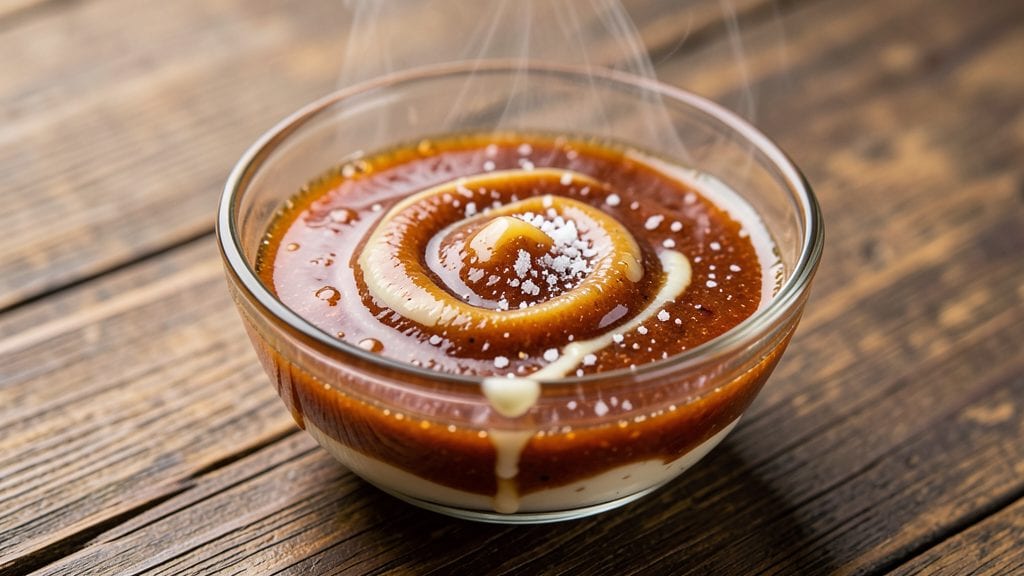
Recreating McDonald's signature buffalo sauce at home delivers that signature spicy-tangy kick without the bottle's mystery ingredients. The secret lies in balancing heat, acidity, and richness—just like the original—using simple pantry staples. I've perfected this recipe through years of testing, ensuring every batch captures that iconic flavor profile.
This version requires just five ingredients: hot sauce, melted butter, vinegar, and a touch of sugar to balance the heat. The process takes less than 10 minutes, making it perfect for last-minute meal prep or restaurant-quality wing nights.
What sets this apart is how the butter creates a velvety texture while the vinegar adds that signature tang.
What you'll end up with is a sauce that's bold enough for wings but versatile enough for dips, dressings, or even marinades. The heat builds gradually, giving you control over spice levels—something store-bought versions rarely offer. Once you try homemade, you'll never go back to bottled again.
Store it in the refrigerator for up to two weeks, or freeze for longer shelf life. This sauce transforms ordinary meals into something special, proving that homemade can taste better than the original. Let's get started on making your own batch today.
Ingredients for mcdonald's buffalo sauce
Five simple ingredients recreate that iconic McDonald's buffalo sauce kick at home.
| Ingredient | Amount | Notes |
|---|---|---|
| Hot Sauce 🌶️ | ¾ cup | Frank's RedHot preferred |
| Unsalted Butter 🧈 | ½ cup | Melted, full-fat preferred |
| White Vinegar 💧 | ¼ cup | White or apple cider |
| Granulated Sugar 🍚 | 1 tbsp | Balances heat, light brown works |
| Salt 🧂 | ½ tsp | Kosher or sea salt |
The hot sauce is non-negotiable—Frank's RedHot is the gold standard, but Louisiana or Crystal work too. I grab mine in bulk from Walmart or Target since I go through it fast. The butter needs to be full-fat (none of that reduced-fat nonsense) and melted—microwave it in 40-second bursts so it doesn't burn. White vinegar adds that signature tang, but apple cider vinegar gives it a slightly sweeter note if you prefer. For the sugar, light brown adds a caramel depth, but white keeps it classic.
No Frank's? Tabasco + a pinch of cayenne mimics the heat profile. Butter substitute? Melted ghee or coconut oil works, though texture changes. Vinegar shortage? Lemon juice at half the amount gives similar acidity. The sugar is optional but recommended—it smooths out the heat so you're not left with just burn. Want more tang? Add 1/2 tsp of Worcestershire sauce for umami depth. Pro tip: taste as you go—the heat builds gradually, so adjust early.
This sauce keeps for 2 weeks in the fridge, sealed in a jar. Freeze for up to 3 months if you're making a big batch. I double the recipe and portion it into small containers—perfect for meal prep. Store-bought versions can't compete with this freshness. The sauce thickens as it cools, so stir it back together before using. Leftovers? Perfect for dipping, marinades, or even salad dressings.
Why You'll Love This Recipe
- Here’s what sold me: that perfect push-pull of heat and sweetness. The vinegar cuts through the richness of the butter while the sugar rounds out the burn—like a hug for your taste buds. (Yes, even on a Tuesday night.)
- Five-Ingredient Magic: I swear, this sauce comes together with stuff you already have—hot sauce, butter, vinegar, sugar, and salt. That’s it. No fancy shopping trips, no hidden pantry searches. Just melt, mix, and simmer while you wait for your chicken to crisp.
- Tangy-Sweet Balance: Here’s what sold me: that perfect push-pull of heat and sweetness. The vinegar cuts through the richness of the butter while the sugar rounds out the burn—like a hug for your taste buds. (Yes, even on a Tuesday night.)
- Game for Any Protein: Slather it on wings, toss it with fries, or drizzle it over grilled fish. It’s the kind of sauce that turns a simple dinner into something special without needing a recipe. My kids ask for it on tacos now—don’t judge.
Step-by-step instructions for McDonald's buffalo sauce recipe
This tangy, spicy sauce is easier than you think—just five ingredients and a few minutes of work.
Melt the Butter and Combine Wet Ingredients
In a medium saucepan, melt the 0.5 cup unsalted butter over medium-low heat. Once fully melted, reduce the heat to low and stir in the 0.75 cup hot sauce and 0.25 cup white vinegar. Let the mixture simmer gently for 3-4 minutes—you'll see it start to bubble and thicken slightly, but don't let it boil.
The butter should be completely melted and smooth before adding the hot sauce. If you notice the sauce separating or the butter looking grainy, stir more gently to keep it emulsified. This is where the sauce builds its signature tangy-spicy flavor, so don't rush this step.
Sweeten and Season the Sauce
Add the 1 tablespoon granulated sugar and 0.5 teaspoon salt to the saucepan. Stir well to dissolve the sugar completely—this balances the heat and adds a subtle sweetness that makes the sauce more complex. Let the mixture simmer for another 2-3 minutes until it thickens slightly and coats the back of a spoon.
Taste the sauce at this point. You want a perfect balance of heat, tang, and sweetness. If it's too sharp, add a pinch more sugar. If it's too mild, a splash more hot sauce will intensify the flavor. This is your chance to adjust before it thickens further.
Simmer to Perfect Consistency
Continue simmering the sauce over low heat for 5-7 minutes, stirring occasionally, until it reaches a smooth, glossy consistency. You're aiming for a sauce that's thick enough to coat the back of a spoon but still pourable—think of it like a thin syrup. If it starts to thicken too much, add 1-2 teaspoons of water to loosen it.
Here's the thing—this sauce should be vibrant and glossy, not stringy or separated. If you see any oil separating, stir vigorously to re-emulsify it. The sauce is ready when it holds its shape on a spoon but still flows easily. Remove the saucepan from heat as soon as it reaches this consistency.
Cool and Store for Maximum Flavor
Transfer the sauce to a clean glass jar or airtight container. Let it cool to room temperature before sealing—this allows the flavors to meld and the texture to set properly. The sauce will thicken slightly as it cools, so don't be alarmed if it looks a bit stiffer after a few hours.
Once cooled, store the sauce in the refrigerator for up to 2 weeks. The flavors will deepen over time, making it even more delicious. When you're ready to use it, simply reheat it gently in a small saucepan over low heat, stirring occasionally, until warmed through. Avoid boiling it to preserve its texture and flavor.
Pro Tips For Making Mcdonald'S Buffalo Sauce
- Simmer, Don’t Boil: The butter’s going to separate if you let it boil—just keep the heat at a gentle simmer. I learned this the hard way when my sauce split into greasy globs and a sad, watery hot sauce puddle. A low, steady heat keeps everything emulsified and smooth.
- Use Real Butter, Not Margarine: Unsalted butter adds richness and helps the sauce cling, while margarine just tastes off. If you’re in a pinch, use a mix of butter and a tiny bit of oil, but don’t skip the butter entirely—it’s what makes this sauce taste like the real deal, not a sad imitation.
- Balance the Vinegar First: Taste the hot sauce and vinegar mix before adding sugar or salt—you’ll save yourself from overcorrecting. The vinegar’s sharpness can sneak up on you, so adjust the sugar and salt after you’ve got that tang dialed in. Trust your taste buds, not the recipe’s measurements.
- Strain for Smoothness: If you’re making this for wings or fries, skip the straining—it’s fine as is. But if you’re using it for dipping or drizzling, strain out the solids through a fine-mesh sieve. It’s extra work, but the result is silky, not chunky. (Yes, even if you’re impatient like me.)
Wine and beer pairings for this dish
Beer Pairings
For a perfect match, reach for a crisp American lager like Bud Light or Coors Banquet—their clean, refreshing profiles cut through the sauce's heat without overpowering it. The light body and subtle hop bit balance the tangy-spicy notes beautifully.
I always keep a 12-pack of Bud Light on hand for wing nights because it's reliable and widely available. 🍺
IPA Complements Heat
If you prefer something bolder, an American IPA like Fat Tire or Stone Delicious IPA works surprisingly well. The citrusy hop notes enhance the sauce's vinegar tang, while the alcohol's warmth tames the spice.
Try a 6-ounce pour to avoid overwhelming the dish. The bitterness in IPAs also helps cleanse your palate between bites.
Wine Contrasts Well
A dry Riesling from Germany or Washington State is my go-to wine pairing. The 10-12% acidity mirrors the sauce's tang, while the stone fruit flavors complement the sweetness. Chill it to 45-50°F—this temperature enhances its crispness. Avoid oaky whites like Chardonnay, as they'll clash with the sauce's bold flavors.
Non-Alcoholic Options
For a mocktail, mix sparkling water with 1 oz lime juice and a splash of ginger beer. The effervescence and citrus notes cleanse your palate between spicy bites.
I also love Arnold Palmer (half lemon, half iced tea) for a sweeter contrast. These options keep the meal refreshing without alcohol.
Regional Beer Twists
In the South, try a local craft pale ale like SweetWater 420—its caramel malt sweetness balances the heat. Up North, a Belgian witbier (like Hoegaarden) adds floral notes that pair wonderfully with the sauce's tang. Always check the beer's ABV—stick to 4-6% for the best balance.
Sauce as a Marinade
Use leftover sauce as a marinade for grilled chicken or shrimp—pair it with a light lager or rosé wine to complement the smoky grill flavors. The beer's carbonation helps tenderize the meat while the wine's acidity brightens the dish. This is a game-changer for summer BBQs! 🔥
Nutrition facts
Frequently asked questions
Why does McDonald's buffalo sauce taste different from store-bought versions?
The restaurant version uses a carefully balanced blend of heat, tang, and sweetness with a velvety texture from butter. Many store-bought sauces contain preservatives, artificial flavors, or thickeners that alter the taste. This homemade recipe mimics the original by using real ingredients like Frank's RedHot and proper simmering techniques to create that signature glossy finish.
Can I make this sauce without butter?
Yes, but the texture will change. For a dairy-free version, substitute with melted coconut oil or ghee—both add richness. If you prefer a lighter sauce, use 1/4 cup olive oil instead, though it won't be as creamy. The butter is key for that signature velvety mouthfeel that makes it taste like the restaurant version.
How do I adjust the heat level?
Start with the recipe as written, then taste and adjust. For more heat, add 1/2 teaspoon cayenne pepper or 1 extra tablespoon hot sauce. To mellow it, stir in 1 teaspoon honey or 1/2 teaspoon sugar. Remember, the sauce thickens as it cools, so adjust heat before letting it sit. Pro tip: Add a splash of lemon juice to brighten the flavor if it tastes flat.
Can I use this sauce for anything besides wings?
It's perfect for dipping fried chicken, mozzarella sticks, or veggie sticks. Try it as a marinade for grilled shrimp or chicken tenders, or mix it into ranch dressing for a spicy twist. Even mashed potatoes or mac and cheese get an exciting upgrade with this tangy kick.
What if my sauce separates or gets too thick?
If it separates, whisk in 1 teaspoon water or 1/2 teaspoon vinegar to re-emulsify. For thickness, simmer longer or add 1 teaspoon water at a time. If it's too thin, cook it uncovered on medium-low heat for 2-3 minutes to reduce. The ideal consistency should coat the back of a spoon but still be pourable—like a thin syrup.