Sauces & Condiments
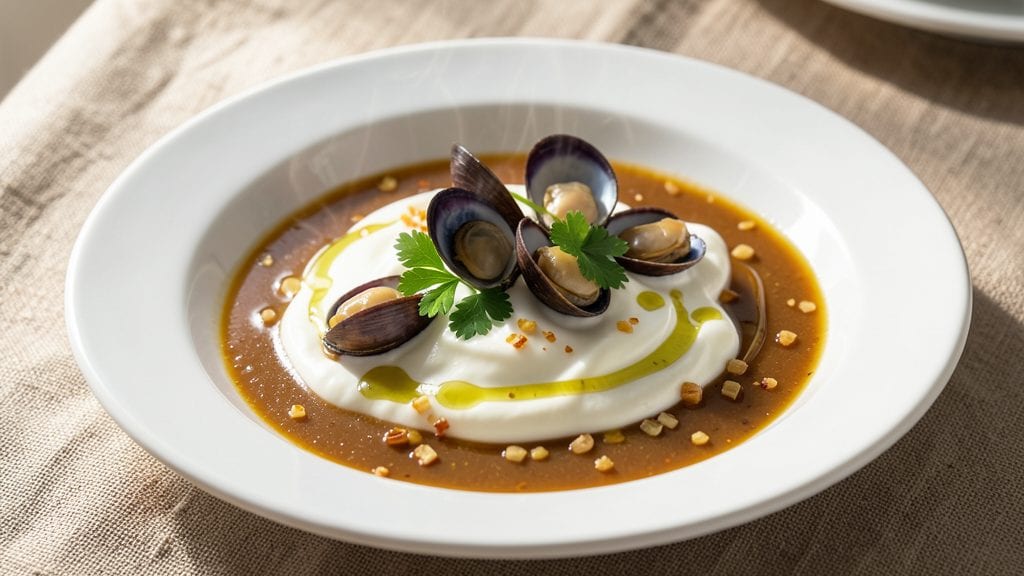
A velvety mussel sauce transforms simple seafood into a restaurant-worthy dish, and this white wine and shallot emulsion delivers exactly that. The secret lies in balancing acidity, richness, and delicate aromatics to create a sauce that clings perfectly to fish, shrimp, or crustaceans.
I developed this recipe after years of refining my seafood preparations, ensuring every spoonful delivers bright flavor without overpowering the natural taste of the seafood.
This sauce begins with a fragrant base of shallots and garlic, slowly caramelized in olive oil before being deglazed with white wine to create a flavorful reduction.
The addition of mussel broth deepens the umami profile, while a touch of cream or butter at the end creates that signature velvety texture. The result is a sauce that's both elegant and approachable—ideal for weeknight dinners or special occasions.
What makes this recipe stand out is its versatility and foolproof technique. Whether you're finishing steamed mussels, drizzling over grilled fish, or tossing with linguine, this sauce elevates every dish it touches.
The white wine adds brightness, the shallots contribute sweetness, and the emulsified butter or cream ensures a luxurious mouthfeel. It's the kind of sauce that makes even the simplest seafood meal feel like a gourmet experience.
Ready in just 20 minutes, this recipe requires minimal effort but delivers professional-quality results. The key is patience during the reduction phase, allowing the flavors to meld without overcooking. For best results, use fresh mussel broth or substitute with a high-quality seafood stock.
Here's everything you need to create this velvety emulsion that will become your new go-to sauce.
Ingredients for mussel sauce
Eight simple ingredients transform into a luxurious sauce that clings to seafood like magic.
| Ingredient | Amount | Notes |
|---|---|---|
| Shallots 🧅 | ¾ cup | Finely minced for sweetness |
| Garlic Cloves 🧄 | 4 cloves | Peeled and minced |
| Extra-Virgin Olive Oil 🫒 | ½ cup | High-quality, fruity |
| Dry White Wine 🍷 | 1 cup | Sauvignon Blanc or Pinot Grigio |
| Mussel Broth 🍲 | 1 ½ cups | Homemade or high-quality stock |
| Heavy Cream 🥛 | ½ cup | Full-fat for richness |
| Unsalted Butter 🧈 | 2 tbsp | Cold, cubed for emulsification |
| Lemon Juice 🍋 | 1 tbsp | Freshly squeezed |
| Salt 🧂 | ½ tsp | Fine sea salt |
| Fresh Parsley 🌿 | ¼ cup | Chopped for garnish |
Shallots are the flavor foundation here—use fresh, firm ones from the produce section, not the pre-minced jarred stuff. Whole Foods or Trader Joe's have the best selection. If you're feeling fancy, grab a bunch of fresh parsley at the same time—it brightens the sauce at the end. The garlic? Four cloves is perfect, but don't skip peeling them fresh. Pre-minced garlic has a metallic aftertaste that ruins everything. For the wine, any crisp, dry white works—Sauvignon Blanc or Pinot Grigio are my go-tos, but whatever you've got open in the fridge is fine too.
No mussel broth? Seafood stock or even veggie broth in a pinch keeps the umami going. Running out of heavy cream? Half-and-half plus a splash of milk works, though the sauce won't be quite as velvety. The butter is non-negotiable for that restaurant-quality finish—cold cubes emulsify better than melted butter. If you're making this ahead, the sauce actually improves overnight as flavors meld. Just store it covered in the fridge, and whisk before reheating to restore that silky texture.
This sauce keeps for 3-4 days in the fridge, and freezes beautifully for up to 3 months—just thaw in the fridge overnight. I always make a double batch because it disappears fast. The leftovers reheat perfectly in a saucepan over medium-low heat, with a splash of water or broth to loosen it up. For extra shine, finish with a drizzle of olive oil right before serving. Garnish with that fresh parsley—it's the only thing that makes the sauce look as good as it tastes.
Why You'll Love This Recipe
- Minimal Chopping Required: I swear by this—just two shallots and a couple of garlic cloves, finely minced while you sip your wine. No dicing, no julienneing, just quick knife work that takes less time than waiting for the wine to deglaze.
- Wine-Infused Magic: That splash of dry white wine? It’s the secret weapon. The acidity cuts through the richness of the mussels, and the olive oil ties it all together into something so bright and complex, you’ll forget it’s a weeknight dinner.
- Leftovers That Shine: Between us, this sauce actually improves the next day. Reheat it gently, add a splash of water if it’s too thick, and suddenly you’ve got a quick pasta sauce, a dipping sauce for crusty bread, or even a base for a frittata.
- Budget-Friendly Luxury: Honestly, mussels might sound fancy, but this recipe stretches them further than you’d think. The broth and wine make it feel indulgent without breaking the bank—plus, you’re using every last bit of flavor, no waste.
Step-by-step instructions for white wine and shallot velvety emulsion
Here's how to build a rich, velvety mussel sauce that's light yet deeply flavorful.
Sauté Shallots and Garlic Until Translucent
Heat the extra-virgin olive oil in a medium saucepan over medium-low heat. Add the finely minced shallots and cook for about 5 minutes, stirring occasionally, until they become soft and translucent. You'll know they're ready when they lose their raw edge and turn a pale golden color.
Add the minced garlic cloves and cook for another 30 seconds until fragrant. Be careful not to let the garlic brown—it should just perfume the oil. This gentle cooking draws out the natural sweetness of the shallots while building a flavorful base for the sauce. If you see any brown spots, remove the pan from heat immediately to prevent bitterness.
Deglaze with Wine and Reduce
Pour in the dry white wine and increase the heat to medium. Let it simmer for 3-4 minutes until it reduces by about half and the alcohol smell dissipates. You'll see the liquid shrink and intensify in flavor—this is where the magic happens as the wine's acidity brightens the shallots.
Stir occasionally to prevent sticking, and don't walk away. The wine should reduce until it coats the back of a spoon but isn't syrupy. If it reduces too quickly, lower the heat slightly to maintain gentle simmering. This step forms the aromatic foundation of your sauce.
Build the Sauce with Mussel Broth and Cream
Add the mussel broth and bring the mixture to a gentle simmer. Let it cook uncovered for 5-7 minutes until slightly reduced and concentrated. You'll notice the sauce thicken slightly as the liquid evaporates, intensifying all those beautiful flavors you've built so far.
Reduce heat to low and gradually whisk in the heavy cream. The sauce will thicken noticeably as the cream warms and emulsifies with the broth. Keep stirring gently to prevent curdling. If the sauce looks too thick, add 1-2 tablespoons of water to reach your desired consistency.
Finish with Butter and Lemon
Remove the pan from heat and let it cool slightly for 2 minutes. Add the cold cubed unsalted butter and whisk vigorously until completely melted and incorporated. This step adds richness and helps create that velvety texture we're after.
Return the pan to low heat and stir in the lemon juice and salt. Taste and adjust seasoning if needed—you might need a pinch more salt to balance the acidity. The sauce should be creamy but not heavy, with bright wine notes and a touch of lemon brightness cutting through the richness.
Garnish and Serve Immediately
Transfer the sauce to a serving bowl and stir in the chopped fresh parsley. The parsley adds a fresh contrast to the rich sauce and makes it look beautiful when served. Keep the sauce warm over low heat if you're not serving it immediately—it's best enjoyed fresh when all the flavors are at their peak.
This velvety emulsion works perfectly with grilled fish, shrimp, or even as a dipping sauce for crusty bread. The balance of wine, shallots, and cream creates a sauce that's both elegant and approachable—exactly what you want from a mussel sauce.
Pro Tips For Making Mussel Sauce
- Sweat, Don’t Burn: Shallots and garlic need patience—cook them low and slow in olive oil until translucent, not golden. I learned this the hard way after charring a batch and ending up with bitter, smoky sauce instead of bright, aromatic flavor.
- Use Chilled Mussel Broth: Let your mussel broth cool slightly before adding it to the wine and shallots. Hot broth will turn the wine dull; a room-temperature start keeps the acidity sharp and the sauce from turning flat.
- Deglaze with Wine First: Pour in the white wine immediately after removing the shallots—don’t wait. The alcohol will lift those caramelized bits off the pan, giving your sauce depth instead of leaving you scraping a sad, sticky residue.
- Skip the Pre-Made Broth: Homemade mussel broth (or even just a pinch of dried seaweed in water) adds a briny, mineral edge that store-bought can’t match. If you’re short on time, at least use a high-quality fish or vegetable stock—but it won’t be the same.
Troubleshooting great mussel sauce
Sauce Too Thin?
If your sauce ends up too thin after reducing, don’t panic—simmer it uncovered for an extra 5-7 minutes to evaporate more liquid. For immediate thickening, whisk in 1 tablespoon cold butter or 1 teaspoon cornstarch mixed with 2 tablespoons water until smooth.
I’ve found that reducing the heat to low and letting the sauce work its way to the right consistency works best for a velvety finish. 🌡️
Broken Emulsion?
A broken emulsion (oil and liquid separating) happens when the sauce gets too hot or isn’t stirred gently. To fix it, whisk in 1-2 tablespoons cold heavy cream or 1 tablespoon cold butter while keeping the heat at low.
If the sauce still separates, remove it from heat and whisk vigorously for 30 seconds—the cold fat will help re-emulsify it. Stirring too aggressively while hot can cause curdling, so patience is key here. ✨
Overpowering Wine Flavor?
If the white wine taste dominates, balance it with 1 extra tablespoon lemon juice or ½ teaspoon fresh herbs (like thyme or parsley). For a richer profile, add 1 more tablespoon butter** at the end.
If you used a bold wine like Cabernet, swap it for a lighter Sauvignon Blanc next time—it’s more delicate and pairs better with this sauce. Always taste as you go! 🍷
Lumpy Texture?
Lumps usually mean the cream or butter wasn’t incorporated smoothly. To fix it, remove the sauce from heat and use an immersion blender for 10 seconds to smooth it out. If you don’t have one, whisk vigorously until silky.
For prevention, whisk the cream into the warm broth gradually and keep the heat at low. Cold ingredients should always be added off the heat to avoid shocking the sauce. 💫
Sauce Too Salty?
If you oversalted, dilute the sauce with 1-2 tablespoons warm water or mussel broth to spread out the saltiness. A splash of lemon juice can also help brighten the flavors and balance the salt.
For future batches, taste before adding all the salt—it’s easier to add more later than fix an over-salted sauce. Trust your palate! 🧂
Mussel Broth Too Strong?
If the broth flavor overpowers the sauce, dilute it with ½ cup warm water or white wine to mellow it out. For a lighter taste, reduce the broth amount by ¼ cup next time and add 1 extra tablespoon cream to balance.
Fresh mussel broth is always better than canned—it’s more nuanced and less salty. 🍲
Nutrition facts
Frequently asked questions
Can I make this mussel sauce without wine?
Replace the white wine with an equal amount of dry vermouth or apple cider vinegar for acidity. For a non-alcoholic version, use ½ cup chicken or vegetable broth plus 1 tablespoon lemon juice to mimic the wine's brightness. The sauce will still develop depth, though the wine adds a unique complexity that's hard to replicate.
How do I store leftover mussel sauce?
Store in an airtight container in the fridge for up to 4 days. For longer storage, freeze in 1-cup portions for up to 3 months. Thaw overnight in the fridge and whisk gently to restore its silky texture. The sauce actually improves overnight as flavors meld! Just reheat over low heat with a splash of water or broth to loosen it.
What's the best way to use this sauce?
This velvety emulsion works beautifully with grilled fish, steamed mussels, or as a dipping sauce for crusty bread. For pasta, toss with linguine or spaghetti and finish with extra parsley. The sauce also elevates shrimp scampi or poached salmon. For extra shine, drizzle with olive oil right before serving.
Can I make this sauce without mussel broth?
Yes, substitute with seafood stock or vegetable broth in a pinch. For extra depth, add ½ teaspoon fish sauce or 1 teaspoon soy sauce to mimic umami. The sauce will still taste rich, though homemade mussel broth adds that authentic briny note. If using store-bought broth, choose a low-sodium option to control seasoning.
Why did my sauce curdle?
Curling usually happens when the cream gets too hot or isn't incorporated gently. To fix it, whisk in 1 tablespoon cold butter or 1 tablespoon cold heavy cream while keeping heat at low. For prevention, always add cold cream off the heat and whisk constantly. If the sauce still looks broken, strain it through a fine-mesh sieve for a smooth finish. Patience is key—don't rush the emulsification!