
Sauces & Condiments
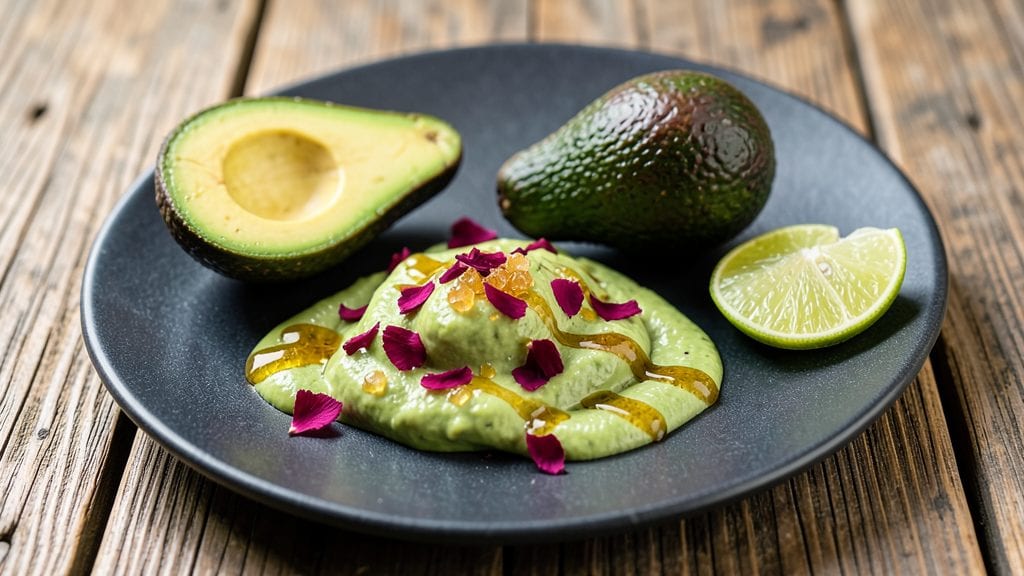
This creamy petal sauce recipe transforms delicate floral flavors into a velvety, versatile condiment that elevates everything from salads to desserts. The secret lies in infusing fresh hibiscus and rose petals into a silky avocado-lime base, creating a balance of floral sweetness and tangy brightness that’s impossible to resist.
I developed this version after experimenting with traditional petal sauces, simplifying the process while preserving the elegant complexity that makes it special.
The beauty of this sauce is its foolproof technique—just blend ripe avocados with lime juice, floral petals, and a touch of honey, then let it rest for 10 minutes to develop its signature smoothness.
No cooking required, and the ingredients work together to create a texture that’s rich yet light, with a subtle floral aroma that lingers beautifully. The result is a sauce that’s equally at home drizzled over grilled fish, spooned onto chilled tortillas, or folded into fruit salads.
What sets this petal sauce apart is its versatility—it works as a vibrant dressing, a creamy dip, or even a dessert garnish. The floral notes mellow slightly as it sits, allowing the lime and avocado to shine while maintaining that delicate floral essence.
This isn’t just a sauce; it’s a flavor experience that turns ordinary meals into something extraordinary with minimal effort.
Perfect for brunch spreads, summer gatherings, or as a unique accompaniment to seafood, this recipe delivers restaurant-quality results in under 15 minutes. The key is using fresh, high-quality petals—look for organic hibiscus and rose petals at specialty markets or online. Let’s make this sauce!
Ingredients for petal sauce
Eight botanical ingredients create this velvety floral condiment that transforms ordinary dishes into extraordinary experiences.
| Ingredient | Amount | Notes |
|---|---|---|
| Ripe Hass Avocados 🥑 | 2 whole | Firm but yielding to gentle pressure |
| Fresh Lime Juice 🍋 | ½ cup | Strained, no pulp preferred |
| Organic Hibiscus Petals 🌸 | ¼ cup | Fresh, pesticide-free, stems removed |
| Organic Rose Petals 🌹 | ⅛ cup | Fresh, non-GMO, vibrant color |
| Raw Honey 🍯 | 2 tbsp | Local, unprocessed preferred |
| Extra-Virgin Olive Oil 🫒 | ¼ cup | Cold-pressed, fruity variety |
| Fresh Cilantro Leaves 🌿 | ¼ cup | Stems removed, packed |
| Garlic Cloves 🧄 | 2 cloves | Fresh, peeled, rough chopped |
| Sea Salt 🧂 | ½ tsp | Fine grain, Diamond Crystal preferred |
| Ground Black Pepper 🌶️ | ¼ tsp | Freshly ground, coarse grind |
The floral petals are the heart of this sauce, so quality matters most. Source organic hibiscus and rose petals from specialty markets like Whole Foods or online purveyors such as Mountain Rose Herbs. Look for vibrant, unblemished petals—any discoloration or wilting indicates age. The avocados should be perfectly ripe, with no brown pits when squeezed gently. Hass avocados yield the creamiest texture, and their rich color enhances the sauce's visual appeal. For the lime juice, use freshly squeezed Mexican Key limes if available, as their tartness balances the floral sweetness beautifully.
No organic petals? Dried hibiscus flowers (like those used for hibiscus tea) can substitute at half the amount, though the flavor will be more subdued. Short on rose petals? Jasmine flowers offer a similar delicate aroma. For the avocados, Fuerte or Bacon varieties work well if Hass aren't available, though they may have slightly different textures. The olive oil should be cold-pressed and unfiltered—avoid light or refined varieties that lack flavor depth. If you're sensitive to cilantro's soapy note, fresh parsley works as a neutral alternative, though it won't carry the same herbal brightness.
This sauce develops best when allowed to rest, so prepare it at least 30 minutes before serving to let the flavors meld. Store any leftovers in an airtight container with a thin layer of olive oil on top to prevent browning—it keeps for 3-4 days in the refrigerator. For longer storage, portion into ice cube trays, freeze, and transfer to a sealed bag for up to 3 months. The sauce's texture thickens slightly when chilled, so let it sit at room temperature for 5-10 minutes before using if it seems too stiff.
Why You'll Love This Recipe
- No Blender Required: I’ll admit, I was skeptical about blending delicate petals—but this sauce only needs a fork. Mash the avocado, squeeze in lime, and gently fold the petals until just combined. No pulpy mess, no straining—just a velvety texture that’s almost too pretty to eat.
- Honey-Lime Bloom: Honestly, the first time I tasted this, I paused mid-spoonful. The honey and lime cut through the avocado’s richness while the hibiscus and rose petals add this subtle floral whisper—like a secret note tucked into a sandwich. It’s bright, but not sharp; sweet, but not cloying. That balance? Chef’s kiss.
- Dresses Up Everything: Between us, this sauce is my lazy genius move. Drizzle it over tacos, fold it into grain bowls, or—here’s my go-to—slather it on toast with flaky salt. It works for brunch, picnic leftovers, or even as a dip for veggie sticks when I’m too tired to cook. (Yes, even on a Tuesday night.)
- Lasts a Week: I make a big batch on Sundays because this sauce refuses to spoil. Store it in a jar, and it keeps its vibrant color and creamy texture for days—no weird separation, no sad limp petals. Plus, the honey acts like a natural preservative, so I’m not scrambling to use it all before it turns. Budget win, shelf-stable win.
Step-by-step instructions for petal sauce recipe
Transform ripe avocados and delicate floral petals into a velvety sauce with precise technique and bold flavors.
Prepare the Avocado Base
Cut the 2 whole ripe Hass avocados in half lengthwise, remove the pits, and scoop the flesh into a food processor. The avocados should yield easily to gentle pressure—if they're too firm, let them sit at room temperature for 10 minutes. Add the 0.5 cup fresh lime juice immediately after cutting to prevent browning and create a bright, acidic foundation for the sauce.
Pulse the avocado and lime juice together until completely smooth, stopping to scrape down the sides of the processor bowl as needed. This initial blending ensures an even texture before incorporating the remaining ingredients. The mixture should be completely homogeneous with no visible avocado chunks. If you encounter resistance, add 1 tablespoon of the extra-virgin olive oil to facilitate blending.
Blend Floral Petals and Aromatics
Add the 0.25 cup organic hibiscus petals and 0.125 cup organic rose petals to the processor along with the 2 cloves rough chopped garlic. These delicate floral elements require gentle incorporation to preserve their vibrant flavors. Process on low speed for 10 seconds to combine, then increase to medium speed and blend for an additional 20 seconds until the petals are finely incorporated but not pulverized.
Here's the thing—don't over-blend the floral components or they'll release bitterness. You want a smooth yet textured sauce where you can still detect subtle floral notes. The hibiscus adds a tart, cranberry-like depth while the rose petals contribute a delicate floral aroma that elevates the overall profile. Taste at this stage to assess the floral balance before proceeding.
Incorporate Creamy Elements
With the processor running on low speed, slowly drizzle in the 0.25 cup extra-virgin olive oil through the feed tube. This gradual addition prevents the sauce from breaking and creates a luxurious, velvety texture. Add the 2 tablespoons raw honey next, allowing it to blend completely before moving to the final ingredients. The honey not only sweetens but also helps emulsify the sauce for that signature creamy consistency.
Add the 0.25 cup fresh cilantro leaves and process for another 15 seconds. The cilantro brightens the floral notes with its citrusy freshness while adding a subtle herbal complexity. The sauce should now have a vibrant green hue with visible flecks of floral petals. If the mixture appears too thick, add 1 tablespoon of water to achieve the perfect pouring consistency.
Season and Finish
Transfer the sauce to a mixing bowl and season with the 0.5 teaspoon sea salt and 0.25 teaspoon ground black pepper. Stir gently with a silicone spatula to distribute the seasonings evenly without breaking the emulsion. Taste and adjust the balance—you may need to add a touch more honey for sweetness or lime juice for acidity to achieve harmony between the floral, creamy, and citrus elements.
Cover the bowl with plastic wrap pressed directly onto the surface to prevent oxidation, and refrigerate for at least 30 minutes before serving. This resting period allows the flavors to meld completely, resulting in a sauce where each component—avocado's richness, floral notes, and citrus brightness—is perfectly balanced. The texture will thicken slightly as it chills, making it ideal for drizzling over tacos, bowls, or grilled proteins.
Pro Tips For Making Petal Sauce
- Blend in Stages: Start with the avocados and lime juice first—they’ll oxidize fast if left sitting. Add the petals last and pulse just until combined; over-blending turns hibiscus into mud. (Yes, even if you’re impatient like me.)
- Rinse Petals Twice: Hibiscus and rose petals hide grit and dirt no matter how organic they are. Toss them in a fine-mesh strainer and rinse under cold water twice—once before drying, once after. Trust me, you’ll taste the difference.
- Use Chilled Avocados: Cold avocados yield smoother sauce and resist browning longer. Pop them in the fridge for 30 minutes before blending—especially in warm kitchens. (I learned this the hard way after a sauce turned to avocado sludge in 20 minutes.)
- Honey Last, Not First: Stir honey into the finished sauce—it thins when mixed with acids (like lime) and can make your sauce runny if added early. A drizzle at the end keeps it glossy and balanced. (Your future self will notice the texture difference.)
Troubleshooting perfect results
Floral Bitterness Issue
If your petal sauce tastes bitter, you likely over-blended the floral components. Hibiscus and rose petals release bitterness when pulverized—stop blending as soon as they’re finely chopped but still visible. For future batches, add petals last and pulse just 15-20 seconds on medium speed.
To fix a bitter sauce, immediately stir in 1 teaspoon extra honey and 1 tablespoon lime juice to balance the flavors.
Sauce Too Thick
Avocado-based sauces thicken naturally as they chill, but if it’s too stiff right after blending, add 1 tablespoon water or lime juice at a time while blending. For a smoother texture, strain through a fine-mesh sieve after resting.
If the sauce separates, re-emulsify by blending with 1 tablespoon olive oil and a pinch of salt. Chill again for 10 minutes before serving.
Petal Sediment
Uneven blending causes petal clumps at the bottom. To prevent this, pulse petals in 2 batches with the avocado base before adding other ingredients. For a smoother finish, blend the final sauce for 5 seconds after adding all components.
If sediment appears after resting, gently stir with a silicon spatula—never re-blend, as this can break the emulsion.
Weak Floral Flavor
Fresh, high-quality petals are key—dried or old petals won’t infuse properly. If the floral notes are faint, increase hibiscus to 0.33 cup and rose to 0.15 cup next time. For immediate fixes, add ½ teaspoon rose water (food-grade) or a pinch of vanilla bean paste to enhance floral depth.
Let the sauce rest 1 extra hour to deepen the aroma.
Separation After Chilling
This happens when oil and water phases separate due to temperature shifts. Re-emulsify by blending the chilled sauce with 1 tablespoon olive oil and 1 teaspoon lime juice until smooth.
To prevent future separation, store the sauce in a glass jar and refrigerate for no more than 4 days. Avoid freezing, as it alters the texture permanently.
Avocado Browning
Exposed avocado flesh oxidizes quickly, turning brown and dulling the sauce’s vibrant color. To prevent this, toss cut avocado halves with 1 teaspoon lime juice and cover tightly with plastic wrap.
Work efficiently—process avocados within 5 minutes of cutting. For browning that’s already occurred, blend in ½ teaspoon lemon juice to brighten the color and mask any metallic notes.
Nutrition facts
Frequently asked questions about petal sauce
Can I make petal sauce without fresh floral petals?
Yes! For hibiscus, use ½ cup dried hibiscus flowers (like tea flowers) steeped in ¼ cup hot water for 10 minutes, then strain. For rose, substitute ½ teaspoon rose water (food-grade) or 1 teaspoon vanilla extract for a milder floral note. The texture will be slightly less vibrant, but the flavor remains delicious.
How long does petal sauce keep, and can I freeze it?
Store in an airtight container with a thin layer of olive oil on top to prevent browning—it stays fresh for 3-4 days in the fridge. For freezing, portion into ice cube trays, freeze, then transfer to a sealed bag for up to 3 months. Thaw overnight in the fridge, but avoid refreezing, as it alters the texture.
What’s the best way to use petal sauce?
This versatile sauce shines as a drizzle over grilled fish, tacos, or ceviche, a dip for spring rolls, or a fold-in for fruit salads. Its creamy texture also makes it perfect for spooning onto chilled soups or as a garnish for desserts like cheesecake or panna cotta.
Why does my petal sauce taste bitter?
Over-blending floral petals releases bitterness. Pulse them just 15-20 seconds on medium speed until finely chopped but still visible. To fix a bitter batch, stir in 1 teaspoon extra honey and 1 tablespoon lime juice to rebalance the flavors. Always use fresh, high-quality petals for the best results.
Can I make petal sauce dairy-free and vegan?
This recipe is already 100% plant-based, with no dairy or animal products. The avocado provides creaminess, while lime and honey (or maple syrup for vegan) deliver sweetness. For extra richness, blend in 1 tablespoon tahini or cashew cream.