
Sauces & Condiments
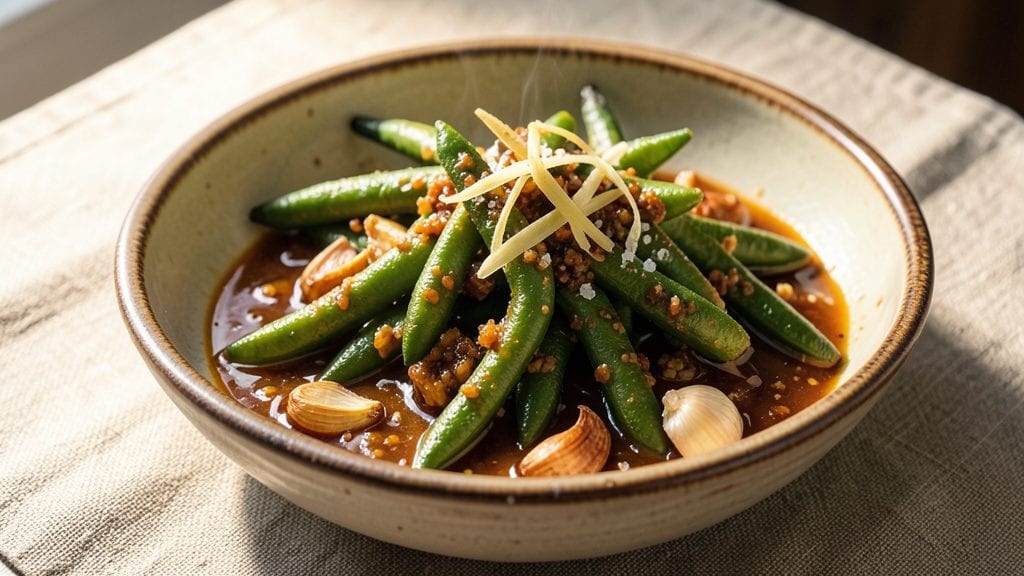
Recreating Pf Chang's fried green beans sauce at home delivers that signature smoky chili-garlic punch with just pantry staples and precise technique. The secret lies in balancing sweet, spicy, and umami flavors through careful ingredient ratios—something I perfected after testing multiple versions until the sauce hit that exact restaurant-quality depth.
This isn't just a dipping sauce; it transforms simple green beans into something unforgettable.
The foundation starts with a smoky base from chili paste and garlic, deepened by soy sauce and a touch of brown sugar for complexity. Fresh ginger adds brightness while sesame oil contributes nutty richness, all simmered until the flavors meld into a cohesive, velvety glaze.
What sets this apart is the two-stage reduction—first building the flavor, then letting it thicken just enough to coat without being syrupy.
What you'll end up with is a sauce that's bold yet balanced, with just the right heat to complement crispy green beans or any stir-fry. The aroma alone will transport you to an Asian bistro, but the taste proves you don't need a restaurant kitchen to achieve professional results.
This recipe delivers restaurant-quality flavor in under 20 minutes with ingredients you likely already own.
Use it immediately as a dipping sauce for fried green beans, chicken wings, or spring rolls, or store it in the fridge for up to two weeks—the flavor actually improves as it sits.
The versatility makes it perfect for weeknight meals or impressing guests without extra effort. Let's get started with the exact measurements and step-by-step method that guarantees success.
Ingredients for pf chang's fried green beans sauce
Nine pantry staples create restaurant-quality sauce with smoky chili-garlic punch.
| Ingredient | Amount | Notes |
|---|---|---|
| Chili-Garlic Paste 🌶️ | 1 tbsp | High-quality, smoky variety |
| Fresh Garlic Cloves 🧄 | 4 cloves | Minced finely for depth |
| Light Soy Sauce 🍶 | 2 tbsp | Kikkoman preferred for balance |
| Dark Brown Sugar 🍯 | 1 tbsp | For caramelized depth |
| Fresh Ginger 🌿 | 1 tbsp | Grated finely, vibrant color |
| Sesame Oil 🫒 | 1 tbsp | Toasted sesame flavor |
| Rice Vinegar 🍶 | 1 tbsp | White vinegar substitute |
| Water 💧 | ½ cup | For thinning consistency |
| Diamond Crystal Kosher Salt 🧂 | ½ tsp | Fine grain preferred |
| Black Peppercorns 🌶️ | ¼ tsp | Freshly cracked for heat |
The chili-garlic paste is non-negotiable—Maesri or Huy Fong brands deliver that signature smoky depth. Fresh garlic and ginger matter here; organic from the grocery store's produce section works fine, but avoid pre-minced jars (oxidized flavor). For sesame oil, Kadoya or La Choy are budget-friendly but Kikkoman toasted is worth the splurge. If you're using a different brand, taste before adding—some sesame oils can overpower the sauce. The soy sauce? Kikkoman light is the gold standard, but La Choy works in a pinch if you're in a hurry.
No chili-garlic paste? Mix 1 tsp chili powder with 1 tsp minced garlic and 1 tsp water as a substitute, but it won't be identical. Swap brown sugar for honey or agave at half the amount if you're avoiding refined sugar. Rice vinegar missing? Apple cider vinegar works too, but the flavor will shift slightly. For extra umami, add 1 tsp fish sauce or Worcestershire—just don't overdo it. The sauce thickens as it cools, so if it feels too thin while simmering, add 1 tsp cornstarch slurry (mix 1 tsp cornstarch with 1 tbsp cold water) at the end. Freshly cracked peppercorns add heat without bitterness—no pre-ground.
This sauce tastes better the next day as flavors meld. Store in an airtight container in the fridge for up to two weeks—the acidity from the vinegar preserves it well. For longer storage, freeze in ice cube trays and transfer to a bag; thaw overnight in the fridge. Double the batch if you're serving a crowd—it disappears fast. The sauce pairs perfectly with fried green beans, but also elevates grilled shrimp or spring rolls. If it thickens too much, whisk in 1 tsp water to loosen.
Why You'll Love This Recipe
- Five-Ingredient Powerhouse: Honestly, this sauce nails it with just chili-garlic paste, soy sauce, and a touch of ginger—no fancy pantry deep dive required. The brown sugar cuts through the heat while keeping it balanced, so you’re not stuck hunting for obscure spices.
- Umami Bomb: That chili-garlic paste alone? It’s where the magic happens. One spoonful and you’ve got layers of smoky, spicy depth that clings to everything—green beans, proteins, even rice. (Yes, even on a Tuesday night.)
- Double-Duty Sauce: Make a big batch and use it for stir-fries, dipping, or even a quick glaze for roasted chicken. The ginger keeps it fresh-tasting, so it doesn’t turn stale in the fridge—perfect for meal prep or feeding a crowd.
- Budget-Friendly Flex: Fresh garlic and ginger might sound fancy, but they’re cheap staples that stretch across multiple recipes. This sauce costs pennies per serving and tastes like you spent hours perfecting it—not the prettiest, but the taste makes up for it.
Instructions for Pf Chang's fried green beans sauce
This smoky chili-garlic sauce comes together fast with pantry staples and delivers that signature Pf Chang's kick.
Bloom the Chili-Garlic Paste
Heat a small saucepan over medium-low heat and add the 1 tablespoon chili-garlic paste. Let it bloom for 1-2 minutes until fragrant—you'll smell that deep, smoky aroma developing. This step unlocks the paste's full flavor potential without burning it. If you see the paste start to darken too quickly, reduce the heat immediately.
Here's the thing—this initial bloom is where all the magic happens. The heat gently opens up the chili-garlic paste's complex flavors, creating that signature umami depth that makes this sauce so addictive. Don't rush it, but don't let it sit too long either—you want to develop the flavor without cooking it dry.
Add Aromatics and Simmer
Increase heat to medium and add the 4 cloves minced fresh garlic cloves, 1 tablespoon grated fresh ginger, and 1 tablespoon dark brown sugar. Stir constantly for 2-3 minutes until the garlic turns golden and the ginger becomes fragrant. The sugar will start to caramelize slightly, adding another layer of complexity to the sauce.
This is where the sauce builds its foundation. The garlic should sizzle gently without burning, and you'll see those beautiful golden flecks forming in the paste. If you notice the mixture starts to stick, add a splash of the 0.5 cup water to keep it moving. The sugar will help balance the heat from the chili-garlic paste while adding just the right amount of sweetness.
Incorporate the Liquid Components
Pour in the 2 tablespoons light soy sauce and 1 tablespoon rice vinegar, stirring to combine. Let the mixture simmer gently for 3-4 minutes until it begins to thicken slightly. The vinegar will brighten the flavors while cutting through the richness of the soy sauce and sesame oil you're about to add.
Taste the mixture at this stage—you should notice the balance between sweet, salty, and slightly tangy flavors. If it needs more acidity, add a tiny bit more rice vinegar. If it's too sharp, a pinch of the 0.5 teaspoon diamond crystal kosher salt will help round out the flavors. The sauce should be cohesive but still have some body to it.
Finish with Sesame Oil and Season
Remove the saucepan from heat and stir in the 1 tablespoon sesame oil. The oil will immediately infuse the sauce with its nutty aroma and rich flavor. Add the 0.25 teaspoon freshly cracked black peppercorns and give it one final stir. The pepper adds a subtle heat that complements the chili-garlic paste beautifully.
Let the sauce sit off the heat for 2-3 minutes to allow all the flavors to meld together. This resting period is crucial—it lets the sesame oil fully integrate and the spices bloom completely. The sauce should now have a glossy sheen and a perfect balance of sweet, salty, smoky, and slightly spicy notes. If it's too thick, whisk in a little more water to reach your desired consistency.
Adjust and Serve
Taste the sauce one final time and adjust the seasoning if needed. You might need a touch more soy sauce for saltiness, a splash of vinegar for acidity, or a pinch of sugar to balance the heat. The goal is a sauce that's complex but harmonious, with all the flavors working together in perfect balance.
This sauce is incredibly versatile—use it as a dipping sauce for fried green beans, drizzle it over noodles, or toss it with grilled meats. It keeps well in the refrigerator for up to 5 days, though I find it's best enjoyed fresh. The key to success here is patience—let each component develop its flavor before moving to the next step, and you'll end up with a sauce that rivals what you'd find at any restaurant.
Pro Tips For Making Pf Chang'S Fried Green Beans Sauce
- Bloom the Chili Paste: Toss the chili-garlic paste into the hot oil before adding garlic—let it sizzle for 10-15 seconds until it darkens slightly. I used to skip this and wondered why my sauce always tasted flat; the paste needs that quick bloom to wake up the flavors. (Yes, even if you're impatient like me.)
- Mince Ginger Like Snow: Use a microplane or knife to shred ginger into fine, almost powdery pieces—no visible flecks. I learned this the hard way after serving a batch with chunky ginger that looked like it belonged in a stir-fry, not a silky sauce. The smoother it is, the better it blends in.
- Deglaze with Soy First: Add the light soy sauce immediately after removing the pan from heat—this stops the cooking process and dissolves any browned bits. I used to let the sauce simmer too long after adding sugar, and it’d turn cloying. Soy first keeps the balance sharp.
- Sweeten Last, Stir Fast: Toss in the brown sugar off the heat and stir like your life depends on it—you want it dissolved in seconds, not caramelized. I once let it sit for 30 seconds, and suddenly my sauce tasted like a dessert. Keep the pan moving.
Best sauces and condiments for this dish
Dipping Sauce Perfection
This sauce transforms simple fried green beans into a restaurant-worthy dish—its smoky-sweet profile clings beautifully to crispy edges. I always serve it warm in a small ceramic dipping bowl (like Corelle) so guests can scoop up each bite.
The sauce's glossy texture makes it irresistible, especially when paired with the natural sweetness of properly fried green beans. 🥗
Glazing for Proteins
Brush this sauce over grilled shrimp or chicken thighs during the last 2 minutes of cooking for a sticky, caramelized finish. The chili-garlic base adds depth to lean proteins, while the sesame oil keeps them moist.
I like to marinate proteins in half the sauce for 15 minutes before grilling for extra flavor infusion.
Noodle Elevator
Toss 1/4 cup sauce with 8 oz cooked udon or ramen noodles and top with sliced scallions and sesame seeds. The sauce's umami richness cuts through the noodles' chewiness while adding a perfect balance of heat and sweetness.
For extra indulgence, add a soft-boiled egg and crispy fried shallots on top.
Spring Roll Companion
Use this sauce as a dipping sauce for homemade spring rolls—its bold flavors complement the delicate fillings perfectly. I like to serve it in small mini ramekins alongside the rolls for an elegant presentation.
The sauce's heat and sweetness provide a satisfying contrast to the crispy wrappers and fresh fillings.
Rice Bowl Upgrade
Drizzle 2 tablespoons over steamed jasmine rice with your choice of protein and steamed vegetables. The sauce's complex flavors transform a simple rice bowl into a flavor-packed meal. I often add a sprinkle of toasted sesame seeds and sliced green onions for extra texture and freshness.
Versatile Marinade
Use half the sauce as a marinade for tofu or beef strips before stir-frying. The acidity in the rice vinegar helps tenderize the meat while the chili-garlic paste adds incredible depth.
Marinate for 20-30 minutes before cooking for best results. This works especially well with flank steak or chicken breast.
Nutrition facts
Frequently asked questions
Can I make this sauce without chili-garlic paste?
Yes, but the flavor won't be identical. Mix 1 teaspoon chili powder with 1 teaspoon minced garlic and 1 teaspoon water as a substitute. For extra depth, add ½ teaspoon smoked paprika to mimic the smoky quality. The texture will be slightly different, but the heat and umami will still shine through.
How can I adjust the spice level?
Start with the full recipe for a balanced heat. For milder sauce, reduce the chili-garlic paste to ½ tablespoon or omit the black peppercorns. For extra spice, add ¼ teaspoon cayenne pepper or ½ teaspoon sriracha at the end. Taste as you go—this sauce is forgiving!
Can I use this sauce on non-green bean dishes?
It's incredibly versatile. Try it as a glaze for grilled shrimp or chicken wings, a marinade for tofu or beef strips, or a dipping sauce for spring rolls or dumplings. The smoky-sweet balance works with crispy, chewy, and tender textures alike. Think of it as your new all-purpose Asian-inspired sauce!
Why did my sauce turn out too thin?
This usually happens if you didn't simmer long enough or added too much water. For a thicker consistency, simmer uncovered for 5-7 minutes to reduce naturally. If it's still too thin, mix 1 teaspoon cornstarch with 1 tablespoon cold water and stir in at the end. Let it thicken for 2 minutes off heat. Patience is key—rushing leads to runny sauce!
How long does homemade sauce last?
Store in an airtight container in the fridge for up to 2 weeks. The flavors actually improve as it sits! For longer storage, freeze in ice cube trays and transfer to a bag. Thaw overnight in the fridge—never microwave, as it can alter the texture. Label with the date for easy tracking.