
Sauces & Condiments
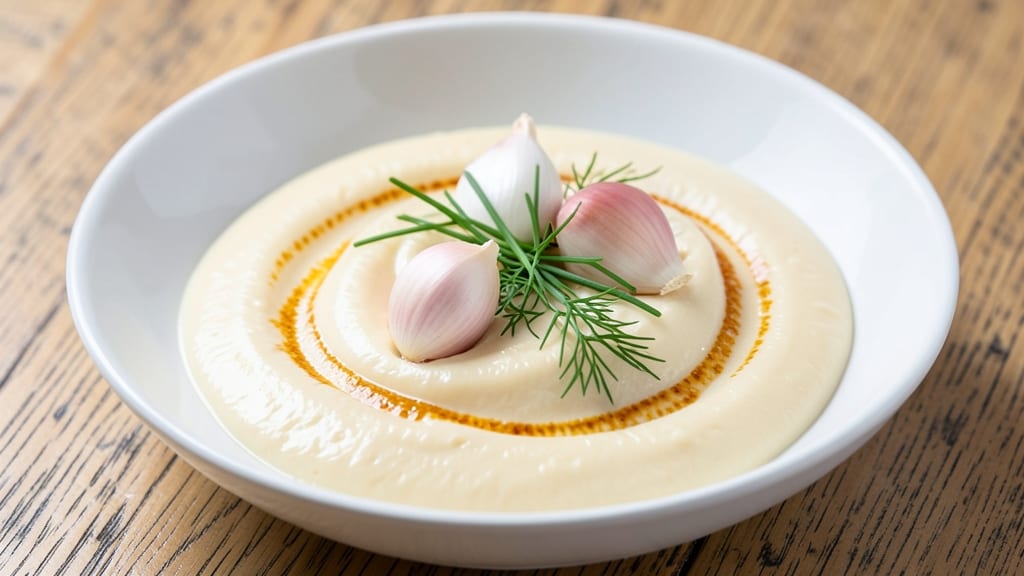
This Philadelphia cheese sauce recipe delivers that signature creamy, velvety melt you crave—smooth enough to coat every noodle or fry perfectly. The secret lies in balancing milk and butter with sharp cheddar, then thickening it just right for that restaurant-quality consistency.
I perfected this version after years of testing, ensuring it never breaks or clumps, even when reheated.
What sets this sauce apart is its foolproof technique: no lumps, no burning, and no need for fancy equipment. A simple roux made from butter and flour creates the perfect thickener, while low-and-slow heating ensures the cheese melts completely into a silky, golden sauce.
The result is a versatile condiment that elevates mac and cheese, dips, or even as a topping for burgers and nachos.
By the time you pour this sauce over your favorite dish, you’ll notice the difference immediately—rich, creamy, and tangy with just the right amount of stretch. It’s the kind of sauce that makes ordinary meals feel like a special occasion, and it’s easier to make than you’d think.
Ready to transform your next dish with this classic?
This recipe also works as a dipping sauce for veggies, a topping for loaded baked potatoes, or even a glaze for grilled meats. The possibilities are endless, and the process is straightforward. Let’s get started!
Ingredients for philadelphia cheese sauce
Nine simple ingredients transform into the ultimate creamy, stretchy sauce for mac, fries, or dips.
| Ingredient | Amount | Notes |
|---|---|---|
| Sharp White Cheddar Cheese 🧀 | 2 cups | Freshly grated from block for best texture |
| Unsalted Butter 🧈 | ½ cup | Cold, cut into small pieces for even melting |
| All-Purpose Flour 🌾 | ¼ cup | Sifted for lump-free roux |
| Whole Milk 🥛 | 1 ½ cups | Full-fat for creamiest results |
| Heavy Cream 🥛 | ½ cup | Adds luxurious richness |
| Garlic Cloves 🧄 | 1 whole | Minced for subtle depth |
| Yellow Mustard 🍯 | 1 tbsp | Dijon preferred for tang |
| Diamond Crystal Kosher Salt 🧂 | ¼ tsp | Adjust to taste |
| Ground Black Pepper 🌶️ | ¼ tsp | Freshly cracked for best flavor |
The cheese is non-negotiable. Sharp white cheddar from a deli counter (not pre-shredded) melts into that signature velvety texture. I always grab mine from Whole Foods or Trader Joe's—look for blocks with vibrant color and no orange hue. The butter matters too: unsalted gives you control over seasoning, and cold pieces melt more evenly. For the milk, whole milk is key—skim won't give you that same luxurious body. If you're in a pinch, half-and-half works but reduces creaminess slightly.
No sharp cheddar? Pepper jack or Colby Jack add a nice kick, though they'll change the flavor profile. Running low on heavy cream? Full-fat sour cream at half the amount mimics the richness. The garlic can be skipped if you're sensitive to its flavor, but I always include it—just one clove is enough to elevate without overpowering. For the mustard, Dijon adds more depth than plain yellow, but prepared mustard works in a bind. Pro tip: if your sauce seems too thick, a splash of warm milk fixes it instantly.
This sauce reheats beautifully—just warm it gently on the stove or microwave with a splash of milk to restore creaminess. Store leftovers in an airtight container in the fridge for up to 5 days, or freeze portions for 3 months. I like to portion it into small jars so I can grab just what I need. For extra convenience, make a double batch—the first day always disappears faster than you think. And if you're worried about lumps, remember: patience is key. Low heat and constant stirring prevent those dreaded clumps.
Why You'll Love This Recipe
- Five-Ingredient Magic: I swear by this combo—sharp cheddar, butter, flour, milk, and cream. That’s it. No fancy gadgets, no measuring cups with confusing lines, just a pot and a whisk. Honestly, I’ve made it while chatting on the phone, and it still turns out velvety smooth every time.
- Creamy Without the Guilt: The heavy cream gives it that luxurious mouthfeel, but the sharp cheddar keeps it from being too sweet. It’s rich but not cloying—like a hug from your favorite comfort food. (Yes, even on a Tuesday night when you’re craving something indulgent but don’t want to overthink it.)
- Dip, Pour, or Bake: This sauce is my secret weapon for mac and cheese, baked potatoes, or as a dip for veggies. Freeze half for later—it thaws like a dream and doesn’t separate. Between us, I’ve even used it to glaze roasted broccoli when I’m feeling fancy.
- Budget-Friendly Luxury: A block of sharp cheddar and a stick of butter stretch further than you’d think. I make a big batch, portion it out, and keep it in the fridge for days. Not the prettiest, but the taste makes up for it—plus, my wallet thanks me.
Step-by-step instructions for Philadelphia cheese sauce
Here's how to craft that signature creamy, velvety sauce that melts perfectly over mac and cheese or crispy fries.
Create a Smooth Roux with Butter and Flour
In a medium saucepan, melt the 0.5 cup unsalted butter over medium heat. Once fully melted, reduce the heat to medium-low and gradually whisk in the 0.25 cup all-purpose flour. You're making a roux - this will be the foundation of your sauce's thickness and flavor. Whisk constantly for 1-2 minutes until the mixture turns a pale golden color and smells nutty. This ensures you're not burning the flour, which would give your sauce a bitter taste. The roux should be smooth and lump-free, coating the back of a spoon evenly.
I like to use a wooden spoon for this step because it helps distribute heat evenly and prevents scorching. If you see any brown spots forming, immediately reduce the heat or remove the pan from the burner for a moment. This roux will thicken your sauce beautifully, so take your time getting it right.
Cook the Garlic and Mustard
Add the minced 1 whole garlic clove and 1 tablespoon yellow mustard to the roux. Stir constantly for 30 seconds until the garlic becomes fragrant but doesn't brown. You want that subtle garlic flavor without any bitterness. The mustard will add a lovely tang that balances the richness of the cheese. If you're using Dijon mustard, you'll notice it has a more complex flavor profile that works particularly well here.
Here's the thing - don't walk away during this step. Garlic burns quickly and can make your entire sauce taste bitter. You'll know it's ready when the pan smells wonderfully aromatic and the garlic pieces are just starting to soften. This is where the magic begins for that signature Philadelphia cheese sauce flavor.
Gradually Add Milk and Cream
Slowly pour in the 1.5 cups whole milk while whisking vigorously to prevent lumps from forming. After all the milk is incorporated, add the 0.5 cup heavy cream. The sauce will begin to thicken immediately. Keep whisking constantly for 2-3 minutes until the mixture comes to a gentle simmer. You're looking for a smooth, creamy consistency that coats the back of a spoon.
This gradual addition is crucial. Adding the liquids too quickly can create lumps that are nearly impossible to eliminate. If you do see any lumps forming, use a handheld immersion blender to smooth them out. The sauce should be silky and beginning to thicken noticeably at this stage.
Incorporate the Cheese
Lower the heat to medium-low and begin adding the 2 cups sharp white cheddar cheese in small batches. Stir constantly as each addition melts into the sauce. I've found that adding the cheese gradually prevents clumping and ensures an even melt. You'll notice the sauce becoming thicker and more luxurious as the cheese incorporates. This is where patience pays off - rushing this step can lead to grainy texture.
Continue stirring until the cheese is completely melted and the sauce is smooth. The mixture should be thick enough to coat the back of a spoon but still flow easily. If it's too thick, you can thin it slightly with a splash of warm milk. The cheese should be fully dissolved with no visible chunks remaining.
Season and Finish
Remove the sauce from heat and stir in the 0.25 teaspoon diamond crystal kosher salt and 0.25 teaspoon ground black pepper. Taste and adjust the seasoning if needed - sometimes the sharpness of the cheese needs a little more salt to bring out its flavor. Let the sauce sit off the heat for 2-3 minutes to thicken slightly. This resting period allows all the flavors to meld together beautifully.
For the best results, use the sauce immediately over your favorite pasta, fries, or vegetables. The Philadelphia cheese sauce should be velvety smooth with a perfect balance of rich cheddar flavor and subtle mustard tang. If you need to reheat later, do so over low heat, stirring constantly to prevent separation. This sauce is at its peak freshness right after making it.
Pro Tips For Making Philadelphia Cheese Sauce
- Whisk the Butter First: Melt the butter slowly in the pot before adding flour—this coats the flour evenly and cuts down on lumps. I used to toss flour in cold and end up with a grainy roux every time, no matter how much I whisked.
- Grate the Cheese Fresh: Skip the pre-shredded cheese—it’s coated with anti-caking agents that make the sauce clump. Use a box grater or food processor for sharp white cheddar, and pulse it just until it’s crumbly, not powdery.
- Temper the Milk: Warm the milk and heavy cream together over low heat until they’re steaming, then whisk them into the roux in stages. Cold liquid shocks the butter and causes the sauce to break—trust me, you’ll know when it happens.
- Simmer, Don’t Boil: Keep the sauce at a gentle bubble (tiny bubbles at the edges) while cooking the roux. Boiling it turns the flour into paste and makes the sauce taste raw—this isn’t a race, even if you’re impatient like me.
Pro cooking tips for perfect results
Roux Perfection
Your roux is the foundation of a smooth sauce, so nail the color and timing. Cook the butter and flour over medium-low heat for 1-2 minutes until it reaches a pale golden hue—not brown. I use a wooden spoon for even heat distribution, whisking constantly to prevent scorching.
A properly made roux should smell nutty and coat the back of your spoon. If it darkens too quickly, reduce heat immediately—burnt roux means bitter sauce. 🌡️
Cheese Melting Magic
Add cheese gradually in small batches while stirring constantly. I start with ½ cup at a time, letting each addition fully melt before adding more. This prevents clumping and ensures a silky texture.
If you see any lumps forming, immediately whisk them out or use a handheld immersion blender for 10 seconds. The key is patience—rushing this step leads to grainy sauce. For extra smoothness, I strain the melted cheese through a fine-mesh sieve before combining with the rest.
Temperature Control
Never let your sauce boil—medium-low heat is ideal throughout the process. Boiling causes the milk to curdle and the cheese to separate. I keep my sauce at a gentle simmer, stirring every 30 seconds to prevent sticking.
If the sauce starts to thicken too quickly, add 1-2 tablespoons of warm milk to restore balance. A thermometer helps—ideal sauce temperature is 170-180°F before removing from heat.
Lump Prevention
Whisking is non-negotiable, but even with perfect technique, lumps can appear. If they do, don’t panic—a handheld immersion blender works wonders. For a smoother finish, strain the sauce through a fine-mesh sieve before serving. I also recommend using whole milk and heavy cream—their fat content helps prevent curdling.
If your sauce still looks uneven, add 1 teaspoon of cornstarch mixed with 1 tablespoon cold water and stir until smooth.
Seasoning Secrets
Taste your sauce before adding salt—sharp cheddar often needs less than you think. I start with ¼ teaspoon kosher salt, then adjust based on the cheese’s intensity. Freshly cracked black pepper adds warmth, but don’t overdo it.
For extra depth, a pinch of smoked paprika or nutmeg elevates the flavor. Let the sauce rest 2-3 minutes off heat before serving—this allows flavors to meld and the sauce to thicken slightly. 💡
Reheating Like a Pro
If storing leftovers, cool the sauce quickly in an ice bath to prevent bacterial growth. Reheat over low heat, stirring constantly, and add 1-2 tablespoons of warm milk if it thickens too much. Microwaving works in a pinch—heat in 20-second bursts, stirring between each, until fully warmed.
Avoid high heat, which can cause separation. For best results, reheat only what you need to keep the sauce creamy. A splash of lemon juice can restore brightness if the sauce tastes flat after reheating.
Nutrition facts
Frequently asked questions
Can I substitute cream cheese for the sharp cheddar?
While cream cheese adds creaminess, it won't give you that classic Philadelphia cheese sauce flavor. Use it as a supplement (up to ¼ cup mixed with the cheddar) for extra richness, but the sharp cheddar is essential for the signature tang. For a dairy-free option, try a high-quality vegan cheddar alternative—just add a splash of lemon juice to mimic the acidity.
Why did my sauce get grainy?
Grainy texture usually means the cheese didn't melt completely or the roux was overcooked. Always add cheese gradually over low heat while whisking constantly. If it happens, strain the sauce through a fine-mesh sieve or blend briefly with an immersion blender. For next time, ensure your roux is pale golden (not brown) and never let the sauce boil.
How can I make this sauce thicker or thinner?
For a thicker sauce, simmer uncovered for 1-2 extra minutes or add ½ teaspoon cornstarch mixed with 1 tablespoon cold water. To thin it, stir in 1-2 tablespoons warm milk or heavy cream. Pro tip: If reheating leftovers, add a splash of milk to restore creaminess—never high heat, which causes separation.
Is this sauce good for dips or just pasta?
Absolutely versatile! This sauce works perfectly as a dip for veggies, pretzels, or fries. For extra flavor, add ½ teaspoon smoked paprika or a pinch of cayenne. It also makes an amazing topping for burgers, loaded baked potatoes, or grilled chicken. The key is using it fresh—it reheats beautifully but loses some of its velvety texture after sitting.