
Sauces & Condiments
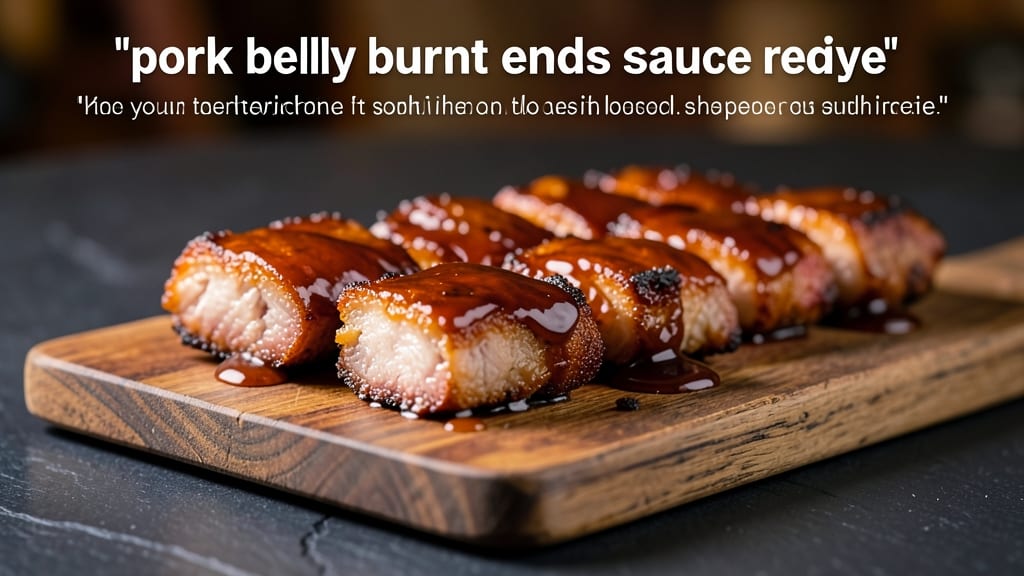
This pork belly burnt ends sauce recipe transforms simple ingredients into a smoky-sweet glaze that clings to fall-apart meat like liquid gold. The secret lies in balancing tangy tomato, rich molasses, and slow-simmered spices that deepen flavor without overpowering the pork's natural richness.
I developed this sauce after years of testing—it's the perfect marriage of sweet and smoky that turns burnt ends into a showstopper.
The process is straightforward but requires patience: simmering ketchup, vinegar, and molasses with aromatic spices until thickened into a glossy, syrupy consistency. This isn't just a sauce—it's a flavor amplifier that elevates every bite, creating a caramelized crust on the meat while keeping it irresistibly tender.
The result is a glaze so rich it'll have everyone asking for seconds.
What makes this sauce truly special is its versatility—it works as a finishing glaze, a dipping sauce, or even a marinade for future meals. The molasses adds depth, while the spices create warmth that lingers on the palate.
Store it in the fridge for up to two weeks or freeze for longer shelf life, ensuring you always have restaurant-quality flavor at your fingertips.
Perfect for serving with burnt ends, this sauce also pairs beautifully with roasted meats, grilled vegetables, or even as a dipping sauce for fries. The balance of sweet, tangy, and smoky flavors makes it a crowd-pleaser that's simple to prepare but impossible to resist. Let's get cooking!
Ingredients for pork belly burnt ends sauce
Nine simple ingredients create this smoky-sweet glaze that turns pork belly into a showstopper.
| Ingredient | Amount | Notes |
|---|---|---|
| Ketchup 🍅 | 1 cup | High-quality, no sugar added preferred |
| Molasses 🍯 | ½ cup | Unsulphured for authentic flavor |
| Apple Cider Vinegar 🍏 | ¼ cup | Balances sweetness perfectly |
| Onion Powder 🧅 | 1 tbsp | Freshly ground for depth |
| Garlic Powder 🧄 | 1 tbsp | Not garlic salt |
| Smoked Paprika 🌶️ | 1 ½ tbsp | Key for smoky flavor |
| Ground Black Pepper 🌶️ | ½ tsp | Freshly cracked for heat |
| Ground Cinnamon 🌿 | ¼ tsp | Adds subtle warmth |
| Granulated Sugar 🍚 | ¼ cup | Enhances caramelization |
| Salt 🧂 | 1 tsp | Kosher or sea salt |
The molasses is the soul of this sauce—Goya or Brer Rabbit are my go-tos, but any unsulphured works. If your ketchup tastes artificial, Heinz or Hunt's are solid choices, but nothing beats homemade tomato sauce. Smoked paprika is non-negotiable for that authentic BBQ depth—Penzeys has a great selection if you want to splurge. The apple cider vinegar should be organic if possible, but regular works fine. I usually grab mine from Trader Joe's—cheap and reliable. For the spices, freshly ground onion and garlic powder make all the difference, but pre-ground is fine in a pinch.
No molasses? Maple syrup at half the amount gets you close, though it won't be exactly the same. Short on vinegar? Lemon juice works too, but the flavor shifts slightly. The sugar can be swapped for brown sugar if you're out, but it'll be less caramelized. If you're feeling fancy, add a dash of liquid smoke—it's a game-changer for that smoky punch. The ketchup is the base, so don't skimp on quality. If you're using store-bought, shake the bottle first—settled ketchup is a flavor killer. And yes, you can make this without sugar if you're watching carbs, but it won't be as rich.
This sauce keeps 2 weeks in the fridge, sealed tightly. For longer storage, freeze in ice cube trays—perfect for glaze portions. Reheat gently on low, stirring often to avoid burning. The flavor actually improves after a day or two as everything melds together. I usually make a double batch—one for immediate use, one to freeze for future burnt ends nights. If it thickens too much, just add a splash of water or broth when reheating. Trust me, it's worth the extra effort.
Why You'll Love This Recipe
- Pantry Magic: I swear by this sauce because it’s made with stuff I already have—no fancy shopping trips. That molasses-ketchup-vinegar combo? It’s the secret weapon that turns simple pork belly into something unforgettable.
- Sweet-Savory Bomb: The molasses cuts through the richness of the pork belly while the vinegar keeps it bright, and those garlic and onion powders? They’re the little flavor bombs that make every bite sing—like a hug in sauce form.
- Game for Any Meal: Slather it on burnt ends for a Sunday dinner, toss it with fries for a late-night snack, or even drizzle it over grilled chicken. It’s that versatile—once you make it, you’ll find excuses to use it.
- Leftovers That Don’t Suck: This sauce doesn’t just taste better the next day—it elevates the leftovers. Store it in the fridge for up to a week, and suddenly, reheated pork belly feels like a restaurant meal. (Between us, I’ve eaten it cold on sandwiches. Don’t judge.)
Step-by-step instructions for smoky-sweet pork belly glaze
This sauce brings deep flavor and glossy richness to your burnt ends—simple steps for big impact.
Combine Wet Ingredients in a Saucepan
In a medium saucepan, pour in the 1 cup ketchup, 0.5 cup molasses, and 0.25 cup apple cider vinegar. Stir them together gently over medium-low heat—you want to warm everything gradually without letting it boil yet. The molasses will thicken as it heats, so keep an eye on the pan.
Here's the thing—molasses has a tendency to burn if you rush it. Let it simmer for 5 minutes while you prepare the dry ingredients. You'll know it's ready when the mixture smells rich and slightly caramelized, with no raw vinegar tang remaining. This foundational blend will carry all the smoky-sweet flavors of your final sauce.
Add Dry Seasonings and Sugar
With the pan still on medium-low heat, sprinkle in the 1 tablespoon onion powder, 1 tablespoon garlic powder, 1.5 tablespoons smoked paprika, 0.5 teaspoon ground black pepper, 0.25 teaspoon ground cinnamon, 0.25 cup granulated sugar, and 1 teaspoon salt. Stir constantly for 3-4 minutes until the sugar dissolves completely and the spices bloom.
Watch for the sauce to darken slightly—this is where the magic happens. The smoked paprika will deepen in color, and the cinnamon adds that subtle warmth that pairs perfectly with pork. If the sauce starts to bubble too vigorously, reduce the heat just a touch. You're looking for a smooth, thick consistency that coats the back of a spoon without being gluey.
Simmer Until Thick and Glossy
Increase the heat to medium and let the sauce bubble gently for 15-20 minutes. Stir occasionally to prevent sticking, and taste as you go. You want the sauce to reduce until it's thick enough to coat the back of a spoon but still pourable. It should smell intensely of molasses and smoke, with just a hint of vinegar brightness.
Here's where it gets fun—the sauce will darken to a deep amber color as it thickens. If it starts to look too thin, increase the heat slightly to evaporate more liquid. If it gets too thick, add 1 tablespoon water at a time until you reach that perfect glaze consistency. The goal is a sauce that's rich enough to cling to every bite of pork but still glossy enough to shine on the plate.
Strain and Cool Slightly
Once the sauce reaches the right consistency, remove it from heat and let it cool for 5 minutes. Then, pour it through a fine-mesh strainer into a clean bowl to remove any lumps. This step ensures a silky-smooth texture that won't be grainy when drizzled over your burnt ends.
Real talk: Skipping the straining won't ruin your sauce, but you'll miss out on that restaurant-quality finish. The strained sauce will coat your meat perfectly, creating that beautiful sheen that makes every bite look (and taste) like it came from a high-end BBQ joint. Let it cool to room temperature before using—this helps it thicken just a bit more, making it even more clingy.
Pro Tips For Making Pork Belly Burnt Ends Sauce
- Simmer Slow and Low: That sauce is thick, glossy, and packed with flavor—not thin and watery. After adding ketchup and molasses, reduce heat to medium-low and let it bubble gently for at least 15 minutes. Rushing it means sugar burns and the vinegar’s tang gets lost in the mess.
- Deglaze First, Then Add Liquids: Don’t just dump vinegar and powders into the pot raw. After browning your burnt ends, scrape up those crispy bits with a splash of apple cider vinegar first—this pulls out all the caramelized goodness. Then add the rest of the vinegar, ketchup, and spices; you’ll get a richer base that way.
- Use Real Molasses, Not Syrup: Iced tea syrup or pancake syrup? Nope. Real molasses has depth—its bittersweet, almost smoky notes cut through the ketchup’s sweetness and balance the vinegar’s sharpness. A quarter cup makes a difference; cheap substitutes just taste like sugar with regret.
- Balance the Vinegar Early: Taste that sauce before it thickens. If the vinegar’s bite feels too harsh, add a pinch of onion powder or a dash of molasses to mellow it out. Waiting until the end means you’re stuck with a sauce that’s either too tangy or needs sugar to fix it—neither works well with pork belly’s richness.
Flavor customization for this pork belly burnt ends sauce
Sweet Heat Variations
For a spicier kick, add 1 teaspoon cayenne pepper or ½ teaspoon red pepper flakes when simmering the sauce. I like Penzeys Caribbean Hot Sauce (just ½ tablespoon) for a smoky heat that pairs perfectly with pork.
For a sweeter profile, increase molasses to ⅔ cup and add 1 tablespoon maple syrup—this creates a deeper caramelized glaze that's irresistible. 🌶️
Tangy Twist Options
Swap apple cider vinegar for red wine vinegar to add complexity, or use ½ cup tomato paste instead of ketchup for a richer base. For a bright finish, stir in 1 tablespoon lemon juice after cooling.
I also love adding 1 teaspoon Dijon mustard for a subtle tang that cuts through the richness. The acidity balances the molasses beautifully.
Smoky Depth Boosters
For extra smokiness, add ½ teaspoon liquid smoke (like Coltman's) or a ½-inch piece of smoked salt (like Morton Smoked Salt) to the simmering sauce. If you have access to chipotle peppers in adobo, blend 1-2 peppers with the sauce for a smoky, slightly spicy depth.
This works especially well for burnt ends served on a smoker.
Herb & Aromatic Infusions
Fresh herbs elevate this sauce dramatically. Stir in 1 tablespoon chopped fresh rosemary or thyme during the final 5 minutes of simmering, then strain out before serving. For a brighter flavor, add 1 teaspoon grated fresh ginger or ½ teaspoon ground coriander.
These additions add layers of complexity that make the sauce even more versatile for different dishes. ✨
Slow-Cooker Adaptation
For hands-off flavor development, combine all ingredients in a slow cooker and cook on low for 3-4 hours or high for 2 hours. The extended cooking time deepens the caramelization and melds the spices more thoroughly.
I find this method especially useful for large batches—just stir occasionally to prevent sticking. The result is an even richer, more complex sauce perfect for meal prep. 💫
Nutrition facts
Frequently asked questions
Can I make this sauce without molasses?
Yes, but the flavor will change. Replace the ½ cup molasses with ⅓ cup maple syrup for a sweeter profile or ½ cup brown sugar dissolved in 2 tablespoons water for a more traditional BBQ sauce base. The sauce will be less rich but still delicious.
How do I prevent the sauce from burning?
Keep the heat at medium-low during the initial 5 minutes of simmering, especially with molasses. Stir constantly and never let it boil vigorously. If it starts to darken too quickly, reduce the heat further or remove from heat for 1-2 minutes to cool slightly. Patience is key—rushing leads to bitter flavors.
Can I use this sauce for other meats?
This glaze works beautifully on pulled pork, ribs, chicken thighs, or even tofu for a vegetarian version. The smoky-sweet balance complements rich, fatty meats best, but it also pairs well with grilled vegetables like eggplant or portobello mushrooms. Just adjust the amount—meatier cuts need more sauce.
Why did my sauce turn out too thin?
This usually happens if you didn't simmer long enough or used too much liquid. To fix it, return the sauce to medium heat and simmer uncovered for an additional 10-15 minutes, stirring often. If it's still too thin, mix 1 tablespoon cornstarch with 1 tablespoon water, stir into the sauce, and simmer until thickened. For next time, simmer until it coats the back of a spoon.
How can I make this sauce ahead of time?
This sauce actually tastes better after resting! Store it in an airtight container in the fridge for up to 2 weeks, or freeze in ice cube trays for easy portioning. Reheat gently on low heat, stirring frequently to prevent scorching. The flavors meld and deepen over time, making it perfect for meal prep.