
Sauces & Condiments
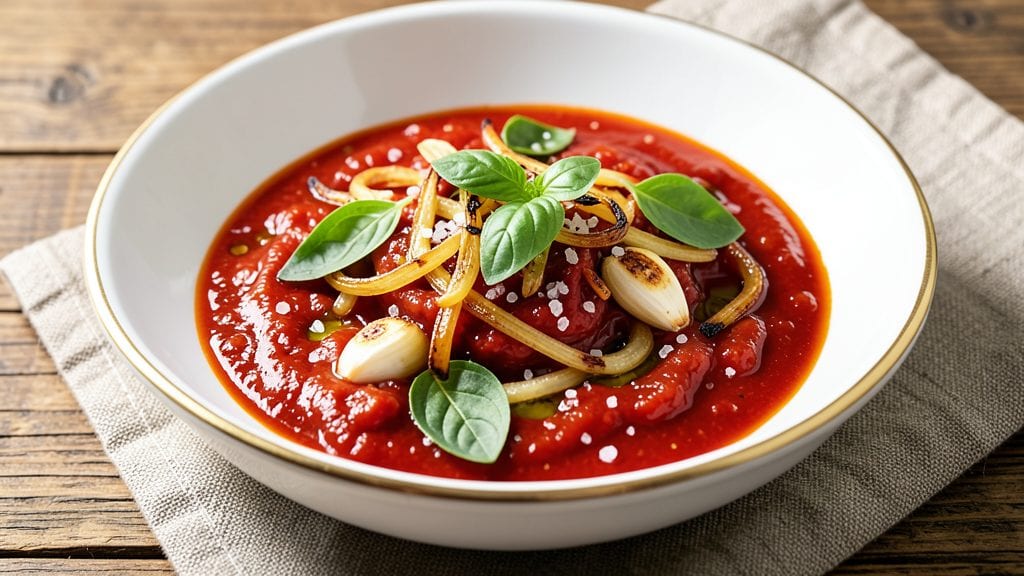
Creating Rao's pasta sauce at home delivers that restaurant-quality tomato depth you crave—slow-cooked until rich, aromatic, and balanced with garlic and basil. The secret lies in simmering whole tomatoes until they break down naturally, releasing their sweetness while developing layers of umami.
This isn't a quick sauce; it's a labor of love that transforms simple ingredients into something extraordinary.
What sets this sauce apart is the technique: no blender, no shortcuts. We'll build flavor by cooking the tomatoes low and slow, allowing their natural sugars to caramelize while garlic and herbs infuse deeply.
The result is a velvety, chunky sauce with just the right texture—thick enough to cling to pasta but still silky smooth. Professional chefs rely on this method because it delivers consistent, restaurant-worthy results every time.
The sauce develops its signature depth through a three-stage cooking process: initial simmer to soften the tomatoes, reduction to concentrate flavors, and finishing with fresh basil for brightness.
This isn't just marinara—it's a sauce that transforms ordinary pasta into a gourmet experience. The aroma alone will have everyone asking for seconds before they even taste it.
Perfect for meal prepping or serving fresh, this sauce keeps beautifully in the fridge for up to five days, allowing flavors to deepen over time. Whether you're feeding a family or hosting dinner guests, this Rao's-inspired sauce will elevate any pasta dish to new heights.
Let's get started on creating your own signature tomato masterpiece.
Ingredients for rao's pasta sauce
Eight essential ingredients transform into restaurant-quality Rao's pasta sauce with slow-cooked depth.
| Ingredient | Amount | Notes |
|---|---|---|
| San Marzano Whole Canned Tomatoes 🍅 | 28 oz | Crushed by hand, no liquid discarded |
| Extra-Virgin Olive Oil 🫒 | ½ cup | High-quality, fruity variety |
| Garlic Cloves 🧄 | 6 cloves | Peeled, thinly sliced |
| Fresh Basil Leaves 🌿 | ½ cup | Packed, stems removed |
| Yellow Onion 🧅 | 1 whole | Medium size, finely chopped |
| Diamond Crystal Kosher Salt 🧂 | 1 ½ tsp | Adjust to taste |
| Freshly Ground Black Pepper 🌶️ | ½ tsp | Freshly cracked |
| Red Wine 🍷 | ½ cup | Dry, bold variety |
| Granulated Sugar 🍚 | 1 tbsp | Balances acidity |
| Freshly Grated Parmesan Cheese 🧀 | ¼ cup | From aged Parmigiano-Reggiano |
The tomatoes are non-negotiable—San Marzano delivers that sweet, rich flavor that makes this sauce sing. Grab a few cans from Whole Foods or your local Italian market; the extra effort pays off. Fresh basil is ideal, but if you're using dried, reduce to one-third the amount—nothing beats that bright, fresh aroma. The olive oil should be something you'd drizzle on bread; California Early Harvest or Colavita are my go-tos. For the garlic, I always buy extra—half gets used here, half gets frozen in oil for future sauces. The red wine adds depth, so Cabernet Sauvignon or Chianti work perfectly—whatever's open in your fridge.
No San Marzano tomatoes? Plum tomatoes from a can will work, but the flavor won't be as refined. Short on basil? Fresh parsley or oregano can stretch it, but use sparingly. The sugar might seem odd, but it's crucial for balancing the acidity—brown sugar works too. The Parmesan should be freshly grated; pre-shredded tastes like sawdust. If you're making a big batch, double the wine and cheese—they keep the sauce rich and complex. The onions can be yellow or red, but sweet onions add a subtle caramel note worth the effort.
This sauce tastes even better the next day as flavors meld. Store in an airtight container in the fridge for up to 5 days. For longer storage, freeze in ice cube trays—perfect for single servings. If you're prepping for a crowd, make a double batch and freeze half. The sauce thickens as it cools, so add a splash of water or broth if it's too stiff when reheating. Always finish with fresh basil and a crack of black pepper—that's non-negotiable.
Why You'll Love This Recipe
- Five-Ingredient Magic: I swear by this—just tomatoes, garlic, onion, oil, and basil. That’s it. No blender, no straining, no fuss. The San Marzano tomatoes melt down into the most unexpectedly rich sauce with zero effort.
- Garlic-Basil Bomb: Between us, this is where the sauce gets its soul. The slow-simmered garlic turns sweet and golden, while the fresh basil at the end? Pure perfume in every bite. Honestly, I’ve tried fancy sauces that can’t compete.
- Leftovers That Beg: This sauce only gets better after a day or two—deeper, richer, like it’s been aging in a secret cellar. I make a big batch on Sundays, and by Wednesday, it’s the star of my lazy dinners.
- Budget-Friendly Luxury: San Marzano tomatoes might sound fancy, but they’re the real deal—sweeter, meatier, and cheaper than you’d think per serving. A single can stretches to feed four, and the rest of the ingredients? Pantry staples. No excuses.
Instructions for Rao's pasta sauce recipe: slow-cooked tomato depth with garlic and basil
Here's how to build this iconic sauce layer by layer—where every ingredient earns its place.
Build the Base with Olive Oil and Onion
Heat the 0.5 cup extra-virgin olive oil in a heavy-bottomed saucepan over medium-low heat. Add the 1 whole yellow onion, finely chopped, and cook for 8-10 minutes until translucent and just beginning to caramelize at the edges. This slow cook transforms the onion into sweet, flavorful threads that form the sauce's backbone.
I like to press down gently with a wooden spoon during the first 5 minutes—this prevents the onion from sticking and ensures even cooking. If the oil starts to bubble vigorously, reduce the heat slightly to maintain a gentle simmer. The goal is to develop flavor without browning too deeply, which would create bitterness rather than sweetness.
Add Garlic and Tomatoes for Rich Tomato Depth
Push the onions to one side of the pan and add the 6 cloves garlic cloves, thinly sliced. Cook for 1-2 minutes until fragrant but not browned—garlic burns in seconds, and you want to preserve its sweet, mellow flavor rather than bitter notes.
Pour in the 28 oz San Marzano whole canned tomatoes (crushed by hand) and bring to a gentle simmer. The tomatoes should release their juices immediately, creating a thick, vibrant base. Add the 1 tbsp granulated sugar now to balance the natural acidity of the tomatoes. Stir well and let the mixture cook uncovered for 15 minutes at a steady simmer. This initial reduction concentrates the flavors and removes excess moisture.
Infuse with Wine and Seasonings
After 15 minutes, pour in the 0.5 cup red wine and stir to deglaze the pan, scraping up any browned bits from the bottom. These fond bits are packed with flavor—don't miss them. Add the 1.5 tsp diamond crystal kosher salt and 0.5 tsp freshly ground black pepper, then reduce the heat to low and let the sauce simmer uncovered for another 20 minutes. You'll notice the sauce thicken slightly as it reduces, but it should still be loose enough to coat the back of a spoon.
Here's the thing—this slow simmer is where the magic happens. The wine's acidity brightens the tomatoes, while the salt and pepper begin to meld into the sauce. Taste after 15 minutes of simmering; if the acidity is too sharp, add a pinch more sugar. If it's too bland, add a pinch more salt. Adjust now rather than later—it's easier to fix before the flavors fully develop.
Finish with Basil and Parmesan
Remove the pan from heat and stir in the 0.5 cup fresh basil leaves, packed and stems removed. Let the basil steep in the warm sauce for 5 minutes, allowing its bright, aromatic oils to infuse. The basil should soften slightly but remain vibrant—not mushy. If the sauce is too thick at this point, whisk in 1-2 tablespoons of water to loosen it to a smooth, velvety consistency.
Finally, fold in the 0.25 cup freshly grated Parmesan cheese, using a wooden spoon to distribute it evenly. The cheese should melt into the sauce, adding a rich, nutty depth. Taste and adjust seasoning one last time—you're aiming for a balance of sweet, acidic, savory, and herbal notes. The sauce should coat the back of a spoon but still be fluid enough to cling beautifully to pasta.
Rest and Serve
Let the sauce rest at room temperature for 10-15 minutes before serving. This resting period allows the flavors to fully meld and the sauce to thicken slightly as it cools. Rao's sauce is best served warm, so if you're making it ahead, reheat gently over low heat, stirring occasionally to prevent scorching.
The sauce should be vibrant red with a glossy sheen, carrying the deep, sweet notes of the tomatoes, the bright acidity of the wine, and the fresh herbal punch of the basil. Serve immediately over al dente pasta, tossing well to ensure every strand is coated. The sauce will continue to develop in flavor as it sits, so if you're serving a crowd, keep it warm and let it rest for at least 15 minutes before serving to maximize its depth.
Pro Tips For Making Rao'S Pasta Sauce
- Smash Those Tomatoes: Grab a wooden spoon and crush the San Marzano tomatoes by hand—no blender needed. This breaks down the skins and seeds, giving you a smoother, richer sauce without the watery mess that happens when you just chop them. (Yes, even if you're impatient like me.)
- Sweat the Onion Low: Cook the yellow onion over medium-low heat until it’s soft and translucent, not browned. I learned this the hard way—burnt onions taste bitter and overpower the delicate sweetness of the tomatoes. A pinch of salt here helps draw out moisture faster.
- Garlic in Stages: Add half the minced garlic when the onions are soft, then the rest only after the tomatoes have simmered for 10 minutes. This prevents burning and lets the garlic infuse without turning acrid. (Your future self will thank you.)
- Basil at the End: Tear the fresh basil leaves and add them just before serving—no cooking. Heat destroys their bright flavor, and you want that fresh, herbal punch to shine. If you’re really short on time, a handful of dried basil works, but it won’t be the same.
Wine and beer pairings for this recipe
Italian Reds
This sauce pairs beautifully with Chianti Classico—its bright acidity and cherry notes mirror the tomato's natural sweetness. I always reach for a bottle from Castello di Volpaia, where the tannins complement the sauce's richness without overpowering it.
For something lighter, Montepulciano d'Abruzzo offers a juicy, berry-forward profile that cuts through the sauce's depth. 🍷
Medium-Bodied Whites
If you prefer white wine, Vermentino from Sardinia is a perfect match—its citrus and mineral notes refresh your palate between bites. I keep a bottle of Cantina Mesu 'e Mesu on hand for these occasions.
Another great choice is Fiano di Avellino, with its floral and stone fruit characteristics that harmonize with the basil and garlic in the sauce.
Bold Beer Pairings
For beer lovers, a Belgian Dubbel like Westmalle Dubbel brings malty sweetness and spice that pairs surprisingly well with the sauce's acidity. The caramel notes in the beer echo the sauce's slow-cooked tomato depth.
If you prefer something lighter, a crisp Italian lager like Peroni provides a clean finish that lets the sauce shine.
Non-Alcoholic Options
Don't drink alcohol? No problem. Sparkling San Pellegrino Aranciata with its orange and mandarin notes creates a refreshing contrast to the tomato's richness. For something more substantial, try Italian blood orange soda—its citrusy brightness complements the basil perfectly.
I often serve this with a side of crusty bread for dipping.
Wine Decanting Tip
If you're using red wine, let it breathe for 15-20 minutes before pouring—this softens the tannins and enhances the fruit flavors. I decant my Chianti in a Riedel Vinum decanter; the wide bowl allows proper aeration.
For white wines, serve chilled at 50-55°F to preserve their crispness and highlight the sauce's fresh basil notes.
Nutrition facts
Frequently asked questions
Can I substitute San Marzano tomatoes?
While San Marzano tomatoes are ideal, you can use plum tomatoes from a can in a pinch. Look for brands labeled "crushed" or "diced" with no added salt or preservatives. For best results, combine with a pinch of sugar (½ teaspoon) to balance acidity. The sauce will still develop depth, though the sweetness won't be as pronounced.
Why does Rao's sauce need such a long cooking time?
The slow simmer (35-40 minutes total) is key to building complex flavor. This time allows the tomatoes to break down naturally, releasing their natural sugars and developing a rich, velvety texture. Rushing it would leave the sauce watery and one-dimensional. Think of it like coffee—slow extraction brings out the best flavors.
Can I make this sauce in a slow cooker?
Use the same ingredients but transfer everything to your slow cooker after the initial 5-minute onion cook in a pan. Cook on low for 3-4 hours, stirring occasionally. The texture will be slightly thicker, so add 1-2 tablespoons of water if needed before finishing with basil and Parmesan. The slow cooker enhances the sauce's depth even more.
What's the best way to store leftover sauce?
Store in an airtight container in the fridge for up to 5 days. For longer storage, freeze in ice cube trays or small portions. When reheating, warm over low heat with a splash of water or pasta water to restore the perfect consistency. The sauce actually improves overnight as flavors meld!