
Sauces & Condiments
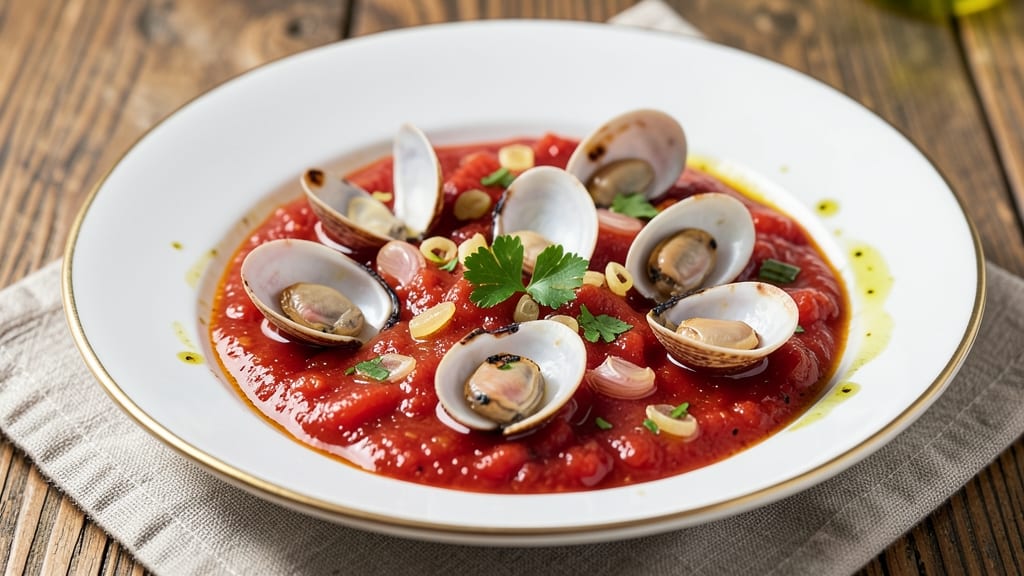
This red clam sauce recipe with canned clams transforms humble pantry ingredients into a bistro-worthy sauce that elevates any dish in just 20 minutes.
The secret lies in balancing briny clams with sweet tomatoes, aromatic garlic, and a touch of white wine—creating a velvety, umami-rich sauce that clings perfectly to pasta, fish, or crusty bread.
I developed this recipe after craving that classic Italian bistro flavor without the fuss of fresh clams or hours of simmering.
The beauty of this sauce is its versatility—it starts with simple ingredients but builds depth through careful simmering and blending. Canned clams provide that essential briny backbone, while tomatoes and wine add acidity and richness.
Garlic and fresh herbs infuse layers of flavor without overpowering the delicate clam taste. What makes it truly special is how quickly it comes together while delivering restaurant-quality results.
By the time you finish, you'll have a smooth, creamy red clam sauce that's perfect for drizzling over linguine, spooning onto grilled fish, or serving as a bold dip with crusty bread.
The sauce thickens beautifully as it cools, making it ideal for meal prep—simply reheat and adjust the consistency with a splash of water or broth. It's the kind of sauce that turns simple weeknight meals into something memorable.
Store leftovers in an airtight container in the refrigerator for up to 5 days or freeze for 3 months, ensuring you always have bistro-style flavor at your fingertips.
Whether you're hosting dinner guests or craving a taste of Italy on a Tuesday, this sauce delivers effortless sophistication. Let's make it!
Ingredients for red clam sauce recipe with canned clams
Pantry staples meet Italian bistro magic for this velvety red clam sauce.
| Ingredient | Amount | Notes |
|---|---|---|
| Canned Clams 🦪 | 14 ½ oz | Drained, liquid reserved for sauce |
| San Marzano Crushed Tomatoes 🍅 | 1 can | 28 oz can, high quality |
| Garlic Cloves 🧄 | 4 cloves | Minced, fresh preferred |
| Shallots 🧅 | 2 whole | Minced, or substitute 3 tbsp onion |
| Dry White Wine 🍷 | ½ cup | Sauvignon Blanc or Pinot Grigio |
| Heavy Cream 🥛 | ½ cup | Full-fat for creaminess |
| Extra-Virgin Olive Oil 🫒 | ¼ cup | High quality, fruity |
| Fresh Basil Leaves 🌿 | ¼ cup | Chopped, stems removed |
| Fresh Parsley 🌿 | 2 tbsp | Chopped, for garnish |
| Salt 🧂 | 1 tsp | Diamond Crystal preferred |
| Black Pepper 🌶️ | ½ tsp | Freshly ground |
| Lemon Juice 🍋 | 1 tbsp | Freshly squeezed |
The clams are the star, so grab the best canned variety you can find—Brioschi or Italian Meridiano brands are my go-to for that authentic briny flavor. Whole Foods or specialty Italian markets usually carry them, but the regular grocery store section works too. Look for cans labeled 'clams in natural juice'—they're less processed. The tomatoes? San Marzano is non-negotiable here—their sweetness balances the clams perfectly. If you can't find them, Muir Glen is a solid backup. Shallots add subtle sweetness but don't have them? Three tablespoons of finely minced red onion works in a pinch.
No white wine on hand? Substitute with 1/2 cup clam juice plus 1 tbsp lemon juice—it keeps that bright acidity. Heavy cream too rich? Use half-and-half or whole milk, though the sauce will be slightly lighter. Fresh herbs wilt fast, so dried basil at 1/3 the amount works if you're prepping ahead. The olive oil matters here—use something fruity and peppery like California Extra Virgin. For extra depth, add a 1/2 teaspoon of anchovy paste with the garlic (trust me, you won't taste it, but it adds umami magic).
This sauce thickens as it cools, so start with slightly less cream if you prefer it looser. Store in an airtight container with a thin layer of olive oil on top to preserve freshness—keeps 5 days in the fridge or 3 months frozen. I like to make double batches because it disappears faster than you'd think. Reheat gently over low heat, adding a splash of water or broth if it gets too thick. The flavor actually improves after the first day—let it sit overnight if you can.
Why You'll Love This Recipe
- I use this for everything: tossing it with linguine, slathering it on grilled fish, or even mixing it into a pasta bake. (Yes, even on a Tuesday night.) And if you’re hosting? Double the batch—it’s the kind of dish that disappears fast and leaves everyone asking for the recipe.
- Pantry Magic: I swear by this recipe when I’ve got nothing but canned clams and a bottle of wine. No fresh seafood to source, no last-minute grocery runs—just open, dump, and simmer. The San Marzano tomatoes handle all the heavy lifting, so you’re basically cheating at making something fancy.
- Wine-Infused Umami Bomb: That splash of dry white wine? It’s not just for show—it cuts through the richness of the clams and lets the garlic and shallots sing. Honestly, the first time I tasted this, I nearly spilled my glass. It’s the kind of sauce that makes you want to eat it with a spoon.
- Weeknight to Dinner Party: I use this for everything: tossing it with linguine, slathering it on grilled fish, or even mixing it into a pasta bake. (Yes, even on a Tuesday night.) And if you’re hosting? Double the batch—it’s the kind of dish that disappears fast and leaves everyone asking for the recipe.
Step-by-step instructions for red clam sauce with canned clams
Here's how to transform canned clams into a velvety, restaurant-worthy sauce in under 20 minutes.
Sauté Shallots and Garlic Until Fragrant
Heat the 0.25 cup extra-virgin olive oil in a large skillet over medium heat. Add the 2 whole shallots and 4 cloves garlic cloves, both minced, and cook for 3-4 minutes until the shallots soften and become translucent. You'll notice the kitchen fill with that irresistible garlic aroma—this is your cue that the aromatics are ready.
Be careful not to let the garlic brown—it should be golden without any dark spots. If it starts to darken too quickly, reduce the heat slightly. The goal is to build flavor without bitterness. Once the shallots are tender and the garlic is just beginning to color, you're ready for the next step. This foundational flavor is what transforms simple ingredients into something extraordinary.
Deglaze with White Wine and Add Tomatoes
Pour in the 0.5 cup dry white wine and let it simmer for 2-3 minutes until reduced by about half. You'll see the alcohol burn off, leaving behind concentrated flavor. This deglazing step captures all those browned bits from the shallots and garlic, creating a rich base for your sauce.
Next, add the 1 can San Marzano crushed tomatoes and stir well to combine. Let the mixture simmer for 5 minutes until the tomatoes break down slightly and the sauce begins to thicken. The acidity from the tomatoes will brighten the flavors, balancing the richness of the cream we'll add later. Keep an eye on the sauce—it should coat the back of a spoon but still be pourable.
Incorporate Clams and Simmer
Drain the 14.5 oz canned clams, reserving the juice (about ½ cup) in a separate bowl. Add the clams to the skillet and stir gently to distribute them evenly. Pour in the reserved clam juice and let the mixture simmer for 3-4 minutes until the clams are heated through and the sauce has thickened slightly.
This is where the magic happens—the clams release their briny sweetness into the sauce, creating a perfect balance of flavors. You'll know it's ready when the clams are plump and the sauce has a glossy, velvety consistency. If the sauce seems too thick, add 1-2 tablespoons of water to loosen it. The goal is a sauce that clings beautifully to pasta or crusty bread.
Finish with Cream and Herbs
Reduce the heat to low and stir in the 0.5 cup heavy cream. Let the sauce simmer gently for 2 minutes, just until it begins to thicken. The cream will create a luxurious, velvety texture that contrasts beautifully with the bright acidity of the tomatoes and clams. Taste and adjust the seasoning with 1 tsp salt and 0.5 tsp black pepper—this is your chance to fine-tune the flavors to your liking.
Remove the skillet from heat and stir in the 0.25 cup chopped fresh basil leaves and 2 tbsp chopped fresh parsley. Finish with the 1 tbsp lemon juice, which adds a bright, citrusy note that cuts through the richness of the cream. The sauce should now be vibrant, creamy, and brimming with layers of flavor. If you prefer a smoother texture, strain out the herbs before serving.
Serve Immediately Over Pasta or Bread
Serve the red clam sauce immediately over linguine or spaghetti, or use it as a dipping sauce for crusty bread. The sauce should be hot and glossy, with the clams visible in every bite. The contrast of the tender clams against the creamy sauce is what makes this dish so special.
If you're serving over pasta, toss it in the sauce just before plating to prevent the noodles from becoming soggy. Garnish with additional chopped parsley and a sprinkle of freshly cracked black pepper for a finishing touch. This sauce is best enjoyed fresh, so don't wait too long—every minute it sits, the flavors will meld even more, but the texture will begin to break down.
Pro Tips For Making Red Clam Sauce Recipe With Canned Clams
- Drain and Rinse Clams: Open the can and dump clams straight into a colander—juices and all. Rinse them under cold water for 10 seconds to remove excess salt and any metallic residue that can make the sauce taste off. I learned this the hard way after a batch tasted weirdly briny, and now I never skip it.
- Sweat Shallots Low and Slow: Don’t rush the shallots—cook them on medium-low heat with a splash of wine before adding garlic. This softens them properly and prevents burning, which turns your sauce bitter. I used to crank the heat and ended up with a charred mess; now I let them melt into the pan like butter.
- Deglaze with Wine Early: Pour in the white wine as soon as you remove the shallots, before adding tomatoes. Let it simmer for 30 seconds to cook off the alcohol and build flavor—this makes the sauce taste brighter and more balanced. Skipping this step leaves it flat, like you forgot the wine entirely.
- Simmer Tomatoes Until Thick: Reduce the crushed tomatoes uncovered on medium heat for 8–10 minutes before adding clams. This concentrates their flavor and prevents a watery sauce. I used to add clams too soon and regretted the thin, sad consistency afterward—now I wait until the sauce coats the back of a spoon.
Pro cooking tips for this dish
Clam Juice Matters
Never pour out that clam juice—it's liquid gold for your sauce! Reserve the ½ cup juice from the can and add it back after draining the clams. This concentrated briny liquid deepens the umami flavor and prevents the sauce from becoming too thick.
I've made this mistake and trust me, the difference is noticeable. The juice also helps balance the acidity from the tomatoes and wine, creating that perfect harmony of flavors. 🦪
Low and Slow Simmer
Simmer your sauce over medium-low heat—never high heat—to prevent the cream from curdling or the clams from overcooking. I use a 3-quart stainless steel saucepan because it distributes heat evenly. If you see the sauce starting to bubble vigorously, reduce the heat immediately.
The goal is a gentle, steady simmer that allows all the flavors to meld without breaking down the delicate cream texture. Patience here makes all the difference.
Cream Consistency Control
Heavy cream is key for that luxurious texture, but it can make the sauce too rich if not handled properly. Start with ½ cup cream and add it at the very end of cooking when the sauce is already simmering.
If the sauce becomes too thick after adding cream, thin it with 1-2 tablespoons of water or clam juice. I've found that full-fat cream gives the best results, but if you're watching calories, half-and-half works in a pinch—just expect a slightly lighter texture.
Herbs at the End
Adding fresh herbs at the very last minute preserves their bright, vibrant flavors. Stir in the basil and parsley just before serving to keep them from wilting in the hot sauce.
For a smoother sauce, strain out the herbs after blending, but I prefer leaving them in for that beautiful pop of color and freshness. If you're prepping ahead, add the herbs when reheating the sauce to maintain their freshness. 🌿
Acidity Balance
The lemon juice is your secret weapon for balancing the richness of the cream and clams. Add it at the very end to brighten the flavors without overpowering them. If your sauce tastes too heavy, add an extra ½ teaspoon of lemon juice or a splash of white wine.
I've learned the hard way that skipping this step can make the sauce taste flat and one-dimensional. The acidity also helps cut through the fat, making each bite more refreshing.
Reheating Like a Pro
When reheating, do it gently over low heat and add a splash of water, broth, or clam juice to prevent the sauce from splitting. I like to reheat it in the same skillet I cooked it in to maintain consistency.
If the sauce thickens too much, stir in 1 tablespoon at a time until it reaches your desired texture. Never microwave this sauce—it will separate and lose its velvety texture. The gentle heat of the stovetop preserves all those hard-earned flavors. ⏰
Nutrition facts
Frequently asked questions
Can I use fresh clams instead of canned for this sauce?
Fresh clams work beautifully, but you'll need to steam them first to remove their shells and clean them thoroughly. Use about 1.5 pounds of fresh clams (they shrink significantly when cooked) and reserve their steaming liquid (about ½ cup) to replace the canned clam juice. Fresh clams add a more delicate sweetness, but the canned version offers consistent flavor and convenience.
How can I make this sauce spicier?
Add ½ teaspoon of red pepper flakes when sautéing the shallots, or stir in 1 teaspoon of hot sauce at the end. For a smoky kick, swap half the white wine for ½ cup clam juice plus 1 teaspoon smoked paprika. Always taste first—you can adjust heat levels easily, but you can't remove it once added!
What's the best way to store leftovers?
Transfer the sauce to an airtight container and refrigerate for up to 5 days. For longer storage, freeze in portions with a thin layer of olive oil on top to preserve freshness. Thaw overnight in the fridge and reheat gently on the stovetop, adding a splash of water or clam juice if needed. The sauce actually tastes better after resting overnight!
Can I substitute heavy cream with something lighter?
Yes! Use ½ cup half-and-half for a lighter texture, or ½ cup whole milk plus 1 tablespoon butter for richness without full cream. For a dairy-free option, replace the cream with ½ cup coconut cream (add a pinch of salt to balance flavors). The sauce will be slightly less velvety but still delicious.
Why did my sauce separate when reheating?
Sauces separate when heated too quickly or with too much liquid. Always reheat over low heat and stir constantly. If it splits, whisk in 1 tablespoon cold water or clam juice to re-emulsify. For next time, add the cream at the very end of cooking and avoid adding extra liquid when reheating. Patience is key!