
Sauces & Condiments
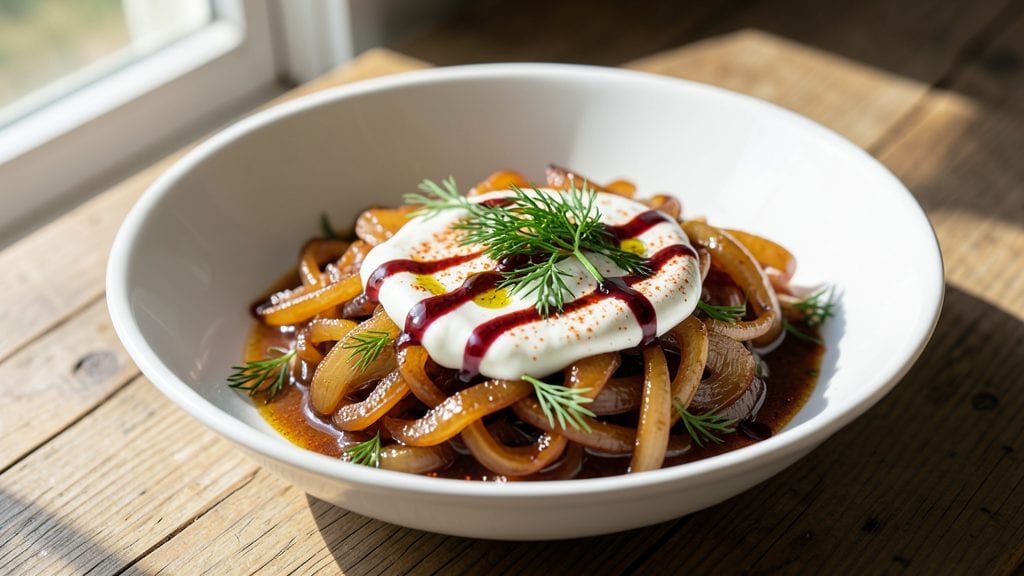
This Russian sauce recipe transforms simple sour cream and fresh dill into a smoky, velvety condiment that elevates everything from pelmeni to grilled meats. The secret lies in slow-cooked onions and a touch of smoked paprika, creating depth that store-bought versions can't match.
I developed this after years of testing traditional smetana sauces, refining it until the balance of tangy, creamy, and herbaceous flavors was just right.
The process is straightforward but requires patience—caramelizing onions until deep amber and simmering them with vinegar creates a rich foundation. Fresh dill, not dried, is critical for that bright, grassy finish that defines Russian cuisine.
What sets this apart is the smoky element, achieved through careful spice selection without overpowering the sauce's natural creaminess.
By the end, you'll have a smooth, spoonable sauce with a consistency perfect for drizzling or dolloping. It pairs beautifully with hearty dishes like borscht or beef stroganoff, adding a luxurious finish that makes any meal feel special.
The best part? It keeps well in the fridge for up to a week, ready to transform simple ingredients into something extraordinary.
Whether you're serving traditional Russian dishes or modern twists, this sauce delivers restaurant-quality results with minimal effort. Let's create something that tastes like home—no matter where you are.
Ingredients for russian sauce
Ten ingredients transform into a restaurant-worthy Russian sauce with smoky depth and creamy texture.
| Ingredient | Amount | Notes |
|---|---|---|
| Extra-Virgin Olive Oil 🫒 | ½ cup | High-quality, fruity variety preferred |
| Yellow Onions 🧅 | 3 large | Thinly sliced, about 3 cups total |
| White Vinegar 💧 | ¼ cup | White or apple cider vinegar |
| Smoked Paprika 🌶️ | 1 tbsp | High-quality, not pre-mixed |
| Fresh Dill 🌿 | 1 cup | Finely chopped, stems removed |
| Sour Cream 🥛 | 1 ½ cups | Full-fat, not low-fat |
| Heavy Cream 🥛 | ½ cup | Full-fat for richness |
| Salt 🧂 | 1 tsp | Diamond Crystal kosher salt |
| Black Pepper 🌶️ | ½ tsp | Freshly ground preferred |
| Garlic Cloves 🧄 | 4 cloves | Minced for caramelizing |
The onions are the foundation—caramelize them until deep amber for that rich, sweet base. Yellow onions work best, but red onions add color if you're feeling fancy. Whole Foods or Trader Joe's carry pre-sliced onions if you're short on time, but fresh is always better. The vinegar cuts through the sweetness, so don't skimp on quality—apple cider vinegar adds subtle complexity. Smoked paprika is non-negotiable; Penzeys or bulk bins at natural stores have the best varieties. Fresh dill is critical—dried just won't give you that bright, grassy finish. If you're using a bunch, strip the leaves and save the stems for stock.
No smoked paprika? Half a teaspoon of liquid smoke plus regular paprika works in a pinch. Short on fresh dill? Fresh parsley at half the amount keeps the color but loses some of that signature flavor. The sour cream should be full-fat—low-fat versions separate and taste bland. For a lighter texture, blend the sauce before serving. Need it thicker? Simmer longer or add a splash of heavy cream. The garlic cloves can be roasted first for extra depth—toss them with olive oil and roast at 400°F for 10 minutes before mincing.
This sauce keeps beautifully—up to 1 week in the fridge sealed in an airtight container. For longer storage, freeze in ice cube trays for single-serving portions. It reheats perfectly, though I often serve it at room temperature for that creamy, velvety texture. Double the batch—it disappears fast on pelmeni, grilled meats, or even as a dip for veggies. The flavor actually improves after a day as everything melds together.
Why You'll Love This Recipe
- Here’s what sold me: that first bite of vinegar cutting through the richness, then the smoked paprika wrapping everything in this warm, earthy hug. The dill finishes it like a fresh breath of air—bright, herbal, and impossible to ignore. It’s the kind of flavor that makes you reach for the bowl again before the meal even starts.
- No Chopping Needed: I swear by this sauce because it only asks for one thing from you: patience while the onions caramelize. No dice, no julienne—just slice them thick, let them slow-cook in olive oil until they’re golden and jammy. That’s it. The rest is stirring and waiting.
- Smoky-Sour Magic: Here’s what sold me: that first bite of vinegar cutting through the richness, then the smoked paprika wrapping everything in this warm, earthy hug. The dill finishes it like a fresh breath of air—bright, herbal, and impossible to ignore. It’s the kind of flavor that makes you reach for the bowl again before the meal even starts.
- Weeknight to Potluck: Between us, this sauce is my secret weapon for lazy nights and fancy gatherings. Drizzle it over grilled fish, toss it with roasted potatoes, or serve it as a dip with crusty bread. Honestly, I’ve even used it to wake up a sad salad—it turns everything it touches into something worth celebrating.
Step-by-step instructions for Russian sauce recipe
This smoky, creamy sauce comes together in layers—start with caramelized onions, then build to tangy richness.
Caramelize the Yellow Onions
Heat the 0.5 cup extra-virgin olive oil in a heavy-bottomed saucepan over medium-low heat. Add the 3 large yellow onions, sliced thinly, and cook them undisturbed for 15 minutes—this gives them time to release moisture and begin softening. Stir occasionally, but resist the urge to move them too often; you're aiming for deep golden color, not crispy bits.
After 15 minutes, the onions should be translucent with just a hint of browning at the edges. This is your signal to reduce the heat to low and continue cooking for another 20-25 minutes. You'll know they're properly caramelized when they take on a rich amber hue and develop a sweet, almost jam-like consistency. If they start to stick, add a splash of water and scrape up any browned bits from the bottom of the pan—those are packed with flavor.
Add Vinegar and Paprika for Depth
Once the onions are beautifully caramelized, increase the heat to medium and pour in the 0.25 cup white vinegar. The vinegar will bubble vigorously and help deglaze the pan, lifting all those flavorful browned bits. Let it simmer for 3-4 minutes until the vinegar has mostly evaporated and the mixture thickens slightly.
Next, sprinkle in the 1 tablespoon smoked paprika and stir vigorously to distribute it evenly. The paprika will infuse the onions with a subtle smokiness that pairs perfectly with the tangy sour cream to come. Let the mixture cook for another 2 minutes, stirring constantly, until the paprika is fully incorporated and the onions are fragrant. This step ensures the smoky flavor is balanced and evenly distributed throughout the sauce.
Incorporate Garlic and Herbs
Add the 4 minced garlic cloves to the pan and cook for 1-2 minutes over medium heat, stirring frequently. You want the garlic to soften and release its aroma without burning—it should smell sweet and pungent, not bitter. Remove the pan from the heat and stir in the 1 cup finely chopped fresh dill. The dill will brighten the sauce with its fresh, herbal notes, cutting through the richness of the onions and cream.
Let the mixture cool slightly for 5 minutes while you prepare the remaining ingredients. This cooling step is crucial—it prevents the sour cream from curdling when you add it later. The dill and garlic should be fully integrated, and the onions should still retain their caramelized texture. If the mixture looks too thick, you can add 1-2 tablespoons of water to loosen it slightly, but aim for a thick, spreadable consistency.
Combine with Cream and Sour Cream
Return the pan to low heat and slowly whisk in the 1.5 cups sour cream and 0.5 cup heavy cream. Start with a small amount of the cream mixture to temper the sour cream—this gradual addition prevents curdling. Once fully combined, stir in the 1 teaspoon salt and 0.5 teaspoon black pepper. Let the sauce simmer gently for 5-7 minutes, stirring occasionally, until it thickens to a velvety consistency.
The sauce should coat the back of a spoon smoothly and hold its shape when drizzled. If it's too thick, add 1-2 tablespoons of water or reserved cooking liquid to reach your desired texture. Taste and adjust the seasoning—you might need a pinch more salt or pepper to balance the tangy, smoky flavors. Remove from heat immediately to preserve the creamy texture.
Rest and Serve
Transfer the sauce to a bowl and let it rest at room temperature for 10-15 minutes. This resting period allows the flavors to meld and the sauce to thicken slightly, resulting in a more cohesive texture. The sauce should be rich, tangy, and infused with the deep caramelized flavor of the onions, balanced by the bright dill and subtle smokiness of the paprika.
Serve the sauce immediately over grilled meats, roasted vegetables, or as a dip for crusty bread. It pairs beautifully with dishes like beef stroganoff, chicken cutlets, or even as a topping for baked potatoes. If you're not serving it right away, cover the surface with plastic wrap to prevent a skin from forming and refrigerate for up to 3 days. Reheat gently over low heat, stirring constantly, to maintain its creamy texture.
Pro Tips For Making Russian Sauce
- Sweat the Onions Slow: Russian sauce starts with onions, and rushing this step turns your sauce into onion water. Use medium-low heat and let them cook for 10-12 minutes until deep golden—not brown, not raw, but that perfect caramelized stage where they smell like a Russian summer. (Yes, even if you’re impatient like me.)
- Vinegar First, Not Last: I learned this the hard way—adding vinegar at the end makes your sauce taste harsh and unbalanced. Instead, deglaze the pan with half the vinegar after the onions soften but before the paprika hits. The acid will mellow as it cooks, not overpower.
- Toast the Paprika Dry: Smoked paprika loses its depth if you just stir it into wet ingredients. Heat the dry spice in a small pan for 30 seconds until fragrant—it deepens the flavor and cuts through the vinegar’s sharpness. (This isn’t the prettiest step, but it’s the thing that matters most.)
- Finely Chop the Dill: Whole dill stems float and look pretty, but they don’t infuse. Pulse fresh dill in a food processor for 3-4 seconds—just enough to break up the leaves while keeping some texture. This guarantees the herb’s bright, grassy notes actually make it into every bite. (Your future self will thank you.)
Dietary considerations for this recipe
Gluten-Free Adaptation
This sauce is naturally gluten-free, making it perfect for those avoiding gluten while still enjoying rich, creamy flavors. The key is ensuring all ingredients—especially the smoked paprika—are certified gluten-free. I recommend Annie’s or Bob’s Red Mill brands for smoked paprika to avoid cross-contamination risks.
Always check labels on sour cream and heavy cream, as some brands may process them in facilities handling gluten. 🌾
Dairy-Free Version
For a dairy-free twist, replace the sour cream and heavy cream with coconut yogurt and full-fat coconut milk. I use So Delicious unsweetened coconut yogurt for tanginess and Thai Kitchen coconut milk for richness.
The texture will be slightly lighter, but the smoky and tangy flavors remain intact. Add 1 teaspoon lemon juice to mimic the acidity of vinegar in the original recipe. 🥥
Lactose-Free Option
If you're lactose intolerant but still want to enjoy this sauce, swap the sour cream and heavy cream for lactose-free alternatives. I prefer Breyer’s lactose-free sour cream and Organic Valley lactose-free heavy cream.
These maintain the same creamy texture while being easier to digest. The flavor profile stays true to the original, just without the lactose. 🥛
Lower-Calorie Adjustments
To lighten the sauce, reduce the heavy cream to ¼ cup and use non-fat Greek yogurt instead of sour cream. I like Fage for its thick texture. Add 1 tablespoon cornstarch to the caramelized onions before adding vinegar to help thicken the sauce without extra fat.
The result is a tangy, creamy sauce with fewer calories but all the flavor. 💪
Vegan Substitutions
For a fully plant-based version, replace the dairy with cashew cream (soak 1 cup raw cashews in hot water for 15 minutes, then blend with ½ cup water) and vegan sour cream like Kite Hill.
Add 1 teaspoon apple cider vinegar to enhance tanginess. The sauce will have a slightly different texture but still delivers bold, smoky, and herby flavors. 🌱
Nutrition facts
Frequently asked questions
Can I substitute fresh dill with dried dill in this Russian sauce?
Fresh dill is essential for that bright, grassy flavor this sauce is known for. Dried dill works in a pinch, but use only 1 teaspoon for every 1 tablespoon of fresh dill called for. The flavor will be milder, and the sauce may lack the freshness that defines traditional Russian sauces.
How do I prevent the sauce from curdling when adding sour cream?
Always temper the sour cream by mixing it with a small amount of the warm onion mixture first. Keep the heat on low and stir constantly while adding the sour cream gradually. If the sauce starts to separate, whisk in 1 tablespoon of cold heavy cream to restore its velvety texture.
What are the best dishes to serve this sauce with?
This smoky sauce pairs perfectly with hearty Russian classics like pelmeni, grilled meats (especially beef or chicken), and roasted potatoes. It also works as a dip for crusty bread or as a topping for borscht. The tangy, creamy flavor balances rich dishes beautifully.
Can I make this sauce ahead of time?
This sauce actually tastes better after resting. Store it in an airtight container in the fridge for up to 1 week. Stir well before serving, as the flavors meld beautifully over time. For longer storage, freeze in ice cube trays for single-serving portions.
Why does my sauce taste too sweet or vinegary?
Too much sweetness? Your onions may have caramelized too long—aim for 20-25 minutes total. Too vinegary? Reduce the cooking time with vinegar to 2-3 minutes instead of 4. Taste as you go and adjust with a pinch of salt or a splash of cream to balance flavors.