
Sauces & Condiments
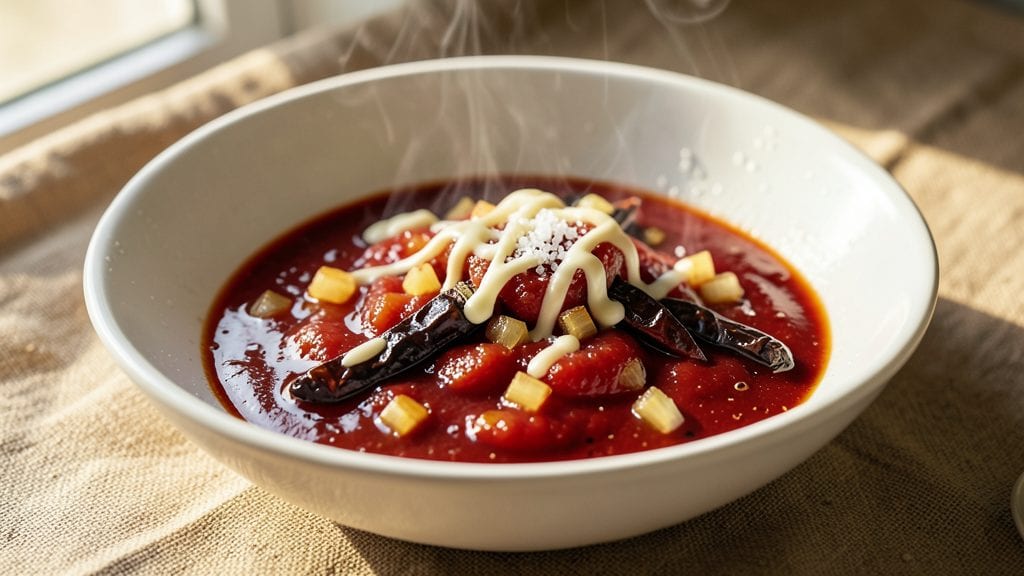
This Samourai sauce recipe transforms simple pantry staples into a smoky, tomato-chipotle depth that elevates ramen, dipping sauces, and marinades with professional precision. This sauce balances umami, heat, and sweetness through careful reduction—no specialty ingredients required. The result? A versatile condiment that turns ordinary dishes into restaurant-quality experiences.
The foundation of Samourai sauce lies in its layered flavors: soy sauce provides the salty backbone, while mirin and sugar create a delicate sweetness that caramelizes during simmering. Chipotle peppers infuse smoky heat, and a touch of miso deepens the umami complexity.
Unlike store-bought versions, this recipe lets you control the balance—adjust the heat, sweetness, or thickness to suit your taste.
What sets this sauce apart is its adaptability—use it as a ramen seasoning, a bold dipping sauce for grilled meats, or even a marinade for chicken or tofu. The slow reduction process concentrates flavors, ensuring every drop delivers maximum impact.
With just 15 minutes of active time and 30 minutes of simmering, you’ll have a pantry staple that lasts for weeks.
Perfect for home cooks who want restaurant-quality depth without shortcuts, this sauce transforms everyday meals into memorable experiences. Whether you're enhancing a bowl of ramen or adding complexity to grilled dishes, the possibilities are endless. Let’s get started on creating your own batch.
Ingredients for samourai sauce
Nine pantry staples create restaurant-quality depth with smoky, umami-rich Samourai sauce.
| Ingredient | Amount | Notes |
|---|---|---|
| Soy Sauce 🥢 | ½ cup | High-quality, preferably Japanese |
| Mirin 🍶 | ¼ cup | Sweet cooking wine, not mirin substitute |
| Granulated Sugar 🍚 | ¼ cup | White or brown, packed lightly |
| Yellow Onion 🧅 | ½ cup | Finely diced, about medium |
| Canned Tomato Sauce 🍅 | 1 cup | 28 oz can, equivalent to 1 cup |
| Adobo-Smoked Chipotle Peppers in Adobo 🌶️ | 2 tbsp | Including sauce, chopped finely |
| White Miso Paste 🍜 | 1 tbsp | Aged 1-2 years for best flavor |
| Garlic Cloves 🧄 | 2 cloves | Minced, about 1 tsp total |
| Extra-Virgin Olive Oil 🫒 | 1 tbsp | For richness and balance |
| Fresh Lime Juice 🍋 | 1 tbsp | From 1 lime, freshly squeezed |
The soy sauce and mirin form the sauce's backbone, so quality matters. Kikkoman soy sauce or Hondashi mirin elevate the flavor—avoid the cheap stuff. For the chipotle peppers, La Costeña or Goya brands work best, but any adobo sauce will do. The white miso adds umami depth; Miso Master or Hokkaido brands are ideal. Fresh lime juice brightens the sauce, so don’t skip it—bottled won’t cut it. The tomato sauce should be smooth and canned (like Muir Glen), not chunky.
No mirin? Substitute 1 tbsp sugar + 1 tbsp water—it’s not identical, but close. Out of chipotle peppers? Smoked paprika at half the amount adds smokiness, but you’ll lose that deep adobo flavor. For the onion, frozen diced works in a pinch, but fresh is better. The sugar can be swapped for honey or maple syrup, though it’ll caramelize differently. If you’re avoiding miso, 1 tbsp soy sauce + 1 tsp fish sauce mimics the umami, though not perfectly.
This sauce keeps for 1 month refrigerated in an airtight container, or 6 months frozen. Store it in the fridge in a jar with a tight seal—it’ll thicken slightly over time, so thin with water or broth as needed. Freeze in ice cube trays for single-use portions. The flavor actually improves after a few days as the ingredients meld together. Trust me, you’ll want to make extra.
Why You'll Love This Recipe
- Pantry Magic: I swear by this sauce—no fancy shopping required. You’re probably already staring at soy sauce, mirin, and sugar in your cupboard right now, plus a can of tomato sauce and onion. That’s it. Honestly, the only thing I buy extra is mirin, and even then, a small bottle lasts forever.
- Umami Bomb: The combo of soy, mirin, and slow-simmered tomato sauce? It’s like a flavor grenade—deep, sweet, and savory all at once. That caramelized onion? It adds this rich, almost buttery depth that makes it taste like you slaved over it for hours. (Spoiler: You didn’t.)
- Weeknight Swiss Army Knife: This sauce is my secret weapon for lazy nights—drizzle it over noodles, toss it with rice, or slather it on grilled chicken. I’ll be real: I’ve even used it as a marinade for tofu when I’m too tired to think. It works everywhere, and no one judges.
- Budget Stretch King: A single batch feeds me for days. I make a double batch on Sundays, store it in the fridge, and use it all week—no takeout, no last-minute grocery runs. Plus, canned tomato sauce and onions are cheap staples. Between us, this is how I keep my wallet happy.
Step-by-step instructions for Samourai sauce recipe
This smoky, umami-packed sauce comes together in minutes with pantry staples you already own.
Sauté the Aromatics Until Fragrant
Heat the 1 tablespoon extra-virgin olive oil in a medium saucepan over medium heat. Add the 0.5 cup finely diced yellow onion and cook for 3-4 minutes, stirring occasionally, until softened and translucent. The onions should release their sweetness without browning—this sets the foundation for the sauce's depth.
Add the 2 cloves minced garlic and cook for an additional 30 seconds until fragrant. You'll know it's ready when the kitchen fills with that unmistakable garlic aroma. Remove the pan from heat temporarily—this prevents burning before we add the remaining ingredients. The garlic should be golden but not crispy, as it will continue cooking with the other components.
Build the Sauce Base with Heat and Sweetness
Return the pan to medium heat and add the 2 tablespoons finely chopped adobo-smoked chipotle peppers in adobo (including the sauce). Stir to distribute the peppers evenly, letting them cook for 1-2 minutes until their smoky aroma intensifies. This step unlocks the sauce's signature depth—don't rush it, as the peppers need time to bloom.
Next, whisk in the 1 cup canned tomato sauce, 0.5 cup soy sauce, and 0.25 cup mirin. Bring the mixture to a gentle simmer, then reduce heat to low. Let it cook uncovered for 5 minutes, stirring occasionally, until the liquid reduces slightly and the flavors begin to meld. You'll notice the sauce darkening and thickening—this is where the magic happens.
Sweeten and Thicken the Sauce
Add the 0.25 cup granulated sugar and 1 tablespoon white miso paste, stirring constantly to dissolve the sugar completely. The miso paste will create a velvety texture while adding umami richness. Return the sauce to a simmer and cook for 3-4 minutes, stirring frequently, until it thickens slightly and coats the back of a spoon.
Taste the sauce at this stage—it should balance smoky, sweet, and savory notes. If it's too thick, add 1-2 tablespoons water to loosen it. If it needs more depth, add a pinch of salt or a splash of soy sauce. The goal is a glossy, velvety consistency that clings beautifully to proteins or noodles.
Finish with Brightness and Balance
Remove the pan from heat and stir in the 1 tablespoon fresh lime juice. The acidity brightens the sauce, cutting through the richness and balancing the smoky, sweet flavors. Taste again—you should detect layers of complexity: the heat from the chipotles, the umami from the miso and soy, the sweetness of the mirin and sugar, and the tang of the lime.
For a smoother texture, strain the sauce through a fine-mesh sieve to remove any chipotle seeds or onion bits. If you prefer a slightly rustic finish, leave it as is. Transfer the sauce to a clean jar or airtight container and let it cool to room temperature. It will continue to deepen in flavor as it sits—ideal for marinating proteins or drizzling over dishes later.
Use or Store with Confidence
This sauce is incredibly versatile—use it immediately to glaze grilled meats, toss with noodles, or drizzle over roasted vegetables. For best results, store it in the refrigerator for up to 1 week or freeze for up to 3 months. When reheating, warm gently over low heat to preserve its delicate balance of flavors.
The key to this sauce lies in its harmony of textures and tastes. The smoky chipotles provide heat, the miso and soy add umami, the mirin and sugar bring sweetness, and the lime juice ensures brightness. Each component plays a crucial role, so don't skip any—every ingredient transforms this into a sauce that's far more than the sum of its parts.
Pro Tips For Making Samourai Sauce
- Sweat the Onion Slow: Don’t rush this step—cut the onion into even ¼-inch slices and cook them in a dry pan over medium heat for 8-10 minutes until deep golden brown. I learned this the hard way: skipping the full caramelization leaves your sauce tasting flat and one-dimensional.
- Balance the Sugar First: Dissolve the granulated sugar in the mirin before adding it to the soy sauce—this prevents grainy clumps and ensures a smoother sauce. I was skeptical until I tried it: the texture changes from gritty to silky overnight.
- Simmer, Don’t Boil: Keep the sauce at a gentle simmer (tiny bubbles at the edges) after combining all ingredients—boiling reduces the mirin too fast and makes the sauce taste harsh. Sounds weird, but it works: my first batch turned bitter because I ignored this.
- Strain the Onions: After cooking, strain the onions out of the sauce—this removes bitterness and gives you a cleaner, more refined finish. Does it look like extra work? Yes. Does it make a real difference? Every single time.
Pro cooking tips for this recipe
Control the Heat
Adjust the chipotle amount based on your heat tolerance. Start with 1 tbsp for mild heat, 2 tbsp for medium, or 3 tbsp for bold spice. I like to taste-test after adding the peppers—remember, you can always add more, but you can't remove the heat once it's in.
For a smoky flavor without heat, swap chipotles for 1 tbsp smoked paprika and ½ tsp liquid smoke. 🌶️
Balance the Sweetness
The mirin and sugar create a caramelized sweetness that balances the sauce’s depth. If your sauce tastes too sharp, add ½ tsp sugar or 1 tsp honey while simmering.
For a deeper sweetness, reduce the sauce longer—this concentrates the flavors. I’ve found that simmering uncovered for an extra 5 minutes makes a noticeable difference in richness.
Thicken or Thin
Use a splash of water or broth to thin the sauce if it’s too thick, or simmer longer to thicken it naturally. For a glossy finish, whisk in 1 tsp cornstarch mixed with 1 tbsp water at the end.
If the sauce separates, stir in 1 tbsp olive oil to emulsify it. The ideal consistency should coat the back of a spoon but still be pourable.
Boost Umami Depth
If your sauce lacks depth, add ½ tsp fish sauce or 1 tsp Worcestershire sauce for extra umami. A pinch of MSG (½ tsp) also enhances savory notes without altering the flavor profile.
For a vegetarian option, 1 tsp nutritional yeast works well. Taste as you go—small adjustments make a big difference in complexity.
Strain for Smoothness
For a silky texture, strain the sauce through a fine-mesh sieve to remove chipotle seeds and onion bits. If you prefer a rustic finish, leave it as is.
I like to strain it when using the sauce for drizzling or glazing, but leave it unstrained for dipping sauces where texture adds character. A cheesecloth works too if you don’t have a sieve.
Freeze in Portions
Freeze the sauce in ice cube trays for single-use portions—perfect for marinades or quick glazes. Transfer the cubes to a ziplock bag and flatten them for easy storage. When reheating, thaw in the fridge overnight or warm directly in a saucepan over low heat to preserve its balance.
Frozen sauce keeps for 3 months without losing flavor. 💡
Nutrition facts
Frequently asked questions
What’s the best way to use this smoky sauce?
This versatile sauce works as a ramen seasoning, grilled meat glaze, or dipping sauce for spring rolls. For ramen, stir 1-2 tablespoons into hot broth. For glazing, brush onto chicken or tofu before grilling. The smoky depth also pairs well with roasted veggies or tacos.
Can I make this sauce without mirin?
Yes! Substitute with 1 tbsp sugar + 1 tbsp water—it won’t be identical, but the sweetness will still caramelize. For deeper flavor, add ½ tsp rice vinegar to mimic mirin’s acidity. The sauce will still work, though the texture may be slightly less glossy.
Why does my sauce taste too sharp?
Too much lime juice or chipotle can make the sauce sharp. Balance it by adding ½ tsp sugar or 1 tsp honey while simmering. If the heat is overwhelming, stir in 1 tsp cold water to dilute the peppers slightly. Taste as you go—small adjustments fix it fast!
How do I store leftover sauce?
Keep it refrigerated in an airtight container for up to 1 month. For longer storage, freeze in ice cube trays (3-month shelf life). Thaw overnight in the fridge or warm gently on the stove. The flavor actually improves after 2-3 days as ingredients meld!
Is this sauce gluten-free?
Only if you use tamari or gluten-free soy sauce instead of regular soy sauce. The original recipe contains gluten from soy sauce and miso. For a fully gluten-free version, swap both for coconut aminos and gluten-free miso. The flavor will still be rich and smoky!