
Sauces & Condiments
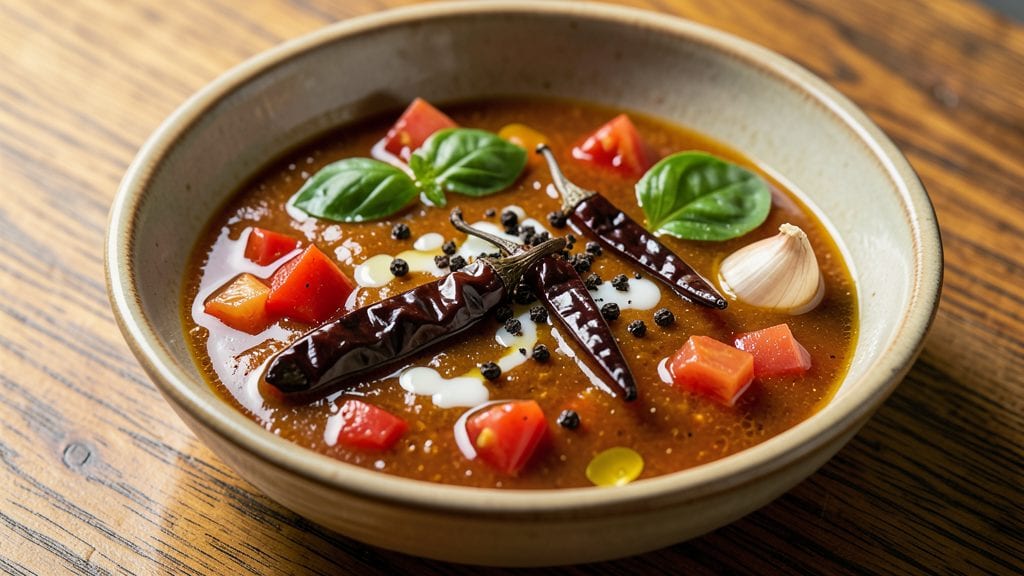
This serrano sauce recipe transforms smoky chipotle peppers and fresh tomatoes into a versatile condiment that adds bold heat and bright acidity to any dish. The secret lies in balancing the pepper’s fiery kick with sweet tomatoes and aromatic garlic, creating a sauce that’s as complex as it is simple.
I developed this version after years of testing—it’s the one that finally delivers restaurant-quality depth without requiring specialty ingredients.
The process is straightforward but precise: roast the peppers to deepen their smoky flavor, then blend them with ripe tomatoes, garlic, and a touch of vinegar for brightness. A quick simmer reduces the sauce to a thick, glossy consistency, perfect for drizzling, dipping, or marinating.
What sets this apart is the way the heat builds gradually, making it approachable for those who love spice but want control.
What you’ll end up with is a sauce that’s rich, smoky, and tangy—ideal for drizzling over tacos, mixing into soups, or serving as a dip with chips. The flavors develop even more after chilling, so it’s best made a day ahead.
Storage is simple: keep it refrigerated for up to two weeks or freeze for longer shelf life. This isn’t just a condiment; it’s a flavor booster that elevates everything it touches.
Use it as a marinade for grilled meats, a topping for roasted vegetables, or a bold addition to cocktails. The possibilities are endless, but the method remains foolproof—just follow the steps, and you’ll have a sauce that’s worth making over and over.
Let’s get started on creating something truly special.
Ingredients for serrano sauce
Nine simple ingredients create a sauce that's smoky, tangy, and packed with restaurant-quality heat.
| Ingredient | Amount | Notes |
|---|---|---|
| Dried Chipotle Peppers in Adobo Sauce 🌶️ | 2 whole | Smoked, not canned adobo sauce |
| Fresh Roma Tomatoes 🍅 | 1 ½ lb | Ripe, vine-ripened preferred |
| Garlic Cloves 🧄 | 6 cloves | Fresh, peeled, slightly crushed |
| White Vinegar 💧 | ¼ cup | White or apple cider |
| Extra-Virgin Olive Oil 🫒 | ½ cup | High quality, fruity |
| Granulated Sugar 🍯 | 1 tbsp | Balances acidity |
| Diamond Crystal Kosher Salt 🧂 | 1 ½ tsp | For seasoning, not iodized |
| Fresh Cilantro 🌿 | ¼ cup | Stems removed, chopped |
| Lime Juice 🍋 | 1 tbsp | Freshly squeezed |
The chipotle peppers are the heart of this sauce, so pick the smokiest ones you can find. Penzeys or bulk bins at Latin markets have the best selection—look for deep red, wrinkled peppers with visible smoke stains. If you can't find dried ones, canned chipotle peppers in adobo work in a pinch, but drain them well. The tomatoes should be ripe but firm—the juice is what carries all that smoky goodness. I always grab Roma tomatoes from the grocery store's vine-ripened section—they're sweeter and less watery. Fresh garlic is non-negotiable here; pre-minced garlic has lost too much flavor. Toast the garlic cloves in the olive oil first—they'll caramelize just enough to add depth without burning.
No chipotle peppers? Ancho chiles or smoked paprika can mimic the smokiness, though they won't have that same fiery kick. Running low on vinegar? Lemon juice works at the same amount, but the flavor will be slightly sharper. The cilantro is optional but adds a bright finish—skip it if you're sensitive to herbs. For extra heat, add a pinch of cayenne pepper or a dash of hot sauce at the end. If you're making this ahead, reduce the lime juice by half—the acidity intensifies over time. The sugar might seem odd, but it cuts through the heat and balances the acidity perfectly. Trust me, it makes all the difference.
This sauce tastes even better after chilling, so make it a day ahead if possible. Store it in an airtight jar in the fridge for up to two weeks—the flavors meld beautifully. For longer storage, freeze it in ice cube trays and transfer to a bag; thaw overnight in the fridge. The texture will thicken when chilled, so stir in a splash of water or vinegar to loosen it before using. A little goes a long way—start with 1-2 tablespoons per serving and adjust to taste. It's perfect for drizzling, dipping, or marinating, but don't be afraid to get creative.
Why You'll Love This Recipe
- Few Pantry Staples: I swear by this recipe because it uses things I already have—no special trips to the store. The adobo sauce from dried chipotles? That’s the magic ingredient that lingers for weeks in my cabinet, ready to transform a simple tomato simmer into something richer than takeout.
- Smoky-Garlicky Magic: That first bite of heat from the chipotles, then the sweetness of Roma tomatoes caramelizing with garlic—it’s like a flavor explosion that keeps me coming back. Honestly, the vinegar brightens it just enough to make it feel fresh, not overpowering.
- Weeknight Workhorse: I make a big batch on Sundays and use it all week—drizzled over eggs, tossed with roasted veggies, or even stirred into beans. It’s my secret weapon for turning boring meals into something that feels special, even on a Tuesday night.
- Budget-Friendly Fire: Between us, this sauce costs pennies to make but tastes like a fancy restaurant dish. The tomatoes and vinegar stretch the chipotles’ heat, so I get more flavor for less money—plus, it keeps in the fridge for ages, so nothing goes to waste.
Step-by-step instructions for smoky chipotle serrano sauce
This sauce delivers bold chipotle heat balanced with bright tomato freshness—perfect for tacos, grilled meats, or drizzling over eggs.
Toast the Chipotle Peppers for Maximum Depth
Begin by carefully removing the seeds and membranes from the 2 whole dried chipotle peppers in adobo sauce. I like to use a small knife to slice them lengthwise and scrape out the inner pulp—this prevents bitterness while preserving the smoky flavor. Place the cleaned peppers on a dry skillet over medium heat and toast them for 2-3 minutes on each side until fragrant and slightly darkened. This step intensifies their natural smokiness without burning, which would turn the sauce bitter.
Watch closely—they'll darken quickly. Once they develop a rich, deep color and smell like campfire smoke, remove them from the heat and immediately transfer to a heatproof bowl. Here's the thing—if you let them cool completely before adding liquid, they'll release their oils more easily into the sauce. Let them steep in ½ cup of the extra-virgin olive oil for 10 minutes while you prepare the remaining ingredients. This infusion creates the sauce's signature smoky backbone.
Char and Dice the Tomatoes for Natural Sweetness
Cut the 1.5 lb fresh Roma tomatoes in half lengthwise and place them cut-side down on the same skillet you used for the peppers. Char them over medium-high heat for 5-7 minutes until their skins blacken dramatically and they release their juices. The charring adds a deep, caramelized sweetness that balances the sauce's heat. I rotate them occasionally to ensure even browning—you'll see steam rising and the edges curling up slightly.
Once charred, transfer the tomatoes to a cutting board and let them cool for 5 minutes. This resting period makes them easier to handle. Then, carefully peel off the blackened skins with your fingers or a paring knife. You'll notice the flesh underneath is vibrant red and slightly sticky from the released juices. Dice the peeled tomatoes into ¼-inch pieces—no need for precision here, just rough chopping works best. The skins contain a lot of bitterness, so removing them is crucial for a smooth sauce.
Build the Sauce Base with Aromatics
In a large saucepan, combine the diced tomatoes, 6 cloves of peeled garlic cloves, the 0.25 cup white vinegar, and the 1 tbsp granulated sugar. Bring everything to a boil over medium-high heat, then immediately reduce to a simmer. Let it cook uncovered for 10-12 minutes, stirring occasionally, until the tomatoes break down completely and the mixture reduces by about one-third. You'll see the sauce thicken noticeably and the raw tomato flavor mellow into something more complex.
Here's where the magic happens: the vinegar cuts through the tomatoes' acidity while the sugar balances it, creating a perfect foundation. The garlic should soften but not brown—if it starts to take on color, reduce the heat slightly. When the mixture reaches this stage, it should smell like a cross between a smoky campfire and a bright Mexican street market. This is your cue to add the infused chipotle oil and continue cooking.
Simmer and Season for Perfect Balance
Strain the simmering tomato mixture through a fine-mesh sieve into a clean saucepan, pressing gently on the solids with a wooden spoon to extract all the juices. Discard the solids in the sieve. Add the bowl containing the toasted chipotle peppers and their infused oil to the strained tomatoes. Stir in the 1.5 tsp diamond crystal kosher salt and bring the mixture to a gentle simmer over medium-low heat.
Let it cook uncovered for 15-20 minutes, stirring occasionally, until the sauce thickens to your desired consistency—it should coat the back of a spoon but still be pourable. Taste and adjust the seasoning: if it needs more brightness, add a splash of the 1 tbsp lime juice. If it's too acidic, a pinch more sugar helps. The sauce should have a perfect balance of smoky heat, bright acidity, and subtle sweetness. Real talk: this is where most home cooks go wrong—they either under-season or overpower the chipotle. Trust your taste buds here.
Finish with Fresh Herbs and Rest Before Serving
Remove the sauce from heat and stir in the 0.25 cup chopped fresh cilantro. This final step adds a fresh, herbal note that cuts through the richness. Let the sauce sit at room temperature for at least 15 minutes before serving—this resting period allows all the flavors to meld together. The sauce will thicken slightly as it cools, so if you prefer it looser, simply whisk in 1-2 tablespoons of water or reserved cooking liquid.
Serve the sauce immediately over grilled meats, tacos, or eggs, or store it in an airtight container in the refrigerator for up to 5 days. The flavors actually improve over time as the chipotle continues to infuse. I like to drizzle it over warm corn tortillas with crumbled queso fresco or use it as a marinade for chicken. Either way, you'll have a sauce that tastes like it came from a authentic Mexican kitchen.
Pro Tips For Making Serrano Sauce
- Blend in Stages: Start with the tomatoes and garlic first—blend those until completely smooth before adding the chipotle paste. I learned this the hard way: dumping everything in at once leaves you with a chunky mess that won’t emulsify properly, no matter how long you blend.
- Rinse the Adobo: The adobo sauce from the canned chipotles is salty and acidic—rinse the peppers in cold water before blending to cut the bitterness. Trust me, your sauce will taste brighter and more balanced if you skip this step, you’ll regret the lingering saltiness later.
- Simmer Low and Slow: After blending, transfer the sauce to a pot and keep the heat at a gentle simmer—no boiling. I used to rush this, and the sauce would split or lose its depth. Thirty minutes on low heat lets the flavors meld without breaking.
- Vinegar Last: Add the white vinegar at the very end, just before tasting. Too early, and it’ll cook off completely, leaving your sauce flat. A splash at the finish brightens the acidity without overpowering the smoky chipotle and sweet tomatoes.
Perfect pairings for this recipe
Taco Topping Extraordinaire
This sauce transforms ordinary tacos into a fiesta of flavors. Drizzle 1-2 tablespoons over warm corn tortillas topped with grilled skirt steak or shredded chicken. The smoky chipotle heat pairs perfectly with pickled red onions and crumbled cotija cheese.
I like to serve it with a side of black beans and avocado slices for a complete, restaurant-quality meal. 🌮
Grilled Meat Marinade
Use half the sauce as a marinade for chicken thighs or pork chops—coat them thoroughly and let sit for 2-4 hours before grilling. The acidity tenderizes while the chipotle infuses the meat with deep smoky flavor.
I recommend brushing extra sauce on during the last 5 minutes of grilling for a glossy finish. This works especially well with ribeye steaks or shrimp skewers.
Egg Drizzle Magic
Take your breakfast to the next level by drizzling this sauce over fried eggs or huevos rancheros. The heat wakes up the yolks while the tomato brightness cuts through the richness.
Add crumbled chorizo and sautéed onions for an elevated brunch dish. I also love it on avocado toast with a sprinkle of flaky sea salt—it’s become my go-to weekend breakfast.
Pasta Sauce Upgrade
Toss 2 tablespoons of sauce into your favorite pasta dish—whether it's penne alla vodka or fettuccine Alfredo. The chipotle adds unexpected depth without overpowering. For a quick weeknight meal, mix it with creamy Alfredo sauce and top with grilled chicken.
The contrast of creamy pasta and smoky heat is pure comfort food gold. 🍝
Cocktail Enhancer
Elevate your margaritas or palomas by adding ½ teaspoon of sauce to the rim or mixing it directly into the cocktail. For a spicy twist, muddle a serrano pepper with lime juice and simple syrup, then add the sauce.
I recommend trying it in a chipotle margarita with a salted rim—it’s a game-changer for summer sipping. 🍹
Dipping Sauce Star
Serve this sauce chilled as a dip for tortilla chips, taquitos, or veggie sticks. The balance of heat and acidity makes it addictive. For extra flair, top with crumbled queso fresco and chopped cilantro.
I also love using it as a dip for fried plantains or empanadas—the contrast of sweet and spicy is unbeatable.
Nutrition facts
Frequently asked questions
Why does this sauce use chipotle peppers instead of fresh serranos?
Chipotle peppers provide a deeper, smokier flavor that fresh serranos can't match. The drying and smoking process gives them that authentic Mexican restaurant taste. For extra heat, you could add fresh serranos at the end, but the chipotle creates the sauce's signature depth. Think of it as the secret weapon behind the smoky flavor profile.
Can I make this sauce without vinegar?
Yes, but the sauce will taste different. Vinegar brightens the tomatoes and balances the sweetness, creating that perfect tang. If you omit it, add an extra 1 tablespoon of lime juice instead. The sugar will still help balance any acidity, but the flavor won't be quite as complex without the vinegar's sharpness.
How do I adjust the heat level if it's too spicy?
Start by stirring in 1-2 tablespoons of water to dilute the sauce. For more dramatic changes, mix in 1 tablespoon of sweetened condensed milk or 1 teaspoon of honey—this cuts the heat while adding richness. If you prefer a milder sauce from the start, reduce the toasted chipotle peppers to just 1 whole pepper in future batches.
Can I freeze this sauce? If so, how?
Freeze it in ice cube trays for easy portion control, then transfer to a freezer bag. Thaw overnight in the fridge before using. The texture may thicken slightly after freezing, so stir in 1 teaspoon of water or vinegar to loosen it. This sauce actually tastes better after freezing as the flavors meld further.
What's the best way to use this sauce if I don't like spicy food?
Try it as a marinade for grilled chicken or fish—where the heat cooks off slightly. Or use it as a dip with mild toppings like avocado slices or cream cheese to balance the spice. For cooking, reduce the chipotle to 1 pepper and add ½ teaspoon of sugar to further mellow the heat. The smoky flavor still shines through beautifully!