
Sauces & Condiments
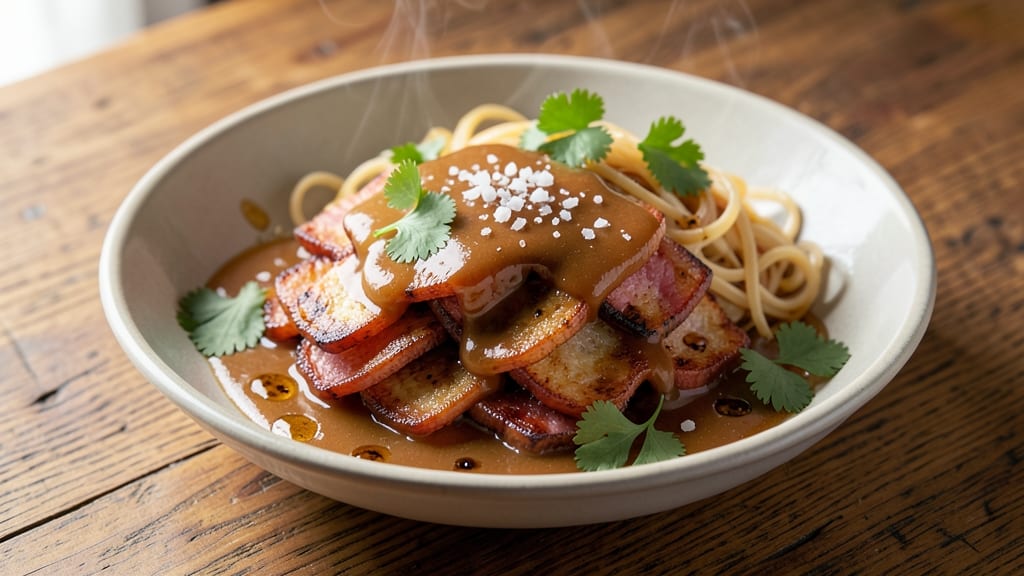
This Spam Musubi Sauce Recipe transforms humble ingredients into a rich, sticky glaze that bridges Japanese comfort food with bold American flavors. 💛 The perfect balance of sweet and savory comes from a simple combination of soy sauce, brown sugar, and vinegar—simmered until thick and irresistible.
I developed this sauce after craving that perfect glaze for musubi but wanting something versatile enough for ramen, fried rice, or even as a sandwich spread.
The beauty of this sauce lies in its simplicity—just five core ingredients that work together to create depth of flavor. Soy sauce provides the umami foundation, while brown sugar adds caramelized sweetness that mellows as it simmers.
A splash of vinegar brightens the mix, ensuring the sauce isn’t cloying. The result? A glossy, clingy glaze that coats every bite with a perfect harmony of flavors.
What makes this sauce truly special is its versatility—it elevates simple dishes into something extraordinary. Drizzle it over crispy Spam musubi for that authentic Japanese touch, stir it into ramen for instant umami depth, or use it as a dipping sauce for fries and mozzarella sticks.
The sauce keeps well in the refrigerator for up to two weeks, making it a pantry staple for quick, flavor-packed meals.
Ready in just 15 minutes, this sauce delivers restaurant-quality results without the fuss. Whether you're recreating a favorite takeout flavor or experimenting with new dishes, this glaze will become your go-to for adding that perfect sweet-savory punch. Let’s get started!
Ingredients for spam sauce
Five pantry staples. One magical glaze. Game-changer for Spam musubi and beyond!
| Ingredient | Amount | Notes |
|---|---|---|
| Soy Sauce 🥢 | ½ cup | Japanese-style preferred for depth |
| Light Brown Sugar 🍯 | ½ cup | Packed for accurate measurement |
| Rice Vinegar 🍶 | ¼ cup | White or seasoned variety |
| Water 💧 | ¼ cup | For thinning if needed |
| Sesame Oil 🌰 | 1 tbsp | Toasted sesame for aroma |
| Garlic Cloves 🧄 | 2 cloves | Minced for subtle depth |
| Ginger Root 🌿 | 1 tsp | Freshly grated for zing |
| Salt 🧂 | ½ tsp | Adjust to taste |
The soy sauce is your flavor anchor—Japanese-style like Kikkoman or Yamasa adds that authentic umami punch. Brown sugar? Light or dark both work, but light caramelizes more smoothly. Rice vinegar brightens everything, so grab the seasoned kind from Trader Joe's if you want extra depth. Sesame oil might be pricey, but a little goes a long way—look for toasted varieties at Asian markets for that nutty aroma. Fresh ginger and garlic? Worth the extra minute to grate and mince—pre-minced garlic lacks punch.
No rice vinegar? Apple cider vinegar works in a pinch, though it’ll taste slightly different. Subbing brown sugar? Honey or maple syrup at 1:1 ratio, but your sauce might thin out more. Sesame oil too strong? Use just the toasted kind (no regular vegetable oil here!). Garlic or ginger too spicy? Reduce to 1 clove garlic and 0.5 tsp ginger. The sauce thickens as it cools, so if it’s too thick while warm, stir in a splash of water—1 tsp at a time. Need it thinner? Add a bit more vinegar.
This sauce keeps beautifully—2 weeks in the fridge sealed tight. For longer storage, freeze in ice cube trays—perfect for single-use portions. Reheat gently in a saucepan over low heat, stirring until smooth. The flavor actually improves after sitting overnight, so make extra—it disappears fast! Drizzle over Spam musubi, toss with fried rice, or use as a dipping sauce for fries. Trust me, you’ll want to make this weekly.
Why You'll Love This Recipe
- Pantry Magic: Honestly, I keep this in my fridge because it’s made with stuff I already have—soy sauce, brown sugar, and a splash of vinegar. No fancy shopping, no last-minute grocery runs. Just open, mix, and transform whatever you’re cooking.
- Sweet-Savory Balance: That caramelized brown sugar and sesame oil combo? It’s like a flavor hug. The rice vinegar cuts through the richness, so it’s never cloying—just addictively good with eggs, noodles, or even straight from the spoon.
- Weeknight Hero: I make a big batch on Sundays and drizzle it on everything for the week. It’s my secret weapon for turning plain rice into a meal or giving scrambled eggs a restaurant-worthy boost—no stress, just flavor.
- Budget Stretch: A little goes a long way, and it’s so cheap to make. I use it to bulk up cheap proteins (looking at you, spam) or stretch leftovers into something new. Plus, it freezes like a dream if I overdo it.
Step-by-step instructions for Spam musubi sauce
This sweet-savory glaze transforms simple Spam into an irresistible Japanese-inspired treat!
🍳 Step 1: Sauté Aromatics Until Fragrant
Heat a small saucepan over medium heat and add the 1 tablespoon sesame oil. Once shimmering, add the 2 cloves minced garlic cloves and 1 teaspoon freshly grated ginger root. Sauté for 30-45 seconds until you smell that irresistible aroma—garlic should be golden but not browned, and ginger should release its zesty punch.
Here's the thing—don't rush this step. The aroma compounds need time to develop. If you see the garlic turning brown too quickly, reduce heat slightly. You're building flavor foundation here, and skipping this will leave your sauce flat and one-dimensional. I like to press the garlic down gently with a wooden spoon to ensure even cooking.
🍳 Step 2: Combine Wet Ingredients for Perfect Balance
Add the 0.5 cup packed light brown sugar and stir constantly for 1-2 minutes until it melts completely into the oil. The mixture will bubble gently as the sugar caramelizes slightly. Then pour in the 0.5 cup soy sauce and 0.25 cup rice vinegar, stirring vigorously to dissolve the sugar completely.
This is where the magic happens—the sugar and vinegar create a beautiful chemical reaction with the soy sauce. You'll see tiny bubbles forming as the mixture starts to thicken slightly. If it looks too thick, add the 0.25 cup water now. The sauce should coat the back of a spoon but still be pourable. Taste it—it should be sweet, tangy, and umami-rich all at once.
🔥 Step 3: Simmer Until Thick and Glossy
Bring the mixture to a gentle boil over medium-high heat, then immediately reduce to low heat. Let it simmer uncovered for 8-10 minutes, stirring occasionally, until it thickens to a glossy, syrupy consistency. You're looking for a sauce that coats a spoon with a beautiful sheen—it should leave a slight trail when you run your finger through it.
Watch carefully during the last 2 minutes—this is when the sauce transforms from liquid to glaze. If it starts to darken too much, remove from heat for 30 seconds to let it cool slightly. The perfect sauce should be thick enough to cling to Spam but still flow smoothly when brushed on. Here's a pro tip: if it thickens too much while cooling, whisk in a teaspoon of water to restore the right consistency.
👨🍳 Step 4: Season and Finish with Flavor
Remove from heat and stir in the 0.5 teaspoon salt. Let the sauce cool for 5 minutes—this resting period allows all the flavors to meld together beautifully. Taste and adjust seasoning if needed. I usually find it needs just a tiny bit more soy sauce for deeper umami or a splash more vinegar for brightness.
The sauce should be perfectly balanced—sweet from the brown sugar, tangy from the vinegar, salty from the soy and salt, with aromatic depth from the garlic and ginger. If you're making musubi, let it cool completely before using—it will thicken further as it sits. For immediate use, you can brush it on warm Spam right away, but the flavors develop even more after cooling.
Pro Tips For Making Spam Sauce
- Simmer Slow and Low: This isn’t a race—reduce the sauce on medium-low heat or you’ll end up with a sticky mess instead of a glossy, balanced glaze. After the sugar dissolves, drop the heat to a whisper and let it thicken naturally. I used to rush it and always got a clumpy, bitter sauce. Patience here makes all the difference.
- Toast the Sugar First: Before adding any liquid, dry-toast the brown sugar in the pan for 30 seconds until it smells caramel-like. This deepens the flavor and prevents grainy bits later. Skip this, and your sauce will taste flat—trust me, I’ve made that mistake.
- Balance the Vinegar: Rice vinegar cuts through the richness, but too much turns the sauce sour. Start with 1 tablespoon, taste, then adjust—you can always add more water later. I learned this after dumping half a bottle in once and regretting it immediately.
- Finish with Cold Sesame Oil: Stir in the sesame oil off the heat at the very end—it burns fast and adds a harsh, bitter note if you add it too soon. A few drops at the last second give that signature nutty aroma without overpowering the other flavors. (Yes, even if you’re impatient like me.)
Best sauces and condiments for this spam sauce
Sweet-Savory Glaze
This sauce shines as a glossy, sticky glaze for Spam musubi, but its versatility doesn’t stop there. Brush it over grilled Spam slices for a caramelized finish or drizzle it over crispy Spam fries for a sweet-savory contrast.
The balance of brown sugar and soy sauce creates that perfect umami-sweet harmony that makes it irresistible. 💛
For extra richness, stir in 1 tablespoon of honey during the final simmer—this adds depth while keeping the sauce fluid enough to drizzle.
I’ve also found that adding ½ teaspoon of grated lime zest at the end brightens the flavors perfectly, especially when paired with seafood like shrimp or scallops.
Dipping Sauce
Thin the sauce with 1-2 tablespoons of water if needed, then use it as a dipping sauce for mozzarella sticks, tempura, or even chicken wings. The tangy-sweet profile cuts through fried foods beautifully.
For a spicy kick, mix in 1 teaspoon of sriracha or gochujang before serving—trust me, it’s a game-changer with crispy fries. 🌶️
For a creamy twist, stir in 1 tablespoon of mayonnaise or Greek yogurt after cooling. This transforms the sauce into a dippable spread that’s perfect for onigiri, dumplings, or even as a sandwich glaze. The texture becomes silky and rich, making it ideal for cold applications.
Ramen & Noodle Boost
Add 2-3 tablespoons of this sauce to your ramen or pho broth just before serving. The sweetness balances the spicy, salty, and umami flavors, while the sesame oil and garlic add aromatic depth.
For fried rice, stir in 1-2 tablespoons during the final minute of cooking—it clings to the grains and elevates every bite. 🍜
For udon or soba noodles, use the sauce as a light finishing drizzle instead of a heavy glaze. The rice vinegar adds brightness, while the brown sugar caramelizes slightly when tossed with hot noodles. I like to sprinkle toasted sesame seeds on top for extra texture and aroma.
Sandwich Spread
Thicken the sauce slightly by simmering it for an extra 2-3 minutes, then spread it on toasted bread with Spam, ham, or even grilled cheese. The sweet-savory balance makes it a perfect alternative to ketchup or mustard.
For a breakfast twist, slather it on English muffins with scrambled eggs and crispy bacon. 🥪
For a gourmet touch, mix in 1 teaspoon of Dijon mustard or honey mustard before using it as a spread. This adds a tangy complexity that pairs beautifully with roast beef or turkey sandwiches.
The sauce keeps well in the fridge, so it’s perfect for quick lunches or charcuterie boards.
Nutrition facts
Frequently asked questions
Can I make this sauce without sesame oil?
Yes, but the flavor will be less aromatic. Replace it with 1 teaspoon of toasted sesame seeds (stirred in at the end) or ½ teaspoon of neutral oil (like vegetable or canola). For depth, add ¼ teaspoon of ground sesame seeds to the wet ingredients. The sauce will still taste great, just with a subtler nutty aroma.
How do I adjust the sweetness if I prefer less sugar?
Reduce the brown sugar to ¼ cup and add 1 tablespoon of honey or maple syrup instead. This keeps the sauce's natural sweetness while adding a floral note. Taste as you simmer—if it's still too sweet, add a splash of rice vinegar to balance it. The sauce will still coat beautifully but with a more complex flavor profile.
Can I use this sauce as a marinade for Spam?
Use it as a marinade for 1-2 hours before cooking. The sweet-savory glaze will caramelize beautifully when grilled or pan-fried. For best results, brush on extra sauce during the last 2 minutes of cooking. Just note that the sauce will thicken more when used as a marinade, so thin it slightly with water if needed.
Why did my sauce turn too thick?
This happens when simmered too long or if the sugar caramelizes too much. Thin it with 1 teaspoon of water or vinegar while warm—stirring constantly. For a glossier finish, add ½ teaspoon of cornstarch mixed with 1 teaspoon water and simmer for 1 minute. If it's still too thick after cooling, whisk in more liquid gradually until you reach the desired consistency.
What's the best way to store leftovers?
Store in an airtight container in the fridge for up to 2 weeks. For longer storage, freeze in ice cube trays (perfect for single-use portions). Thaw overnight in the fridge—never microwave directly from frozen. The sauce actually tastes better after resting, so making a big batch is worth it!