
Sauces & Condiments
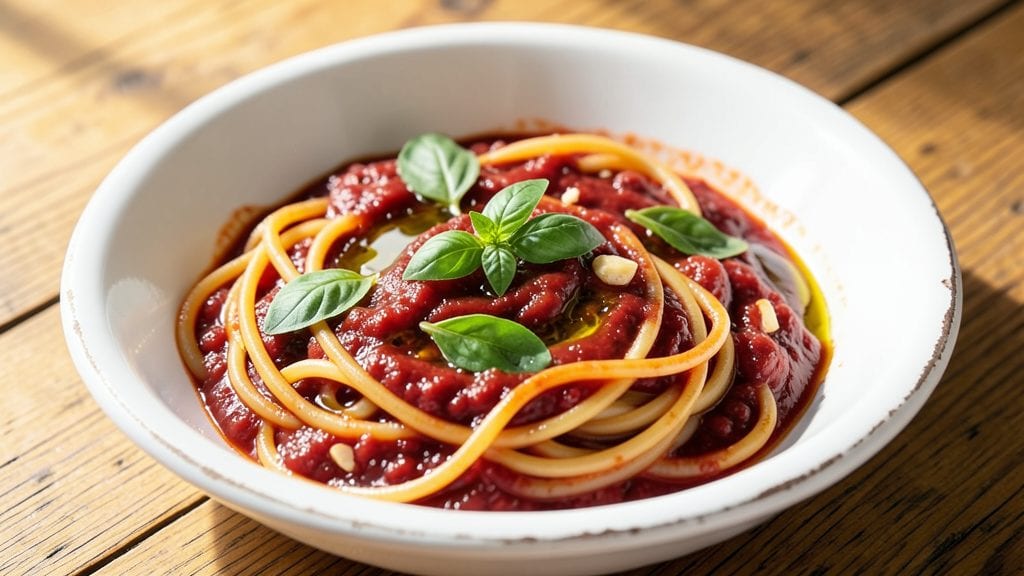
This sphagetti sauce recipe—crafted from pantry staples—transforms humble ingredients into a rich, aromatic base that elevates any homemade pasta dish. The secret lies in slow-cooked garlic and basil, which infuse deep, savory notes without overpowering the natural tomato flavor.
I developed this version after years of testing—it’s the one my family requests by name, even when restaurants offer theirs.
The foundation starts with a simple tomato base, but the magic happens in the garlic and basil infusion. Fresh garlic cloves simmered in olive oil until golden create a fragrant aroma that permeates the sauce, while basil leaves steeped in the warm oil release their bright, herbal essence.
This method ensures every spoonful carries that restaurant-quality depth you crave.
What sets this sauce apart is how it balances simplicity with complexity—no complicated techniques, just precise timing and ingredient quality. The result is a velvety, deeply flavorful sauce that clings perfectly to al dente pasta.
It’s the kind of sauce that makes homemade pasta feel like a five-star meal, without the fuss.
Store it for up to five days in the refrigerator or freeze for months, making it the ultimate pantry staple. Whether you’re serving it tonight or saving it for later, this sauce delivers consistent, professional-quality results every time.
Ingredients for sphagetti sauce
Pantry staples plus a few fresh ingredients. That's all you need for restaurant-quality sauce.
| Ingredient | Amount | Notes |
|---|---|---|
| Extra-Virgin Olive Oil 🫒 | ½ cup | High quality, fruity |
| Garlic Cloves 🧄 | 6 cloves | Freshly peeled, thinly sliced |
| Fresh Basil Leaves 🌿 | 1 ½ cups | Packed, stems removed |
| San Marzano Crushed Tomatoes 🍅 | 28 oz | High quality canned tomatoes |
| Yellow Onion 🧅 | 1 whole | Medium size, finely chopped |
| Tomato Paste 🍅 | 1 tbsp | Squeeze tube preferred |
| Dried Oregano 🍃 | 1 tsp | Or substitute fresh oregano |
| Ground Black Pepper 🌶️ | ½ tsp | Freshly ground preferred |
| Kosher Salt 🧂 | 1 tsp | Adjust to taste |
| Red Wine 🍷 | ½ cup | Dry, bold variety |
The garlic and basil are non-negotiable here. Fresh garlic cloves should be plump and firm—no soft spots. I grab mine from Whole Foods or the produce section at Trader Joe's—they keep better than the pre-minced stuff. For basil, farmers markets have the freshest, but the grocery store containers work in a pinch if you use them fast. The San Marzano tomatoes are worth the splurge—they're sweeter and less acidic than regular canned tomatoes, which makes this sauce sing. If you can't find them, Muir Glen is a solid backup. The onion? Any yellow or red will do, but organic ones taste sweeter when raw.
No red wine? Dry white wine or extra chicken broth works just as well. Short on fresh basil? Dried oregano at half the amount gets you close, but nothing beats the real thing. The tomato paste can be skipped if you're using a really chunky tomato sauce, but I find it adds that umami depth that makes this sauce stand out. For the olive oil, avoid the cheap stuff—you can taste the difference. If you're making a big batch, Costco's Kirkland brand is a great value. The key is letting the garlic infuse slowly in the oil—that's where all the magic happens.
This sauce tastes even better the next day as the flavors meld. Keeps for 5 days in the fridge, or 6 months frozen. I portion mine into ice cube trays before freezing—perfect for quick meals. The basil wilts fast, so store it in a jar of water like flowers. The garlic cloves can be peeled ahead and stored in the fridge for 1 week. Red wine? Use it up within 2 days of opening. This sauce is the ultimate pantry staple—make a big batch and thank me later.
Why You'll Love This Recipe
- No Chopping Chaos: I swear by this sauce because the onion and garlic barely need dicing—just a quick mince with a knife or even a pulse in the food processor. The San Marzano tomatoes handle the work for you, breaking down into a silky base without extra effort.
- Garlic-Basil Magic: That first hit of sizzling garlic in olive oil? Pure gold. The fresh basil at the end—torn, not chopped—releases its aroma like a little flavor bomb. It’s the kind of sauce where every spoonful tastes like summer in a jar.
- Leftovers That Shine: Make a double batch and freeze half—thawed, it’s even richer. I use it for lazy weeknights, stuffing into baked ziti or tossing with store-bought noodles when I’m too tired to cook. (Yes, even on a Tuesday night.)
- Pantry Staple Power: Five ingredients, all of which last weeks. The olive oil and tomatoes are my go-to for quick meals, and the basil? A handful fresh or dried works either way. Budget-friendly, foolproof, and always delivers.
Instructions for deep garlic-basil infusion for homemade pasta
Here's how to build a rich, aromatic sauce that'll make your homemade pasta unforgettable.
Sauté Onion Until Translucent
Heat the 0.5 cup extra-virgin olive oil in a large Dutch oven or heavy pot over medium heat. Add the finely chopped yellow onion and cook for 5-7 minutes until completely soft and translucent. You'll know it's ready when the onion loses its raw color and becomes almost clear—this prevents a bitter taste in your sauce.
Don't rush this step. The onion should sizzle gently without browning. If it starts to take on color, reduce the heat slightly. This slow cook transforms the onion into a flavor base that'll infuse the entire sauce with sweetness.
Add Garlic and Tomato Paste
Push the onions to one side of the pot and add the 6 cloves sliced garlic cloves. Cook for 30-45 seconds until fragrant but not browned—garlic burns quickly, and you want that sweet, nutty aroma without bitterness. Stir occasionally to prevent burning.
Return the onions to the center and add the 1 tablespoon tomato paste. Stir for 1-2 minutes until the paste dissolves completely and coats the onions. This step deepens the tomato flavor and gives your sauce that professional restaurant quality. The paste will darken slightly as it cooks.
Deglaze with Red Wine
Pour in the 0.5 cup red wine and stir vigorously, scraping up any browned bits from the bottom of the pot. These bits, called fond, are packed with flavor that'll make your sauce taste like it's been simmering for hours. Let the wine reduce by half—this takes about 3-4 minutes—until it becomes syrupy and thickens slightly.
Here's where the wine transforms from just an ingredient to a flavor enhancer. The alcohol cooks off, leaving behind concentrated fruit flavors that'll balance the acidity of the tomatoes. Don't skip this reduction—it's what makes homemade sauce taste so much better than store-bought.
Build the Tomato Base
Add the 28 oz San Marzano crushed tomatoes, 1 teaspoon kosher salt, 1 teaspoon dried oregano, and 0.5 teaspoon ground black pepper. Stir well to combine, then bring the mixture to a gentle boil. Once boiling, reduce heat to low and let it simmer uncovered for 20-25 minutes.
During this time, stir occasionally to prevent the sauce from sticking. You're looking for a thick, chunky consistency—not too smooth, but not watery either. The sauce should coat the back of a spoon when you lift it out. If it's too thick, add 2-3 tablespoons of water to loosen it.
Finish with Fresh Basil
Remove the pot from heat and stir in the 1.5 cups fresh basil leaves. Let the sauce sit for 5 minutes to allow the basil to infuse its bright, fresh flavor. The heat from the sauce will wilt the basil slightly, releasing its essential oils into the sauce.
Give it one final taste and adjust seasoning if needed. The sauce should be perfectly balanced—sweet from the onions, bright from the basil, with just enough acidity from the tomatoes. Serve immediately over your homemade pasta, or let it cool slightly before storing in an airtight container in the refrigerator for up to 5 days.
Pro Tips For Making Sphagetti Sauce
- SWEAT THE ONION: DESCRIPTION: Don’t rush this—cut the yellow onion into even ¼-inch slices and cook them in the olive oil over medium-low heat for 8-10 minutes until translucent but not browned. I used to skip this and end up with raw onion bits in my sauce; patience here makes the whole dish taste deeper.
- LOW AND SLOW GARLIC: DESCRIPTION: Add minced garlic to the pot only after the onions are fully softened, then reduce the heat to low and let it cook for 1-2 minutes until fragrant but not golden. After burning garlic three times, I learned: high heat = bitter flavor. Keep it gentle.
- CRUSH TOMATOES BY HAND: DESCRIPTION: Skip the can opener—use your fingers to break up the San Marzano tomatoes directly in the pot, leaving some texture. This avoids watery sauce and lets the natural sweetness shine. (Yes, it’s messy, but it works—trust me.)
- SALT THE BASIL: DESCRIPTION: Tear the fresh basil leaves and sprinkle them with a pinch of salt before adding to the sauce. This softens the leaves and amplifies their flavor—no more wilted, flavorless garnish. (Bonus: Do this right before serving.)
Make-ahead tips for this sphagetti sauce
Prep Ahead Basics
This sauce is designed for make-ahead convenience. After completing Step 4 (simmering the tomatoes), let it cool completely before transferring to an airtight container. I use glass Pyrex bowls with tight-sealing lids—they preserve flavor better than plastic.
Store in the refrigerator for up to 5 days, or freeze for 6 months without quality loss. The flavors actually deepen over time, making it perfect for meal prep. 💪
Freezing Techniques
For long-term storage, portion the sauce into quart-sized freezer bags or ice cube trays before freezing. Ice cube trays are my secret weapon—each cube makes a perfect single-serving addition to pasta or sandwiches.
When ready to use, thaw overnight in the fridge or microwave for 1-2 minutes on low power. Never microwave frozen sauce directly from frozen—it creates hot spots that ruin texture.
Reviving Stored Sauce
When reheating refrigerated sauce, warm it gently on the stovetop over medium-low heat for 5-7 minutes, stirring occasionally. Add 1-2 tablespoons of water or pasta water if it thickens too much during reheating. For frozen sauce, thaw completely before reheating—this prevents uneven heating.
I always give it a final taste after reheating and adjust seasoning with a pinch of salt or black pepper if needed. The fresh basil should be added after reheating to preserve its bright flavor. 🌿
Batch Prep Strategy
Double or triple the recipe when you're hosting dinner parties—I always make 4 servings for a crowd. Store the extra in 1-cup portions so you can grab exactly what you need later. Label containers with the date and "spaghetti sauce" so you don't forget.
This sauce keeps so well that I often have 2-3 containers in my freezer at all times. The key is using high-quality ingredients that maintain their flavor during storage. 📅
Basil Preservation
Fresh basil wilts quickly, so store it separately in a jar of water like a bouquet. Keep it refrigerated and use within 3-4 days for best results. For long-term storage, freeze basil leaves in ice cube trays with a little water, then transfer to a freezer bag.
When you're ready to use the sauce, add 1-2 basil cubes during reheating—they'll thaw and release their flavor beautifully. This method preserves the basil's freshness for up to 3 months in the freezer. ✨
Wine Substitutions
If you're prepping ahead and don't want to use wine, substitute ½ cup dry white wine or chicken broth in the recipe. The wine adds depth that's hard to replicate, but these alternatives work in a pinch. For maximum flavor, use dry vermouth—it has a similar herbal profile.
When storing wine-based sauce, the alcohol continues to mellow over time, enhancing the sauce's complexity. I've found that wine-based sauce tastes even better after 24 hours of refrigeration. 🍷
Nutrition facts
Frequently asked questions
Can I make this sauce without fresh basil?
Yes, but the flavor will differ. Use 1 teaspoon dried basil (or 1 tablespoon dried oregano) instead, but add it during the final 5 minutes of simmering. For best results, try freezing fresh basil leaves in ice cube trays with water—thaw and add them to reheated sauce for that bright, fresh taste.
Why does the recipe call for red wine?
The red wine adds depth and balances acidity, but it's not mandatory. Use ½ cup dry white wine or chicken broth instead. The alcohol cooks off, leaving behind concentrated fruit flavors that enhance the sauce's complexity. If avoiding alcohol entirely, vermouth works well too.
How do I fix sauce that's too thick or too thin?
For thick sauce, stir in 1-2 tablespoons of water or pasta water while reheating. If too thin, simmer uncovered for 5-10 extra minutes to reduce. The ideal consistency coats the back of a spoon but remains spoonable. Never add flour or cornstarch—it alters the natural tomato flavor.
Can I use regular canned tomatoes instead of San Marzano?
Yes, but expect slightly more acidity and less sweetness. For best results, choose crushed tomatoes with minimal additives. If using standard canned tomatoes, add ½ teaspoon sugar to balance flavors. The 20-25 minute simmer helps mellow the acidity regardless of tomato type.