
Sauces & Condiments
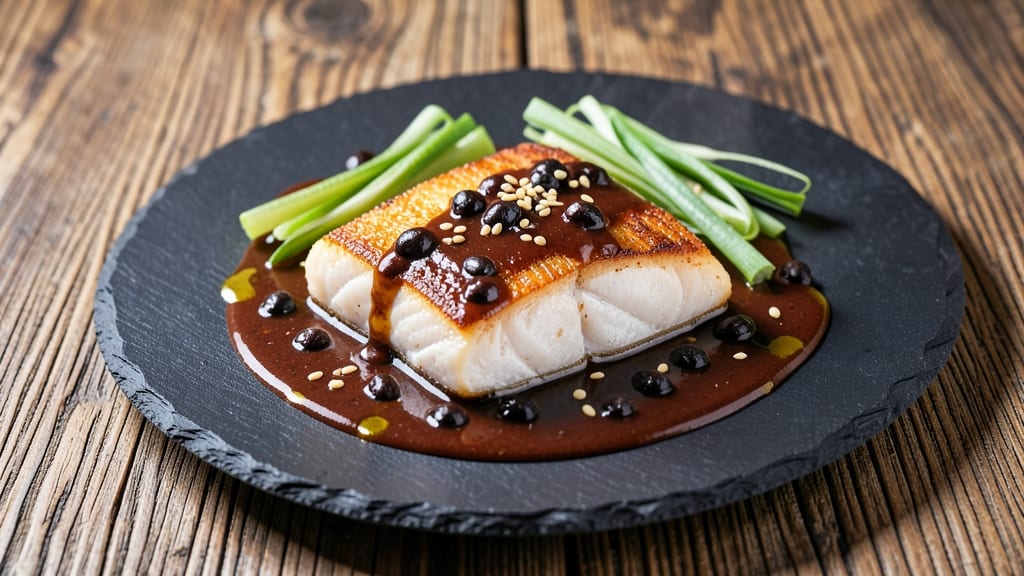
This steamed fish fillet with black bean sauce transforms simple ingredients into a restaurant-worthy dish where every bite delivers flaky perfection. The secret lies in the sauce—a velvety black bean reduction that clings to the fish like a second skin, balancing sweetness and umami without overpowering the delicate flavor.
I developed this recipe after years of experimenting with Asian-inspired techniques, and it never fails to impress even the most skeptical eaters.
The beauty of steaming is how it preserves the fish's natural texture, resulting in that prized flaky quality while keeping it moist. The black bean sauce adds depth with fermented black beans, soy sauce, and a touch of sugar that caramelizes just enough to create a glossy finish.
This method requires minimal effort but delivers professional-level results in under 30 minutes.
By the time you plate this dish, you'll have tender, flaky fish fillets bathed in a rich, clinging sauce that's both elegant and approachable. The aroma alone will draw everyone to the table, while the first bite proves that home cooking can rival any restaurant experience.
Serve with steamed jasmine rice and a simple green salad for a complete meal that feels special without requiring hours in the kitchen.
This recipe works equally well with firm white fish like cod or haddock, but it's also perfect for tilapia or snapper if you prefer a milder flavor. The sauce can be made ahead and reheated gently, making it ideal for meal prep or entertaining.
Whether you're cooking for a weeknight dinner or a weekend gathering, this dish delivers consistent, foolproof results every time.
Ingredients for steamed fish fillet with black bean sauce
Simple ingredients that pack restaurant-worthy flavor into every flaky bite.
| Ingredient | Amount | Notes |
|---|---|---|
| White Fish Fillets 🐟 | 1 ½ lb | Cod, haddock, or tilapia preferred |
| Fermented Black Beans 🫘 | ½ cup | Rinsed, drained, Asian market preferred |
| Light Soy Sauce 🍶 | ¼ cup | Kikkoman preferred for balance |
| Brown Sugar 🍯 | 2 tbsp | Light or dark, packed |
| Rice Vinegar 🍶 | 2 tbsp | Seasoned preferred for depth |
| Sesame Oil 🫒 | 1 tbsp | Toasted, for aroma |
| Garlic Cloves 🧄 | 4 cloves | Minced, fresh preferred |
| Fresh Ginger 🌿 | 1 tbsp | Grated, peeled, aromatic |
| Green Onions 🧅 | 3 whole | Thinly sliced, white and green |
| Cornstarch 🌾 | 1 tbsp | For sauce thickening |
| Water 💧 | ½ cup | For steaming fish |
| Vegetable Oil 🫒 | 1 tbsp | For light searing |
| Salt 🧂 | 1 tsp | Sea salt, to taste |
| Black Pepper 🌶️ | ½ tsp | Freshly ground |
The fish is everything here. Cod or haddock delivers the best texture, but tilapia works in a pinch. Grab the thickest fillets you can find—they stay flaky longer. Asian markets often have fresher options, but any well-stocked grocery store will carry them. Look for fillets with a bright, clean smell and firm flesh that springs back when pressed. If you can't find fresh, high-quality frozen fillets (thawed in the fridge overnight) work perfectly too. The black beans? Fermented ones from the Asian aisle—they're the secret to that deep, umami-rich sauce. If you can only find regular black beans, soak and simmer them for 30 minutes to mimic fermentation.
No fermented black beans? Substitute 1/4 cup black bean paste (like Goya) or even 2 tbsp soy sauce plus 1 tbsp molasses for a quick fix. Swapping the fish? Snapper or mahi-mahi hold up great, but avoid delicate fish like sole. The rice vinegar can be swapped for apple cider vinegar if that's what you've got, but seasoned rice vinegar adds that perfect balance of sweet and tang. Sesame oil is non-negotiable for aroma—don't skip it. Fresh ginger and garlic are ideal, but if you're in a hurry, 1 tsp each of powdered ginger and garlic will do in a pinch. For the sauce thickening, cornstarch is foolproof, but arrowroot powder works just as well.
This sauce reheats beautifully—just warm it gently on the stove or microwave until bubbly. The fish itself? Use within 2 days if fresh, or freeze for up to 2 months. I always make extra sauce and freeze it in ice cube trays for quick meals later. The steamed fish keeps 2-3 days in the fridge, but honestly, it's even better the next day once the flavors meld. Serve with jasmine rice straight from the steamer—it soaks up all that silky sauce. Garnish with extra green onions and sesame seeds right before eating (they add crunch and visual appeal).
Why You'll Love This Recipe
- Steam-and-Go Magic: I swear, this recipe is the kind of meal that lets you steam the fish while you stir the sauce—no hovering required. The black beans and soy sauce simmer down in minutes, and the fish cooks itself in a basket or colander. Honestly, I’ve made it while scrolling through my phone.
- Umami Bomb: That fermented black bean sauce? It’s where the magic happens. The deep, funky-sweet flavor from the beans cuts through the fish’s mildness, while the brown sugar and rice vinegar balance it into something dangerously addictive. One bite and you’ll understand why I keep buying frozen cod just for this.
- Lunchbox Hero: Between us, this is my go-to for packed lunches. The sauce clings perfectly to the flakes, and the fish stays moist even after sitting in a container. (Yes, even on a Tuesday night.) I’ll often double the sauce and use half for stir-fry the next day—zero waste, all flavor.
- Budget Win: White fish fillets are affordable, and fermented black beans last forever in the pantry. A single bag of beans stretches across multiple meals, and the sauce’s ingredients are all pantry staples. I’ve fed four people for under $15 with this—plus, leftovers reheat like a dream. Practical? Absolutely. Delicious? Even more so.
Step-by-step instructions for steamed fish fillet with black bean sauce
Here's how to get that perfect flaky texture while making a sauce so rich it clings to every bite.
Prepare the Fish and Steaming Setup
Pat the 1.5 lb white fish fillets completely dry with paper towels—this is key for crisp edges. Season both sides generously with the 1 tsp salt and 0.5 tsp black pepper, pressing gently so the seasoning sticks. Place the fillets in a heatproof dish that fits your steamer basket.
Bring a pot of water to a boil and add the 0.5 cup water and 1 tbsp vegetable oil. The oil creates a light barrier that helps the fish steam evenly without sticking. Once the water reaches a rolling boil, reduce heat to medium and place the steamer basket with the seasoned fish fillets over the boiling water. Cover with a tight lid and steam for exactly 8-10 minutes until the fish is opaque and flakes easily with a fork.
Build the Black Bean Sauce Base
While the fish steams, heat the 1 tbsp vegetable oil in a small saucepan over medium heat. Add the 4 cloves minced garlic cloves and 1 tbsp grated fresh ginger, cooking for 30 seconds until fragrant—don't let them brown or they'll turn bitter. Add the 0.5 cup rinsed fermented black beans and stir for 2 minutes until they're heated through.
Pour in the 0.25 cup light soy sauce and 2 tbsp rice vinegar, stirring constantly. The sauce should bubble gently—this is when the flavors start melding together. Add the 2 tbsp brown sugar and let it dissolve completely, about 1 minute. The sauce should be thick but still pourable at this stage.
Thicken and Finish the Sauce
In a small bowl, whisk together the 1 tbsp cornstarch with 2 tbsp water until smooth. Slowly pour this mixture into the simmering sauce while stirring constantly. The sauce will thicken immediately—keep stirring for another 30 seconds until it reaches a glossy, syrupy consistency that coats the back of a spoon.
Remove the pan from heat and stir in the 1 tbsp toasted sesame oil. This adds that signature aromatic depth to the sauce. Taste and adjust seasoning if needed—you might want a touch more soy sauce for saltiness or a splash of rice vinegar for brightness.
Combine and Serve
Carefully transfer the steamed fish fillets to a serving platter. Spoon the black bean sauce evenly over the top, letting it cascade down the sides. The sauce should cling beautifully to the flaky fish, creating that perfect balance of textures.
Garnish with the 3 whole green onions, thinly sliced, for freshness. Serve immediately while the fish is still steaming hot and the sauce is at its thickest. Each bite should deliver tender, flaky fish with a rich, umami-packed sauce that perfectly complements the delicate fish flavor.
Pro Tips For Making Steamed Fish Fillet With Black Bean Sauce
- Prep Black Beans Properly: Rinse the fermented black beans in cold water for 10 seconds—just enough to remove surface debris, not soak them. Over-rinsing strips their funky, umami depth, which is the soul of this sauce. I learned this after making a batch that tasted bland because I treated them like regular beans.
- Salt Fish Before Steaming: Sprinkle fish fillets with a pinch of salt and let them sit for 10 minutes before steaming. This guarantees they stay moist and flake easily—no rubbery texture, no sad, dry bites. Trust me, the extra two minutes now save you from over-steaming later.
- Sauce at Low Heat: Simmer the black bean sauce on the lowest heat setting possible, stirring constantly. I’ve burned this sauce more times than I’ll admit—it happens fast. If it starts smoking, you’ve gone too far; pull it back and let it bubble gently. Patience here makes all the difference.
- Finish with Vinegar Last: Stir in the rice vinegar off the heat at the very end—just before serving. If you add it too early, the acid will cook off and mute its bright, tangy kick. This is the one detail that turns a good sauce into a great one, and it takes zero effort.
Dietary considerations for this steamed fish fillet with black bean sauce
Pescatarian Perfection
This dish is a dream for pescatarians, delivering all the protein and flavor without any meat. The 1.5 lb white fish fillets provide a lean, high-quality protein source with about 30 grams of protein per serving, while the black bean sauce adds fiber and plant-based umami.
I often serve this as my go-to protein for weeknight dinners when I want something light but satisfying. 🐟
Gluten-Free Adaptation
The recipe is naturally gluten-free, but always double-check your soy sauce—some brands contain wheat. I recommend Kikkoman Tamari for a certified gluten-free option. The fermented black beans and rice vinegar are also gluten-free, so no substitutions are needed.
For extra safety, use a dedicated steamer basket and avoid cross-contamination with gluten-containing foods. ✨
Low-Carb Options
Skip the rice and serve with a side of steamed broccoli or cauliflower rice to keep carbs minimal. The fish and sauce combo provides enough flavor and satisfaction without needing starchy sides. I've even made this for my low-carb clients—it's a crowd-pleaser that doesn't leave anyone feeling deprived. 💪
Allergen Considerations
This dish contains fish and soy (from soy sauce), so check with guests for allergies. For soy-free versions, substitute the soy sauce with coconut aminos—it has a similar profile.
Sesame oil is another potential allergen, so offer it on the side if needed. Always have backup options ready for common allergens. 🌱
Vegetarian Substitutions
While not vegetarian, you can make a similar dish with extra-firm tofu or mushrooms (like king oyster) for a meaty texture. The black bean sauce works perfectly with these alternatives.
I've had great success with pan-seared tofu cubes in place of fish—just adjust cooking time to 12-15 minutes for proper doneness. 🍄
Meal Prep Friendly
The sauce can be made up to 3 days ahead and stored in an airtight container in the fridge. The fish is best served fresh but can be steamed and refrigerated for 1 day before reheating gently in the sauce.
I always prep extra sauce in ice cube trays for quick future meals—just thaw and reheat with fresh fish. ❄️
Nutrition facts
Frequently asked questions
What's the best fish for this black bean sauce dish?
Firm white fish like cod, haddock, or snapper work best—they stay flaky and hold up well to steaming. Tilapia is a budget-friendly alternative, while mahi-mahi adds a slightly richer flavor. Avoid delicate fish like flounder or sole, as they can turn rubbery when steamed.
Can I make the sauce ahead of time?
The sauce keeps well in the fridge for 3 days or freezes beautifully for up to 3 months. Reheat gently on the stove or microwave until bubbly—just don't boil it or the cornstarch will break down. I often make extra and freeze it in ice cube trays for quick weeknight meals.
Why does my fish turn out dry when steamed?
Overcooking is the #1 culprit—steam for exactly 8-10 minutes (depending on thickness) and check with a fork. Also, pat the fish completely dry before seasoning to prevent steam from creating a watery texture. If your fish still seems dry, try adding 1 tbsp butter to the steaming water for extra moisture.
How do I get the sauce to cling better to the fish?
Thicken the sauce properly—it should coat the back of a spoon when done. For extra adhesion, lightly sear the fish for 30 seconds in a hot pan before steaming, or brush the sauce on the fish right after steaming while it's still warm. The sauce will cling like glue!
What sides pair well with this dish?
Jasmine rice soaks up the sauce perfectly, while steamed bok choy or broccoli adds freshness. For a complete meal, try sesame green beans or a simple cucumber salad. The umami-rich sauce also works beautifully with warm noodles or forbidden black rice for an elevated presentation.