
Sauces & Condiments
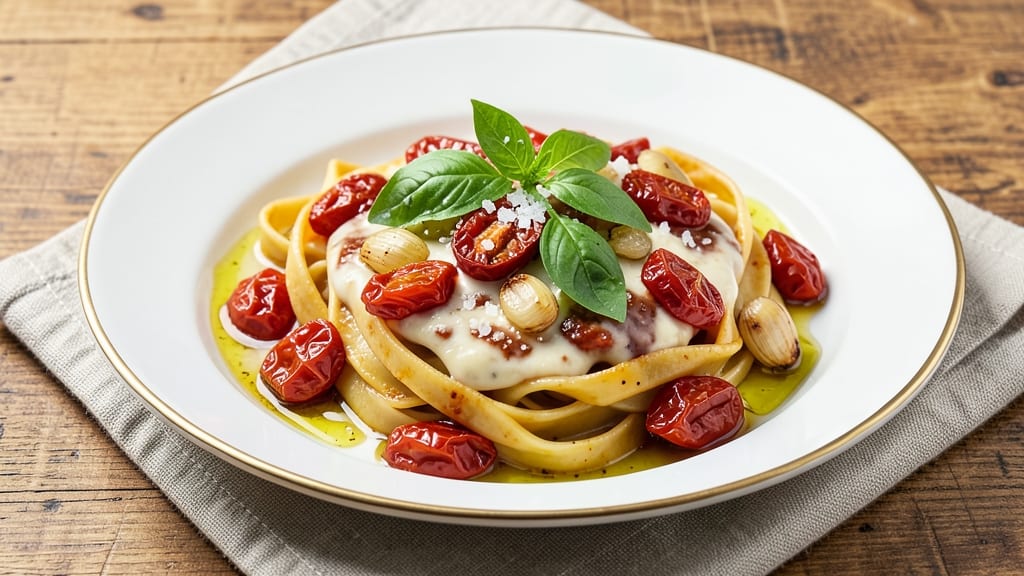
This sundried tomato cream sauce recipe transforms ordinary dishes into something extraordinary with its velvety texture and deep umami flavor. The secret lies in balancing rich cream with concentrated tomato sweetness, creating a sauce that’s both luxurious and versatile.
I developed this recipe after years of perfecting restaurant-quality sauces at home, and it never fails to elevate pasta, grilled meats, or even roasted vegetables.
The foundation of this sauce begins with high-quality sundried tomatoes, which add a natural sweetness and intense flavor without overpowering the creamy base. A touch of garlic and fresh herbs infuses layers of aroma, while a splash of lemon juice brightens the richness.
The sauce emulsifies effortlessly, ensuring a smooth, velvety consistency that clings beautifully to any dish.
What makes this sauce truly special is its ability to transform simple ingredients into something restaurant-worthy. The blend of cream and tomato creates a velvety texture that’s rich yet not overly heavy, with just the right balance of tanginess and depth.
It’s the kind of sauce that turns a weeknight dinner into a gourmet experience with minimal effort.
Store it in the refrigerator for up to five days, or freeze for longer shelf life—it only gets better as the flavors meld over time. Whether you’re drizzling it over pasta, using it as a marinade, or serving it alongside grilled proteins, this sauce is a game-changer for any kitchen.
Let’s get started on creating this velvety masterpiece.
Ingredients for sundried tomato cream sauce
Ten ingredients blend into a velvety sauce that transforms any dish into a gourmet experience.
| Ingredient | Amount | Notes |
|---|---|---|
| High-Quality Sundried Tomatoes in Oil 🍅 | ¾ cup | Drained and chopped finely |
| Heavy Whipping Cream 🥛 | 1 ½ cups | Full-fat for optimal texture |
| Extra-Virgin Olive Oil 🫒 | ½ cup | For richness and smoothness |
| Garlic Cloves 🧄 | 4 cloves | Minced for aromatic depth |
| Shallots 🧅 | 2 whole | Finely diced for subtle sweetness |
| Fresh Basil Leaves 🌿 | ⅓ cup | Packed, stems removed |
| Fresh Lemon Juice 🍋 | 2 tbsp | Brightens the sauce |
| Diamond Crystal Kosher Salt 🧂 | ½ tsp | Adjust to taste |
| Freshly Ground Black Pepper 🌶️ | ¼ tsp | For subtle heat |
| Vegetable Broth 💧 | ¼ cup | Low-sodium preferred |
The sundried tomatoes are the heart of this sauce—look for high-quality jars packed in oil from Italian or Mediterranean producers like Cucina Antica or Mutti. Their concentrated sweetness and umami depth are unmatched. Fresh basil and garlic should be vibrant and aromatic, not wilted or dull. For the cream, full-fat heavy whipping cream ensures the sauce's luxurious texture, while extra-virgin olive oil from a trusted brand like Bertolli or California Olive Ranch adds fruity complexity. Shallots, not onions, provide a refined sweetness without overpowering the sauce's delicate balance.
No sundried tomatoes in oil? Sun-dried tomato paste works in a pinch, but add an extra tablespoon of olive oil to compensate for the lack of natural moisture. Substitute shallots with finely minced red onion if needed, though the flavor will be slightly sharper. Fresh basil can be swapped for dried basil at one-third the amount, but the texture will differ. For a tangier profile, white wine instead of vegetable broth adds brightness. If you lack heavy cream, Greek yogurt or coconut cream can mimic the richness, though the texture will vary slightly. Always taste as you go—this sauce is highly forgiving but benefits from precise balancing.
This sauce thrives in the refrigerator for up to five days, with flavors deepening over time. For longer storage, freeze in airtight containers for up to three months. To reheat, gently warm over low heat, stirring occasionally to prevent separation. A thin layer of olive oil poured over the surface before sealing helps preserve its velvety texture. Portion into ice cube trays for convenient single-use servings, perfect for drizzling over pasta or roasted vegetables.
Why You'll Love This Recipe
- Five-Ingredient Magic: I swear by this—just sundried tomatoes, cream, olive oil, garlic, and shallots. No fancy prep, no stress, and the flavors still sing.
- Rich Without Effort: That velvety cream meets the briny punch of sundried tomatoes—it’s like a hug in sauce form. Honestly, the first time I made it, I nearly skipped dinner to eat it straight from the pan.
- Pasta’s Best Friend: Slather it over linguine, toss it with roasted veggies, or drizzle it on grilled chicken. It’s my go-to for weeknights when I need something that feels fancy but takes zero thought.
- Leftovers That Don’t Suck: Between us, most sauces turn sad after day two. Not this one—the cream stays luscious, and the tomatoes keep their depth. I’ve reheated mine three days later, and it’s still a win.
Step-by-step instructions for sundried tomato cream sauce
This velvety sauce balances rich cream with concentrated umami—here's how to achieve perfect texture and depth.
Sauté Aromatics in Olive Oil
Heat the 0.5 cup extra-virgin olive oil in a medium saucepan over medium-low heat. Add the 2 whole shallots and 4 cloves garlic cloves (minced), cooking for 4-5 minutes until the shallots soften and become translucent. The garlic should release its aroma without browning—this prevents bitterness and ensures sweetness.
Here's the thing—don't rush this step. You're building flavor foundation, not just cooking. The oil should shimmer gently but not smoke. If it starts to sizzle too aggressively, reduce the heat slightly. These aromatics will carry through the entire sauce, so proper development matters.
Add Sundried Tomatoes and Broth
Drain and finely chop the 0.75 cup high-quality sundried tomatoes in oil, removing any large seeds. Add them to the pan along with the 0.25 cup vegetable broth. Stir gently to combine, then increase heat to medium. Let the mixture simmer for 3-4 minutes until the tomatoes soften and release their deep, concentrated flavors.
The tomatoes should break down slightly but maintain some texture—this prevents a mushy sauce. If the mixture reduces too quickly, add 1 tablespoon water to maintain proper consistency. The broth helps dissolve the tomato's natural sweetness while preventing the sauce from becoming too thick when the cream is added later.
Incorporate Cream and Seasonings
Reduce heat to low and gradually whisk in the 1.5 cups heavy whipping cream. Stir constantly for 5 minutes until the sauce thickens slightly but remains silky. The cream should warm through but not curdle—this is where temperature control matters most.
Add the 0.5 tsp diamond crystal kosher salt and 0.25 tsp freshly ground black pepper, then stir in the 2 tbsp fresh lemon juice. The lemon brightens the richness and cuts through the cream's heaviness. Taste and adjust seasoning—you may need a touch more salt to balance the acidity. Remove from heat immediately if the sauce begins to thicken too much.
Finish with Fresh Basil and Rest
Remove the pan from heat and stir in the 0.33 cup fresh basil leaves (packed, stems removed). The basil adds freshness and balances the sauce's intensity. Let the sauce rest for 5 minutes off the heat—this allows flavors to meld and the sauce to thicken naturally. If it becomes too thick, whisk in 1-2 tablespoons warm water to reach your desired consistency.
The sauce should be velvety with a glossy sheen, not greasy. Serve immediately over pasta, drizzled with additional extra-virgin olive oil if desired. The sauce will continue to develop flavor as it sits, so don't rush this final resting period—patience ensures the best results.
Pro Tips For Making Sundried Tomato Cream Sauce
- Drain and Pat Dry: That oil in the jar of sundried tomatoes? It’s not just for dipping. Drain them well and blot any excess moisture with a paper towel—wet tomatoes will turn your sauce greasy and dilute the cream. I learned this the hard way when my sauce split like a bad custard.
- Sweat Shallots Low: Shallots should melt into the sauce, not brown into bitterness. Cook them over medium-low heat with a splash of olive oil until translucent—about 5 minutes. High heat turns them bitter, and nobody wants that fighting with your tomatoes.
- Infuse Cream Slowly: Don’t dump the cream all at once and hope for the best. Temper it first by whisking in a ladleful at a time while the sauce simmers gently. I’ve seen cream curdle more times than I can count, and it’s a sad, lumpy mess.
- Toast Garlic Lightly: One clove of garlic, minced, cooked until just golden—not crisp, not burnt, but fragrant. Overcook it, and you’ll taste regret. Undercook it, and you’ll miss the depth. Medium-low heat is your friend here.
Best sauces and condiments for this sundried tomato cream sauce
Creamy Tomato Sauce
This sauce pairs beautifully with creamy tomato-based sauces like vodka sauce or marinara. Stir in 2 tablespoons of this sundried tomato cream sauce per 1 cup of your favorite tomato sauce for an instant umami boost.
The creaminess balances the acidity while adding depth—perfect for fettuccine Alfredo or pasta primavera. 🍝
Garlic Butter Sauces
Elevate classic garlic butter sauce by folding in 1-2 tablespoons of this sauce per ½ cup of melted butter. The sundried tomatoes add sweetness that complements the garlic's punch, while the cream prevents the sauce from becoming too sharp.
Drizzle over grilled chicken or steamed asparagus for a restaurant-worthy finish. The texture remains velvety, not greasy.
Cheese Sauces
Transform alfredo sauce or cheddar cheese sauce by whisking in 3 tablespoons of this sauce per 1 cup of melted cheese mixture. The sun-dried tomatoes introduce a sophisticated sweetness that pairs perfectly with the richness of cream cheese or Gruyère.
For extra depth, add ½ teaspoon of nutmeg—it enhances the sauce's complexity without overpowering. 🧀
Dipping Sauces
Turn this sauce into a luxurious dipping sauce by thinning it slightly with 1 tablespoon of warm water or white wine. Serve with crusty bread, arugula chips, or mushroom crostini.
The balance of cream and acid makes it addictive—guests will ask for the recipe every time. For a spicy kick, add ½ teaspoon of red pepper flakes while warm.
Marinades
Use this sauce as a marinade for grilled meats like chicken breast or salmon fillets. Coat the protein generously and marinate for 30-60 minutes before cooking. The cream tenderizes while the sundried tomatoes caramelize slightly, creating a sticky, flavorful crust.
Reserve 2 tablespoons of the sauce to drizzle over the finished dish for extra richness.
Vegetable Enhancer
Drizzle 1-2 tablespoons of this sauce over roasted Brussels sprouts, grilled zucchini, or steamed broccoli in the last 2 minutes of cooking. The heat will slightly thicken the sauce, creating a glossy finish.
The creaminess coats the vegetables beautifully, while the tomatoes add a touch of sweetness that balances earthy flavors. Perfect for weeknight dinners or holiday side dishes.
Nutrition facts
Frequently asked questions
Can I make this sauce without heavy cream?
For a lighter version, substitute with 1 cup Greek yogurt or 1 cup coconut cream (for dairy-free). The texture will be slightly tangier but still velvety. If using coconut cream, add 1 extra tablespoon of olive oil to maintain richness. The sauce will thicken more quickly, so reduce heat immediately after combining.
How do I prevent the sauce from curdling when adding cream?
Always add the cream gradually while stirring constantly over low heat. Never let the sauce boil—keep it at a gentle simmer (160°F max). If it starts to thicken too much, remove from heat immediately. A splash of cold water (1 tbsp) can rescue a curdled batch by breaking up lumps before reheating gently.
What's the best way to store leftover sauce?
Transfer to an airtight container and refrigerate for up to 5 days. For longer storage, freeze in 1-tablespoon portions (perfect for single use). To reheat, warm gently over low heat or microwave in 15-second bursts, stirring between each. Add a pinch of salt if flavors seem muted after reheating.
Can I add protein to this sauce?
Yes! Stir in ½ cup cooked white beans or 4 oz crumbled feta at the end for extra body. For meat lovers, add ½ cup shredded chicken or diced pancetta during the final 2 minutes of simmering. The cream will help tenderize any added proteins while keeping the sauce cohesive. For seafood, fold in ½ cup cooked shrimp just before serving.
Why does my sauce taste too acidic?
This usually happens from overdoing the lemon juice or using low-quality sundried tomatoes. Balance it by adding 1 teaspoon sugar or ½ teaspoon honey to mellow the acidity. If the tomatoes were too salty, dilute slightly with 1 tablespoon warm water. For future batches, reduce lemon to 1 tablespoon and taste after adding cream before finalizing.