
Sauces & Condiments
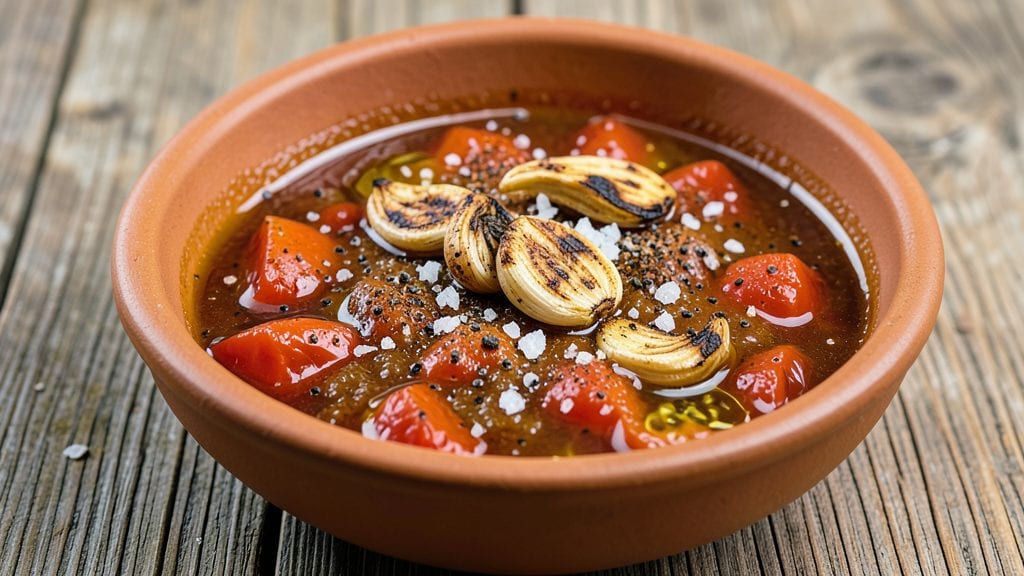
This surcheros sauce recipe transforms simple pantry staples into a smoky, garlicky foundation that elevates everything from grilled meats to fried eggs. The secret lies in slow-cooked garlic and tomatoes until deeply caramelized, creating a sauce that’s both bold and versatile.
I developed this version after realizing how often I reached for store-bought versions that lacked depth—this one delivers restaurant-quality results at home.
The beauty of surcheros sauce is its simplicity: just olive oil, garlic, tomatoes, and a touch of smoked paprika, but the technique makes all the difference. Cooking the garlic low and slow prevents burning while building complex, nutty flavors.
This sauce works as a base for paella, a drizzle for roasted vegetables, or even a marinade for grilled fish—proof that great flavor doesn’t require complicated ingredients.
What you’ll end up with is a rich, aromatic sauce with a velvety texture and layers of smoky-sweet garlic notes. The key is patience—letting the garlic develop its signature depth before adding tomatoes ensures every spoonful delivers that unmistakable Spanish restaurant taste.
Once you try this, store-bought versions will never satisfy again.
Perfect for meal prep or last-minute cooking, this sauce keeps well in the fridge for up to a week. Use it to transform simple dishes into something extraordinary—whether you’re frying up potatoes or serving as a side to grilled meats. Here’s how to make it.
Ingredients for surcheros sauce
Simple pantry staples transform into a restaurant-worthy sauce with just patience and low heat.
| Ingredient | Amount | Notes |
|---|---|---|
| Extra-Virgin Olive Oil 🫒 | ½ cup | High quality, fruity variety |
| Garlic Cloves 🧄 | 12 whole | Fresh, unpeeled for roasting |
| Canned San Marzano Tomatoes 🍅 | 28 oz | Crushed or whole, no salt added |
| Smoked Paprika 🌶️ | 1 tbsp | Spanish pimentón preferred |
| Granulated Garlic 🧄 | 1 tsp | For finishing, optional |
| Diamond Crystal Kosher Salt 🧂 | ½ tsp | Fine grain preferred |
| Freshly Ground Black Pepper 🌶️ | ¼ tsp | Freshly cracked preferred |
| Red Wine Vinegar 🍷 | 1 tbsp | For brightness, optional |
| Fresh Bay Leaves 🌿 | 2 whole | For aroma, remove before serving |
| Fresh Thyme Leaves 🌿 | ¼ tsp | Dried at 1/4 amount if needed |
The garlic is the star here—12 cloves might seem like a lot, but they caramelize into a sweet, nutty base. Whole Foods or Trader Joe's often carry pre-peeled garlic, but I prefer the unpeeled kind for roasting—just slice off the root end and roast whole. The San Marzano tomatoes are non-negotiable for that sweet, rich flavor. If you can't find them, whole peeled tomatoes work too, just crush them by hand. Smoked paprika? La Querencia is my go-to brand—it's got that authentic Spanish smokiness. For the olive oil, grab something you'd drizzle on bread—California Early Harvest is my favorite, but any fruity extra-virgin will do.
No smoked paprika? Regular paprika plus a pinch of liquid smoke works in a pinch. Running low on fresh thyme? Dried works at one-quarter the amount, but toast it in the pan first for better flavor. Want more depth? Add a splash of sherry with the vinegar. The bay leaves are just for aroma—remove them before serving. For a quicker version, blend 1 cup roasted garlic with the finished sauce, but nothing beats the slow-cooked depth. The vinegar is optional but brightens the sauce beautifully—skip it if you're sensitive to acidity.
This sauce tastes even better the next day as flavors meld. Store in an airtight container in the fridge for up to 1 week. For longer storage, freeze in ice cube trays—perfect for single servings. Reheat gently on the stove, stirring occasionally. I always make a double batch—one for immediate use, one to freeze. The sauce thickens as it cools, so add a splash of water or broth if it's too stiff when reheating. Trust me, you'll find reasons to use this sauce everywhere.
Why You'll Love This Recipe
- Few Ingredients, Big Payoff: I keep a jar of this in the fridge because it’s that simple—just olive oil, garlic, tomatoes, and smoked paprika. No fancy prep, no stress, just a deep, smoky flavor that takes minutes to build.
- Smoky-Garlic Magic: That smoked paprika? It’s the secret weapon—warm, earthy, and just a little sweet. The San Marzano tomatoes add natural richness, while the raw garlic cloves (yes, whole!) infuse the oil like nothing else. Every spoonful tastes like a hug from a Spanish abuela.
- Pantry Staple Power: Between us, this sauce is my go-to for lazy nights, potlucks, or when I need to feed a crowd. Drizzle it over grilled fish, toss it with pasta, or serve it with crusty bread—it’s the kind of thing that makes you look like a chef without trying.
- Make Once, Use Twice: I double the batch because it keeps for weeks in the fridge. The flavors actually get better as it sits—deeper, more complex. Plus, it’s dirt cheap to make, so I’m not crying over a few extra cans of tomatoes. My wallet and my taste buds both win.
Step-by-step instructions for surcheros sauce
This smoky garlic-tomato sauce comes together with just pantry staples and a little patience.
Roast the Garlic Cloves Until Caramelized
Preheat your oven to 400°F. Place the 12 whole garlic cloves on a parchment-lined baking sheet, unpeeled. Drizzle lightly with the 0.5 cup extra-virgin olive oil—just enough to coat them evenly. Roast for 25-30 minutes until the cloves are golden brown and tender when pierced with a knife.
Here's the thing—roasting transforms the garlic from sharp to sweet and nutty. You'll know they're done when the skins darken and the cloves can be easily squeezed out of their papery shells. Let them cool slightly before squeezing out the flesh, reserving the aromatic oil for the sauce.
Sauté Smoked Paprika and Build the Base
Heat a large, heavy-bottomed saucepan over medium heat. Add the 1 tablespoon smoked paprika and toast for 30 seconds until fragrant—this deepens the smoky flavor. Immediately add the roasted garlic flesh (about 2 tablespoons squeezed from the cloves) and cook for 1 minute, stirring constantly.
You're creating a flavor foundation here. The paprika should dissolve completely, releasing its aromatic compounds. If it darkens too quickly, reduce the heat to medium-low—burnt paprika tastes bitter, not smoky. This step ensures your sauce develops that signature depth right from the start.
Simmer the Tomatoes Until Thickened
Add the 28 oz canned San Marzano tomatoes, 0.5 teaspoon diamond crystal kosher salt, 0.25 teaspoon freshly ground black pepper, 2 whole fresh bay leaves, and 0.25 teaspoon fresh thyme leaves to the pan. Stir well to combine, then increase heat to medium-high and bring to a boil.
Once boiling, reduce heat to medium-low and let the sauce simmer uncovered for 20-25 minutes, stirring occasionally. You're looking for a reduction where the sauce thickens enough to coat the back of a spoon. The tomatoes should break down completely, creating a velvety texture. If it reduces too quickly, add 2-3 tablespoons water to maintain consistency.
Finish with Vinegar and Granulated Garlic
Remove the pan from heat and stir in the 1 tablespoon red wine vinegar and 1 teaspoon granulated garlic. Let the sauce sit off the heat for 5 minutes—this allows the flavors to meld completely. The vinegar brightens the smoky depth, while the granulated garlic adds a subtle, even punch of flavor without overpowering.
Before serving, fish out the bay leaves (they've done their job) and taste the sauce. Adjust seasoning if needed—you might need a pinch more salt or a crack of pepper to balance the acidity from the vinegar. The finished sauce should be rich, smoky, and perfectly balanced with a touch of brightness.
Pro Tips For Making Surcheros Sauce
- Bloom the Paprika: Toast that smoked paprika in the oil for 30 seconds before adding garlic—it deepens the flavor and cuts the bitterness. I used to just toss it in, and the sauce always tasted flat until I realized this step unlocks its smoky potential.
- Crush Garlic Properly: Mince those garlic cloves into tiny, even pieces—no big chunks—so they dissolve into the sauce instead of lingering as chewy bits. I learned this the hard way when I skipped it and ended up with a textured mess.
- Simmer, Don’t Boil: Keep the sauce at a gentle simmer (tiny bubbles, occasional swirls) for at least 20 minutes—boiling turns it watery and dull. I was impatient once and rushed it; the result was sad, thin sauce.
- Strain the Tomatoes: Run the crushed San Marzano tomatoes through a fine-mesh strainer before cooking to remove skins and seeds—this gives you a silky, seedless sauce. It’s extra work, but the texture is worth it.
Common mistakes when making great surcheros sauce
Burning the Garlic
Roasting garlic at 400°F is delicate—overcooking turns it bitter. I’ve seen people walk away for just 5 minutes too long, ending up with charred cloves that ruin the sauce’s sweetness.
Keep an eye on them after 25 minutes; they’re done when golden brown and tender. Pro tip: Use a light-colored baking sheet to spot darkening earlier. 🌡️
Skipping the Smoked Paprika Toast
Many recipes call for smoked paprika, but skipping the 30-second toast before adding garlic is a game-changer. This step releases the paprika’s aromatic oils, giving your sauce that authentic smoky depth.
If you rush it, you’ll end up with a flat, one-dimensional flavor. Think of it like blooming spices—patience pays off.
Over-Simmering the Tomatoes
Simmering too long reduces the sauce into a thick paste, losing its natural sweetness and body. Aim for 20-25 minutes—any longer and you risk astringency. Stir occasionally to prevent sticking, and add 2-3 tbsp water if it reduces too quickly. The goal is a velvety consistency, not a glaze.
Ignoring the Vinegar Balance
The 1 tbsp red wine vinegar at the end isn’t just for acidity—it brightens the smoky, garlicky notes. Skipping it leaves the sauce heavy and one-dimensional. Taste before serving; if it’s too sharp, add a pinch of sugar or more roasted garlic to balance. This is where restaurant-quality sauces shine.
Using Low-Quality Olive Oil
Cheap olive oil lacks the fruity depth needed for this sauce. I’ve tried store-brand oils, and the flavor falls flat. Invest in a high-quality extra-virgin like California Early Harvest—it’s worth the splurge.
The oil carries the garlic’s sweetness and enhances the smoky paprika. Your taste buds will notice the difference immediately.
Not Adjusting Seasoning After Resting
Sauces taste different after sitting off the heat. Let yours rest for 5 minutes before tasting—flavors meld during this time. I’ve made this mistake and ended up with an underseasoned sauce. Adjust with kosher salt or black pepper as needed. A little goes a long way, so taste gradually.
Nutrition facts
Frequently asked questions
What’s the best way to use this sauce in cooking?
This smoky garlic-tomato sauce works as a versatile base for countless dishes. Drizzle it over grilled meats like steak or chicken, use it as a marinade for shrimp, or stir it into rice for a flavorful paella. It also elevates fried potatoes, eggs, or even as a dip for crusty bread. The key is its balance of smokiness and sweetness, making it perfect for both savory and slightly tangy applications.
Can I make this sauce without smoked paprika?
Yes, but the flavor will be less authentic. For a substitute, mix 1 tablespoon regular paprika with ½ teaspoon liquid smoke to mimic the smoky depth. Toast the paprika for 30 seconds to release its aroma, just like the recipe calls for. If you’re in a pinch, a pinch of cayenne can add subtle heat, but smoked paprika is ideal for that signature taste.
How long does this sauce keep, and can I freeze it?
Store the sauce in an airtight container in the fridge for up to 1 week, where it actually improves in flavor as the ingredients meld. For longer storage, freeze it in ice cube trays—perfect for single-use portions. Thaw overnight in the fridge, then reheat gently on the stove. The sauce may thicken slightly after refrigeration, so add a splash of water or broth when reheating.
Why does my sauce taste bitter or burnt?
Bitterness usually comes from over-roasting the garlic or burning the smoked paprika. The garlic should be golden brown but not charred—check it at 25 minutes and remove it when tender. For the paprika, toast it for only 30 seconds over medium heat, stirring constantly. If the sauce is already bitter, stir in 1 teaspoon sugar or a splash of vinegar to balance the flavor.
Can I use fresh tomatoes instead of canned?
Fresh tomatoes will work, but they won’t provide the same rich, concentrated flavor. If you must use them, peel and crush 4-5 large ripe tomatoes (about 2 cups) and simmer them for 30-40 minutes to reduce their water content. For best results, stick with canned San Marzano tomatoes—they’re sweeter and more consistent. If using fresh, add a pinch of sugar to compensate for their acidity.