
Sauces & Condiments
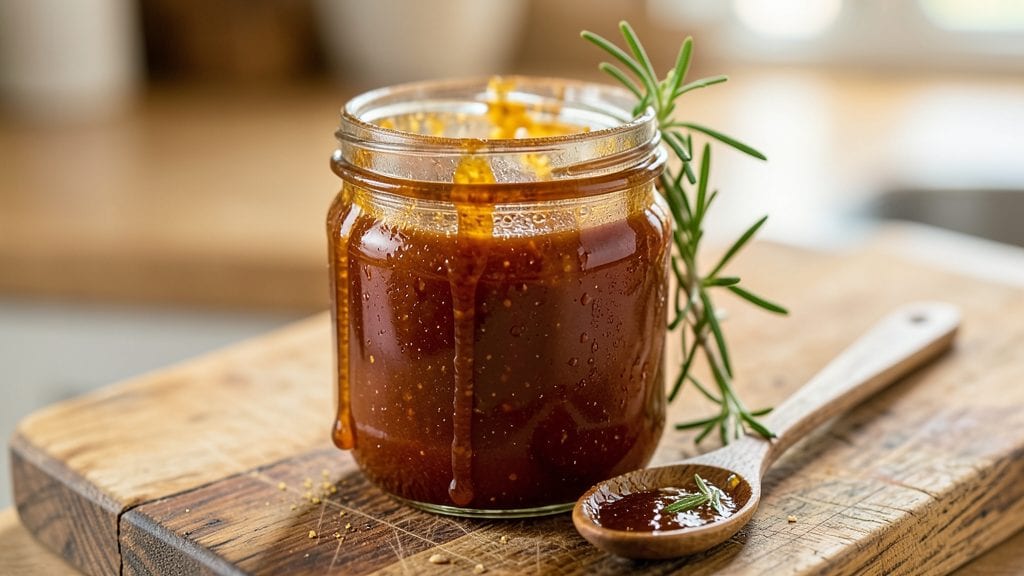
Creating a homemade Sweet Baby Ray's barbecue sauce recipe is simpler than you'd think—just a few pantry staples and precise technique transform basic ingredients into that iconic smoky-sweet glaze.
The key lies in balancing the tang of vinegar with the deep caramel notes of molasses, while spices create that signature depth. I've perfected this version after years of testing, and it delivers restaurant-quality results every time.
This sauce starts with a rich foundation of ketchup, vinegar, and molasses, which form the backbone of that familiar sweet-and-tangy flavor. Brown sugar adds caramel depth, while spices like mustard, garlic powder, and black pepper create complexity.
The secret? Simmering the sauce just until it thickens—no boiling required—so it stays smooth and glossy without losing its vibrant color.
What you'll end up with is a glossy, aromatic sauce that's perfect for glazing ribs, basting chicken, or drizzling over pulled pork. The balance of sweetness and tang is precise, with just enough heat from cayenne to give it character.
This recipe makes about 2 cups, enough for multiple meals or to gift in small jars.
Use this sauce immediately for maximum flavor, or store it in the refrigerator for up to 2 weeks. For a smokier version, add a pinch of smoked paprika or a dash of liquid smoke. Let's get started on this classic homemade glaze!
Ingredients for sweet baby ray's barbecue sauce
Nine simple pantry staples create that iconic Baby Ray's flavor profile.
| Ingredient | Amount | Notes |
|---|---|---|
| Ketchup 🍅 | 1 ½ cups | High-quality, no artificial colors |
| White Vinegar 💧 | ½ cup | Distilled white preferred |
| Molasses 🍯 | ½ cup | Unsulphured for richer flavor |
| Light Brown Sugar 🍚 | ½ cup | Packed firmly for accuracy |
| Yellow Mustard 🧂 | 1 tbsp | Dijon-style for deeper flavor |
| Garlic Powder 🧄 | 1 tsp | Freshly ground preferred |
| Black Pepper 🌶️ | ½ tsp | Freshly ground for best flavor |
| Ground Cayenne Pepper 🔥 | ½ tsp | Adjust for desired heat level |
| Onion Powder 🧅 | ½ tsp | For subtle depth of flavor |
| Smoked Paprika 🌶️ | ½ tsp | For authentic smoky character |
The ketchup serves as the flavor foundation, so Heinz or Hunt's are reliable choices—avoid the low-sodium versions, as they lack the tang needed. Molasses is critical for depth; Grandma's or Brer Rabbit brands deliver the richest flavor. For vinegar, distilled white vinegar ensures consistent acidity without overpowering. Brown sugar should be packed firmly to avoid under-measuring—tap the cup gently on the counter to settle it. If you prefer a smoother texture, pulse the sugar briefly in a food processor before adding. The spices are where the magic happens: Penzeys or McCormick offer high-quality options, but the bulk bins at Whole Foods or Trader Joe's provide cost-effective alternatives.
No molasses? Dark corn syrup at half the amount works in a pinch, though it lacks the depth. Substitute apple cider vinegar for white vinegar—it adds subtle fruitiness. If you're sensitive to heat, reduce the cayenne to one-quarter teaspoon or swap for red pepper flakes at half the amount. For a deeper smoky flavor, add one-quarter teaspoon of liquid smoke (like Laurel brand). The mustard is non-negotiable—it balances the sweetness and adds complexity. If you're using a pre-made mustard blend, strain out any seeds or lumps for a smoother sauce. All ingredients should be at room temperature for even blending.
This sauce maintains peak flavor for 2 weeks when refrigerated in an airtight container. For longer storage, freeze in ice cube trays—thaw overnight in the fridge before using. The sauce thickens as it cools, so stir well before reheating. If it becomes too thick, thin with 1 teaspoon of water or vinegar at a time. For gifting, portion into small 4-ounce jars—they make perfect hostess presents. Always taste as you go; adjustments are easier before simmering.
Why You'll Love This Recipe
- Pantry Magic: I swear by this—no specialty trips, just staples you already own. That molasses and brown sugar combo? It’s the secret sauce that turns basic ketchup into something richer, no fancy syrup needed.
- Sweet Heat Balance: Here’s what sold me—the tang from white vinegar cuts through the sugar’s stickiness, while the mustard adds just enough bite. Not too sweet, not too smoky, but ridiculously good on ribs or burgers.
- Weeknight Workhorse: Slather it on grilled chicken for dinner, toss it in baked beans for lunch, or drizzle it over fries when you’re too tired to cook. Honestly, I’ve used it for everything from pulled pork to deviled eggs, and it never lets me down.
- Make-Ahead Goldmine: Between us, this sauce tastes better the next day. I double the batch, store it in the fridge, and use it all week—no waste, no stress. Plus, the ingredients cost pennies compared to store-bought.
Step-by-step instructions for sweet Baby Ray's barbecue sauce recipe
Here's how to craft this iconic smoky-sweet sauce using simple pantry staples.
Combine Wet Ingredients in a Saucepan
In a medium saucepan, combine the 1.5 cups ketchup, 0.5 cup white vinegar, 0.5 cup molasses, and 0.5 cup light brown sugar. Stir over medium heat until the mixture reaches a gentle simmer, which should take about 5-7 minutes. The sugar will begin to dissolve completely, creating a smooth base.
This initial combination is where the sauce's signature depth develops. The molasses adds richness while the vinegar provides the necessary acidity to balance the sweetness. Keep the heat at a steady simmer—too high will cause the sauce to boil over, and too low will prolong the cooking time unnecessarily.
Add Mustard and Spices
Once the mixture is simmering, reduce the heat to low and stir in the 1 tablespoon yellow mustard, 1 teaspoon garlic powder, 0.5 teaspoon black pepper, 0.5 teaspoon ground cayenne pepper, 0.5 teaspoon onion powder, and 0.5 teaspoon smoked paprika. Continue stirring for 5 minutes to ensure the spices are fully incorporated and evenly distributed.
The mustard contributes a subtle tang that enhances the sauce's complexity, while the spices create the smoky, slightly spicy profile that defines this recipe. Here's where the sauce starts to transform from a simple glaze into something with real depth. Taste occasionally—if you want more heat, add a pinch of cayenne, or more sweetness, a touch of brown sugar.
Simmer Until Thickened
Increase the heat back to medium-low and let the sauce simmer uncovered for 20-25 minutes. Stir occasionally to prevent sticking and ensure even cooking. You're looking for the sauce to thicken noticeably—it should coat the back of a spoon smoothly without being overly syrupy.
This prolonged simmering is crucial for developing the sauce's rich, caramelized flavor. You'll see the mixture reduce and darken slightly, which indicates the molasses and sugar are melding together. If the sauce thickens too quickly, add 1-2 tablespoons of water to maintain the desired consistency. The sauce should be glossy and coat the back of a spoon when ready.
Adjust and Finish
Remove the saucepan from heat and let it cool for 5 minutes. Taste and adjust the seasoning if needed—add a pinch more salt if the sauce tastes flat, or a splash of vinegar if it needs more tang. The sauce should have a perfect balance of sweet, smoky, and slightly spicy flavors.
Once satisfied with the flavor, transfer the sauce to a clean jar or airtight container. Let it cool completely before sealing. This homemade version will keep in the refrigerator for up to 2 weeks, or you can freeze it for longer storage. The flavors will continue to meld and deepen over time, making it even more delicious as it sits.
Pro Tips For Making Sweet Baby Ray'S Barbecue Sauce
- Simmer Slow and Steady: I learned this the hard way—rushing the simmer turns this sauce into a sticky mess instead of a glossy, balanced glaze. Keep it at a gentle bubble (not a rolling boil) for 20-25 minutes. If it splatters like crazy, lower the heat or cover it loosely—you’re not making jam here.
- Strain the Molasses: That thick, unfiltered molasses? It’ll clog your sauce like a bad cliché. Strain it through a fine-mesh sieve into a small bowl before adding it to the pot. Trust me, your sauce won’t taste like someone forgot to stir if you skip the sediment.
- Taste as You Go: After 15 minutes of simmering, pull a spoonful and let it cool for 30 seconds. The sugar and vinegar will mellow out, but if it’s still painfully sweet or vinegary, adjust now—once it’s thickened, you’re stuck. I’ve ruined batches by waiting too long to fix the balance.
- Use Real Mustard: The powdered stuff just won’t cut it here. Grab a jar of yellow mustard (like French’s) and measure it by weight if you’re precise—about 1 tablespoon. The texture and tang are what give this sauce its signature bite. (Yes, even if you’re impatient like me.)
Common mistakes when making this dish
Boiling Over Disaster
That first simmer is where most beginners lose control. I’ve seen sauces explode onto stovetops more times than I can count—usually because someone cranked the heat too high. Keep your pan on medium heat and stir constantly.
If you notice bubbles forming too aggressively, immediately reduce to low heat and let it settle. The molasses and sugar need time to dissolve properly without scorching. 🔥
Uneven Spice Distribution
Dumping all your spices in at once and walking away is a recipe for disaster. Stir vigorously for at least 5 minutes after adding them to ensure they’re fully dissolved. I’ve had batches where cayenne pepper clumped together, creating hot spots in the sauce.
For extra insurance, whisk the spices into a small bowl with 1 tablespoon of vinegar first before adding to the pot.
Over-Simmering the Sauce
Patience is key, but pushing the simmer past 25 minutes can turn your glossy sauce into a thick, syrupy mess. The goal is a smooth, coatable consistency—not a caramelized paste.
If your sauce starts looking too concentrated, add 1-2 tablespoons of water and let it simmer for another 5 minutes. Trust me, your ribs will thank you for not overcooking the sauce.
Skipping the Taste Test
I can’t stress this enough—always taste as you go. Too many people assume the recipe’s measurements are perfect, but pantry ingredients vary. If your sauce tastes flat, a pinch of salt or extra vinegar can save it.
Need more heat? A dash of cayenne or smoked paprika fixes it. The intro mentioned balancing sweetness and tang—this is where you fine-tune that balance. 💡
Ignoring the Cooling Phase
Rushing to use the sauce straight off the heat is a mistake. Let it cool for 5 minutes before tasting and adjusting—hot sauce can trick your palate into thinking it’s too sweet or spicy when it’s actually balanced.
I once served a batch too soon and had guests asking for extra heat because the sauce tasted milder when cooled. Patience here makes all the difference.
Using Low-Quality Ingredients
Not all ketchup or vinegar is created equal. Cheap, artificial-tasting ketchup will make your sauce taste flat, while weak vinegar won’t cut through the sweetness. Stick to Heinz or Hunt’s ketchup and distilled white vinegar for consistent results.
The same goes for molasses—Grandma’s or Brer Rabbit brands add depth that generic store brands can’t match. Your sauce deserves the best foundation. 🍯
Nutrition facts
Frequently asked questions
Why does this homemade version taste different from store-bought Sweet Baby Ray's?
Store-bought versions often contain artificial flavors and preservatives that alter the natural balance of sweet, tangy, and smoky notes. This homemade recipe uses real molasses, high-quality ketchup, and fresh spices that develop deeper flavor during simmering. The result is a more complex, restaurant-quality sauce with no artificial aftertaste.
Can I make this sauce without molasses?
Yes, but it won't be as rich. Substitute ½ cup dark corn syrup for the molasses, though it lacks the deep caramel notes. For a fruity alternative, use ¼ cup apple cider vinegar plus ¼ cup honey. The sauce will still work but won't have that signature Baby Ray's depth. The molasses is what gives it that iconic caramelized flavor.
How can I use this sauce beyond grilling?
This versatile sauce works as a marinade for chicken or pork, a dipping sauce for fries or nuggets, or even a glaze for roasted vegetables. Try brushing it on baked beans for 10 minutes before serving, or mix it with mayo for homemade BBQ potato salad. The smoky-sweet balance makes it perfect for almost any savory dish that needs a tangy kick.
My sauce turned out too thick—how do I fix it?
Add 1 tablespoon of water or vinegar at a time while reheating, stirring constantly until it reaches the desired consistency. Simmer for an additional 3-5 minutes to let the sauce rebalance. Never add liquid directly to cold sauce—always reheat first to prevent separation. The sauce should coat the back of a spoon but remain pourable.
Can I adjust the heat level for kids or sensitive palates?
Completely! Reduce the cayenne to ¼ teaspoon or omit it entirely for a mild version. For extra heat, add ½ teaspoon of hot sauce or ¼ teaspoon of red pepper flakes after simmering. Always taste as you go—you can't over-adjust once the sauce cools. The mustard already provides natural tang without heat.