
Sauces & Condiments
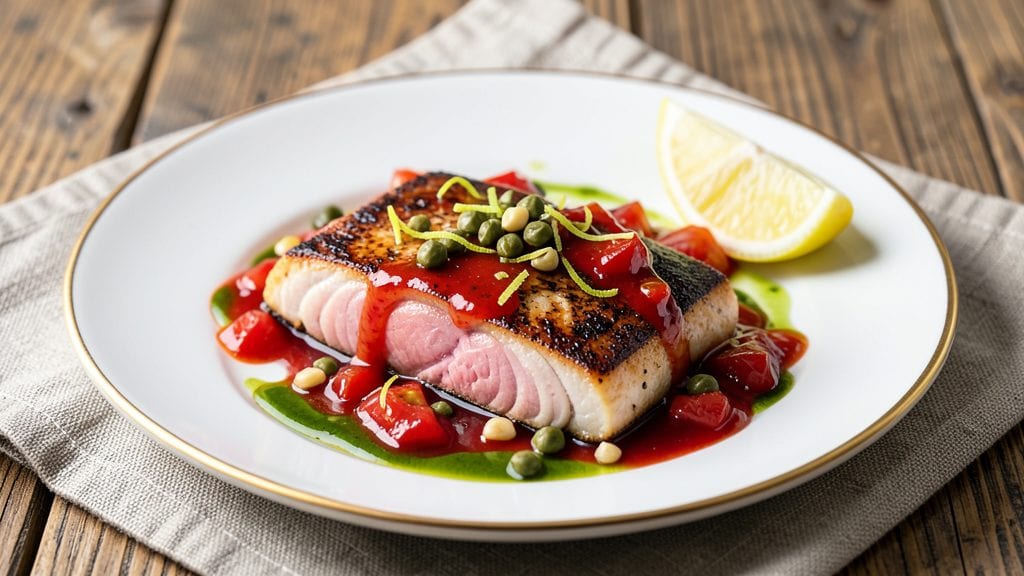
This swordfish sauce recipe transforms simple ingredients into a bright, tangy elixir that elevates seafood dishes with Mediterranean flair. The secret lies in balancing lemon zest, capers, and white wine for that signature sharpness, while tomatoes and garlic build depth.
I developed this sauce after years of testing—it’s the perfect marriage of acidity and richness that pairs flawlessly with grilled swordfish or crusty bread.
The beauty of this recipe is its versatility—use it as a marinade, dipping sauce, or pasta topping without altering a single ingredient. Olive oil serves as the foundation, while fresh herbs like parsley or basil add aromatic freshness.
What sets this sauce apart is how quickly it comes together: just 15 minutes of active prep, with flavors peaking after a 30-minute rest. The result? A sauce so vibrant it turns even the simplest seafood into a restaurant-worthy meal.
What makes this sauce truly professional is its ability to adapt to any seafood dish while maintaining its bright, zesty character. The capers and lemon cut through richness, while the tomatoes and wine add complexity that lingers on the palate.
This isn’t just a sauce—it’s a game-changer for anyone looking to elevate their cooking with minimal effort. Let’s get started on this foolproof recipe.
Once you taste this sauce, you’ll reach for it anytime swordfish—or any seafood—hits the table. It’s the kind of condiment that turns ordinary meals into memorable experiences, and it keeps beautifully in the fridge for up to 5 days.
Perfect for weeknight dinners or special occasions, this sauce proves that Mediterranean flavors don’t require complicated techniques—just the right balance of bright, tangy, and rich.
Ingredients for swordfish sauce
Ten Mediterranean ingredients transform into a vibrant sauce that elevates swordfish dishes effortlessly.
| Ingredient | Amount | Notes |
|---|---|---|
| Extra-Virgin Olive Oil 🫒 | ½ cup | High-quality, fruity variety preferred |
| Fresh Lemon Zest 🍋 | 2 tbsp | From 1 large organic lemon |
| Fresh Lemon Juice 🍋 | ¼ cup | Strained, no pulp |
| Capers 🍅 | ¼ cup | Nonpareils, rinsed and drained |
| San Marzano Crushed Tomatoes 🍅 | ½ cup | High-quality canned tomatoes |
| Garlic Cloves 🧄 | 4 cloves | Fresh, minced to fine paste |
| Dry White Wine 🍷 | ¼ cup | Sauvignon Blanc or Pinot Grigio |
| Fresh Flat-Leaf Parsley 🌿 | ¼ cup | Finely chopped, stems removed |
| Diamond Crystal Kosher Salt 🧂 | ½ tsp | Fine grain for delicate seasoning |
| Freshly Ground Black Pepper 🌶️ | ¼ tsp | Cracked peppercorns preferred |
The foundation begins with extra-virgin olive oil—seek out cold-pressed varieties with vibrant green hues and peppery notes, like California Olive Ranch or Colavita. For lemon zest, organic lemons yield the most aromatic peel, and a Microplane zester ensures fine, even strips. San Marzano tomatoes provide the sweetest, most consistent flavor profile, while Caputo flour (if making a thicker version) guarantees the best texture. Garlic should be fresh, with a papery skin that peels easily—Whole Foods or local farmers' markets typically carry the highest quality. The white wine must be dry; Sauvignon Blanc offers crisp acidity that cuts through the sauce's richness.
No San Marzano tomatoes? Crushed plum tomatoes work in a pinch, though they lack the same depth. Substitute white wine with dry vermouth or white grape juice for a similar acid profile, though the flavor will differ subtly. Fresh parsley can be swapped for dried Italian parsley at one-third the quantity, but the sauce will lose its bright aroma. For a vegetarian adaptation, replace capers with brined artichoke hearts or sun-dried tomatoes for a comparable umami punch. Always rinse capers thoroughly to remove excess brine, which can overpower the sauce's delicate balance.
This sauce reaches peak flavor after a 30-minute rest at room temperature, allowing the ingredients to meld. Store in an airtight glass container with a layer of olive oil on top to preserve freshness for up to 5 days in the refrigerator. For longer storage, freeze in 1-tablespoon portions in ice cube trays, then transfer to a freezer bag. Reheat gently on low heat, stirring constantly to prevent separation. The sauce thickens slightly upon reheating—thin with a splash of white wine or lemon juice if needed.
Why You'll Love This Recipe
- No-Fuss Pantry Staples: I swear by this sauce because it only needs five things—no fancy shopping required. That jar of San Marzano tomatoes? Already in my cabinet. The capers? Lasted me three months. Honestly, I’ve made it on a Tuesday night when I forgot to meal prep.
- Bright & Tangy Magic: The lemon zest and juice cut through the richness like a breath of fresh air. Between us, that briny caper pop against the sweet tomatoes? It’s the kind of flavor that makes you pause mid-bite. (Yes, even on a Tuesday night.)
- Weeknight to Dinner Party: Same sauce, different occasions—drizzled over grilled fish for a lazy night or spooned onto crusty bread for guests. I’ll be real: I’ve served it at both, and no one ever asked how easy it was to make.
- Leftovers That Don’t Suck: This sauce actually improves after a day in the fridge. The flavors meld, and I’ve reheated it straight from the jar for pasta or eggs the next morning. (Budget win: one batch feeds me for three meals.)
Step-by-step instructions for Mediterranean swordfish sauce
This sauce delivers bright, complex flavors in just minutes—perfect for enhancing grilled swordfish or drizzling over crusty bread.
Bloom the Garlic in Olive Oil
Heat the 0.5 cup extra-virgin olive oil in a medium saucepan over medium-low heat. Add the 4 cloves minced garlic cloves and cook gently for 2-3 minutes until they turn a pale golden color and release their fragrance. This step is crucial—garlic burns quickly, so watch closely and remove from heat immediately if it begins to darken.
Here's the thing—cooking garlic in oil at this temperature infuses the sauce with sweet, mellow garlic flavor rather than bitter notes. The olive oil should shimmer but not smoke. If it starts to bubble vigorously, reduce the heat slightly to maintain even cooking.
Add Tomatoes and Capers for Depth
Increase heat to medium and stir in the 0.5 cup San Marzano crushed tomatoes and 0.25 cup capers. Bring the mixture to a gentle simmer, then reduce heat to low and let it cook uncovered for 5 minutes. This allows the tomatoes to break down slightly while preserving their natural sweetness.
Stir occasionally to prevent sticking, especially along the edges of the pan. You'll notice the capers begin to soften and release their briny essence into the sauce. This is when the sauce starts building its signature Mediterranean brightness—don't rush this stage.
Deglaze with Wine and Lemon
Pour in the 0.25 cup dry white wine and scrape up any browned bits from the bottom of the pan with a wooden spoon. These fond bits contain concentrated flavor that will deepen your sauce. Let the wine simmer for 2-3 minutes until reduced by about half.
Next, add the 2 tbsp fresh lemon zest and 0.25 cup fresh lemon juice. Stir well and simmer for another 3-4 minutes until the sauce begins to thicken slightly. The lemon will brighten the entire sauce, cutting through the richness of the olive oil and balancing the briny capers.
Finish with Herbs and Seasoning
Reduce heat to low and stir in the 0.25 cup finely chopped fresh flat-leaf parsley and 0.5 tsp Diamond Crystal kosher salt. Let the sauce simmer gently for 1 minute to allow the parsley to release its fresh aroma. Finally, add the 0.25 tsp freshly ground black pepper and give it one final stir.
The sauce should now have a velvety consistency with a balance of bright lemon, briny capers, and sweet tomatoes. Taste and adjust seasoning if needed—this is your final opportunity to refine the flavor. For the best results, use the sauce immediately while it's still vibrant and warm.
Pro Tips For Making Swordfish Sauce
- Simmer Tomatoes Slow: Don’t rush the tomatoes—let them cook on low heat for 10-12 minutes until they’re thick and syrupy. I used to crank the heat and end up with a watery mess; patience here makes the sauce cling to the swordfish like it’s supposed to.
- Zest, Don’t Juice: Use only the zest (no pith) for the lemon—it’s the bright, aromatic punch that cuts through the richness. I learned this the hard way when I accidentally scraped in bitter white pith and ruined a whole batch. A microplane works best here.
- Rinse Capers First: Drain and rinse capers under cold water to remove excess brine before adding them. Skipping this step makes the sauce taste overly salty, and you’ll end up guessing how much to add later. Trust me, 10 seconds now saves you from over-salting.
- Finish with Oil: Stir in a final drizzle of EVOO off the heat—this coats the sauce and makes it silky. I was skeptical until I tried it; the sauce goes from good to luxurious with that last step. Use about 1 tablespoon, and let it cool slightly before serving.
Serving suggestions for this recipe
Grilled Swordfish Plating
Serve swordfish with this sauce drizzled over the top in a zigzag pattern using a small squeeze bottle or spoon. I like to arrange the fish on a bed of toasted farro or warm crusty bread to soak up the extra sauce.
Garnish with a sprinkle of fresh basil leaves and a few toasted pine nuts for texture and visual appeal. 🌟
For an elegant presentation, plate the swordfish on a slate board or wooden cutting board with lemon wedges on the side. Add a side of roasted asparagus or grilled zucchini> to balance the plate. The sauce’s bright acidity will make the dish look as stunning as it tastes.
Dipping Sauce Perfection
This sauce doubles as an incredible dipping sauce for fried calamari or shrimp skewers. Serve it chilled in a small bowl with a wooden spoon> for scooping. I like to add a few chopped Kalamata olives to the sauce just before serving for an extra Mediterranean touch. 🍋
For a restaurant-style experience, arrange the sauce in a small glass bowl> with a sprig of fresh parsley as a garnish. Pair it with warm pita bread> or crudité sticks> for dipping. The sauce’s versatility makes it perfect for appetizers or as a condiment for seafood platters.
Pasta Pairing Magic
Toss this sauce with linguine or spaghetti> for a quick and flavorful pasta dish. I recommend using whole wheat pasta> to add a bit of texture.
Add a handful of cherry tomatoes> and fresh mozzarella pearls> to the sauce just before tossing with the pasta for a Caprese-inspired twist. 🍝
For extra richness, stir in 2 tablespoons of crème fraîche> or mascarpone cheese> into the sauce before combining with the pasta. The sauce’s bright acidity balances the creaminess beautifully, creating a dish that’s both comforting and sophisticated.
Bread and Appetizer Topper
Spread this sauce on toasted baguette slices> and top with thinly sliced prosciutto> and fresh arugula> for a quick antipasto. The sauce’s tangy brightness cuts through the saltiness of the prosciutto, creating a perfect bite. 🥖
Use the sauce as a topping for seafood crostini> by spreading it on toasted bread and adding toppings like smoked salmon> or seared scallops>. The sauce’s versatility makes it ideal for elevating simple appetizers into something extraordinary.
Leftovers Transformation
If you have leftover sauce, use it to brighten up poached eggs> or grilled cheese sandwiches>. The acidity in the sauce cuts through the richness of the eggs or cheese, making every bite more vibrant. Drizzle it over avocado toast> for a brunch-worthy upgrade. ✨
For a creative twist, mix the sauce with Greek yogurt> to create a tangy dip for vegetable sticks> or chips>. The sauce’s Mediterranean flavors shine even in unexpected applications, making it a pantry staple worth keeping on hand.
Nutrition facts
Frequently asked questions
Can I use this sauce as a marinade for swordfish?
This sauce works beautifully as a marinade for swordfish. The bright lemon and acidity tenderize the fish while infusing it with flavor. For best results, marinate the swordfish for 30-45 minutes in the refrigerator before cooking. Just be sure to pat it dry before grilling or pan-searing to ensure a good sear.
What if I don't have white wine in my recipe?
No problem! You can substitute with dry vermouth or white grape juice for a similar acid profile. For a non-alcoholic option, use lemon juice or apple cider vinegar (reduce to 0.125 cup to maintain balance). The key is keeping the acidity—just adjust seasoning after adding the substitute.
How can I make this sauce thicker for dipping?
Simmer the sauce uncovered for an extra 5-7 minutes to reduce it naturally. For a quicker fix, stir in 1 teaspoon of cornstarch mixed with 1 tablespoon of water and cook until thickened. Avoid over-thickening—this sauce should remain velvety, not gluey.
Can I prepare this sauce ahead of time?
Yes! This sauce actually tastes better after resting. Store it in an airtight container in the fridge for up to 5 days. The flavors meld beautifully over time. For longer storage, freeze in 1-tablespoon portions—thaw overnight in the fridge before using.
What's the secret to balancing the flavors?
The magic lies in the lemon-to-tomato ratio and proper seasoning. Start with the full amount of lemon, then taste and adjust. If it's too acidic, add a pinch more salt; if too mild, squeeze in extra lemon. The capers and wine should complement, not overpower—they're supporting players in this bright, tangy ensemble.