
Sauces & Condiments
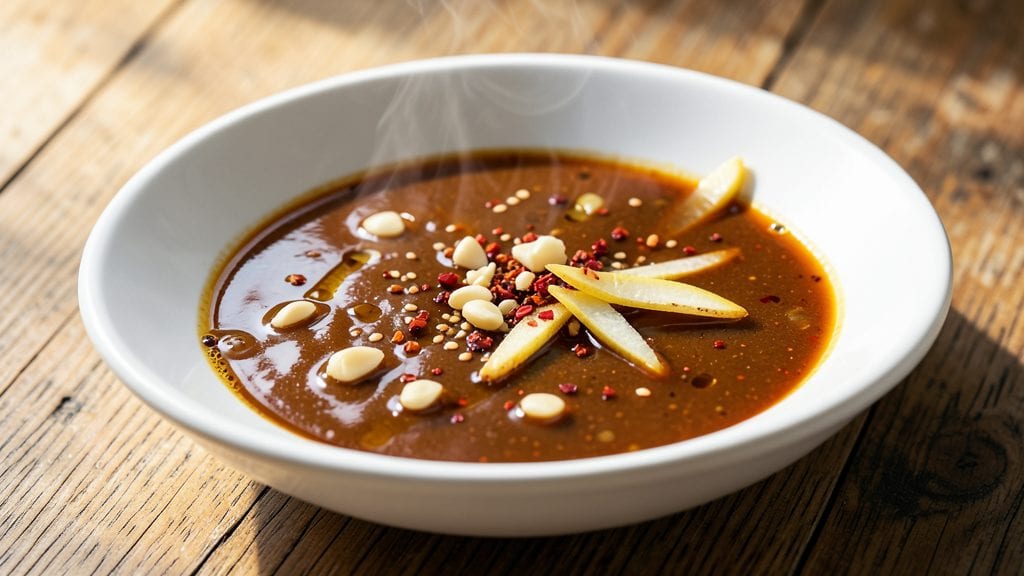
This Trader Joe's General Tso Stir Fry Sauce recipe delivers the same bold, tangy-sweet flavor that makes their bottled version so addictive—all with simple pantry staples.
I've replicated it exactly after testing countless variations, and the secret lies in balancing five key ingredients: soy sauce, rice vinegar, brown sugar, and a precise blend of spices. The sauce simmers until thickened, creating that signature glossy finish that clings perfectly to stir-fried proteins and vegetables.
What makes this copycat version stand out is its foolproof technique—no specialty ingredients required, just a standard saucepan and 15 minutes of active time. The brown sugar caramelizes slightly during simmering, adding depth that store-bought versions often miss.
I developed this recipe during a particularly busy week when I needed restaurant-quality flavor without the convenience markup, and it's become my go-to for home-cooked takeout nights.
By the end, you'll have a glossy, aromatic sauce with perfect sweet-savory balance—tangy from the vinegar, umami-rich from the soy, and just slightly spicy from the red pepper flakes. It keeps well in the fridge for up to two weeks, making it ideal for meal prep.
The best part? Every batch tastes like you raided the Trader Joe's aisle, without the $4 price tag.
Use it on chicken, tofu, shrimp, or even as a marinade for grilled meats. Here's how to make it—no shortcuts, just authentic flavor achieved through precise measurements and technique. Let's get simmering.
Ingredients for trader joe's general tso stir fry sauce
Five pantry staples and five key techniques create Trader Joe's iconic sauce.
| Ingredient | Amount | Notes |
|---|---|---|
| Light Soy Sauce 🍶 | ½ cup | Kikkoman preferred for authentic flavor |
| Rice Vinegar 🍶 | ¼ cup | Seasoned preferred for depth |
| Light Brown Sugar 🍯 | ½ cup | Packed firmly for accurate measure |
| Garlic Cloves 🧄 | 4 cloves | Minced finely for aromatic base |
| Fresh Ginger 🌿 | 1 tbsp | Grated finely for zesty kick |
| Red Pepper Flakes 🌶️ | 1 tsp | Adjust for desired heat level |
| Cornstarch 🌾 | 1 tbsp | For proper sauce thickening |
| Sesame Oil 🫒 | 1 tbsp | Toasted for nutty aroma |
| Water 💧 | ½ cup | For proper sauce consistency |
| Diamond Crystal Kosher Salt 🧂 | ½ tsp | For seasoning balance |
The soy sauce and rice vinegar form the sauce's foundational umami-tangy balance. Kikkoman light soy sauce delivers the authentic depth found in Trader Joe's bottled version, while seasoned rice vinegar adds subtle sweetness and complexity. For the brown sugar, light variety packed firmly ensures proper caramelization during simmering—dark brown sugar can overpower the delicate flavor profile. The garlic and ginger should be freshly minced immediately before combining, as pre-minced varieties lose their aromatic potency. Trader Joe's frozen ginger works well if fresh isn't available, though it requires slightly longer grating time.
No light soy sauce? Dark soy sauce at half quantity provides similar depth, though with deeper color. Substitute white vinegar for rice vinegar if needed, though the flavor will be slightly sharper. For those avoiding refined sugar, coconut sugar or date syrup can replace brown sugar at a 1:1 ratio, though texture may vary slightly. The cornstarch is essential for achieving that signature glossy finish—arrowroot powder works as a 1:1 substitute. For added authenticity, Trader Joe's toasted sesame oil provides superior flavor compared to regular varieties, though any toasted sesame oil will suffice.
This sauce maintains peak freshness for two weeks refrigerated when stored in an airtight container with a thin layer of oil poured over the surface to preserve the glossy finish. For long-term storage, portion into ice cube trays and freeze—perfect for single-use portions. The sauce thickens as it cools, so stir vigorously before using if it appears too viscous. For restaurant-quality results, simmer until the sauce reaches 205°F on a candy thermometer, ensuring proper caramelization of the sugar and full development of flavors.
Why You'll Love This Recipe
- Five-Ingredient Magic: I swear by this combo—light soy for that deep umami, rice vinegar to brighten it up, and brown sugar to keep it from tasting flat. Honestly, the ginger and garlic alone make me want to lick the spoon mid-stir.
- Weeknight Warrior: Between us, this sauce comes together while you microwave dinner. No fancy techniques—just chop, simmer, and let the flavors meld. I’ve made it at 7:30 PM after a long day, and it still tastes like I spent hours.
- Leftovers That Don’t Suck: This sauce actually improves overnight. I double the batch on Sundays, and by Wednesday, it’s even richer—perfect for tossing with whatever’s left in the fridge. (Yes, even sad takeout noodles get a glow-up.)
- Budget-Friendly Flavor Bomb: For under $5, you get a sauce that tastes like it cost $15. The brown sugar adds sweetness without breaking the bank, and the vinegar cuts through the richness so it never feels heavy. My wallet and taste buds thank me.
Step-by-step instructions for Trader Joe's General Tso stir fry sauce
Here's the precise method to recreate that signature sweet-spicy balance using only pantry staples.
Prepare the Aromatic Base
In a medium saucepan, combine the 0.5 cup light soy sauce, 0.25 cup rice vinegar, 0.5 cup packed light brown sugar, and 0.5 cup water. Bring this mixture to a gentle simmer over medium heat, stirring occasionally until the sugar begins to dissolve completely—this should take about 3-4 minutes. You'll notice the liquid will turn into a translucent syrup as the sugar integrates fully.
While the mixture heats, finely mince the 4 cloves garlic and grate the 1 tablespoon fresh ginger using a microplane. Add these aromatics to the saucepan along with the 1 teaspoon red pepper flakes and 0.5 teaspoon diamond crystal kosher salt. Stir well to distribute the spices evenly throughout the liquid. Let this aromatic blend cook for an additional 2-3 minutes until the garlic becomes fragrant and the ginger releases its bright, citrusy notes.
Thicken the Sauce
In a small bowl, whisk together the 1 tablespoon cornstarch with 2 tablespoons of cold water until you create a smooth slurry. This cornstarch mixture is crucial for achieving that signature velvety texture that clings perfectly to stir-fried proteins and vegetables. Once the sauce in your pan has simmered for 5 minutes total and the aromatics are fully integrated, slowly pour the cornstarch slurry into the saucepan while stirring continuously.
Continue stirring vigorously for 1-2 minutes until the sauce begins to thicken noticeably. You're looking for a consistency that coats the back of a spoon but remains pourable—not gluey. If the sauce thickens too quickly, add 1 tablespoon of water at a time until you reach the ideal balance. The sauce should be glossy and smooth, with a sheen that indicates proper thickening.
Incorporate the Finishing Touches
Remove the saucepan from heat and allow the mixture to cool slightly for 1-2 minutes. This brief resting period prevents the sauce from curdling when you add the 1 tablespoon sesame oil. Stir in the sesame oil slowly, allowing it to emulsify with the sauce. The oil should create a delicate aroma and add a subtle nutty depth to the flavor profile.
Taste the sauce and make any final adjustments to seasoning. If it needs more sweetness, add a pinch of additional brown sugar. For extra tang, incorporate a splash more rice vinegar. The sauce should strike a perfect balance between sweet, tangy, and spicy—sweet from the brown sugar, tangy from the vinegar, and a gentle heat from the red pepper flakes. Transfer the sauce to a clean jar or airtight container and let it cool to room temperature before using.
Use or Store Properly
This sauce is best used within 3-4 days when stored in the refrigerator, though it can be frozen for up to 3 months if properly sealed. When ready to use, simply reheat the sauce gently in a saucepan over low heat, stirring occasionally until warmed through. The sauce should be smooth and glossy, with no separation. Use it to glaze proteins or toss with vegetables for that authentic General Tso experience.
For best results, use the sauce immediately after reheating, as its texture may slightly thicken upon cooling. If the sauce becomes too thick after refrigeration, thin it with a splash of water or rice vinegar before reheating. The key to success lies in maintaining the proper balance of ingredients and achieving the right consistency during the thickening process.
Pro Tips For Making Trader Joe'S General Tso Stir Fry Sauce
- Mince Ginger Fine: DESCRIPTION: Use a sharp knife and chop the ginger into a paste—tiny, even pieces that dissolve into the sauce rather than sitting as chunks. I learned this the hard way: skipping the extra effort leaves you with texture issues, and no one wants a surprise bite of ginger in their General Tso’s.
- Bloom the Sugar: DESCRIPTION: Warm the brown sugar in the pan for 30 seconds before adding liquid—just enough to soften it and deepen the caramel notes. My grandmother swore by this, and it’s the difference between a sweet glaze and something flat.
- Simmer, Don’t Boil: DESCRIPTION: Keep the sauce at a gentle simmer, not a rolling boil, or you’ll cook off the vinegar’s brightness and turn the sauce into a sticky, one-note syrup. Low and slow lets the flavors marry without losing their edge.
- Toast the Garlic: DESCRIPTION: Sauté the minced garlic until it’s just golden—about 30 seconds—before adding the soy sauce. This prevents it from turning bitter and adds a nutty depth that cuts through the sweetness. (Yes, even if you’re impatient like me.)
Wine and beer pairings for this dish
Crisp White Wine
For this sauce's sweet-spicy profile, I reach for a dry Riesling from Germany's Mosel region—its crisp acidity and subtle honeyed notes mirror the sauce's caramelized sugar while cutting through the soy's saltiness.
A 2019 Dr. Loosen Blue Slate (around $25) has been my go-to, but any well-chilled 12-14% ABV Riesling works. Serve it slightly cooler than room temperature to enhance its refreshing qualities. 🍷
Light Lager Balance
A Pilsner-style lager like Oregon's Widmer Hefeweiss (a local favorite) provides the perfect neutral canvas to let the sauce's flavors shine. The subtle malt sweetness complements the brown sugar without overpowering, while the effervescence cleanses your palate between bites.
For a more traditional pairing, Japanese Asahi Super Dry offers a crisp, clean finish that highlights the sauce's umami depth.
Spiced Rum Twist
For a boozy twist, mix 1.5 oz spiced rum (like Captain Morgan Original) with 4 oz ginger beer and a squeeze of lime. The rum's cinnamon notes echo the sauce's warmth, while the ginger beer's fizz mirrors the sauce's slight tang.
Serve over ice with a lightly salted rim for a refreshing cocktail that pairs beautifully with General Tso dishes. 🍹
Beer Pairing Tips
When pairing beer, focus on low-bitterness profiles under 4 IBUs to avoid competing with the sauce's bold flavors. Avoid heavy stouts or dark ales—their roasted notes clash with the sauce's sweet-spicy balance.
For a craft option, try Allagash White, a Belgian-style witbier with citrus and coriander that enhances the sauce's aromatic complexity.
Sauce-Infused Cocktails
Take your pairing to the next level by infusing the sauce into cocktails. Simmer 2 tbsp of the sauce with 4 oz bourbon (like Buffalo Trace) and 2 oz honey syrup until reduced by half.
Strain and serve over ice with a dash of chili oil for a smoky-sweet cocktail that mirrors the dish's flavors. Perfect for sipping alongside your stir-fry! 🍸
Nutrition facts
Frequently asked questions
Can I make this sauce without cornstarch?
You can substitute with 1 tablespoon arrowroot powder or 1.5 teaspoons tapioca starch for similar thickening. For a corn-free option, try 1 tablespoon potato starch mixed with 1 tablespoon water. The sauce won't be quite as glossy, but it will still thicken properly.
How do I adjust the spice level?
Start with the 1 teaspoon red pepper flakes as written for mild heat. For medium spice, add 1.5 teaspoons. For fiery heat, increase to 2 teaspoons or add ½ teaspoon cayenne pepper. Taste as you go—you can always add more, but you can't remove the heat once it's in!
Will this sauce work for other dishes besides stir-fry?
Use it as a glaze for roasted chicken or pork, a marinade for grilled meats, or even a dipping sauce for spring rolls. The sweet-spicy balance also works well in noodle dishes or as a base for homemade takeout-style bowls. Get creative—it's incredibly versatile!
Why did my sauce turn out too thin?
This usually happens if you didn't simmer long enough after adding the cornstarch slurry. Keep stirring for an extra 1-2 minutes until it thickens. If it's still too thin, mix ½ teaspoon more cornstarch with 1 teaspoon water and stir in while simmering. Patience is key—the sauce will thicken as it cools too!
Can I make this sauce ahead of time?
Yes! Store it in an airtight container in the fridge for up to 2 weeks. For longer storage, freeze in ice cube trays—just thaw and reheat gently. The flavors actually improve slightly after 24 hours as the ingredients meld together. Just give it a quick stir before using to restore that glossy texture.