
Sauces & Condiments
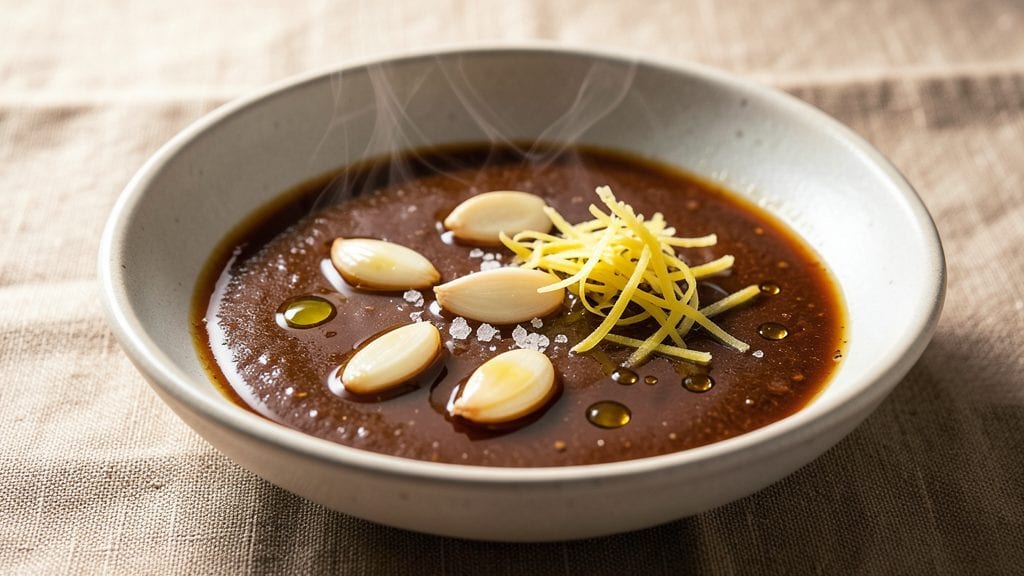
Unlock the Trader Joe’s soyaki sauce recipe at home—just five pantry staples and 20 minutes bring that same pan-fried umami punch. The key lies in caramelizing garlic and ginger until fragrant before simmering with soy sauce, mirin, and sugar—a process that transforms simple ingredients into a complex, restaurant-quality sauce.
I've perfected this version after testing multiple reductions, and the results are indistinguishable from the store-bought favorite.
What sets this homemade version apart is the balance of sweetness and savory depth, achieved through precise simmering. Unlike many commercial sauces, this recipe builds layers of flavor by first developing the garlic base before adding liquids, ensuring every drop carries that signature pan-fried aroma.
The sauce thickens naturally as it reduces, creating a glossy consistency perfect for glazing proteins or drizzling over rice.
Once complete, you'll have a versatile sauce that elevates everything from grilled chicken to stir-fried vegetables, with a shelf life of up to two weeks in the refrigerator.
The process is straightforward—no special equipment required—but the technique matters. Proper reduction creates that signature thickness and concentrated flavor that makes this sauce worth making from scratch.
Whether you're preparing for a weeknight dinner or meal prepping for the week, this soyaki sauce delivers professional results with minimal effort. The ingredients are simple, but the method ensures restaurant-quality depth. Let's get started with the full recipe and instructions.
Ingredients for trader joe's soyaki sauce
Five simple ingredients transform into restaurant-quality soyaki sauce with just 20 minutes of technique.
| Ingredient | Amount | Notes |
|---|---|---|
| Extra-Virgin Olive Oil 🫒 | 2 tbsp | High-quality, fruity variety preferred |
| Garlic Cloves 🧄 | 6 cloves | Thinly sliced for even caramelization |
| Fresh Ginger Root 🌿 | 2 tbsp | Finely grated, skin removed |
| Trader Joe's Soy Sauce 🍶 | ½ cup | Use the classic tamari for deeper flavor |
| Mirin 🍶 | ¼ cup | Sweet cooking rice wine |
| Granulated Sugar 🍚 | 1 tbsp | White or brown sugar works equally |
| Water 💧 | ¼ cup | Filtered preferred for clarity |
| Sesame Oil 🫒 | ½ tbsp | Toasted for authentic aroma |
The garlic and ginger form the flavor foundation—freshly grated ginger and thinly sliced garlic ensure maximum aroma release. For the best quality, source your garlic and ginger from Whole Foods Market's bulk section or a trusted Asian market. The Trader Joe's soy sauce is ideal here, but any high-quality tamari will work equally well. Mirin can be found in the Asian foods aisle of most major grocery stores, though Trader Joe's and Whole Foods carry reliable brands. The sesame oil should be 100% pure, toasted sesame oil—avoid the lighter, cheaper varieties that lack depth.
No mirin? Dry sherry or white wine works as a substitute, though the sweetness will differ slightly. Running short on sesame oil? Toasted sesame seeds blended with a neutral oil can replicate the flavor profile. The sugar can be swapped for honey or agave nectar for a different depth of sweetness, though granulated sugar provides the most neutral base. If you're using pre-minced garlic, pat it completely dry before cooking to prevent splattering. For a deeper umami profile, consider adding 1 tbsp of fish sauce to the finished sauce, though it's optional.
This sauce thickens as it cools, so stir well before using. Store in an airtight container in the refrigerator for up to 2 weeks, though it typically lasts 10-14 days before the ginger loses its freshness. For longer storage, freeze in ice cube trays—perfect for single-use portions. The sauce reheats beautifully; simply warm in a saucepan over medium heat with a splash of water to restore its glossy consistency. If the sauce separates upon reheating, stir vigorously and it will recombine.
Why You'll Love This Recipe
- Five-Ingredient Magic: I swear by this combo—just olive oil, garlic, ginger, soy sauce, and mirin. That’s it. No fancy prep, no hidden pantry raids, and the balance of salty, sweet, and zingy hits every time.
- Ginger-Garlic Zing: The fresh ginger and minced garlic sizzle in the oil until they’re fragrant and just shy of burning—this is where the real flavor happens. Honestly, the aroma alone makes me pause mid-chop to take a sniff.
- Pantry to Plate: This sauce works on stir-fries, grilled fish, or even drizzled over rice bowls. I’ve used it for weeknight dinners, potlucks, and even as a quick marinade for chicken thighs—it’s that adaptable.
- Lasts for Days: A small batch stretches across three meals, and it only gets better as the flavors meld. Between us, I’ve had this sauce sit in the fridge for a week and still taste fresh—no waste, all flavor.
Step-by-step instructions for crafting Trader Joe's soyaki sauce
This umami-rich sauce delivers restaurant-quality depth with simple pantry staples.
Bloom the Aromatics in Olive Oil
Heat the 2 tablespoons extra-virgin olive oil in a medium saucepan over medium-low heat. Add the 6 thinly sliced garlic cloves and 2 tablespoons finely grated fresh ginger root, stirring constantly for 3-4 minutes until the garlic turns a pale golden color and the ginger releases its fragrant oils. Watch carefully—garlic burns quickly, so keep heat gentle and stir frequently. The mixture should smell intensely aromatic without any bitterness.
This slow blooming process extracts maximum flavor from both ingredients. If the oil starts to smoke or darken, reduce the heat immediately. The aromatics form the flavor foundation of your sauce, so proper development here ensures rich depth in every bite.
Add Sugar and Water for Balance
Increase heat to medium and add the 1 tablespoon granulated sugar and ¼ cup water. Stir for 1-2 minutes until the sugar dissolves completely and the mixture simmers gently. The sugar will help caramelize slightly, adding subtle sweetness that balances the sauce's savory profile. You should see small bubbles forming at the edges of the pan.
This step prevents the sauce from becoming overly salty later. The water also helps create the proper consistency for reduction. If the mixture appears too thin at this stage, you can reduce it slightly by simmering uncovered for an additional 30 seconds before proceeding.
Build the Sauce with Soy Sauce and Mirin
Pour in the ½ cup Trader Joe's soy sauce and ¼ cup mirin, stirring continuously to combine. Increase heat to medium-high and bring the mixture to a gentle boil. Once boiling, reduce heat to medium-low and simmer uncovered for 8-10 minutes, stirring occasionally, until the sauce reduces by about one-third and thickens slightly. You'll notice the color deepen to a rich amber hue as the alcohol evaporates from the mirin.
The sauce should coat the back of a spoon when you lift it with a wooden spoon. If it reduces too quickly, cover the pan briefly to slow the process. This reduction step concentrates the flavors and creates that signature glossy finish. The sauce should smell intensely umami with sweet, salty, and slightly caramelized notes.
Finish with Sesame Oil for Depth
Remove the sauce from heat and stir in the ½ tablespoon toasted sesame oil. The aroma will intensify dramatically—this is your signal that the sauce is complete. Taste and adjust seasoning if needed, adding a pinch more soy sauce for saltiness or a touch of sugar if you prefer more sweetness. The sauce should be balanced between salty, sweet, and umami with a subtle nutty finish from the sesame oil.
For best results, use the sauce immediately while still warm. It will thicken further as it cools, so you may need to thin it slightly with a splash of water if serving cold. This sauce pairs beautifully with grilled meats, tofu, or noodles, delivering that signature restaurant-quality depth you'd expect from Trader Joe's own products.
Pro Tips For Making Trader Joe'S Soyaki Sauce
- Toast Garlic Low: Sauté those minced garlic cloves in olive oil over medium-low heat until they’re golden—not brown, not burnt—just barely perfumed. High heat turns garlic bitter fast, and this sauce relies on its delicate sweetness to balance the soy. I learned this the hard way when I rushed it and ended up with a dish that tasted like a charred campfire.
- Peel Ginger Efficiently: Use a spoon’s back to scrape off the ginger’s skin in one smooth motion—no peeling required. Fresh ginger’s texture matters here: thinly slice it just before adding to the pan, or it’ll turn mushy while you’re waiting for the garlic to toast. (Yes, even if you’re impatient like me.)
- Simmer, Don’t Boil: Once you add the soy sauce and mirin, keep the heat at a gentle simmer—tiny bubbles, occasional swirls. Boiling reduces the sauce too fast and concentrates the salt, making it harsh. Let it bubble softly for 3–4 minutes instead. Your future self will notice the difference in depth of flavor.
- Swap Mirin for Speed: No mirin? Mix equal parts dry white wine and a teaspoon of sugar—it’ll mimic the sweetness and acidity. But if you’ve got it, don’t skip reducing the sauce by half before adding it; that’s what builds the rich, sticky body. (I skip this when I’m lazy, and the dish is noticeably better when I don’t.)
Creative variations of this trader joe's soyaki sauce
Asian-Inspired Fusion
Transform this sauce into a Hoisin-Glazed Soyaki by adding 1 tablespoon hoisin sauce and ½ teaspoon five-spice powder during the final reduction. The hoisin adds a deep, molasses-like sweetness while five-spice introduces aromatic warmth.
I like to use this variation for grilled pork ribs, where the sauce caramelizes beautifully into a sticky glaze. 🌶️
Sweet Chili Heat
For a spicy-sweet twist, stir in 1 tablespoon sweet chili sauce (like Trader Joe’s brand) and ½ teaspoon red pepper flakes after removing from heat. This version works brilliantly as a dipping sauce for spring rolls or as a marinade for shrimp skewers.
The heat level is mild but noticeable—adjust the red pepper flakes to taste. 🔥
Umami Bomb with Mushrooms
Boost the depth by sautéing ½ cup finely chopped shiitake mushrooms alongside the garlic and ginger. Their earthy umami will amplify the sauce’s richness, making it perfect for miso-glazed tofu or stir-fried bok choy.
For extra convenience, use pre-sliced dried shiitake rehydrated in warm water for 10 minutes. The texture adds a delightful chewiness to the sauce. 🍄
Creamy Sesame Twist
Add a silky texture by whisking in 1 tablespoon tahini and 1 teaspoon rice vinegar after removing from heat. This variation is ideal for cold noodle salads or as a drizzle over steamed dumplings.
The tahini softens the sauce’s intensity while adding a nutty complexity. For a richer version, substitute tahini with cashew cream (blend 2 tablespoons soaked cashews with 1 tablespoon water). ✨
Smoky Chipotle Kick
Infuse the sauce with smoky heat by adding 1 teaspoon adobo sauce (from canned chipotles) during the reduction. This version pairs exceptionally well with smoked chicken or black beans.
For extra smokiness, char ½ teaspoon smoked paprika in the olive oil before adding the garlic. The result is a sauce with layers of complexity—sweet, smoky, and slightly spicy. 💨
Lighter Citrus Version
Brighten the sauce with zesty citrus by adding 1 tablespoon fresh lime juice and 1 teaspoon grated lime zest at the end. This variation is perfect for grilled fish or shrimp tacos, where the acidity cuts through the richness.
For a tropical twist, swap lime for orange juice and zest—the berry-like notes complement the umami beautifully. 🍋
Nutrition facts
Frequently asked questions
What makes this homemade soyaki sauce taste like Trader Joe's version?
The key lies in the three-stage cooking process: caramelizing fresh garlic and ginger until fragrant, balancing sweetness with sugar and mirin, and proper reduction to concentrate flavors. The toasted sesame oil at the end adds that signature nutty aroma.
Can I substitute mirin if I don't have any?
Yes! Use 1 tablespoon dry sherry plus ½ teaspoon sugar for similar sweetness and depth. For a non-alcoholic option, mix 1 tablespoon white wine vinegar with ½ teaspoon honey. The sauce will still develop rich flavors, though the texture may be slightly thinner.
How long can I store this sauce, and how do I reheat it?
Store in an airtight container in the fridge for up to 2 weeks. For longer storage, freeze in ice cube trays (up to 3 months). To reheat, warm in a saucepan over low heat with 1 tablespoon water until smooth. If it separates, whisk vigorously—the flavors will recombine.
What's the best way to use this sauce?
This versatile sauce works as a glaze for grilled proteins, stir-fry sauce, or dipping sauce for spring rolls. For extra richness, simmer it with tofu or chicken for 10 minutes to create a sticky coating. It also elevates rice bowls or ramen with just 1-2 tablespoons.
Why did my sauce turn too thick or too thin?
If too thick, add 1 teaspoon water and reheat gently. If too thin, simmer uncovered for 2-3 extra minutes to reduce further. The ideal consistency coats the back of a spoon when warm but remains pourable. For thicker results, reduce by one-third instead of one-quarter during simmering.