Sauces & Condiments
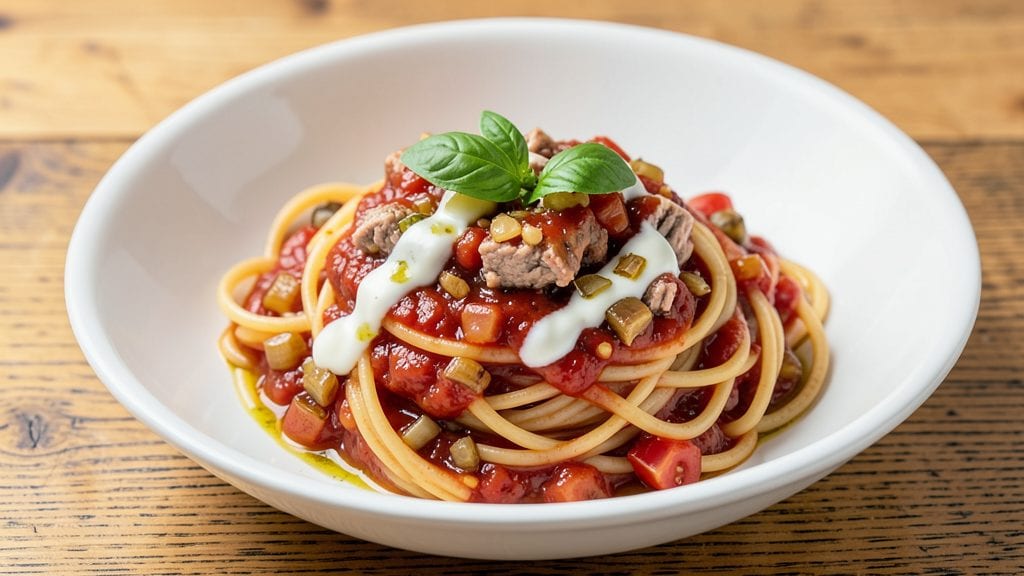
This tuna tomato sauce pasta recipe delivers a bright, zesty one-pan meal that comes together in just 20 minutes—no fancy techniques required. The secret lies in balancing canned tuna’s richness with a vibrant tomato base, elevated by fresh herbs and a touch of creaminess.
I developed this after realizing how often simple ingredients could create restaurant-quality results with minimal effort.
The beauty of this dish is its versatility—whether you use canned or fresh tuna, the method stays foolproof. A quick sear in olive oil transforms the tuna, while the tomato sauce simmers down into a flavorful broth that clings perfectly to al dente pasta.
The result? A dish that’s light yet satisfying, with every bite bursting with Mediterranean-inspired flavors.
What makes this recipe stand out is how effortlessly it combines protein, vegetables, and carbohydrates in one pan. The tuna stays tender, the sauce reduces to a rich consistency, and the pasta absorbs all the bright, tangy goodness.
Garnish with fresh basil or a sprinkle of cheese, and you’ve got a meal that’s ready in the time it takes to boil water.
Perfect for weeknight dinners, meal prep, or impressing guests with minimal prep work. Let’s get started—this dish proves that simple ingredients can deliver extraordinary results.
Ingredients for tuna tomato sauce pasta
Simple Mediterranean pantry staples transform into restaurant-quality pasta in minutes.
| Ingredient | Amount | Notes |
|---|---|---|
| Extra-Virgin Olive Oil 🫒 | ½ cup | High-quality, fruity variety preferred |
| Canned Tuna in Olive Oil 🐟 | 2 cans | High-quality, premium grade preferred |
| San Marzano Crushed Tomatoes 🍅 | 1 can | 28 oz can, no salt added |
| Garlic Cloves 🧄 | 4 cloves | Fresh, minced for aromatic depth |
| Medium Shallots 🧅 | 2 whole | Finely diced, 1/4 cup yield |
| Heavy Cream 🥛 | ¼ cup | Full-fat for optimal creaminess |
| Pasta (Spaghetti or Linguine) 🍝 | 12 oz | Al dente cooking time preferred |
| Fresh Basil Leaves 🌿 | ½ cup | Packed, stems removed for garnish |
| Diamond Crystal Kosher Salt 🧂 | 1 ½ tsp | Fine grain, adjust to taste |
| Freshly Ground Black Pepper 🌶️ | ½ tsp | Coarse grind for texture |
| Red Pepper Flakes 🔥 | ¼ tsp | Optional, for subtle heat |
| Parmesan Cheese 🧀 | ½ cup | Freshly grated, aged 24 months |
| Lemon Zest 🍋 | 1 tbsp | Bright, from organic lemon |
| Fresh Lemon Juice 🍋 | 1 tbsp | Freshly squeezed, for acidity |
The foundation begins with San Marzano tomatoes—their natural sweetness and low acidity create the ideal base. For optimal freshness, seek out Whole Foods Market or specialty Italian markets where these tomatoes are sold in season (June through September). Fresh garlic and shallots should be firm and vibrant, with no signs of sprouting or discoloration. The extra-virgin olive oil must be cold-pressed and unfiltered; brands like California Olive Ranch or Colavita deliver consistent quality. For the tuna, premium-grade canned varieties like Wild Planet or Raincoast Trading provide superior texture and flavor compared to standard supermarket brands.
Substitutions can be made with careful consideration of flavor balance. Canned tuna in water requires draining thoroughly and adding an extra teaspoon of olive oil to compensate for lost richness. For those without San Marzano tomatoes, high-quality crushed tomatoes from Mutti or Rao's work well, though they may require an additional pinch of sugar to enhance sweetness. Heavy cream can be substituted with half-and-half for a lighter texture, though the sauce will be less velvety. Fresh basil can be replaced with dried basil at one-third the quantity, though the aroma will differ significantly. For a vegetarian adaptation, omit the tuna and increase the pasta by 4 oz while adding 1 cup of frozen peas to the sauce for color and texture.
Proper storage extends the life of these ingredients while maintaining peak quality. Fresh garlic and shallots should be stored in a cool, dark place with good air circulation, where they'll remain fresh for up to 2 weeks. Extra-virgin olive oil should be kept in a dark glass bottle away from direct sunlight to prevent oxidation, maintaining its quality for up to 18 months. Parmesan cheese is best stored in its original packaging or wrapped in parchment paper within an airtight container, where it will keep for 3-4 months at room temperature. The prepared sauce can be refrigerated for up to 3 days or frozen for 2 months, though the texture may slightly alter upon reheating. For meal prep, cook the pasta separately and combine with the sauce just before serving to maintain optimal texture.
Why You'll Love This Recipe
- No-Chop Nightmare: I swear by the canned tuna here—no prepping, no mess. Just drain, flake, and toss into the pan with those shallots and garlic while they sizzle in olive oil. Honestly, I’ve made this after a 10-hour shift and still had seconds.
- San Marzano Magic: That crushed tomato? It’s the star. Sweet, rich, and never watery—just a quick simmer with the tuna and a pinch of salt, and suddenly you’ve got a sauce that tastes like a sun-drenched Italian kitchen. The olive oil from the tuna keeps it silky, not cloying.
- Lunchbox Hero: Between us, this is my go-to for meal prep. Cook a big batch, let it cool, and it reheats like a dream—no soggy pasta, no sad sauce. Pack it cold for work or save it for dinner when you’re too tired to think.
- Pantry Powerhouse: Five ingredients, zero excuses. No fresh herbs? No problem. No fancy cheese? Still works. I’ve fed a crowd of six for under $10 with this—plus, the leftovers freeze like a champ. Budget-friendly doesn’t get much better than this.
Step-by-step instructions for tuna tomato sauce pasta
Here's how to create a vibrant, restaurant-quality pasta in one pan with minimal effort.
Sauté Aromatics in Olive Oil
Heat the 0.5 cup extra-virgin olive oil in a large deep skillet over medium heat until shimmering but not smoking. Add the 2 whole medium shallots, finely diced, and cook for 5 minutes until translucent and just beginning to soften. The shallots should release their natural sweetness without browning.
Add the 4 cloves minced garlic and 0.25 teaspoon red pepper flakes (if using), stirring constantly for 30 seconds until fragrant. You'll notice the kitchen fill with that unmistakable garlic aroma—this is when the flavors truly awaken. Remove the pan from heat briefly if it begins to brown too quickly, as garlic burns faster than you might expect.
Build the Tomato Base
Return the skillet to medium heat and pour in the 1 can San Marzano crushed tomatoes. Stir well to combine with the aromatics, then bring to a gentle simmer. Let it cook uncovered for 8-10 minutes until the sauce thickens slightly and the raw tomato flavor mellows into something rich and sweet.
Season with 1 teaspoon diamond crystal kosher salt and 0.25 teaspoon freshly ground black pepper, then add the 1 tablespoon lemon zest and 1 tablespoon fresh lemon juice. The acidity will brighten the tomatoes, cutting through their natural sweetness while adding a refreshing citrus note. Stir and let it simmer for another 2 minutes to allow the flavors to meld.
Cook the Pasta Directly in the Sauce
While the tomato sauce simmers, add the 12 ounces pasta (spaghetti or linguine) to the skillet. Make sure the water level covers the pasta by about 1 inch. Bring to a rolling boil over high heat, then reduce to a steady simmer and cook according to package directions until 1 minute shy of al dente—the pasta will finish cooking in the sauce.
Reserve 1 cup of the pasta cooking water before draining, as you'll need it to adjust the sauce consistency later. The pasta should be tender but still have a slight bite to it, as it will absorb more liquid from the sauce during the final cooking phase.
Finish with Tuna and Cream
Drain the pasta, leaving about ½ cup of the starchy cooking water in the skillet. Add the 2 cans tuna in olive oil, drained, and gently fold everything together. Stir in the 0.25 cup heavy cream and let the mixture simmer for 2-3 minutes until slightly thickened. If the sauce becomes too thick, add reserved pasta water 1 tablespoon at a time until it reaches a creamy, clingy consistency.
The tuna will break apart slightly as it warms through, distributing its rich flavor evenly throughout the sauce. Taste and adjust seasoning with additional salt or pepper if needed. The sauce should be bright, tangy, and perfectly balanced—not too heavy from the cream, not too acidic from the lemon.
Garnish and Serve Immediately
Remove the skillet from heat and stir in the 0.5 cup fresh basil leaves, torn or chopped, and the 0.5 cup freshly grated parmesan cheese. The basil will add a fresh, herbal note that contrasts beautifully with the richness of the tuna and cream. Taste one last time and adjust seasoning if necessary, then transfer the pasta to serving plates.
Serve immediately while the pasta is hot and the sauce is still clinging to each strand. The dish should be vibrant in color—deep red from the tomatoes, bright green from the basil, and creamy white from the parmesan. Each bite should deliver a perfect balance of textures and flavors, with the tuna adding a satisfying protein element that holds together the bright, zesty sauce.
Pro Tips For Making Tuna Tomato Sauce Pasta
- Sauté Shallots Low: DESCRIPTION: Shallots caramelize best at medium-low heat—rush this, and they’ll burn before adding the tomatoes. I learned this the hard way when my sauce turned bitter; now I let them cook for 8-10 minutes until golden, stirring occasionally. (Yes, even if you’re impatient like me.)
- Drain Tuna Dry: DESCRIPTION: The oil in canned tuna makes the sauce greasy—skip draining, and you’ll end up with a slick, unbalanced dish. Press the tuna in a fine-mesh strainer for 10 seconds, then pat it dry with a paper towel. It’s a small step that makes a real difference in texture.
- Crush Tomatoes by Hand: DESCRIPTION: San Marzano tomatoes are sweet and seedless, but pre-crushed cans often have added salt or water. Grab a fork and break them up yourself—you’ll control the texture and avoid the thin, watery sauce that ruins the dish. (Your future self will thank you.)
- Finish with Heat: DESCRIPTION: Toss the pasta with the sauce off the heat, then return it to the pan for 30 seconds to meld flavors. I used to skip this, and the dish always tasted flat—turning the heat back on for a quick stir seals in the garlic’s punch and brightens the tomatoes.
Regional styles of this tuna tomato sauce pasta
Italian Coastal Style
The original inspiration for this dish comes from Italy’s coastal regions, where fresh seafood and simple tomato sauces dominate. In Sicily, you’ll often find similar preparations with canned tuna (a local staple) tossed with San Marzano tomatoes and finished with fresh basil.
I’ve adapted this by adding a touch of heavy cream for richness—a nod to Northern Italian techniques like those in Lombardy, where creamy sauces balance acidity beautifully. 🌊
Provençal Twist
For a French-inspired variation, swap the shallots for 1 small yellow onion and add 1 teaspoon herbes de Provence to the tomato base. Use linguine pasta and finish with chopped parsley instead of basil.
The Provençal herbs add a subtle earthiness that pairs perfectly with the tuna’s brininess. This version works especially well with wild-caught Mediterranean tuna for extra depth.
Spanish-Inspired
Transform this into a Spanish-style tuna pasta by adding 1 minced jalapeño and 1 teaspoon smoked paprika to the tomato sauce. Use garlic shrimp instead of tuna for a seafood twist, or keep the tuna but add diced roasted red peppers for smokiness.
Serve with a sprinkle of fresh cilantro and a squeeze of lime—a perfect balance of heat and brightness. 🌶️
Greek Island Adaptation
In Greece, this dish would likely include olives and capers for a briny contrast. Add ¼ cup Kalamata olives, 1 tablespoon capers, and 1 teaspoon dried oregano to the sauce.
Use whole wheat pasta for extra texture and top with feta cheese instead of parmesan. The olives and capers add a salty, umami punch that elevates the tuna’s flavor.
Americanized Comfort
For a heartier take, add ½ cup diced bell peppers and ½ cup cooked ground beef or Italian sausage to the sauce. Use penne pasta and finish with grated pecorino Romano for a richer, more substantial dish.
This version is perfect for a cozy weeknight dinner—think of it as a cross between spaghetti and tuna casserole. 🍝
Vegetarian Adaptation
Skip the tuna entirely and replace it with 1 cup chickpeas (for protein) or 1 cup roasted eggplant (for texture). Boost the sauce with 1 teaspoon balsamic vinegar and top with toasted pine nuts or sun-dried tomatoes.
This version keeps the dish bright and satisfying while making it completely plant-based. It’s surprisingly hearty and packed with Mediterranean flavors.
Nutrition facts
Frequently asked questions
Can I use fresh tuna instead of canned tuna?
Fresh tuna works beautifully—simply sear 8 oz of sushi-grade tuna in 1 tablespoon olive oil for 2-3 minutes per side until medium-rare (125°F internal temp). Let it rest 5 minutes before flaking into the sauce. Fresh tuna adds a more delicate, buttery flavor compared to canned.
How do I adjust the sauce if it's too thick or too thin?
Too thick? Add reserved pasta water 1 tablespoon at a time while stirring. Too thin? Simmer uncovered for 2-3 extra minutes to reduce. For extra creaminess, stir in 1 teaspoon cornstarch mixed with 1 tablespoon water and simmer 1 minute. The sauce should coat the back of a spoon but still be light enough to cling to pasta.
What's the best pasta shape for this recipe?
Long, thin noodles like spaghetti or linguine work best—they hold the sauce beautifully. For heartier options, try penne or fusilli (they trap sauce inside). Avoid wide, flat shapes like fettuccine—they can overwhelm the delicate sauce. Always cook pasta 1 minute less than package instructions for al dente finish.
Can I make this ahead of time?
Yes, but with one key adjustment: Cook the pasta separately and toss it with the sauce only when reheating. Store the sauce in an airtight container in the fridge for 3 days or freeze for 2 months. Reheat gently on low heat, adding 1-2 tablespoons water to prevent drying. The pasta should always be added fresh to maintain texture.
Why does my sauce taste bland?
Most likely, you need more acidity or salt. Boost flavor by adding 1 extra tablespoon lemon juice or ½ teaspoon red pepper flakes. For salt, use ½ teaspoon more kosher salt (remember, canned tuna and tomatoes already contain sodium). Fresh herbs like basil or parsley also add brightness—taste before serving and adjust gradually.