
Sauces & Condiments
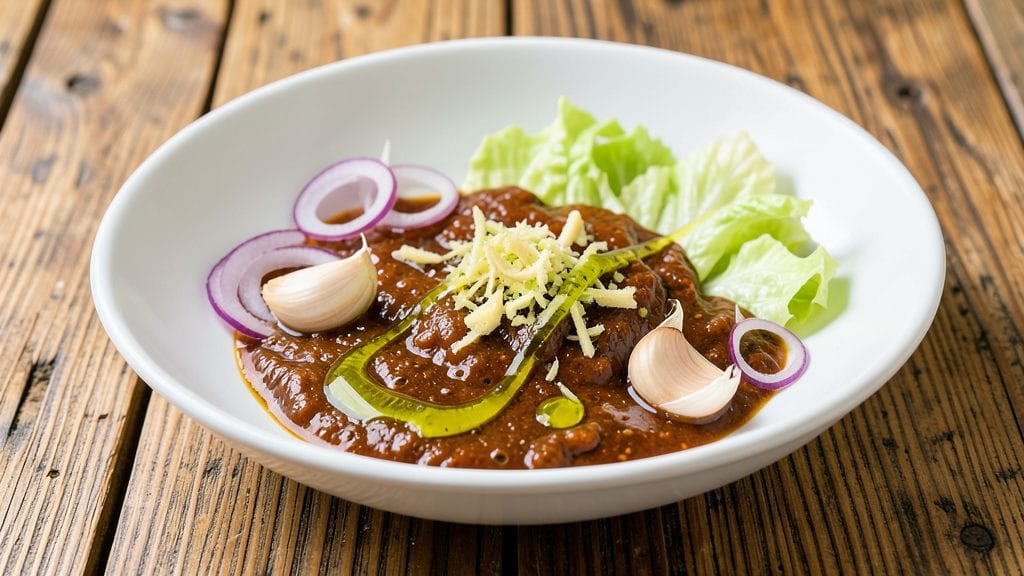
This vidka sauce recipe transforms humble ingredients into a bold, umami-rich glaze that elevates everything from grilled meats to stir-fries. The secret lies in fermented fish or shrimp, simmered with garlic, onion, and a touch of sweetness—creating that signature smoky-sweet balance that makes this sauce indispensable in Southeast Asian cuisine.
What sets this sauce apart is its versatility—use it as a marinade for chicken or pork, a dip for spring rolls, or a glaze for noodles. The process is straightforward but requires patience to develop the deep, complex flavors through slow reduction.
I’ve perfected this version to deliver that authentic tang without overpowering your dish.
By the end, you’ll have a small batch of vibrant, aromatic sauce with just the right balance of sweetness, acidity, and umami. The garlic and onion base builds layers of flavor, while the fermented fish adds that signature depth that makes vidka sauce unforgettable.
Store it in the fridge for up to a month, or freeze for longer shelf life.
This sauce isn’t just a condiment—it’s a flavor multiplier. Whether you’re cooking for a crowd or prepping for the week, vidka sauce will become your go-to for adding that professional-grade depth to any dish. Let’s get started on creating it.
Ingredients for vidka sauce
Nine simple ingredients transform into a bold, umami-rich vidka sauce perfect for marinades and glazes.
| Ingredient | Amount | Notes |
|---|---|---|
| Fermented Fish Sauce 🐟 | ½ cup | High-quality, like Red Boat or Three Crabs |
| Yellow Onion 🧅 | 1 whole | Medium size, finely chopped |
| Garlic Cloves 🧄 | 6 cloves | Peeled, minced finely |
| Fresh Ginger 🌿 | 2 tbsp | Grated finely, about 1 oz |
| Granulated Sugar 🍚 | ¼ cup | White or brown sugar |
| White Vinegar 🍶 | ¼ cup | Or rice vinegar for milder tang |
| Extra-Virgin Olive Oil 🫒 | ¼ cup | High-quality, fruity variety |
| Fish Sauce 🐟 | ¼ cup | Additional for depth, optional |
| Salt 🧂 | 1 tsp | Kosher or sea salt |
The fermented fish sauce is the heart of this recipe—Red Boat or Three Crabs are my go-tos, but any good-quality brand works. Look for that deep, funky aroma (it should smell strong but not rotten). The onion and garlic are non-negotiable for that authentic sweet-savory base. I usually grab yellow onions from the store's produce section—they're consistent and affordable. For ginger, fresh is best—the frozen stuff can be watery and dull. If you can't find fresh, dried ginger powder works in a pinch, but reduce to half the amount since it's more concentrated.
No fish sauce? Soy sauce or shrimp paste can stand in, but the flavor will be different. Running low on vinegar? Lemon juice works too, though it adds a brighter tang. The sugar can be swapped for honey or maple syrup—just reduce the liquid slightly to balance the sweetness. For extra depth, add an extra tablespoon of fish sauce if you're feeling adventurous. The olive oil matters here—don't skimp on quality. A cheap oil will make the sauce taste flat. If you're making a big batch, double the oil and reduce it down with the rest of the sauce.
This sauce keeps beautifully—up to 1 month in the fridge if stored in an airtight jar. The flavors actually improve over time as they meld together. For longer storage, freeze it in ice cube trays—perfect for single-use portions. Once opened, give it a quick stir before using. If it separates, just shake it up—it'll come together. The sauce thickens as it cools, so thin with a splash of water or vinegar if needed. Trust me, the first time you use this on grilled pork or spring rolls, you'll be hooked.
Why You'll Love This Recipe
- Five-Ingredient Magic: This sauce is that rare recipe where the ingredient list reads like a grocery store scavenger hunt—no weird specialty items, just onion, garlic, ginger, a splash of fermented fish sauce, and sugar. I swear, I’ve made it with whatever was in my pantry, and it still delivers every time.
- Umami Bomb: The fermented fish sauce? Oh, it’s the star here. That deep, salty funk cuts through the sweetness of the caramelized onions and balances the ginger’s kick—like a perfectly aged whiskey, but in sauce form. Honestly, I’ve used it on everything from grilled meats to scrambled eggs, and it never lets me down.
- Weeknight Hero: Between us, this is my go-to when I’m too tired to think. Toss it in a pan, let the onions soften while I chop veggies for stir-fry, and boom—dinner’s got flavor. It’s the kind of sauce that turns a simple protein into something worth celebrating, even on a Tuesday night.
- Pantry Goldmine: A little goes a long way, and it keeps for weeks in the fridge. I make a big batch, freeze half, and pull it out whenever I’m craving that rich, tangy depth. Plus, fermented fish sauce is dirt cheap compared to fancy sauces—this is how I feed my family without breaking the bank.
Step-by-step instructions for vidka sauce recipe
Here's how to make this bold, umami-rich glaze that balances sweetness with deep savory notes.
Sauté the Aromatic Base
Heat the extra-virgin olive oil in a medium saucepan over medium heat until shimmering. Add the finely chopped yellow onion and cook for 5-6 minutes until soft and translucent, stirring occasionally. You'll notice the onions release moisture as they cook—this is normal.
Add the minced garlic cloves and fresh ginger and cook for another 2 minutes until fragrant. The garlic should be golden but not browned—this prevents bitterness. Keep the heat at medium; garlic burns quickly. Stir constantly to prevent sticking, and watch for the aroma to fill your kitchen—this is when the flavors start developing.
Add Vinegar and Sugar
Pour in the white vinegar and granulated sugar, stirring to combine. Let the mixture simmer for 3-4 minutes until the sugar dissolves completely and the vinegar's sharpness mellows. You'll see the sauce thicken slightly as the liquid reduces.
Taste the mixture now—it should be tangy and sweet, with a bright acidity. If it's too sharp, add a pinch of the salt to balance it. This is your flavor baseline before adding the umami components. The sugar helps caramelize the onions slightly, deepening their flavor while cutting through the vinegar's acidity.
Incorporate the Fermented Fish Sauce
Reduce the heat to low and slowly whisk in the fermented fish sauce. Start with half of it and let it simmer for 1 minute to integrate before adding the rest. This gradual approach prevents the sauce from becoming too intense too quickly.
Simmer for another 3-4 minutes until the sauce thickens to a glossy consistency. You're looking for a balance between sweet and savory—taste it again. The fermented fish sauce should add a deep, funky umami that complements the sweetness. If it's too strong, add a splash of water or vinegar to mellow it out.
Finish with Fish Sauce and Salt
Remove the pan from heat and stir in the fish sauce and remaining salt. Let the sauce sit off the heat for 5 minutes to allow all the flavors to meld together. This resting period is crucial—it lets the sauce develop its full complexity without cooking further.
Strain the sauce through a fine-mesh sieve if you prefer a smooth texture, pressing gently on the solids to extract all the flavor. Taste once more and adjust the balance—add more sugar if it's too salty, or a splash of vinegar if it's too sweet. The sauce should coat the back of a spoon with a glossy sheen and have a perfect harmony of sweet, tangy, and umami flavors.
Simmer to Perfect Consistency
Return the sauce to low heat and simmer for 5-7 minutes until it reaches your desired thickness. You want it to be syrupy enough to glaze but still pourable. If it thickens too much, whisk in a teaspoon of water to loosen it.
Let the sauce cool slightly before using—it will thicken further as it cools. This sauce is incredibly versatile: drizzle it over grilled meats, use it as a marinade, or serve it as a dipping sauce. Store any leftovers in an airtight container in the refrigerator for up to 2 weeks, or freeze for up to 3 months. The flavors will deepen over time, making it even more delicious.
Pro Tips For Making Vidka Sauce
- Simmer Slow and Steady: Vidka sauce demands patience—don’t rush the reduction. After adding fish sauce, keep the heat at a gentle simmer (not a rolling boil) for at least 15-20 minutes. I learned this the hard way: boiling too fast leaves raw onion and garlic flavors, and the sauce ends up thin and harsh. Let it bubble quietly until it thickens to a glossy, syrupy consistency.
- Mince Ginger Like You Mean It: Fresh ginger needs to be finely minced, not just grated or chopped. Use a sharp knife or microplane to get it into tiny, almost paste-like pieces—this ensures it blends seamlessly into the sauce without any texture. (Yes, even if you’re impatient like me, this step makes a real difference.)
- Balance the Fish Sauce First: Taste the fish sauce before adding sugar—it’s the only way to know how much sweetness you’ll need. Some brands are saltier or funkier than others, and guessing leads to either a cloying or unbalanced sauce. Start with half the sugar called for, adjust, then simmer again to let flavors meld.
- Toast the Aromatics Separately: Sauté onions, garlic, and ginger in oil until the onions turn golden brown and the garlic is fragrant but not burnt—this builds depth. I skip this when I’m lazy, but the dish is noticeably better when I don’t. If you’re short on time, at least cook the garlic and ginger until they’re soft and translucent before adding the onions.
Creative variations of vidka sauce
Sweet and Tangy Fusion
Swap the white vinegar for rice vinegar and add 1 tbsp honey to create a milder, sweeter vidka sauce perfect for dipping spring rolls or glazing tofu. I’ve found that Kewpie rice vinegar adds a delicate tang that pairs beautifully with the umami.
For extra depth, stir in 1 tsp sesame oil at the end—it enhances the sauce’s nutty complexity. 🍯
Spicy Garlic Twist
Infuse this sauce with heat by adding 1 tbsp gochujang (Korean chili paste) when incorporating the fermented fish sauce. For an extra kick, include 1 sliced Thai chili while sautéing the onions.
This version works brilliantly as a marinade for grilled shrimp or as a bold dipping sauce for fries. Adjust the spice level by reducing the gochujang to ½ tbsp if needed.
Smoky Chipotle Glaze
Transform vidka sauce into a smoky glaze by adding 1 tsp adobo sauce (from canned chipotle peppers) when simmering the vinegar and sugar. For deeper smoke, include ½ tsp smoked paprika in the sautéed onion base.
This variation shines on grilled meats like pork ribs or chicken thighs, adding a rich, smoky-sweet contrast. Store the extra sauce in an airtight container for up to 2 weeks—the flavors intensify over time. 🔥
Creamy Coconut Vidka
For a tropical twist, stir in 2 tbsp coconut milk at the end of cooking to create a velvety texture. This version pairs perfectly with curries or as a dipping sauce for satay skewers. Use light coconut milk to avoid overpowering the sauce’s balance.
If the sauce becomes too thin, simmer it for an extra 2-3 minutes to thicken naturally. The coconut adds a subtle sweetness that complements the sauce’s umami depth.
Herb-Infused Variation
Brighten up vidka sauce with fresh herbs like cilantro and Thai basil by adding 2 tbsp chopped cilantro and 1 tbsp Thai basil at the very end. This herbaceous version is ideal for drizzling over noodle dishes or as a marinade for grilled vegetables.
For an extra layer of flavor, muddle 3-4 fresh mint leaves into the sautéed onions at the start. The herbs add a refreshing contrast to the sauce’s bold flavors. 🌿
Nutrition facts
Frequently asked questions
What makes vidka sauce different from other fish-based sauces?
Vidka sauce stands out with its unique balance of sweet, tangy, and umami flavors from fermented fish, vinegar, and sugar. Unlike traditional fish sauce (which is purely salty), vidka has a glaze-like consistency perfect for drizzling or marinating. The slow reduction process creates that signature caramelized depth that makes it ideal for grilled meats and stir-fries.
Can I substitute fermented fish sauce with shrimp paste?
Yes, but expect a slightly different flavor profile. Shrimp paste adds a more intense, funky aroma that works well in this sauce. Use 1 tbsp shrimp paste for every ½ cup of fermented fish sauce called for. For best results, add it gradually while simmering to control the intensity. The texture will be slightly thicker, but the umami punch remains strong.
How can I adjust the sweetness if I prefer less sugar?
Start by reducing the sugar to ¼ cup and taste as you go. For extra sweetness without sugar, try 1-2 tbsp honey or maple syrup instead. Remember that vinegar and fermented fish sauce already contribute acidity and umami, so balance is key. If it's still too sweet, add a splash of vinegar or a pinch of salt to cut through.
What’s the best way to store leftover vidka sauce?
Transfer to an airtight container and refrigerate for up to 2 weeks. The flavors actually improve over time! For longer storage, freeze in ice cube trays—perfect for single-use portions. When ready to use, thaw in the fridge overnight. If the sauce thickens upon reheating, whisk in a teaspoon of water to restore consistency.
Why did my vidka sauce turn cloudy or separate?
This usually happens if the sauce cooled too quickly or if oil and liquid weren’t properly emulsified. Gently reheat the sauce over low heat, stirring constantly until smooth. For future batches, simmer longer to thicken the sauce before cooling. If separation persists, whisk in 1 tsp cornstarch mixed with water to stabilize it.