
Sauces & Condiments
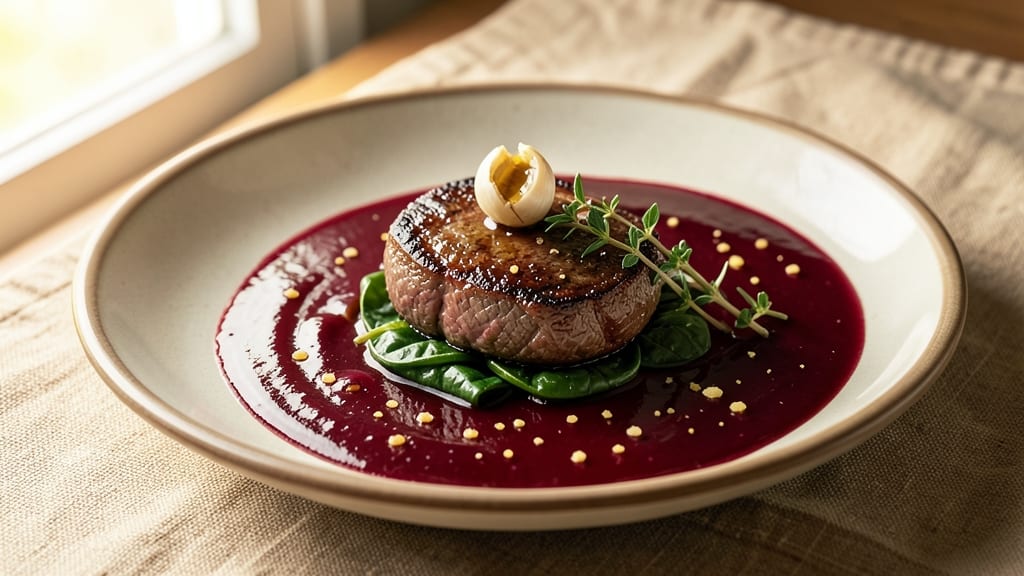
This wine sauce recipe elevates simple dishes into restaurant-worthy meals with just a few ingredients and careful technique. This pan-reduced sauce captures the deep, velvety flavor of red wine while adding body and complexity to pasta, meats, or roasted vegetables.
The key lies in proper reduction—letting the wine simmer until it thickens into a glossy, aromatic sauce that coats every bite.
What makes this sauce special is its versatility and depth of flavor. By deglazing the pan with wine after searing meat or sautéing aromatics, you capture all those flavorful browned bits that form the foundation of professional sauces.
A touch of butter or a light roux ensures the sauce clings beautifully without being overly thick, creating a perfect balance of richness and elegance.
The result is a sauce that’s bold yet refined, with layers of caramelized notes and a smooth, velvety texture. It elevates simple dishes like grilled chicken or buttered noodles into something truly special—no shortcuts, just precise technique and quality ingredients.
This is the kind of sauce that makes weeknight dinners feel like a celebration.
Use it to drizzle over seared steaks, toss with al dente pasta, or spoon generously over roasted vegetables. The possibilities are endless, but the method remains the same: patience in reduction and attention to detail. Let’s make this sauce—it’s simpler than you think, but the results are unforgettable.
Ingredients for wine sauce
Nine ingredients transform simple wine into velvety richness for any dish.
| Ingredient | Amount | Notes |
|---|---|---|
| Dry Red Wine 🍷 | 1 cup | Bold, dry variety like Cabernet Sauvignon |
| Unsalted Butter 🧈 | ½ cup | Cold, cubed for finishing |
| Shallots 🧅 | 2 whole | Finely minced, about 2 tbsp |
| Garlic Cloves 🧄 | 3 cloves | Minced, not pressed |
| All-Purpose Flour 🌾 | 1 tbsp | For light roux |
| Beef Stock 🥩 | ½ cup | Low-sodium preferred |
| Fresh Thyme Leaves 🌿 | ½ tsp | Or 1/4 tsp dried thyme |
| Salt 🧂 | ½ tsp | Kosher or sea salt |
| Black Pepper 🌶️ | ¼ tsp | Freshly ground |
The wine is non-negotiable—Cabernet Sauvignon or Merlot work best, but any bold, dry red will do. Look for bottles labeled 'drink now' at Trader Joe's or Total Wine for quality at a lower price. The shallots and garlic should be freshly minced (not jarred)—this makes the difference between good and restaurant-quality. For the butter, Plugrá or Land O'Lakes unsalted are reliable choices. Store your wine in a cool, dark place and use within 3 months of opening for optimal flavor.
No red wine? Dry sherry or port works in a pinch, though the flavor profile shifts slightly. Substitute beef stock with chicken stock for lighter dishes. If you don't have shallots, 1 tbsp finely chopped red onion is a decent swap, but the flavor will be more pronounced. For the thyme, fresh is ideal, but dried works at one-third the amount. The flour is critical for thickening—all-purpose works best, but gluten-free blends require extra monitoring during reduction. Always taste as you go; adjustments are easier than starting over.
This sauce freezes beautifully—portion into ice cube trays for single-use servings. Store in the fridge for up to 5 days in an airtight container. For best results, reheat gently over low heat, adding a splash of water or stock if it thickens too much. The sauce gains depth when reheated, so don't rush the process. A drizzle of extra-virgin olive oil before serving adds an extra layer of richness.
Why You'll Love This Recipe
- Here’s what sold me: the shallots and garlic caramelize right in the pan while the wine reduces, giving you layers of flavor that taste restaurant-worthy. No blender, no straining, just pure, deep umami in every bite.
- Pantry Magic: I swear by this sauce because it uses what’s already in my fridge—no special shopping trips. The red wine adds depth without needing fancy ingredients, and the butter and flour create that velvety finish with just a few minutes of stirring.
- Rich Without Effort: Here’s what sold me: the shallots and garlic caramelize right in the pan while the wine reduces, giving you layers of flavor that taste restaurant-worthy. No blender, no straining, just pure, deep umami in every bite.
- Weeknight to Dinner Party: Between us, this sauce works for everything from quick pasta to slow-cooked roasts. I’ve drizzled it over steak, tossed it with roasted veggies, and even used it as a dip—it’s the kind of recipe that makes you look like a hero without trying.
Step-by-step instructions for wine sauce recipe
Here's how to create a velvety wine sauce that elevates any dish with deep flavor and perfect texture.
Sauté Aromatics in Butter Until Fragrant
Melt the 0.5 cup unsalted butter in a medium saucepan over medium heat. Add the 2 whole shallots and cook for 4-5 minutes until they soften and become translucent. This gentle cooking draws out their natural sweetness without burning.
Next, add the 3 cloves minced garlic and cook for 30-45 seconds until the raw garlic smell disappears and you detect a toasty aroma. Be careful not to let the garlic brown—it burns quickly and turns bitter. Remove the pan from heat for a moment if it starts to color too quickly.
Create a Light Roux with All-Purpose Flour
Return the pan to medium heat and stir in the 1 tbsp all-purpose flour. Cook for 1-2 minutes, stirring constantly, until the mixture turns a pale golden color. This creates a light roux that will thicken your sauce beautifully without making it heavy.
Watch the color closely—it should resemble pale toast, not deep brown. If it darkens too quickly, reduce the heat slightly. This step is crucial for developing the sauce's body and preventing a raw flour taste in the final product.
Deglaze with Red Wine and Simmer
Pour in the 1 cup dry red wine and immediately scrape up any browned bits from the bottom of the pan with a wooden spoon. These bits contain concentrated flavor that will deepen your sauce. Return the heat to medium-high and let the wine simmer for 3-4 minutes until reduced by about half.
You'll notice the wine's alcohol content begins to evaporate, leaving behind more complex flavors. The sauce should coat the back of a spoon but still be somewhat thin. If it reduces too quickly, lower the heat slightly to maintain gentle simmering.
Add Stock and Seasonings
Stir in the 0.5 cup beef stock, 0.5 tsp fresh thyme leaves, 0.5 tsp salt, and 0.25 tsp black pepper. Bring the mixture to a gentle simmer and cook for 5-6 minutes until slightly thickened. The sauce should coat a spoon but still be smooth and pourable.
Taste and adjust seasoning if needed—this is where you can fine-tune the balance of salt, acidity from the wine, and herbal notes. If the sauce is too acidic, a pinch more salt helps balance it. If it's too thin, simmer uncovered for another minute or two to reduce further.
Finish with Cold Butter for Richness
Remove the sauce from heat and let it cool slightly for 2 minutes. This prevents the butter from separating when added. Cut the 0.5 cup unsalted butter into small cubes and whisk them into the warm sauce one piece at a time.
Watch as the butter melts and creates a glossy, velvety finish. The sauce should now have a luxurious sheen and a perfect balance of richness. If you're using this sauce for pasta or meat, add it to your dish immediately—this sauce doesn't reheat well once cooled completely.
Pro Tips For Making Wine Sauce
- Sweat Shallots Slow: Don’t rush the shallots—cook them on medium-low heat for 8-10 minutes until they’re golden and translucent, not brown. I used to crank the heat and end up with bitter, burnt bits that ruined the whole sauce. Patience here makes the difference.
- Deglaze Immediately: As soon as you add the wine, scrape up every last bit of browned bits from the pan with a wooden spoon. Those bits pack flavor—leave them behind, and you’re throwing away the best part. (Yes, even the stubborn stuff stuck to the corners.)
- Use Cold Butter: Toss in cold, cubed butter at the end and let it melt into the sauce while stirring. Hot butter burns faster and can break the sauce’s emulsion. Cold butter also adds richness without overpowering the wine’s acidity.
- Reduce Wine First: Before adding the flour, simmer the wine alone for 3-4 minutes to cook off some alcohol and concentrate the flavor. Skipping this step leaves the sauce tasting raw and sharp—like drinking wine straight from the bottle. (Your future self will notice.)
Creative variations of this recipe
Red Wine Reduction
For a deeper flavor profile, reduce the wine with 1 tbsp brown sugar or 1 tsp balsamic vinegar before adding stock. Simmer the wine with the sugar or vinegar until reduced by half, then proceed with the recipe. This adds a subtle caramelized sweetness that balances the acidity beautifully. 🍷
White Wine Twist
Swap red wine for 1 cup dry white wine like Sauvignon Blanc or Chardonnay, and use chicken stock instead of beef. Add ½ tsp lemon zest and 1 tbsp fresh parsley at the end for a bright, citrusy sauce perfect for seafood or chicken dishes.
Port Wine Luxury
Replace red wine with ½ cup ruby port and ½ cup dry red wine. Simmer the port first until reduced by half, then add the remaining wine. Finish with 1 tbsp honey for a rich, slightly sweet sauce ideal for roasted lamb or game meats.
Herb Variations
Swap thyme for rosemary (use ¼ tsp dried) for an earthy note, or add ½ tsp smoked paprika for a smoky depth. For a fresh twist, stir in 1 tbsp finely chopped tarragon at the end—it pairs wonderfully with chicken or fish.
Vegetable-Inspired
Infuse the sauce with 1 sliced mushroom or 1 small carrot** (finely diced) during the initial sauté. Remove them before adding wine, but their flavors will linger. This works beautifully with beef or mushroom-based dishes.
Creamy Finish
For a velvety texture, whisk in ¼ cup heavy cream at the end instead of butter. This adds richness without altering the sauce’s structure, making it perfect for pasta or creamy risotto dishes. 💛
Nutrition facts
Frequently asked questions
Can I use any red wine for this sauce?
Bold, dry red wines like Cabernet Sauvignon or Merlot work best, but avoid sweet varieties. A 1 cup portion from a $10-$15 bottle is ideal—cheap wines can taste harsh when reduced. If you don’t have red, dry sherry or port can substitute, but the flavor will differ.
Why does my wine sauce turn out too thin?
This usually happens if you didn’t reduce the wine enough or skipped the roux step. Simmer the wine until it reduces by half (about 3-4 minutes on medium-high heat), and always cook the flour until golden. For extra thickness, whisk in 1 tsp cornstarch mixed with water.
How long will this sauce keep in the fridge?
Store in an airtight container for up to 5 days. For best quality, reheat gently over low heat, adding a splash of stock or water if it thickens too much. Avoid microwaving—it can make the sauce grainy. Portion into ice cube trays for single-use servings.
What’s the best way to use leftover wine sauce?
Drizzle over grilled steaks, chicken, or roasted vegetables. Toss with al dente pasta (like fettuccine or penne) or use as a dip for crusty bread. For extra richness, stir in 1 tbsp cream or grated Parmesan just before serving. It also freezes well for up to 3 months.
Can I make this sauce without butter?
Yes! Replace the butter with 2 tbsp olive oil for sautéing, then finish with 1 tbsp cream cheese or 1 tbsp nutritional yeast for a dairy-free option. The sauce will still coat beautifully, though the texture will be slightly lighter. For extra depth, add 1 tsp miso paste at the end.