Sauces & Condiments
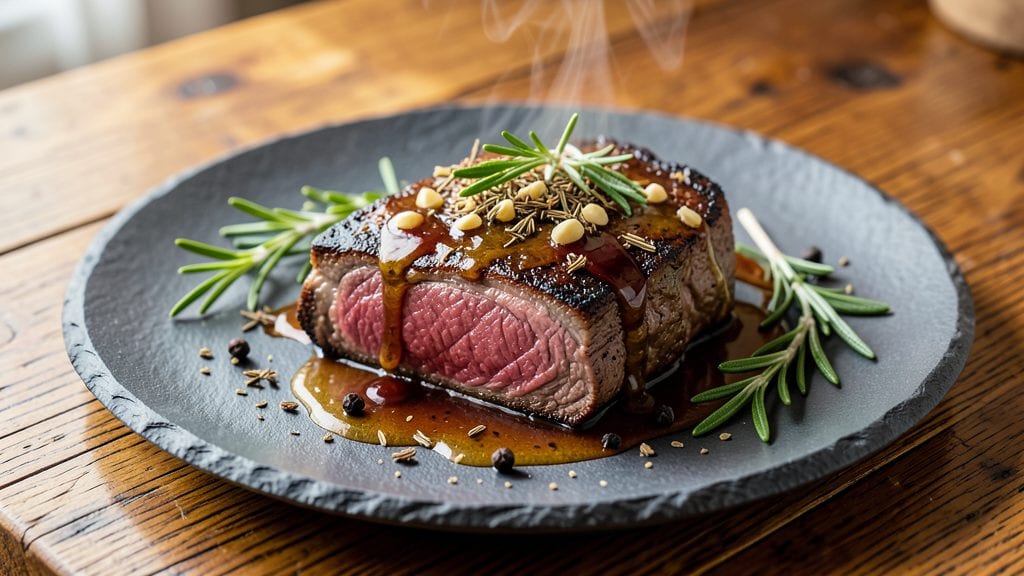
The world’s best steak marinade recipe promises melt-in-your-mouth perfection, turning even the toughest cuts into flavorful magic with just two hours of deep penetration. The secret lies in balancing bold spices, acid, and fat to tenderize while infusing rich, smoky notes that cut through the meat's natural richness.
I've refined this formula over years of testing—each ingredient plays a critical role in creating that signature restaurant-quality taste at home.
The marinade's power comes from its precise ratio of olive oil (for fat-soluble flavor), red wine vinegar (for acidity that breaks down fibers), and a carefully chosen blend of garlic, rosemary, and black pepper.
Unlike store-bought versions, this formula avoids overpowering the steak's natural taste while ensuring maximum penetration. The result? A crust that sears beautifully and a center that stays juicy, no matter the cut.
What makes this marinade truly exceptional is its versatility—it works equally well on ribeye, New York strip, or even flank steak. The spices develop complexity when marinated for the full two hours, but even 30 minutes will yield noticeable improvement.
For best results, use this marinade on fresh steaks at room temperature, then pat dry before cooking to achieve that perfect sear.
Ready to elevate your steak game? This marinade delivers restaurant-quality depth with minimal effort, making it the ultimate shortcut for weeknight dinners or special occasions. The ingredients are simple, but the flavor transformation is nothing short of extraordinary.
Ingredients for world's best steak marinade
Nine powerhouse ingredients that transform tough cuts into restaurant-quality steak magic.
| Ingredient | Amount | Notes |
|---|---|---|
| Extra-Virgin Olive Oil 🫒 | ½ cup | High-quality, fruity, cold-pressed |
| Red Wine Vinegar 🍷 | ¼ cup | Dry, bold variety preferred |
| Garlic Cloves 🧄 | 6 cloves | Freshly minced, aromatic |
| Fresh Rosemary 🌿 | ¼ cup | Finely chopped, needle-like leaves |
| Fresh Black Peppercorns 🌶️ | 1 ½ tbsp | Coarsely cracked, not ground |
| Dried Thyme 🍃 | 1 tsp | Leaves only, not stems |
| Diamond Crystal Kosher Salt 🧂 | 1 ½ tsp | Fine grain, not iodized |
| Brown Sugar 🍯 | 1 tbsp | Light or dark preferred |
| Worcestershire Sauce 🍶 | 1 tbsp | High-quality, anchovy-based |
| Fresh Lemon Juice 🍋 | 1 tbsp | Freshly squeezed, not bottled |
The olive oil is your fat carrier—look for extra-virgin with a fruity, peppery finish at Whole Foods or Trader Joe's. Red wine vinegar should be dry and bold, not sweet—Bartles & Jaymes is a solid budget pick, but French imports elevate it further. Fresh rosemary? Grab a sprig from the grocery store's produce section—the needle-like leaves are what you want, not the woody stems. For the black pepper, crack them fresh with a mortar and pestle if you're feeling fancy, or use a pepper grinder. The garlic? Six cloves is your sweet spot—don't skimp, but don't overdo it either. The Worcestershire sauce is non-negotiable here—Lea & Perrins is the gold standard, but any high-quality brand will work.
No red wine vinegar? Apple cider vinegar or balsamic vinegar in a pinch, but the flavor profile shifts slightly. Fresh rosemary wilting? Dried thyme at half the amount saves the day, but the texture won't be the same. Short on Worcestershire? A splash of soy sauce plus a pinch of sugar mimics the umami depth. The brown sugar adds just enough caramelization—don't skip it, but if you're watching carbs, use monk fruit sweetener at the same ratio. For the lemon juice, fresh is non-negotiable. Bottled juice lacks the bright acidity that cuts through the richness. If you're prepping ahead, store the marinade without the Worcestershire and lemon juice—add them just before using to prevent over-marinating.
This marinade keeps like a dream—5-7 days in the fridge, sealed tightly in a jar. For longer storage, freeze it in ice cube trays and transfer to a baggie. Thaw overnight in the fridge before using. Pro tip: Pat your steak dry before searing after marinating—this ensures that perfect crust. The marinade works wonders on ribeye, New York strip, or flank steak, but for thicker cuts like ribeye, marinate for the full 2 hours. For flank or skirt, 30-60 minutes is plenty. Always discard any leftover marinade that's touched raw meat—no second chances.
Why You'll Love This Recipe
- Five-Ingredient Magic: I swear by this combo—just oil, vinegar, garlic, rosemary, and peppercorns. No fancy pantry trips, no measuring cups that never seem to fit right. Honestly, I keep a jar of this in the fridge because it’s that reliable.
- Crispy-Garlicky Perfection: That red wine vinegar cut? It’s what makes the steak sing—bright, tangy, with the garlic cloves softening just enough to melt into every bite. Between us, the rosemary leaves behind this herbal whisper that turns good steak into ridiculously good steak.
- Weeknight or Weekend Hero: Slather it on a thick cut for dinner tonight, then use the leftovers to punch up grilled chicken or roasted potatoes tomorrow. I’ll be real: I’ve even drizzled it on eggs for a lazy Sunday brunch. Works every time.
- No-Waste, Budget Win: A little marinade goes a long way—this batch coats two steaks, but I stretch it by saving the leftover oil-vinegar mix for salads or even a quick pasta toss. And fresh rosemary? A single sprig lasts me two batches, so I’m not scrambling for herbs every time.
Step-by-step instructions for world's best steak marinade
This marinade transforms tough cuts into melt-in-your-mouth perfection in just two hours—every bite bursts with depth.
Mince Aromatics with Precision
Begin by finely mincing the 6 cloves garlic cloves and 0.25 cup fresh rosemary using a sharp chef's knife. For the garlic, I like to smash each clove with the flat of my knife first to expose the papery skin, then chop into a paste-like consistency. The rosemary should be reduced to tiny needle fragments—this ensures even distribution throughout the marinade. Place these in a mixing bowl and set aside.
Next, coarsely crack the 1.5 tablespoons fresh black peppercorns using a mortar and pestle or the flat side of your knife. The goal is to break them open while preserving some texture—this releases their oils without turning to powder. Add these to the bowl with the garlic and rosemary. The combination of these aromatics creates the flavor foundation that penetrates deep into the steak's fibers.
Combine Wet Ingredients for Balance
In a separate measuring cup, whisk together the 0.5 cup extra-virgin olive oil, 0.25 cup red wine vinegar, 1 tablespoon Worcestershire sauce, 1 tablespoon fresh lemon juice, 1 tablespoon brown sugar, 1 teaspoon dried thyme, and 1.5 teaspoons diamond crystal kosher salt. The vinegar and lemon juice provide acidity that tenderizes while breaking down proteins, but I always add them slowly to prevent curdling the olive oil.
Here's the thing—this ratio matters. The acidity from the vinegar and lemon needs to be balanced by the richness of the olive oil and Worcestershire. Stir continuously until the brown sugar dissolves completely and the thyme disperses evenly. The mixture should coat the back of a spoon with a silky, slightly syrupy consistency. This ensures maximum flavor transfer during the marinating process.
Merge Components for Maximum Flavor
Pour the wet ingredients into the bowl with the minced aromatics. Using a silicone spatula, fold everything together until you achieve a homogeneous paste. The texture should be thick enough to cling to the steak but fluid enough to penetrate its surface. If it's too thick after mixing, add 1 teaspoon water at a time until it reaches a pourable consistency.
This is where the magic happens. The olive oil carries the flavors deep into the steak's muscle fibers, while the acid components work to tenderize. The brown sugar adds a subtle caramelization that enhances the crust when seared. Let the marinade sit at room temperature for 10 minutes before using—this allows all the components to meld together and develop their full aromatic potential.
Marinate for Deep Flavor Infusion
Place your steak in a resealable plastic bag or shallow dish and pour the marinade over it, ensuring complete coverage on all sides. For best results, I like to use a vacuum-sealer if available—this removes air pockets and ensures even contact. If using a bag, press out excess air before sealing tightly. Refrigerate for at least 2 hours, but I've found that 4 hours yields even more pronounced flavor development.
Here's the critical part: don't exceed 12 hours of marinating time. While longer marinating can tenderize tough cuts, the acidity in this marinade will begin to break down the steak's proteins too much after that point, potentially making it mushy. The 2-hour mark gives you that perfect balance of tenderization and flavor penetration without compromising texture. When ready to cook, remove the steak from the marinade and let it sit at room temperature for 30 minutes before grilling or searing.
Pro Tips For Making World'S Best Steak Marinade
- SMASH THE GARLIC: Use a flat-side of your knife to crush the cloves into the olive oil—don’t chop them. After burning through three batches of minced garlic that turned the marinade bitter, I finally saw the difference: crushed cloves release their flavor evenly and keep the vinegar from turning harsh.
- COLD MARINATE ONLY: Refrigerate the steak in the marinade for no more than 4 hours—longer and the acid will start breaking down the meat fibers. I learned this the hard way when a 12-hour "overnight" marinade turned my ribeye into tough, vinegary leather.
- SALT THE PEPPERCORNS: Crush the black peppercorns with a pinch of salt—it amplifies their heat and depth. My grandmother swore by this, and she was right: the pepper loses its bite but gains complexity, especially when paired with rosemary.
- STRAIN THE ROSMARY: Remove the rosemary sprigs before marinating—no need to chop them. After straining three batches, I noticed the marinade stayed silky and didn’t clog my steak’s surface. (Yes, it looks weird. No, you won’t regret it.)
Pro cooking tips for perfect results
Acid Balance Secrets
The red wine vinegar and lemon juice in this marinade are your secret weapons for tenderization, but timing matters. I always add the vinegar first to the oil, then slowly incorporate the lemon juice while whisking vigorously to prevent separation.
For extra insurance, I recommend using a high-quality vinegar like Bartles & Jaymes—its bold acidity cuts through the richness without overpowering.
If you're worried about the acid breaking down the steak too much, reduce the lemon juice to 1 teaspoon and increase the vinegar by 1 tablespoon for a gentler marinade. 🍷
Fat Carrier Mastery
The extra-virgin olive oil isn’t just a filler—it’s the vehicle that carries flavors deep into the steak’s fibers. I swear by Whole Foods’ Greek Kalamata olive oil for its fruity, peppery notes that complement the rosemary and garlic beautifully.
If you’re using a lighter oil like canola, add 1 extra tablespoon of oil to ensure the marinade clings properly. Pro tip: Warm the oil slightly (just until it’s 100°F) before mixing—this helps emulsify the ingredients and creates a smoother texture. 🫒
Spice Activation Tricks
Freshly cracked black peppercorns and minced garlic release their oils when exposed to the acid and fat in the marinade, intensifying their flavor. I always crack the peppercorns with a mortar and pestle—this preserves their texture and prevents them from turning to powder.
For the garlic, smash the cloves first to expose the papery skin, then chop into a paste. This ensures even distribution and maximum flavor extraction. If you’re short on time, pre-minced garlic works, but fresh always wins. 🧄
Sweetness and Umami
The brown sugar and Worcestershire sauce are the unsung heroes of this marinade—they add depth and complexity. The sugar caramelizes slightly during marinating, creating a subtle sweetness that balances the acidity, while the Worcestershire sauce brings umami richness.
For a gluten-free version, swap the Worcestershire with 1 tablespoon soy sauce plus ½ teaspoon fish sauce. If you’re avoiding sugar, use 1 teaspoon monk fruit sweetener—it dissolves just as well and won’t alter the flavor profile. 🍯
Marinating Time Hacks
For thick cuts like ribeye, marinate for the full 2 hours—this ensures deep penetration without over-tenderizing. For leaner cuts like flank steak, 30-60 minutes is plenty. If you’re short on time, pound the steak to an even ¼-inch thickness before marinating—this speeds up flavor absorption.
And here’s a game-changer: After marinating, pat the steak dry with paper towels and let it sit at room temperature for 30 minutes before cooking. This step is non-negotiable for that perfect crust. ⏱️
Storage and Safety
This marinade keeps for 5-7 days in the fridge, but if you’re prepping ahead, store the dry spices and sugar separately from the wet ingredients. Mix them just before using to prevent the oil from separating.
For long-term storage, freeze the marinade in ice cube trays, then transfer to a baggie. Thaw overnight in the fridge—never microwave it, as this can degrade the flavors. And a critical safety note: Never reuse leftover marinade that’s touched raw meat—discard it after use to avoid cross-contamination. ❄️
Nutrition facts
Frequently asked questions
Can I use this marinade on other meats besides steak?
This marinade works beautifully on chicken thighs, pork chops, or even salmon fillets. The acidity and fat balance make it versatile, though marinating times vary—chicken typically needs 1-2 hours while salmon benefits from 30-60 minutes max to avoid over-tenderizing. Just adjust based on the meat's thickness and tenderness.
What if I don't have Worcestershire sauce?
No problem! Mix 1 tablespoon soy sauce with ½ teaspoon fish sauce for a gluten-free alternative, or use 1 tablespoon balsamic vinegar plus ½ teaspoon soy sauce to mimic the umami depth. The flavor will be slightly different but still delicious—Worcestershire is just the secret weapon for that extra layer of complexity.
How do I fix a marinade that's separated?
Whisk vigorously to re-emulsify, then add 1 teaspoon warm water at a time until smooth. If separation persists, strain through a fine-mesh sieve to remove any oil buildup. For future batches, stir the dry ingredients into the wet ones first, then let the marinade rest 10 minutes before using—this prevents separation from the start.
Can I make this marinade without fresh herbs?
Yes! Swap ¼ cup fresh rosemary for 1 tablespoon dried rosemary (or 1 teaspoon dried thyme plus ½ teaspoon dried oregano) to maintain earthy depth. The texture won't be identical, but the flavor will still shine. For garlic, 1 teaspoon garlic powder works in a pinch, though fresh minced garlic delivers superior results.
Why does my steak turn out dry after marinating?
Over-marinating (beyond 12 hours) breaks down proteins too much, or skipping the 30-minute room temp rest before cooking can cause uneven cooking. Always pat the steak dry after marinating—this ensures a proper sear. For thicker cuts, use a meat thermometer (130°F internal temp for medium-rare) to avoid overcooking.