
Sauces & Condiments
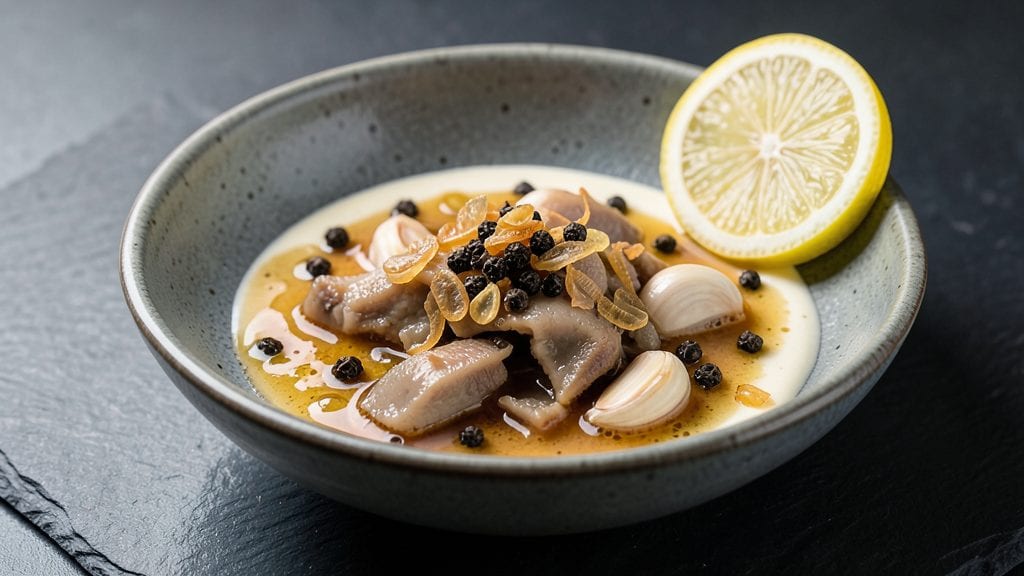
Crafting an abalone liver sauce transforms ordinary seafood into an extraordinary dining experience, where deep umami flavors elevate every bite. This luxurious sauce requires precision—balancing abalone liver's rich, briny notes with aromatic shallots, a touch of cream, and a whisper of citrus to brighten the intensity.
I developed this recipe after years of refining techniques for restaurant-quality results at home, ensuring the sauce remains velvety yet vibrant.
The foundation of this sauce lies in proper preparation: abalone liver must be cleaned meticulously and cooked just until tender to preserve its delicate texture. Aromatics like shallots and garlic form the flavor base, while a careful emulsification with cream creates that signature luxurious mouthfeel.
The sauce is designed to complement seafood dishes without overpowering them, delivering a sophisticated depth that pairs beautifully with grilled fish, scallops, or even delicate shrimp.
What sets this abalone liver sauce apart is its versatility—it can be used as a dipping sauce, a finishing drizzle, or a base for richer preparations. The sauce maintains its quality for up to five days when refrigerated, making it ideal for meal prep.
Whether you're hosting an elegant dinner or simply treating yourself to a gourmet experience, this sauce will elevate your seafood dishes to new heights.
For best results, use fresh abalone liver and allow the sauce to rest for at least 30 minutes before serving. This resting period ensures the flavors meld perfectly, creating a harmonious balance that's both complex and refined.
The sauce's rich umami profile makes it a standout addition to any seafood feast, promising a dining experience that's truly memorable.
Ingredients for abalone liver sauce
Ten ingredients, one luxurious sauce. Restaurant-quality umami in your kitchen.
| Ingredient | Amount | Notes |
|---|---|---|
| Fresh Abalone Liver 🦪 | 4 oz | Cleaned, trimmed of connective tissue |
| Shallots 🧅 | 4 whole | Finely minced, about 0.5 cup |
| Garlic Cloves 🧄 | 2 cloves | Minced, skinless |
| Heavy Cream 🥛 | 1 cup | Full-fat for richness |
| Extra-Virgin Olive Oil 🫒 | ½ cup | High-quality, fruity |
| Lemon Juice 🍋 | 1 tbsp | Freshly squeezed |
| Diamond Crystal Kosher Salt 🧂 | ½ tsp | Fine grain preferred |
| White Wine 🍷 | ¼ cup | Dry, like Sauvignon Blanc |
| Fresh Chives 🌿 | 2 tbsp | Finely chopped, for garnish |
| Unsalted Butter 🧈 | 2 tbsp | Cold, cubed for finishing |
The abalone liver is the star—freshness is non-negotiable. Look for it at high-end seafood markets or specialty Asian grocers like H Mart or 99 Ranch Market. If working with frozen, thaw it slowly in the fridge overnight. The liver should be a deep amber color, not gray or slimy. For the shallots, French's brand is my go-to—they're consistent and sweet. The garlic? Freshly minced makes all the difference—pre-minced from jars has a metallic aftertaste. If you can't find fresh abalone liver, high-quality scallop roe can be a substitute, though the flavor will differ slightly.
No white wine? Dry vermouth or even extra chicken broth works in a pinch, but the acidity will be less bright. The heavy cream is crucial—half-and-half won't emulsify properly. For a lighter version, swap half the cream for unsweetened coconut milk, though the texture will be slightly thinner. The olive oil should be fruity and peppery—none of that cheap supermarket stuff. If you're sensitive to dairy, coconut cream can replace the heavy cream, but the sauce will have a tropical twist. The butter at the end? Cold cubes melt into silky ribbons—don't skip this step.
This sauce is best made a day ahead—flavors deepen as it rests. Store in an airtight container in the fridge for up to 5 days. For longer storage, freeze in ice cube trays, then transfer to a bag. Thaw overnight in the fridge before using. Reheat gently on low heat, stirring constantly—never boil, or it'll break. Garnish with fresh chives right before serving, as they wilt quickly. A drizzle of truffle oil adds a gourmet touch if you're feeling fancy.
Why You'll Love This Recipe
- Foolproof Simplicity: I swear, this sauce is one of those rare recipes where the hardest part is finding the abalone liver—once you’ve got that, it’s just sauté, simmer, blend. No peeling, no dicing, no stress. The shallots and garlic soften in minutes, and the heavy cream ties it all together without fuss.
- Rich Umami Bomb: That abalone liver? It’s like liquid gold—deep, briny, and packed with flavor that transforms a simple pan sauce into something ridiculously good. The olive oil keeps it silky, while the cream adds a velvety finish that makes every bite feel like a little luxury.
- Weeknight to Dinner Party: Between us, this sauce is my secret weapon for when I need to impress but don’t want to slave away. Drizzle it over pasta, spoon it onto grilled fish, or even use it as a dip—it’s that versatile. (Yes, even on a Tuesday night.)
- Leftovers That Don’t Suck: Unlike so many sauces that turn gloopy or separate, this one actually improves the next day. Store it in the fridge, and reheat with a splash of water or cream—still rich, still delicious. No sad, watery leftovers here.
Step-by-step instructions for abalone liver sauce
Here's how to transform delicate abalone liver into a velvety, umami-packed sauce that elevates any seafood dish.
Sweat the Shallots and Garlic
Heat the extra-virgin olive oil in a medium saucepan over medium-low heat. Add the 4 whole shallots that have been finely minced and cook for 8-10 minutes, stirring occasionally, until completely softened and translucent. You'll know they're ready when they lose their raw bite and begin to caramelize slightly at the edges.
Add the 2 cloves of minced garlic cloves and cook for an additional 30 seconds until fragrant. The key here is patience—don't let the garlic brown or it will turn bitter. Remove the pan from heat temporarily while you prepare the abalone liver, but keep the aromatics warm in the residual heat.
Cook the Abalone Liver
Return the pan to medium heat and add the 4 oz fresh abalone liver that has been cleaned and trimmed. Cook for 2-3 minutes, stirring gently with a silicone spatula, until the liver becomes opaque and just begins to firm up. This delicate protein cooks quickly, so watch it closely—the moment it turns from translucent to opaque is your cue to remove it from the pan.
Transfer the cooked liver to a small bowl and set aside. The pan will still contain all those precious flavorful juices, which we'll use to build the sauce. Wipe out any excess liquid with a paper towel if needed, but leave the browned bits—they're packed with umami flavor.
Deglaze and Build the Base
Pour in the 0.25 cup white wine and immediately scrape up all the browned bits from the bottom of the pan with a wooden spoon. This deglazing step captures all the concentrated flavor that would otherwise go to waste. Let the wine simmer for 2-3 minutes until reduced by about half, then add the 1 tbsp lemon juice and continue simmering for another minute.
Stir in the 0.5 tsp diamond crystal kosher salt and reduce heat to low. Here's where the magic happens—this acidified wine mixture will form the bright, flavorful foundation of your sauce. The lemon juice cuts through the richness while enhancing the natural sweetness of the abalone liver.
Finish with Cream and Butter
Slowly pour in the 1 cup heavy cream while whisking continuously to prevent curdling. Bring the mixture to a gentle simmer and cook for 3-4 minutes until slightly thickened but still silky. The sauce should coat the back of a spoon but remain fluid enough to drizzle.
Remove from heat and stir in the 2 tbsp cold unsalted butter, cubed, until fully melted and incorporated. The butter adds luxurious mouthfeel and balances the acidity. Taste and adjust seasoning if needed—you might want to add a pinch more salt or a splash of lemon juice to perfect the balance.
Garnish and Serve
Strain the sauce through a fine-mesh sieve into a clean saucepan to remove any impurities, then return to low heat if needed to maintain serving temperature. Ladle the sauce over your choice of seafood—seared scallops, grilled shrimp, or even delicate fish fillets make perfect vessels for this luxurious sauce.
Garnish each serving with the 2 tbsp finely chopped fresh chives just before serving. The bright green color provides a beautiful contrast to the rich, golden sauce. Serve immediately while warm, as the sauce is at its peak texture and flavor when enjoyed fresh from the stove.
Pro Tips For Making Abalone Liver Sauce
- Sear Livers Fast: Hit the abalone liver with a screaming-hot pan—just 30 seconds per side—before pulling it out. Overcooking turns them to rubber; you want them barely opaque at the edges, still jiggly inside. (Yes, even if they look underdone. They’re not.)
- Mince Shallots Fine: Skip the rough chop—abalone liver sauce needs shallots so finely minced they practically dissolve. Pulse them in a food processor for 10 seconds, then taste. If you can still see flecks, keep going. (I learned this the hard way when my sauce tasted like it was hiding onions.)
- Temper the Cream: Warm the heavy cream to room temp before adding it to the pan—just enough to steam slightly when you pour. Cold cream shocks the sauce and makes it split. (Trust me, you’ll know when it does. It’s not pretty.)
- Deglaze with Oil: After searing the livers, deglaze the pan with a splash of olive oil, not wine or broth. The fat in the oil lifts the caramelized bits into the sauce, giving it that rich, velvety depth. (And no, you don’t need to use the fancier olive oil here—just a cheap one for this step.)
Troubleshooting this recipe
Sauce Too Thin?
If your abalone liver sauce ends up too thin after adding cream, don’t panic—simmer it uncovered for an additional 3-5 minutes over low heat. The alcohol from the wine will continue to evaporate, thickening the sauce naturally.
For a quicker fix, mix 1 tsp cornstarch with 1 tbsp cold water, stir into the sauce, and simmer for 1-2 minutes until slightly thickened. Always stir constantly to prevent lumps. 🌡️
Break Emulsification?
A broken sauce (where oil and cream separate) happens when heat is too high or stirring is too aggressive. To fix it, immediately remove from heat and whisk vigorously while adding 1 tbsp cold butter in small pieces.
The fat will help re-emulsify the sauce. For prevention, always cook cream-based sauces on low heat and whisk gently but continuously.
Overcooked Liver?
If your abalone liver turns rubbery or dry, it’s been overcooked. The liver should be just opaque—2-3 minutes max over medium heat. For future attempts, use a meat thermometer and aim for an internal temp of 125-130°F.
If it’s already overcooked, blend the sauce with 2 tbsp crème fraîche to restore creaminess and mask any bitterness.
Bitter Aftertaste?
Bitterness often comes from overcooked garlic or abalone liver. To counteract it, add ½ tsp sugar or 1 tsp honey to balance the flavors. A splash of lemon juice (another ½ tsp) also brightens the sauce.
If the bitterness persists, strain the sauce through a fine-mesh sieve to remove any impurities from the liver.
Sauce Too Rich?
If the sauce feels overwhelmingly heavy, dilute it with 1-2 tbsp seafood stock or white wine to lighten the texture. For a tangy contrast, stir in 1 tsp capers or pickled shallots—their briny acidity cuts through the richness beautifully.
Serve with a side of arugula salad to balance the plate.
Storage Issues?
If your refrigerated sauce develops a skin or separates after storage, gently reheat it on low heat while whisking continuously. For a smoother texture, strain it again before serving.
To prevent separation, store the sauce in an airtight container and press plastic wrap directly on the surface to minimize air exposure. Never freeze this sauce—it won’t recover its silky texture after thawing. ❄️
Nutrition facts
Frequently asked questions
What makes abalone liver sauce different from other seafood sauces?
Abalone liver sauce stands out with its deep umami richness and delicate texture, thanks to the abalone's natural sweetness and briny notes. Unlike fish-based sauces, it has a more luxurious mouthfeel from the cream and butter, while the white wine and lemon juice provide brightness that prevents heaviness. The sauce is designed to complement—not overpower—seafood dishes, making it perfect for delicate proteins like scallops or grilled fish.
Can I substitute abalone liver with another ingredient?
Yes, but results will vary. For a similar texture, try high-quality scallop roe or oysters, though the flavor will be less rich. If you're avoiding seafood entirely, mushroom duxelles (finely chopped mushrooms) can mimic some umami depth, but the sauce will taste distinctly different. The key is balancing richness with acidity—adjust lemon juice or wine to taste if substituting.
How do I know when the abalone liver is cooked properly?
The liver is done when it turns from translucent to opaque and just begins to firm up—this takes about 2-3 minutes over medium heat. Overcooking makes it rubbery, while undercooking leaves it raw-tasting. For precision, use a meat thermometer and aim for 125-130°F. Remove it immediately when it reaches this temp to preserve tenderness.
Can I make this sauce ahead of time?
This sauce actually improves overnight as flavors meld. Store it in an airtight container in the fridge for up to 5 days. Before serving, reheat gently on low heat while whisking to restore its silky texture. For best results, garnish with fresh chives just before serving to keep them vibrant.
What seafood dishes pair best with this sauce?
This sauce shines with delicate seafood proteins that won't overpower its richness. Try it with seared scallops, grilled shrimp, or pan-seared halibut. For a showstopper, drizzle it over chilled lobster tails or use it as a dipping sauce for fresh oysters. The sauce's velvety texture also works beautifully as a finishing drizzle for steamed clams.