
Sauces & Condiments
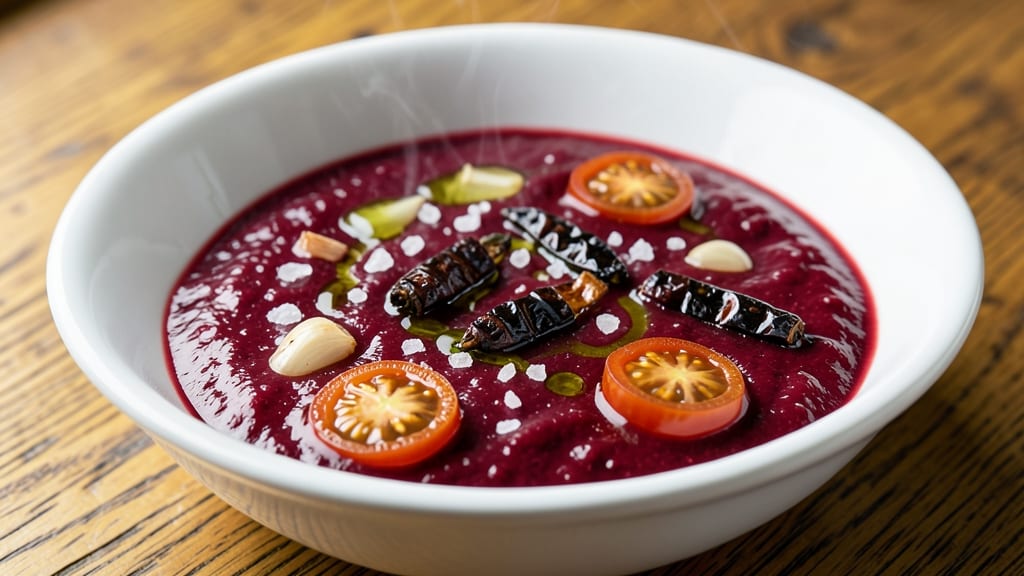
This alreado sauce recipe transforms simple pantry staples into a smoky, velvety condiment that elevates everything from grilled fish to crisp salads. The secret lies in blending ripe tomatoes, chipotle peppers, and a touch of vinegar to create a sauce that’s both complex and effortlessly versatile.
I developed this recipe after years of searching for a condiment that could stand up to bold flavors without overpowering them.
The beauty of alreado sauce is its adaptability—it works as a marinade, a drizzle, or a dip, and the smoky chipotle heat lingers just enough to satisfy. Unlike store-bought versions, this recipe relies on fresh ingredients and a precise balance of acidity and richness, ensuring every spoonful delivers depth.
The sauce thickens naturally as it cools, making it ideal for meal prep or last-minute gatherings.
What you’ll end up with is a smooth, smoky tomato-chipotle sauce that’s tangy, slightly sweet, and packed with umami. It’s the kind of condiment that turns ordinary meals into memorable ones—think grilled shrimp bathed in its velvety embrace or a simple salad transformed by its bold flavor.
The best part? It keeps well in the fridge for up to a week, so you can make a batch and enjoy it all week long.
Perfect for drizzling over tacos, mixing into mayo for sandwiches, or serving alongside charred vegetables, this sauce is a game-changer for home cooks who crave restaurant-quality flavor without the fuss. Let’s get started—your taste buds will thank you.
Ingredients for alreado sauce
Nine simple ingredients transform into a smoky, velvety sauce that elevates every dish it touches.
| Ingredient | Amount | Notes |
|---|---|---|
| Ripe Roma Tomatoes 🍅 | 2 lbs | Vine-ripened for sweetness |
| Chipotle Peppers in Adobo 🌶️ | 4 whole | Smoked, minced finely |
| Extra-Virgin Olive Oil 🫒 | ½ cup | High-quality, fruity |
| Apple Cider Vinegar 🍋 | ¼ cup | Bright, tangy variety |
| Garlic Cloves 🧄 | 6 cloves | Peeled, smashed slightly |
| Diamond Crystal Kosher Salt 🧂 | 1 ½ tsp | Fine grain preferred |
| Ground Black Pepper 🌶️ | 1 tsp | Freshly ground preferred |
| Cumin Seeds 🌿 | 1 tsp | Toasted for aroma |
| Cane Sugar 🍬 | 1 tbsp | For subtle sweetness |
The tomatoes are the foundation—Roma tomatoes have the perfect balance of sweetness and acidity for this sauce. Trader Joe's and local farmers markets often carry the best vine-ripened varieties, but any ripe tomatoes will work. Chipotle peppers in adobo are a must for that signature smoky heat. Penzeys sells them canned, but most Latin markets carry them fresh if you prefer. Toast the cumin seeds in a dry pan for 30 seconds before grinding—this releases their full aroma and makes a world of difference. The extra-virgin olive oil should be fruity and peppery, not mild. California olive oil brands like Corto or Lucini are my go-to choices.
No chipotle peppers? Substitute smoked paprika plus a pinch of cayenne for heat, but you’ll lose that deep smokiness. Running out of apple cider vinegar? White wine vinegar or lime juice work in a pinch, though the flavor profile shifts slightly. The sugar can be swapped for honey or agave, but cane sugar dissolves more smoothly. For a quicker prep, blend canned diced tomatoes instead of fresh—just add a splash of water to thin it out. The sauce thickens as it cools, so if it’s too thick right away, stir in a tablespoon of water or vinegar to balance it.
This sauce keeps beautifully in the fridge for up to 1 week, though it actually tastes better the next day as the flavors meld. For longer storage, freeze in ice cube trays—thaw and use as needed. The sauce pairs perfectly with grilled meats, fish, or even as a dip for chips. Double the batch—it disappears fast when you’re entertaining. If you make extra, consider gifting it; everyone will ask for the recipe.
Why You'll Love This Recipe
- No-Fuss Simmer: I swear by this recipe because it’s one big, forgiving pot of magic. Toss in chopped tomatoes, a few chipotles, and garlic—no peeling, no dicing like a pro—just a slow simmer until it’s thick and irresistible. My lazy Sundays just got a whole lot easier.
- Smoky-Sweet Magic: That chipotle-in-adobo paste? It’s the secret weapon here. The heat lingers, but the vinegar and ripe tomatoes soften it into this perfect balance of smoky depth and bright tang. Honestly, I reach for this sauce when I want flavor that sticks—no bland aftertaste in sight.
- Weeknight Workhorse: This sauce is my go-to for tacos, grilled chicken, or even a quick pasta. It keeps beautifully in the fridge for days, so I can make a big batch and stretch it across lunches. (Yes, even on a Tuesday night when takeout feels like a chore.)
- Pantry Stash Winner: Between us, this recipe costs next to nothing to make. You’re using basic ingredients—tomatoes, garlic, vinegar—that don’t break the bank, and the leftovers? They’re even better the next day. Budget-friendly doesn’t mean boring, and this sauce proves it.
Step-by-step instructions for alreado sauce
This smoky tomato-chipotle sauce comes together with pantry staples and bold flavors you'll crave.
Roast Tomatoes Until Caramelized
Preheat your oven to 425°F and line a baking sheet with parchment paper. Halve the 2 lbs ripe Roma tomatoes lengthwise, removing the cores as you go. Arrange them cut-side down on the prepared sheet, leaving space between each piece. This allows the juices to pool and caramelize rather than steam.
Roast for 25-30 minutes until the tomatoes collapse slightly and develop deep golden brown spots. You'll notice the edges start to crisp and the aroma becomes intensely sweet and earthy. Let them cool for 5 minutes before handling—they'll be fragile when hot. This roasting step develops the sauce's natural sweetness and deepens its smoky complexity.
Toast Cumin Seeds and Prepare Aromatics
While the tomatoes roast, heat a dry skillet over medium heat and add the 1 tsp cumin seeds. Toast them for 1-2 minutes until they release their nutty aroma and begin to darken slightly. Immediately transfer them to a small bowl to cool—they'll lose their potency if cooked too long.
In the same skillet, add the 6 cloves garlic (smashed but not minced) and cook for 30 seconds until fragrant but not browned. Remove from heat and set aside. The garlic should smell sweet and pungent, not burnt. This quick cooking preserves their freshness while building flavor. Keep both the cumin seeds and garlic nearby—they'll be added back later.
Build the Sauce Base
Transfer the roasted tomatoes to a blender or food processor. Add the 4 whole chipotle peppers in adobo (minced finely), 0.5 cup extra-virgin olive oil, 0.25 cup apple cider vinegar, 1 tbsp cane sugar, 1.5 tsp Diamond Crystal kosher salt, and 1 tsp ground black pepper. Blend until completely smooth, scraping down the sides as needed.
Here's the thing—don't rush this blending. You want a velvety texture with no visible chunks of tomato or chipotle. If the mixture seems too thick, add 2-3 tablespoons of water to help it emulsify properly. The sauce should have a rich, deep red color with a glossy sheen from the olive oil.
Simmer and Develop Flavor
Pour the blended sauce into a medium saucepan and place it over medium-low heat. Stir in the toasted cumin seeds and garlic, then bring to a gentle simmer. Let it cook uncovered for 15-20 minutes, stirring occasionally, until it thickens slightly and the flavors meld together.
You'll know it's ready when the sauce coats the back of a spoon and the chipotle heat becomes more pronounced. Taste and adjust seasoning—you might need a pinch more salt or sugar to balance the smoky, tangy flavors. The sauce should be vibrant, with a perfect harmony of sweet, smoky, and tangy notes. If it's too thick, whisk in a splash of water or vinegar to reach your desired consistency.
Rest and Serve
Remove the sauce from heat and let it rest for 10 minutes. This allows the flavors to fully develop and the sauce to thicken slightly as it cools. I know it's tempting to serve it immediately, but patience here makes all the difference.
Strain the sauce through a fine-mesh sieve if you prefer an ultra-smooth texture, or leave it slightly textured for added depth. Serve warm over grilled meats, with roasted vegetables, or drizzled over crusty bread. The sauce keeps well in the refrigerator for up to 5 days, and its flavors actually improve with time as the chipotle infuses deeper into the tomato base.
Pro Tips For Making Alreado Sauce
- Char the Tomatoes First: I learned this the hard way—skipping the quick char on high heat means a sauce that’s bright but lacks depth. Toss halved Roma tomatoes cut-side down in a dry skillet over medium-high heat for 2-3 minutes until blackened in spots. That smoky burst is what transforms good sauce into alreado magic.
- Strain the Adobo Oil: Chipotle peppers in adobo sauce are delicious, but their oil gets murky fast. After blending your sauce, pour it through a fine-mesh sieve lined with cheesecloth—press gently to extract every last drop. The result? A silky, unbroken sauce that won’t look like you’re serving soup.
- Roast the Garlic Whole: Minced garlic burns before it browns, and that’s when your sauce turns bitter. Wrap 3-4 whole garlic cloves in foil with a drizzle of olive oil, roast at 400°F (200°C) for 15 minutes until soft. Squeeze them out like toothpaste—sweet, nutty, and no risk of scorching.
- Balance the Vinegar Last: Taste your sauce before adding apple cider vinegar—it’s easy to overdo it. Start with 1 tablespoon, then adjust by the teaspoon. The vinegar brightens, but too much turns your smoky, rich sauce into something sharp and one-dimensional. (Yes, even if you’re impatient like me.)
Storing and reheating your leftovers
Fridge Storage Secrets
Transfer your alreado sauce to an airtight glass jar or silicone-lidded container—I love using Le Parfait 16-ounce jars for their snug seals. Store it in the fridge at 40°F or below for up to 5 days, though I’ve had batches last 7 days without losing quality.
The sauce actually tastes better after resting overnight as the chipotle’s smoky flavor deepens and melds with the tomatoes. Always press plastic wrap directly onto the surface before sealing to prevent a skin from forming. 💫
Freezer Preservation
For longer storage, freeze the sauce in 1-ounce ice cube trays—perfect for single-use portions. Once frozen, transfer the cubes to a ziplock freezer bag, squeezing out excess air to prevent freezer burn. Label with the date and freeze for up to 3 months.
Thaw overnight in the fridge before using, or pop a cube directly into warm dishes like tacos or soups. The texture remains silky after freezing, though it may separate slightly—just whisk vigorously to restore its velvety consistency. ❄️
Reheating Like a Pro
For the best results, reheat your sauce gently on the stovetop over low heat for 5-7 minutes, stirring occasionally. Avoid microwaving—it can break the sauce’s emulsification and make it grainy.
If the sauce thickens too much during reheating, whisk in 1-2 teaspoons of water or vinegar to restore its original texture. For a quick fix, add a splash of warm water while reheating to loosen the sauce without altering its flavor profile. 🔥
Reviving Stale Sauce
If your sauce has thickened excessively after storage, don’t toss it—revive it by whisking in 1-2 tablespoons of warm water or apple cider vinegar until smooth. For extra richness, stir in ½ teaspoon of extra-virgin olive oil to restore its glossy finish.
If the chipotle heat has mellowed, add a pinch of smoked paprika or a tiny bit of minced chipotle to reignite the smoky depth. Most of the time, a quick whisk and taste adjustment bring it back to life. 💡
Sauce Texture Troubles
If your sauce separates after refrigeration, it’s not ruined—just needs a little TLC. Blend it again for 10-15 seconds to re-emulsify, or whisk vigorously with a hand mixer on low speed. For a thicker consistency, simmer the sauce uncovered for 5-7 minutes to reduce excess liquid.
If it’s too thin, simmer longer or chill it to thicken naturally. The key is patience: let it cool completely before assessing the texture, as it continues to thicken as it sits. ✨
Portioning for Meals
Divide the sauce into small jars or ramekins before storing to make it easy to grab for specific meals. A 2-tablespoon serving is perfect for drizzling over grilled fish or tacos, while ¼ cup works well as a dip or marinade.
Label each portion with the date and intended use—this helps you track freshness and prevents waste. I keep a jar in the fridge at all times for last-minute flavor boosts, and it’s become a staple in my weeknight cooking routine. 🍽️
Nutrition facts
Frequently asked questions
What’s the best way to use this smoky tomato sauce?
This versatile sauce works beautifully as a drizzle over grilled fish or shrimp, a marinade for meats, or a tangy dip for chips. Try mixing it into mayo for sandwiches or tossing it with roasted vegetables. The smoky chipotle flavor pairs especially well with tacos, charred corn, or even as a pizza sauce base.
Can I make this sauce without chipotle peppers?
Yes! For a milder version, substitute 1 tablespoon smoked paprika plus ½ teaspoon cayenne for the chipotle. If you want to keep the smoky depth without heat, use 1 teaspoon liquid smoke (like Texas Pete) mixed with ½ teaspoon garlic powder. The sauce will still have that signature smokiness, just with less kick.
Why does my sauce separate after refrigeration?
This happens when the sauce cools too quickly or if the oil-to-tomato ratio isn’t balanced. To fix it, whisk vigorously or blend for 10-15 seconds to re-emulsify. For future batches, simmer the sauce longer (20-25 minutes) to help it thicken more evenly. If it’s still too thin, reduce it uncovered on low heat until it reaches your desired consistency.
How can I adjust the heat level in this sauce?
For milder heat, remove 1-2 chipotle peppers before blending or reduce the cayenne. For extra spice, add an additional ½ teaspoon of minced chipotle or a pinch of red pepper flakes. Always taste as you go—you can’t overdo the heat, but you can always add more if needed!
Can I make this sauce in a slow cooker?
After blending all ingredients, transfer the sauce to a slow cooker and cook on low for 2-3 hours, stirring occasionally. The gentle heat will develop the flavors beautifully. If it gets too thick, whisk in 1-2 tablespoons of water or vinegar before serving. This method is perfect for hands-off prep.