
Sauces & Condiments
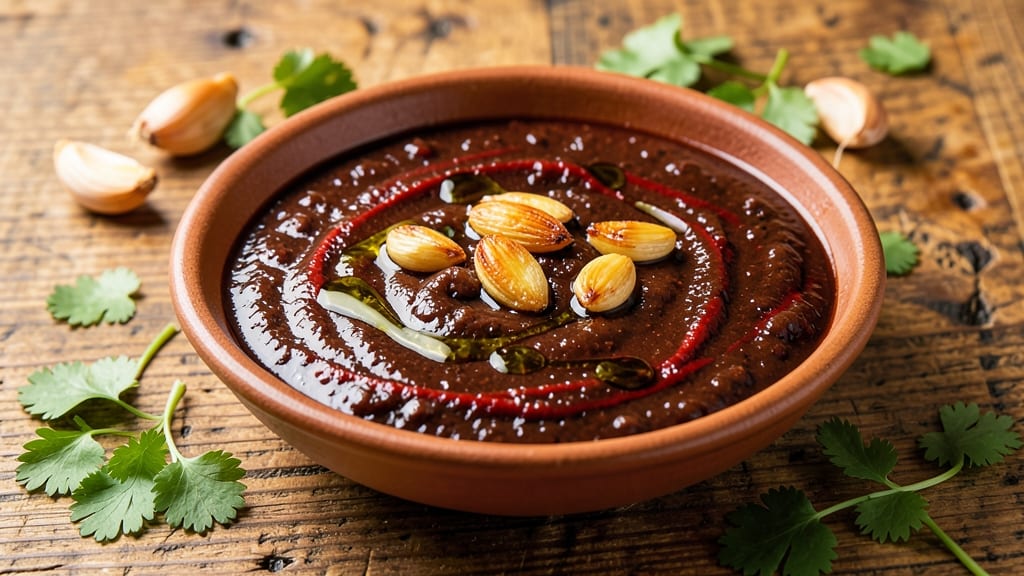
This adobada sauce recipe transforms simple pantry staples into a smoky, complex sauce that elevates everything from grilled meats to roasted vegetables. The magic lies in balancing garlic, chipotle, and vinegar for a depth that rivals restaurant-quality versions—no specialty ingredients required.
My version developed after years of refining the perfect ratio of acidity to heat, ensuring it cuts through rich dishes while leaving a lingering smoky finish.
The sauce comes together in just 15 minutes using ingredients you likely already have: garlic, vinegar, soy sauce, and a touch of brown sugar for balance. What makes this recipe professional-grade is the two-step cooking process—first simmering the aromatics to develop flavor, then blending for a velvety texture.
The result is a sauce that’s versatile enough for weeknight dinners but impressive enough for dinner parties.
Once complete, you’ll have a bold, aromatic sauce with layers of smokiness from chipotle and brightness from vinegar. It’s perfect for glazing grilled chicken, drizzling over tacos, or tossing with roasted potatoes.
The best part? It keeps well in the fridge for up to 10 days, making it ideal for meal prep or batch cooking.
For extra heat, add more chipotle; for depth, toast the garlic until golden. Adjust to your taste—this sauce is designed to be your go-to for adding restaurant-quality flavor to any dish. Let’s get started!
Ingredients for adobada sauce
Pantry staples that transform into restaurant-quality smoky depth in 15 minutes.
| Ingredient | Amount | Notes |
|---|---|---|
| Garlic Cloves 🧄 | 6 whole | Toasted until golden for depth |
| Chipotle Peppers in Adobo Sauce 🌶️ | 4 whole | Include 2 tbsp adobo sauce from can |
| White Vinegar 💧 | ½ cup | White or apple cider vinegar |
| Soy Sauce 🍶 | ¼ cup | Light or dark preferred |
| Brown Sugar 🍚 | 2 tbsp | Light or dark variety |
| Extra-Virgin Olive Oil 🫒 | ¼ cup | High-quality, fruity variety |
| Ground Cumin 🌿 | 1 tsp | Toasted for enhanced flavor |
| Dried Oregano 🍃 | ½ tsp | Mexican oregano preferred |
| Salt 🧂 | 1 tsp | Diamond Crystal kosher salt |
| Black Pepper 🌶️ | ¼ tsp | Freshly ground for texture |
The chipotle peppers are the flavor bombs here—grab the canned ones in adobo sauce from the Latin foods aisle. Trader Joe's or Whole Foods carry the best quality, but any brand works. Toast the garlic until it's golden brown (about 3-4 minutes in a dry pan)—that nutty aroma is non-negotiable for depth. The brown sugar might seem odd, but it balances the acidity and heat beautifully. If you're using Mexican oregano, it's worth hunting down at a specialty market—it's got a completely different profile than regular oregano.
No chipotle peppers? Substitute smoked paprika at double the amount, but you'll lose that smoky depth. Short on vinegar? Lemon juice works in a pinch, though the flavor will be slightly brighter. The soy sauce can be tamari for gluten-free, but keep the same quantity. Want extra richness? Add 1 tbsp of honey to the blend. For a smoother texture, strain the sauce after blending—just don't skip the blending step entirely. The two-step cooking process (simmering then blending) is what creates that velvety, professional-grade consistency.
This sauce keeps like a dream—10 days in the fridge sealed tightly in a jar. For extra shelf life, pour a thin layer of olive oil on top before sealing. Freezes beautifully for up to 6 months, though the texture might separate slightly. Just give it a quick whisk after thawing. I always make double batches—one for immediate use and one to freeze. The flavor actually improves after a few days as everything melds together. Perfect for meal prep or gifting!
Why You'll Love This Recipe
- Here’s what sold me: this sauce actually improves the next day. The flavors meld even more, and it’s still vibrant enough to toss into a quick breakfast scramble or a last-minute pasta. No sad, watered-down sauces here—just pure, reliable flavor.
- Pantry Magic: Between us, this sauce is ridiculously good—and it’s all thanks to what’s already in your cupboard. No special trips to the store, no obscure ingredients: just minced garlic, a can of chipotles in adobo (hello, smoky depth), and a splash of vinegar to brighten everything up.
- Smoky-Sweet Balance: That chipotle peppers in adobo? They’re the star, but the brown sugar and soy sauce turn it into something dangerously addictive. It’s got heat, sure, but it’s the kind that lingers in a good way—like a hug from your abuela after a long day.
- Weeknight Workhorse: I use this sauce on everything—grilled chicken, stir-fried veggies, even as a marinade for tofu. It’s the kind of thing that turns a boring Tuesday into a “whoa, this is actually good” moment. (Yes, even on a Tuesday night.)
Step-by-step instructions for adobada sauce recipe
Transform pantry staples into a smoky, complex sauce with layers of garlic, chipotle, and umami depth.
Toast the Garlic and Chipotle for Maximum Flavor
Heat a dry skillet over medium heat and add the 6 whole garlic cloves, cut in half lengthwise. Toast them for 3-4 minutes until they turn golden brown and release an intoxicating aroma. This step caramelizes the sugars in the garlic, deepening its flavor profile. Remove them immediately when they begin to darken—burnt garlic turns bitter.
While the garlic toasts, place the 4 whole chipotle peppers in adobo sauce in a small bowl. Using a clean spoon, scrape out 2 tablespoons of the adobo sauce from the can and set it aside. The peppers will soften as they cook, releasing their smoky essence into the sauce. Leave the peppers whole for now—they'll break down naturally during simmering, creating a velvety texture without chunks.
Build the Sauce Base with Vinegar and Soy
In a medium saucepan, combine the 0.5 cup white vinegar and 0.25 cup soy sauce. Bring to a gentle simmer over medium-high heat and let it reduce by half—about 5-7 minutes. You'll see the mixture bubble vigorously at first, then settle into a steady simmer. This reduction concentrates the flavors and removes excess acidity, creating a balanced foundation.
While the vinegar-soy mixture reduces, add the toasted garlic cloves and the 4 whole chipotle peppers to the saucepan. Stir gently to submerge them, then add the 2 tablespoons reserved adobo sauce. Let everything simmer together for 2 minutes to infuse the garlic and chipotle flavors into the liquid. The peppers will begin to soften slightly, but don't worry if they don't break down completely yet—they'll continue cooking in the next step.
Incorporate Sweetness and Spices for Depth
Reduce the heat to medium-low and stir in the 2 tablespoons brown sugar, 1 teaspoon ground cumin, 0.5 teaspoon dried oregano, 1 teaspoon salt, and 0.25 teaspoon black pepper. Let the mixture simmer for 3-4 minutes, stirring occasionally, until the sugar dissolves completely and the spices are fully incorporated. You'll notice the sauce thicken slightly as the starches from the spices absorb into the liquid.
This is where the magic happens—the sugar balances the acidity of the vinegar while the cumin and oregano add earthy warmth. Taste the sauce now—it should be tangy, slightly sweet, and deeply aromatic. If you find it too acidic, you can add a pinch more brown sugar. If it needs more depth, a splash of soy sauce will help, but trust your palate—this sauce should sing with complexity.
Finish with Olive Oil for Emulsion and Richness
Remove the saucepan from heat and let it cool slightly for 1-2 minutes. Then, slowly drizzle in the 0.25 cup extra-virgin olive oil while whisking continuously. The heat from the sauce will cause the oil to emulsify, creating a silky, velvety texture. If the sauce separates, simply whisk vigorously for 30 seconds—it will come together beautifully.
The olive oil not only adds richness but also helps distribute the flavors evenly. The sauce should now coat the back of a spoon with a glossy sheen. If you prefer a thinner consistency, add 1-2 tablespoons of water or white vinegar to loosen it. For a thicker sauce, simmer it gently for an additional 2-3 minutes to reduce further. The choice is yours—this sauce is incredibly versatile.
Strain and Adjust for Perfect Texture
Line a fine-mesh strainer with cheesecloth or a coffee filter and place it over a clean bowl. Pour the sauce through the strainer, pressing gently on the garlic cloves and chipotle peppers to extract every last drop of flavor. Discard the solids—they've done their job. The resulting sauce should be smooth, with no visible chunks, and deeply infused with smoky, garlicky notes.
Taste the strained sauce and adjust the seasoning if needed. You might want to add a pinch more salt or black pepper to taste, or a splash of white vinegar to brighten the acidity. The sauce should be balanced—smoky, slightly sweet, with a tangy kick. Transfer it to a clean jar or airtight container and let it cool to room temperature. It will keep in the refrigerator for up to 2 weeks, or you can freeze it for 3 months for later use.
Pro Tips For Making Adobada Sauce
- Mince That Garlic: DESCRIPTION: I used to chop garlic cloves into rough slivers, but this sauce demands minced—think fine, almost paste-like texture. A food processor handles this in seconds, and you’ll taste the difference in every spoonful. (Yes, even if you’re impatient like me.)
- Strain the Adobo: DESCRIPTION: The chipotle peppers in adobo sauce come packed in a thick, oily liquid that can make your sauce greasy. Strain it through a fine-mesh sieve before adding it to the pot—you’ll keep the heat and smokiness without the gloopy mess. (Your future self will thank you.)
- Simmer, Don’t Boil: DESCRIPTION: This sauce needs to develop flavor, not race to evaporation. Keep the heat at a gentle simmer—tiny bubbles breaking the surface, not a rolling boil. Rushing it turns the sauce bitter, and you’ll regret it when you taste the difference.
- Balance the Vinegar: DESCRIPTION: White vinegar cuts through the richness, but too much makes the sauce taste harsh. Start with half the amount listed, taste, then add more if needed. (Sounds weird, but it works—your palate will guide you better than the recipe.)
Flavor customization for this adobada sauce
Spicy Heat Boost
For extra kick, increase the chipotle peppers to 6-8 whole peppers (adjust adobo sauce to 4 tbsp). Toast them for 2 minutes longer to intensify their smokiness. I’ve found Trader Joe’s smoked chipotle powder works well too—use 1 tbsp instead of peppers.
Add 1 tsp cayenne pepper for a fiery finish, but taste first—the sauce can get surprisingly spicy. 🌶️
Sweet and Tangy Twist
Swap the brown sugar for 1 tbsp honey or agave nectar to mellow the heat while keeping that bright acidity. I love adding 1 tbsp lime juice at the end for a zesty lift—it cuts through the richness beautifully.
For a tropical vibe, stir in ½ tsp ground cinnamon when simmering the spices. The contrast with the smoky chipotle is unexpected but delicious.
Umami Bomb Upgrade
Boost the depth with 1 tbsp fish sauce (like Red Boat) or 1 tsp miso paste for an extra umami punch. I’ve also used 1 tbsp Worcestershire sauce for a savory kick.
For a richer texture, replace 2 tbsp olive oil with 2 tbsp toasted sesame oil—it adds nutty warmth that pairs perfectly with the smokiness. 💛
Herbaceous Freshness
Finish with 1 tbsp chopped fresh cilantro or thyme leaves for brightness. If you prefer dried herbs, use ½ tsp dried thyme instead. For a Mediterranean twist, add 1 tsp dried rosemary when simmering the spices—it adds an earthy aroma that complements the chipotle.
The herbs should be added after straining for the cleanest flavor.
Smoky Depth Variations
Swap chipotle for 1 tbsp smoked paprika (plus ½ tsp liquid smoke) if you can’t find chipotle peppers. For a deeper smokiness, add 1 smoked garlic clove (available at specialty stores) to the toasted garlic.
I’ve also used ½ tsp coffee granules when simmering—it adds a subtle bitterness that rounds out the sauce beautifully. 🔥
Nutrition facts
Frequently asked questions about adobada sauce
What's the difference between adobada sauce and traditional Filipino adobo?
While both use vinegar and garlic, adobada sauce is a standalone condiment with smoky chipotle and sweet-spicy balance, whereas Filipino adobo is a complete braised dish with meat/vegetables cooked in vinegar marinade. This sauce is like the concentrated essence of adobo's flavor profile—perfect for drizzling or glazing.
Can I make this sauce without chipotle peppers?
For a smoky substitute, use 1 tbsp smoked paprika plus ½ tsp liquid smoke. If you want heat without smokiness, add 1 tsp cayenne pepper instead. The sauce will still be delicious—just with a different flavor profile. The key is balancing the acidity with sweetness (like brown sugar or honey) to keep it complex.
How long does this sauce keep, and can I freeze it?
This sauce stays fresh in the fridge for up to 10 days in an airtight container. For longer storage, freeze it for 3 months. When thawing, whisk gently to recombine any separated oil. Pro tip: Pour a thin layer of olive oil on top before sealing to preserve freshness. The flavor actually improves after 2-3 days as the ingredients meld together!
What are the best dishes to use this sauce with?
This versatile sauce works wonders on:
- Grilled meats (chicken, pork, or shrimp)
- Roasted vegetables (potatoes, Brussels sprouts)
- Tacos or nachos for a smoky kick
- As a marinade for tofu or tempeh
- Drizzled over rice bowls or noodles
Why does my sauce look separated after blending?
This happens when the oil and vinegar-based liquid don't fully emulsify. To fix it, whisk vigorously for 30 seconds—the heat from the sauce will help bind everything together. For prevention, always drizzle the oil in slowly while whisking continuously. If it still separates, add 1 tsp cornstarch mixed with 1 tbsp water and simmer for 1 minute to thicken. The sauce should come together beautifully!