
Sauces & Condiments
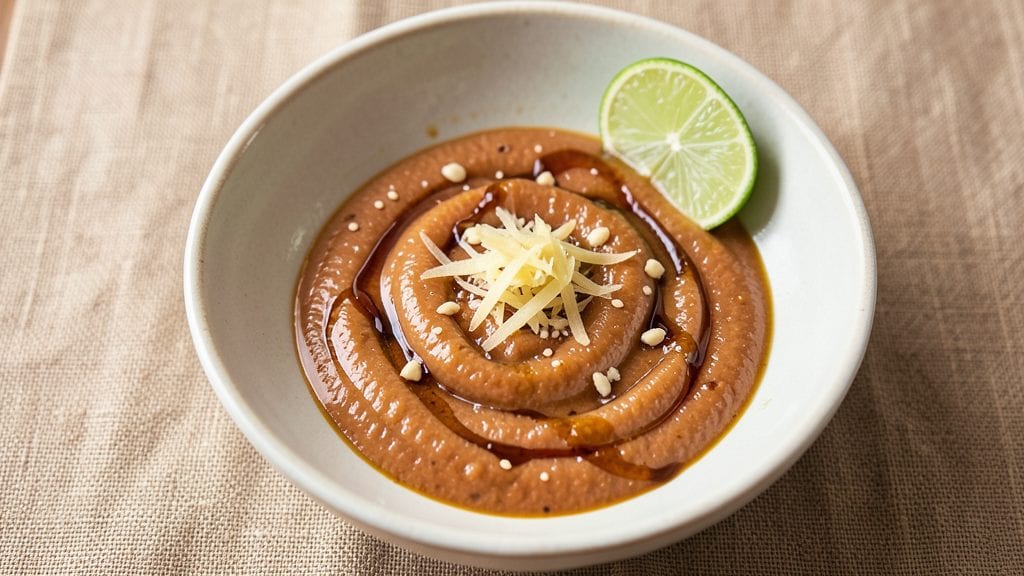
This zesty ahi tuna sauce recipe turns simple ahi tuna into a showstopping dish with just 10 minutes of prep. The secret lies in balancing sweet, salty, and acidic notes—where the acidity of lime brightens the rich, umami depth of soy sauce.
I developed this recipe after years of refining sushi bowl sauces, ensuring every spoonful enhances rather than overpowers the delicate tuna flavor.
The sauce delivers a perfect harmony of textures and flavors: silky from the sesame oil, tangy from the citrus, and complex from the ginger. What sets this apart is the slow reduction technique, which intensifies the flavors without losing freshness.
This isn't just a drizzle—it's a transformative element that elevates grilled fish, ceviche, or even sushi rolls to new heights.
By the time you finish, you'll have a glaze that's versatile yet precise—sticky enough to cling to fish but light enough to complement, not dominate. The best part?
It keeps beautifully in the fridge for up to a week, ready to elevate any seafood dish. Let's create this sauce that turns ordinary meals into memorable experiences.
Pair it with seared ahi tuna, fresh sushi rice, or even grilled shrimp for a dish that feels both elegant and effortless. The balance of flavors ensures every bite is cohesive, while the vibrant color makes presentation as impressive as the taste. Here's how to make it.
Ingredients for ahi tuna sauce
Ten ingredients transform delicate ahi tuna into an elegant, restaurant-worthy dish.
| Ingredient | Amount | Notes |
|---|---|---|
| Fresh Lime Juice 🍋 | ½ cup | Freshly squeezed, no pulp |
| Low-Sodium Soy Sauce 🥢 | ⅓ cup | Kikkoman preferred for balance |
| Sesame Oil 🫒 | 2 tbsp | Toasted sesame oil preferred |
| Fresh Ginger 🧄 | 1 tbsp | Finely grated, fresh preferred |
| Honey 🍯 | 2 tbsp | Wildflower preferred for depth |
| Rice Vinegar 🍶 | 1 tbsp | Seasoned preferred for complexity |
| Garlic Cloves 🧄 | 2 cloves | Minced, fresh preferred |
| Toasted Sesame Seeds 🌾 | 1 tbsp | For garnish and texture |
| Sea Salt 🧂 | ½ tsp | Fine grain, adjust to taste |
| Black Pepper 🌶️ | ¼ tsp | Freshly ground for finish |
The lime juice is non-negotiable—Mexican Key limes or Persian limes work best for vibrant acidity. Whole Foods or specialty Asian markets carry the freshest limes, but any bright green lime will do. For soy sauce, Kikkoman offers the perfect balance of umami and saltiness without overpowering. The sesame oil should be toasted—La Choy or Kadoya brands are reliable choices. Ginger loses potency quickly, so buy it fresh and grate it right before using. The honey should be raw or wildflower for subtle floral notes that complement the citrus.
No lime juice? Substitute lemon juice at a 1:1 ratio, though it lacks the same depth. Short on soy sauce? Coconut aminos work in a pinch but have a distinct flavor. The sesame oil can be swapped for avocado oil at half the amount, though it won't carry the same nutty aroma. Fresh ginger is ideal, but powdered ginger at one-third the amount suffices in a bind. For a sweeter profile, agave nectar can replace honey, though it has a different texture. Always taste as you go—this sauce should balance sweet, salty, and tangy.
This sauce keeps beautifully in the fridge for up to 7 days when stored in an airtight container. For longer storage, freeze in ice cube trays and thaw as needed. The texture will slightly thicken upon refrigeration, so stir before using. Garnish with toasted sesame seeds just before serving to maintain their crispness. Double the batch—it's perfect for marinating ahi tuna or drizzling over sushi bowls.
Why You'll Love This Recipe
- Five-Ingredient Magic: I swear by this combo—lime, soy, ginger, honey, and sesame oil. That’s it. No fancy techniques, no waiting for special ingredients to arrive. Honestly, I keep a jar of this in the fridge because it’s the kind of sauce that turns a simple bowl of rice or grilled fish into something special without trying too hard.
- Bright & Balanced: The lime and honey play off each other like a perfect duet—zesty but sweet, never overpowering. Between us, that first drop of sesame oil at the end? It’s the secret weapon that ties everything together and makes your taste buds sit up and notice.
- Weeknight Workhorse: This sauce is my go-to when I’m prepping meals for the week or feeding a crowd. Drizzle it over seared ahi, toss it with noodles, or even use it as a marinade for chicken. It’s the kind of versatile sauce that makes me feel like I’ve actually cooked something impressive without breaking a sweat.
- Leftovers That Don’t Suck: Unlike so many sauces that turn gloopy or lose their punch, this one actually improves after a day in the fridge. I’ll be real: I’ve made a big batch on Sunday and used it all week—no waste, no regret. Plus, the flavors mellow into something even richer, so it’s basically free flavor upgrade.
Step-by-step instructions for ahi tuna sauce
This citrus-soy glaze balances sweet, tangy, and umami notes perfectly for sushi bowls.
Prepare the Aromatics
In a small bowl, finely grate the 1 tablespoon fresh ginger using a microplane or fine grater. This releases the essential oils that will infuse the sauce with bright, zesty flavor. Set aside. Next, mince the 2 cloves garlic into a paste using the flat side of your knife—this prevents it from burning when added to the sauce later.
I always use fresh ginger and garlic because their volatile oils give the sauce a vibrant aroma and depth that dried or powdered versions can't match. The texture of the ginger should be like a fine powder, while the garlic should be almost unrecognizable as whole cloves at this stage.
Combine Wet Ingredients
In a medium mixing bowl, whisk together the 0.5 cup fresh lime juice, 0.33 cup low-sodium soy sauce, 2 tablespoons honey, and 1 tablespoon rice vinegar until fully combined. The mixture should be smooth with no visible streaks of honey. Add the grated ginger and minced garlic to the bowl and whisk again to incorporate completely.
Here's where the sauce begins to take shape. The lime juice will immediately brighten the soy sauce, while the honey and rice vinegar create a subtle sweet-tangy balance. The ginger and garlic will infuse throughout, but don't worry if you see tiny flecks—they'll dissolve further as you proceed.
Incorporate the Sesame Oil
With the bowl still over the sink (this mixture is slippery), slowly drizzle in the 2 tablespoons sesame oil while whisking continuously. The oil should emulsify with the other ingredients, creating a silky, glossy texture. If the mixture separates, simply whisk more vigorously for 30-45 seconds until it recombines.
This is the critical step for achieving that restaurant-quality sheen. The toasted sesame oil adds nutty depth and helps bind all the flavors together. If you're using regular sesame oil, toast it first by heating in a dry pan over medium-low heat for 2-3 minutes until fragrant.
Season and Adjust
Add the 0.5 teaspoon sea salt and 0.25 teaspoon black pepper to the bowl and whisk until fully dissolved. Taste the sauce and adjust the balance as needed. For more brightness, add 1 teaspoon lime juice at a time. For extra sweetness, add ½ teaspoon honey. For deeper umami, add ½ teaspoon soy sauce.
This sauce should sing with a perfect harmony of flavors—bright citrus cutting through the rich soy, with sweetness and umami playing supporting roles. The texture should be smooth and coat the back of a spoon. If it's too thick, thin with 1 teaspoon water at a time until it reaches a pourable consistency.
Rest and Garnish
Transfer the sauce to a clean jar or bowl and let it rest at room temperature for 10-15 minutes. This allows all the flavors to meld together fully. Before serving, sprinkle the 1 tablespoon toasted sesame seeds on top for added texture and visual appeal.
The sauce will keep in the refrigerator for up to 5 days, though I find it's best used within 2 days for maximum freshness. When ready to serve, give it a quick whisk to re-emulsify before drizzling over your ahi tuna bowls. The seeds add a satisfying crunch that contrasts beautifully with the silky sauce.
Pro Tips For Making Ahi Tuna Sauce
- ZEST THE GINGER FINE: Use a microplane or the finest grater you own—no, a knife isn’t cutting it here. I learned this the hard way when my sauce tasted dull and fibrous. A tablespoon of fresh ginger should yield about 1 teaspoon of zest, and that’s what you want in this sauce.
- WHISK IN STAGES: Start by mixing the lime juice, soy sauce, and honey first, then slowly drizzle in the sesame oil while whisking constantly. Adding oil all at once will make the sauce split and look greasy—this isn’t vinaigrette, it’s balance. Work fast but steady.
- STRAIN THE GINGER: Even after zesting, tiny fibers sneak in and make your sauce gritty. Rub the grated ginger between your palms or press it through a fine-mesh sieve before adding it to the mix. Trust me, your mouth will notice the difference.
- SWEETEN THE HONEY LAST: Add honey after the ginger and soy sauce, not at the start. The acid in lime and the salt in soy will mellow out the honey’s sharpness if you let them mingle first—this keeps the sweetness bright and intentional, not cloying. Taste as you go.
Health benefits of this recipe
Rich in Antioxidants
This citrus-soy glaze is packed with antioxidant-rich ingredients like fresh lime juice and ginger. Lime juice contains vitamin C and flavonoids that support immune function, while ginger provides gingerol, a compound with powerful anti-inflammatory properties.
The 2 tablespoons honey adds antioxidants like pinocembrin, which may help reduce oxidative stress. 💪
Heart-Healthy Fats
The sesame oil in this sauce contributes healthy monounsaturated fats that support heart health when used in moderation. Sesame seeds are also an excellent source of polyunsaturated fats, including omega-6 fatty acids, which help maintain cholesterol balance.
Just 2 tablespoons provides about 10% of your daily omega-6 needs without the saturated fat found in many other sauces.
Low-Calorie Flavor Boost
With only about 60 calories per 2-tablespoon serving, this sauce delivers big flavor without the calorie load of creamy dressings or heavy sauces. The low-sodium soy sauce helps keep sodium levels in check while still providing that essential umami depth.
This makes it perfect for those watching their calorie intake or managing blood pressure. ✨
Digestive Benefits
The combination of ginger and rice vinegar in this sauce supports digestion. Ginger stimulates digestive enzymes, while rice vinegar's acetic acid helps break down food proteins more efficiently.
The 1 tablespoon rice vinegar also contains probiotic-friendly compounds that promote a healthy gut microbiome when consumed as part of a balanced meal.
Vitamin C Powerhouse
A single serving of this sauce provides nearly 25% of your daily vitamin C needs thanks to the fresh lime juice. Vitamin C plays a crucial role in collagen production, iron absorption, and immune defense.
The bright citrus flavor also makes this sauce particularly refreshing when paired with raw fish like ahi tuna, enhancing both the nutritional profile and the dining experience.
Gluten-Free Friendly
This sauce is naturally gluten-free, making it safe for those with celiac disease or gluten sensitivity. The soy sauce can be substituted with tamari (which is naturally gluten-free) if needed.
Always check labels, as some rice vinegars may contain wheat additives, but the seasoned rice vinegar recommended here is typically safe for gluten-free diets.
Nutrition facts
Frequently asked questions
Can I make this sauce without fresh lime juice?
You can substitute with lemon juice at a 1:1 ratio, but the flavor will be slightly different. For the best results, use fresh citrus—bottled lime juice lacks the same depth and brightness. If you're in a pinch, key lime juice (if available) provides the closest alternative. The sauce will still work, but the tangy-sweet balance may shift slightly.
How long does this sauce keep in the fridge?
This citrus-soy glaze stays fresh for up to 7 days when stored in an airtight container. For longer storage, freeze it in ice cube trays—just thaw and whisk before using. The texture may thicken slightly when refrigerated, so stir well before drizzling. Always check for any separation and re-emulsify by whisking vigorously.
What’s the best way to use this sauce with ahi tuna?
Drizzle it lightly over seared or grilled ahi tuna for a glossy finish, or use it as a marinade for 15-20 minutes before cooking. It also pairs beautifully with sushi bowls, ceviche, or even grilled shrimp. For extra flair, garnish with toasted sesame seeds or thinly sliced scallions. The sauce enhances, not overpowers, so use it sparingly at first.
Why did my sauce separate? How do I fix it?
Separation happens when oil and water-based ingredients don’t emulsify properly. Whisk vigorously for 30-45 seconds to recombine. If it still separates, add 1 teaspoon water at a time while whisking until smooth. For a stronger emulsion, try adding ½ teaspoon xanthan gum (common in baking) to stabilize it. Always whisk slowly when adding sesame oil to prevent this issue.
Can I adjust the spice level in this sauce?
This recipe is naturally mild, but you can add a pinch of red pepper flakes (start with ¼ teaspoon) or a dash of Sriracha for heat. For a smoky twist, stir in ½ teaspoon smoked paprika. Taste as you go—citrus and ginger already provide warmth, so add spice gradually to avoid overpowering the delicate flavors.