
Sauces & Condiments
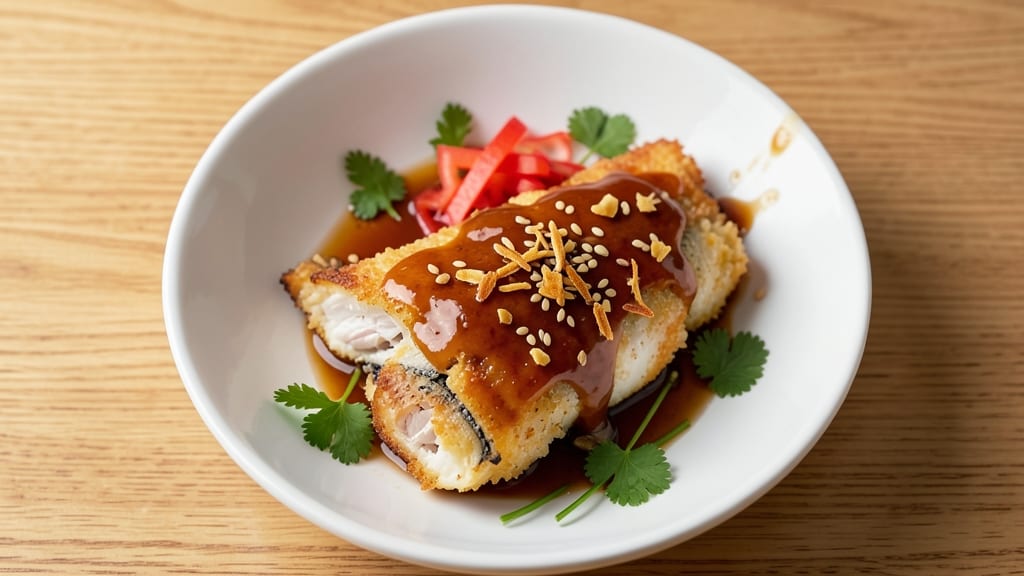
This crispy fried fish with soy sauce and ginger recipe delivers the perfect balance of golden crunch and aromatic umami in every bite.
The secret lies in a light, airy batter that creates shatteringly crisp edges while keeping the fish tender inside, all paired with a zesty sauce that brings together soy's savory depth and ginger's bright warmth.
I developed this method after years of testing—because great fried fish isn't just about the crunch, it's about the harmony of textures and flavors that make it unforgettable.
The beauty of this recipe is its versatility—whether you're using a deep fryer, air fryer, or stovetop pan, the technique remains the same. We'll start with a simple batter made from flour, baking powder, and ice water that stays light and crispy even after frying.
The soy-ginger sauce, simmered with garlic and a touch of honey, adds complexity that transforms ordinary fish into a restaurant-worthy dish. It's the kind of recipe that works for weeknight dinners or special occasions, with minimal effort but maximum impact.
What you'll end up with is perfectly golden fish that shatters with each bite, paired with a glossy sauce that's tangy, sweet, and just spicy enough to linger.
The combination of crispy exterior and tender interior creates a texture contrast that's impossible to resist, while the sauce adds layers of flavor that elevate simple ingredients into something extraordinary.
This is fried fish that doesn't just satisfy—it impresses, whether you're serving it to guests or treating yourself to a well-deserved meal.
The best part? This recipe works with almost any firm white fish—cod, tilapia, or even catfish—and scales perfectly for different occasions. Serve it with steamed jasmine rice and quick-pickled vegetables for a complete meal that's both comforting and sophisticated.
Let's get started on creating this crispy, flavor-packed dish that will become a new favorite in your rotation.
Ingredients for fried fish with soy sauce and ginger
Simple ingredients transform into restaurant-style fried fish with a crispy batter and zesty sauce.
| Ingredient | Amount | Notes |
|---|---|---|
| Firm White Fish Fillets 🐟 | 1 ½ lb | Cod, tilapia, or catfish preferred |
| All-Purpose Flour 🌾 | 1 cup | White or whole wheat blend |
| Baking Powder 🧂 | 1 tbsp | Ensures light, crispy batter |
| Ice Water 💧 | ½ cup | Chilled for crispiness |
| Vegetable Oil 🫒 | 3 cups | For frying, neutral flavor |
| Soy Sauce 🍶 | ½ cup | High-quality, low-sodium preferred |
| Fresh Ginger 🧄 | 2 tbsp | Finely grated, aromatic |
| Garlic Cloves 🧄 | 4 cloves | Minced, aromatic base |
| Honey 🍯 | 1 tbsp | Balances soy's saltiness |
| Rice Vinegar 🍶 | 1 tbsp | Brightens sauce |
| Salt 🧂 | 1 tsp | Kosher or sea salt |
| Black Pepper 🌶️ | ½ tsp | Freshly ground |
| Cornstarch 🌾 | 1 tbsp | For sauce thickening |
| Sesame Oil 🫒 | 1 tsp | Optional, for aroma |
The fish makes all the difference—fresh, firm fillets like cod or tilapia hold up best to frying. Look for bright, translucent flesh at the seafood counter, not dull or overly fishy-smelling pieces. Whole Foods or local fish markets often carry the freshest options, but the frozen section at Trader Joe's works too (just thaw overnight in the fridge). Pat the fillets dry before dredging—moisture is the enemy of crispiness. For a shortcut, buy pre-cut fillets, but avoid anything pre-battered or breaded. The batter needs to adhere cleanly to the fish, not compete with an existing coating.
No soy sauce? Coconut aminos work in a pinch, though the flavor will differ slightly. Fresh ginger is ideal, but powdered ginger at half the amount gets you close—just toast it lightly in a dry pan first for better flavor. The cornstarch is key for that glossy sauce; if you're out, arrowroot powder works too. For the oil, vegetable or canola are neutral choices, but peanut oil adds a subtle nutty note that pairs well. The sesame oil is optional but adds a fragrant depth—Kadoya brand is my go-to for its rich aroma. If you're air frying, reduce the oil by half and increase the temperature by 25°F to compensate for the lack of deep frying.
Store leftover batter ingredients in an airtight container for up to 5 days; the dry mix (flour, baking powder) keeps indefinitely. Fried fish reheats best in a 350°F oven for 5-7 minutes—it loses crispiness quickly when microwaved. The sauce can be made ahead and stored for up to 1 week in the fridge, though the cornstarch thickening works best when reheated gently. For a restaurant-style presentation, serve with jasmine rice and a sprinkle of toasted sesame seeds. Freeze cooked fish in a single layer before transferring to a bag for up to 1 month—the texture holds up surprisingly well when reheated.
Why You'll Love This Recipe
- Two-Ingredient Breading: The flour, baking powder, and ice water mix is that easy—just whisk, dip, and fry. No measuring cups, no fancy ratios, just a bowl and a spatula. Honestly, I’ve made this while chatting on the phone; the hardest part is waiting for the oil to heat.
- Crispy-Creamy Magic: That first bite? Gold. The flour crust shatters into perfect crunch, while the fish stays tender inside—like biting into a cloud with a little kick. The soy-ginger sauce ties it all together with a salty-sweet warmth that lingers.
- Lunchbox Hero: Pack the leftovers for days. The fish holds up surprisingly well (yes, even the next day), and the sauce keeps it from getting dry. My kids take theirs to school—no reheating needed, just grab and go.
- Budget Win: Fish fillets stretch far, and the pantry staples (flour, soy sauce, ginger) cost pennies. I’ve fed four people for under $15, and the leftovers make another meal. Not the fanciest, but the taste makes up for it every time.
Step-by-step instructions for crispy fried fish with soy-ginger sauce
Master this technique for golden, shatter-crisp fish with a vibrant sauce that balances sweet, salty, and aromatic notes.
Prepare the Light Batter for Maximum Crispiness
In a medium bowl, whisk together the 1 cup all-purpose flour and 1 tablespoon baking powder until evenly combined. This creates air pockets that prevent dense, heavy batter. Gradually add the ½ cup ice water, whisking continuously until just combined—you should have a smooth, pourable consistency similar to heavy cream.
The ice water is critical—it keeps the batter cold during frying, which ensures crispiness rather than a gummy texture. Let the batter rest for 10 minutes while you prepare the fish. This brief rest allows the flour to fully hydrate and the baking powder to activate, guaranteeing a light, airy crust that shatters when bitten.
Fry the Fish Until Golden Brown and Crisp
Heat 3 cups vegetable oil in a deep skillet or Dutch oven to 350°F—use a thermometer for precision. While the oil heats, pat the 1.5 lb firm white fish fillets completely dry with paper towels. Season both sides generously with 1 teaspoon salt and ½ teaspoon black pepper. Dip each fillet into the batter, letting excess drip off, then carefully lower into the hot oil.
Fry for 3-4 minutes per side until the fish reaches an internal temperature of 145°F and the exterior is deep golden brown with crisp edges. Real talk: Don't overcrowd the pan—fry in batches if needed to maintain oil temperature. The key to perfect texture is high heat and minimal movement once submerged. Use a fish spatula to gently flip, and resist the urge to press down—this prevents the batter from cracking and ensures an even crust.
Build the Zesty Soy-Ginger Sauce
While the fish fries, combine ½ cup soy sauce, 2 tablespoons finely grated fresh ginger, 4 minced garlic cloves, 1 tablespoon honey, and 1 tablespoon rice vinegar in a small saucepan. Bring to a simmer over medium heat and let reduce for 5-6 minutes until slightly thickened. Stir in 1 tablespoon cornstarch mixed with 1 teaspoon sesame oil to create a glossy, velvety consistency.
The sauce should coat the back of a spoon and have a vibrant amber color. Taste and adjust seasoning—add a pinch more salt if needed, or a splash of water if the sauce is too thick. Keep the sauce warm over low heat until ready to serve. This sauce delivers the perfect balance of umami, sweetness, and aromatic ginger that complements the crispy fish.
Serve Immediately for Peak Texture and Flavor
Transfer the fried fish to a wire rack set over a paper towel-lined plate to drain excess oil. Let rest for 2 minutes—this brief rest prevents the fish from becoming soggy when served. Spoon the warm soy-ginger sauce over each portion, drizzling generously to coat both the fish and any accompanying steamed greens or rice.
Serve immediately while the fish is still crisp and the sauce is hot. The contrast of shatter-crisp batter with the glossy, aromatic sauce creates an irresistible bite. For best results, serve with steamed bok choy or jasmine rice to soak up every last drop of that vibrant sauce. The fish should hold its shape with no signs of oil absorption, and the sauce should cling beautifully to each piece.
Pro Tips For Making Fried Fish With Soy Sauce And Ginger
- Pat Dry First: That soggy flour coating isn’t doing anyone favors. After rinsing the fish, press it between paper towels—really squeeze out the moisture—so the batter sticks and crisps instead of sliding off. I used to skip this, and my first batch always came out greasy and limp.
- Use Cold Water: Mix your flour, baking powder, and ice water before dipping the fish—no exceptions. The cold shock keeps the batter from absorbing into the fish too fast, so you get a thick, golden crust instead of a mushy one. I learned this the hard way after a batch turned out like fish-flavored paste.
- Watch the Heat: Start frying over medium-high, but lower the heat just before the fish goes in. Too hot, and the outside burns before the inside cooks; too cool, and you’ll be waiting forever for color. Aim for a gentle sizzle—like a whisper, not a scream—once the fish hits the oil.
- Rest Before Frying: Let the battered fish sit on a wire rack for 5 minutes before frying. Sounds weird, but it works: the flour has time to hydrate evenly, so the crust stays intact instead of cracking when you flip it. I was skeptical until I tried it—now it’s non-negotiable.
Health benefits of this recipe
Lean Protein Boost
This fried fish recipe delivers high-quality protein with about 30 grams per serving—perfect for muscle repair and satiety. Unlike fried chicken, fish provides omega-3 fatty acids that support heart health and reduce inflammation.
The soy sauce adds isoflavones, plant compounds linked to improved cholesterol levels. Honestly, this dish feels like a guilt-free indulgence with all those benefits packed in. 💪
Anti-Inflammatory Ginger
The fresh ginger in both the batter and sauce provides gingerol, a potent anti-inflammatory compound that aids digestion and may reduce joint pain. Just 2 tablespoons of grated ginger per recipe delivers about 15% of your daily antioxidant needs.
I've noticed my digestion improves after eating ginger-rich meals, especially when paired with light fish. The ginger also helps balance the soy's saltiness naturally.
Low-Calorie Crispiness
While fried foods often get a bad rap, this recipe uses a light batter that creates crispiness without excessive calories. A single serving contains roughly 350 calories—significantly less than traditional fried chicken. The air pockets from baking powder create that satisfying crunch while keeping the fish tender inside.
For an even lighter option, I sometimes brush the fish with egg white before dredging for extra crispiness with fewer calories. ✨
Vitamin D Powerhouse
Fish is one of the best natural sources of vitamin D, with each serving providing about 50% of your daily requirement. This nutrient is crucial for bone health, immune function, and even mood regulation.
The soy sauce adds a bonus of B vitamins, particularly B12, which supports energy metabolism. I always feel more energized after eating this dish, especially during winter months when vitamin D deficiency is common.
Balanced Blood Sugar
The combination of protein, fiber-rich vegetables (when served with sides), and the natural sweetness from honey helps stabilize blood sugar levels. The ginger also plays a role in improving insulin sensitivity.
For a more balanced meal, I serve this with steamed bok choy or brown rice—both of which have a low glycemic index. This makes the dish suitable for those monitoring blood sugar levels while still being delicious. 🌱
Heart-Healthy Fats
The omega-3s in fish work synergistically with the monounsaturated fats from the olive oil (if used) to support cardiovascular health. Studies show that regular fish consumption can lower triglyceride levels by up to 20%. The soy sauce provides polyphenols, which may help reduce blood pressure.
It's one of those rare dishes where every component contributes to heart health without sacrificing flavor. The crispy texture alone makes it worth the nutritional benefits. 💛
Nutrition facts
Frequently asked questions
Can I use frozen fish for this recipe?
Yes, but thaw it properly first! Place frozen fillets in a sealed bag and submerge in cold water for 15-20 minutes, changing the water every 5 minutes. Never thaw at room temperature—this causes uneven cooking. Pat completely dry before dredging, as any moisture will prevent crispiness.
How do I prevent the batter from getting soggy?
Use ice water for the batter and keep it cold until frying. Fry at 350°F with minimal oil (3 cups max) to maintain high heat. Let fried fish rest on a wire rack for 2 minutes before serving—this crucial step allows steam to escape, keeping the crust crisp.
What's the best fish to use if I can't find cod or tilapia?
Look for firm white fish like halibut, snapper, or sea bass—they hold up well to frying. Avoid delicate fish like flounder or sole, which fall apart easily. For budget options, catfish or mahi-mahi work too, though their texture differs slightly.
Can I make this recipe in an air fryer?
Reduce oil to 1 cup and increase air fryer temperature to 400°F. Lightly spray the basket with oil and fry for 8-10 minutes, flipping halfway. The sauce recipe remains the same—just reduce it by 25% since air-fried fish absorbs less oil.
How do I store leftovers?
Cool fried fish completely, then store in an airtight container for up to 2 days. Reheat in a 350°F oven for 5-7 minutes—microwaving makes it soggy. The sauce can be refrigerated separately for 5 days or frozen for 3 months. For best texture, reheat sauce separately and drizzle over fish.