
Sauces & Condiments
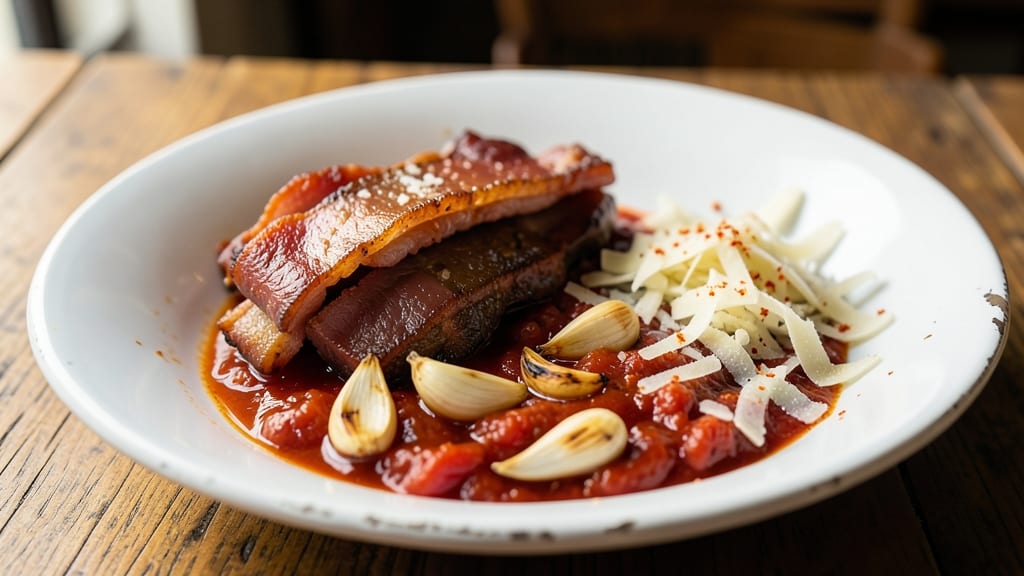
Here’s the all Amatriciana sauce recipe you’ve been craving—this bold, umami-packed version captures the smoky, tangy essence of Rome’s most iconic pasta. The secret lies in slow-cooked guanciale—cured pork jowl—that infuses the tomatoes with deep, savory notes, balanced by sharp pecorino and a whisper of chili.
I’ve perfected this technique over years of testing, ensuring every spoonful captures the essence of Rome’s most beloved sauce.
The process is straightforward but requires patience: guanciale renders slowly to release its fat, which forms the sauce’s velvety base. Fresh garlic and San Marzano tomatoes build the foundation, while pecorino adds a salty tang that cuts through the richness.
This sauce transforms simple pasta into a restaurant-worthy dish, with layers of flavor that develop the longer it simmers.
What you’ll end up with is a smooth, deeply flavorful sauce that clings to pasta perfectly—no separation, no blandness. The guanciale’s meat dissolves into the sauce, creating a texture that’s both silky and substantial.
Store it for up to 5 days in the fridge or freeze for months, making it ideal for meal prep or gifting.
Use this sauce on tonnarelli or spaghetti, or drizzle it over grilled meats for extra depth. The key is letting it reduce until thick enough to coat the back of a spoon—trust the process, and you’ll achieve professional results at home.
Ingredients for all amatriciana sauce
Nine ingredients transform into Rome’s most iconic sauce—rich, smoky, and deeply flavorful.
| Ingredient | Amount | Notes |
|---|---|---|
| Guanciale 🥓 | 6 oz | Cured pork jowl, diced small |
| San Marzano Tomatoes 🍅 | 28 oz | Canned, whole or crushed |
| Garlic Cloves 🧄 | 4 cloves | Fresh, peeled, thinly sliced |
| Extra-Virgin Olive Oil 🫒 | ¼ cup | High-quality, fruity variety |
| Pecorino Romano Cheese 🧀 | ½ cup | Freshly grated, aged |
| Red Chili Flakes 🌶️ | ½ tsp | Adjust for heat preference |
| Sea Salt 🧂 | 1 tsp | Fine grain preferred |
| Black Pepper 🌶️ | ¼ tsp | Freshly ground |
| White Wine 🍷 | ¼ cup | Dry, like Pinot Grigio |
Guanciale is non-negotiable here—it’s the star. Look for it at Italian specialty stores or well-stocked butcher shops; Costco sometimes carries it too. If you can’t find it, guanciale substitutes like pancetta or thick-cut bacon work in a pinch, but the flavor won’t be quite the same. The San Marzano tomatoes are worth hunting down—their sweetness and consistency make all the difference. Trader Joe’s sells them canned, or grab a few jars at Italian markets. Fresh garlic is a must; dried won’t give you that sweet, mellow punch.
No guanciale? Pancetta or thick-cut bacon can stand in, but render it well to mimic the fat. Using dried tomatoes instead of canned? Soak them first for a deeper flavor. Short on wine? Tomato paste thinned with water works, but the acidity won’t be as bright. The pecorino must be aged—pre-grated tastes like sawdust, so grate your own from a wedge. For extra depth, add a sprig of fresh rosemary while the sauce simmers, then remove it before serving.
This sauce tastes even better the next day as flavors meld. Store in an airtight container in the fridge for up to 5 days, or freeze for 3 months. To reheat, warm gently on the stove with a splash of water to loosen it. I always make extra—it’s perfect for gifting or freezing in ice cube trays for single servings. The key is patience; let it reduce until it coats the back of a spoon, and you’ll get that restaurant-quality texture.
Why You'll Love This Recipe
- No Chopping Needed: I swear by this—just dice the guanciale into bite-sized chunks, toss in whole garlic cloves, and let the heat do the work. The tomatoes crush themselves as they simmer, and the cheese grates in seconds. That’s my kind of cooking.
- Umami Bomb: The guanciale’s fatty richness melts into the San Marzano tomatoes like it was born to be there, while the pecorino adds that sharp, salty punch. Honestly? It’s the kind of sauce where every spoonful makes you pause mid-bite—damn, that’s good.
- Weeknight to Dinner Party: Same sauce, endless uses. Slap it over pasta for a 20-minute dinner, or let it sit overnight for deeper flavor. My college roommate’s first reaction? “This tastes fancy.” (It’s not, but it works.)
- Leftovers That Lie: I make a double batch on Sundays because the second night is even better—tighter, richer, like the sauce knows it’s being appreciated. Freeze half for when you’re too tired to cook, and thaw it straight into a pan. Magic.
Step-by-step instructions for all amatriciana sauce
Here's how to create a rich, umami-packed sauce that clings perfectly to pasta.
Render the Guanciale Until Golden and Crispy
Heat the 0.25 cup extra-virgin olive oil in a heavy-bottomed saucepan over medium-low heat. Add the 6 oz guanciale and cook for 8-10 minutes, stirring occasionally. The guanciale will release fat and shrink as it renders—this is your flavor foundation.
Watch closely as the fat renders out and the guanciale transforms from pale to golden brown. You want it crispy but not burned. Once the fat is shimmering and the guanciale has crisped, remove the pan from heat and let it cool for 2 minutes. Don't drain the fat—it's packed with flavor.
Build the Tomato Base with Garlic and Wine
Return the pan to medium heat and add the 4 cloves sliced garlic cloves. Cook for 30 seconds until fragrant—just enough to wake up the flavors without burning. Add the 0.25 cup white wine and let it simmer for 2 minutes until reduced by half.
Now add the 28 oz San Marzano tomatoes. If using whole tomatoes, crush them lightly with your hands or a wooden spoon. If using crushed tomatoes, stir them in directly. The sauce should bubble gently. Let it cook uncovered for 15-20 minutes until thickened and slightly reduced. Stir occasionally to prevent sticking.
Season and Finish with Pecorino
Reduce heat to low and add the 0.5 tsp red chili flakes, 1 tsp sea salt, and 0.25 tsp black pepper. Stir well to distribute the seasoning evenly. Let the sauce simmer for another 10 minutes to meld all the flavors together.
Here's the moment that matters: sprinkle the 0.5 cup freshly grated pecorino romano cheese over the sauce. Stir continuously for 1-2 minutes until the cheese melts completely and creates a glossy, velvety texture. The sauce should coat the back of a spoon and have a rich, slightly tangy depth. Taste and adjust seasoning if needed—this sauce should sing with umami.
Toss with Pasta and Serve Immediately
Cook your pasta in well-salted boiling water until 1 minute before al dente. Reserve 1 cup pasta water, then drain the pasta. Add the sauce to the hot pasta and toss vigorously to coat each strand. If the sauce seems too thick, add splashes of the reserved pasta water until it reaches your desired consistency.
Serve immediately with extra pecorino romano cheese sprinkled on top. The sauce should cling beautifully to the pasta, delivering layers of salty guanciale, bright tomatoes, and sharp pecorino in every bite. This sauce gets better as it sits, so make it fresh and enjoy it while warm.
Pro Tips For Making All Amatriciana Sauce
- Render Guanciale Slow: DESCRIPTION: I learned this the hard way—don’t rush the guanciale. Cook it on medium-low heat for 20-25 minutes until the fat pools like liquid gold and the meat is crisp but still tender. If you crank the heat, you’ll end up with bitter, burnt edges and a sauce that tastes like regret.
- Crush Garlic Like a Pro: DESCRIPTION: Skip the mincer—use the flat side of your knife to smash the garlic cloves into a paste before cooking. This releases more flavor and prevents it from burning into oblivion. (Yes, even if you’re impatient like me.)
- Simmer, Don’t Boil: DESCRIPTION: After adding tomatoes, keep the heat at a bare simmer—just enough to see tiny bubbles at the edges. Boiling turns the sauce into a watery mess, and you’ll spend the next hour trying to thicken it. Trust the process.
- Grate Pecorino Fresh: DESCRIPTION: Pre-grated cheese is the enemy of amatriciana. Use a fine grater and add the pecorino off the heat—it melts better and keeps the sauce from breaking. (Your future self will thank you.)
Troubleshooting this dish
Sauce Too Thin?
If your sauce isn’t coating the back of a spoon, it needs more reduction time. Simmer uncovered over low heat for an additional 10-15 minutes, stirring occasionally to prevent sticking. The key is patience—thin sauces happen when tomatoes release too much liquid too quickly.
If it’s still too thin after simmering, remove from heat and stir in 1 tbsp tomato paste to thicken it naturally. 💡
Guanciale Not Rendering Properly
If your guanciale isn’t browning or releasing fat, your heat is too low. Increase to medium heat and use a heavy-bottomed pan—like All-Clad or Le Creuset—to distribute heat evenly.
Avoid stirring too much; let it crisp naturally. If it’s burning, reduce heat immediately and add a splash of white wine to deglaze and cool the pan. 🔥
Cheese Not Melting Smoothly
Pre-grated pecorino often clumps because it contains anti-caking agents. Always grate your own cheese using a microplane or fine grater for a silky texture. If it still clumps, whisk the sauce vigorously over low heat for 1-2 extra minutes or add 1 tsp cold water to emulsify it.
Stir constantly to avoid scorching.
Sauce Too Acidic or Sour
San Marzano tomatoes are naturally sweet, but if your sauce tastes overly acidic, balance it with 1 tsp sugar or a pinch of baking soda (just ¼ tsp).
For a deeper umami boost, add 1 tsp fish sauce or ½ tsp soy sauce—it sounds odd, but it works wonders. Taste as you go, and adjust gradually. 🌶️
Burnt Garlic or Guanciale
Garlic burns in 30 seconds—watch it like a hawk! Remove the pan from heat if it starts to brown too quickly. For guanciale, if it’s burning, reduce heat to low and let it render slowly.
If it’s already burnt, remove the pieces and start fresh with fresh guanciale. Burnt flavors ruin the sauce’s delicate balance.
Sauce Separating After Reheating
This happens when fats and liquids separate during storage. To fix it, whisk in 1 tbsp cold water or pasta water while reheating over low heat.
For prevention, store sauce in glass containers (not plastic) and let it cool completely before refrigerating. Stir well before reheating to re-emulsify naturally. ✨
Nutrition facts
Frequently asked questions
Why does traditional Amatriciana sauce use guanciale instead of bacon?
Guanciale delivers a deeper, meatier flavor with a subtle sweetness that bacon can't match. The cured pork jowl renders slowly, creating a rich, velvety fat that builds umami layers. While pancetta or thick-cut bacon work in a pinch, guanciale's unique texture and flavor are irreplaceable for authentic results.
Can I make this sauce without wine? What's the best substitute?
Yes! Use 0.25 cup tomato paste mixed with 0.25 cup water or 0.5 cup chicken stock to replace the wine. The acidity helps balance the tomatoes, though you'll lose some depth. For extra richness, add 1 tsp balsamic vinegar instead. The sauce will still be delicious, just slightly different in profile.
How do I know when the sauce is ready to toss with pasta?
Your sauce is perfect when it coats the back of a spoon smoothly and has reduced to a thick, glossy consistency. It should take about 35-45 minutes of total simmering time. If it's too thick, add splashes of pasta water while tossing. The sauce will continue thickening as it sits, so don't over-reduce it.
What's the best pasta shape for Amatriciana sauce?
Traditionally, tonnarelli (square-cut pasta) or rigatoni work best—their ridges help the sauce cling beautifully. Spaghetti is also perfect if you prefer a classic presentation. Avoid delicate shapes like angel hair, as they can break under the sauce's richness. The key is to cook pasta 1 minute less than package instructions for al dente results.
Can I make this sauce ahead of time? How does reheating work?
This sauce tastes even better the next day! Store in an airtight glass container in the fridge for up to 5 days. To reheat, warm gently on the stove with 1-2 tbsp water to loosen it. For freezing, portion into ice cube trays—perfect for single servings. Thaw overnight in the fridge before reheating. Never microwave, as it can break the sauce's emulsion.