
Sauces & Condiments
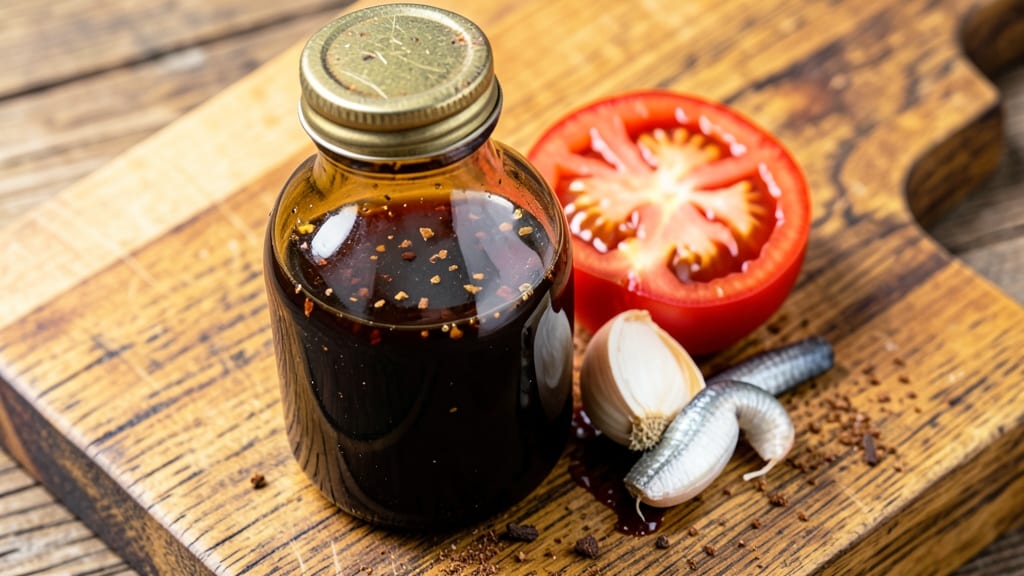
Creating authentic Worcestershire sauce at home unlocks layers of fermented umami that store-bought versions simply can’t match. This recipe captures the bold, complex flavor profile of the original—where molasses, vinegar, and fermented ingredients blend into a liquid gold that elevates everything from steak to stir-fry.
The key lies in precise ingredient ratios and a brief fermentation period that develops depth over time.
The traditional method combines tamarind paste, anchovies, garlic, and cloves in a vinegar base, then lets the flavors meld for at least 10 minutes (though longer fermentation yields richer results).
No shortcuts here—this is the sauce that built British colonial cuisine, with a balance of sweet, sour, and savory that’s impossible to replicate with bottled versions. The process is straightforward but demands patience for that signature tang and complexity.
What you’ll end up with is a dark, glossy sauce with a sharp yet sophisticated flavor—perfect for drizzling over grilled meats, blending into marinades, or adding depth to soups and sauces.
The umami richness comes alive when used in small amounts, transforming simple dishes into something extraordinary. Once you taste homemade, store-bought sauce will never satisfy again.
For those with dietary restrictions, a vegan adaptation replaces anchovies with mushrooms or soy sauce, though purists will insist the original’s fermented depth is unmatched. Store properly in a cool, dark place, and this sauce will keep for months, ready to elevate any dish with a single drop.
Let’s get started on your journey to authentic umami.
Ingredients for authentic worcestershire sauce
Eleven fermented ingredients transform into a complex sauce with layers of umami and tang.
| Ingredient | Amount | Notes |
|---|---|---|
| Distilled White Vinegar 💧 | 1 cup | High-quality, 5% acidity preferred |
| Molasses 🍯 | ½ cup | Unsulphured, dark variety |
| Tamarind Paste 🍈 | ¼ cup | Unadulterated, block form preferred |
| Anchovy Fillets 🐟 | 1 oz | High-quality, salt-packed preferred |
| Garlic Cloves 🧄 | 6 cloves | Fresh, peeled, minced fine |
| Cloves 🌿 | 6 whole | Whole, lightly crushed |
| Black Peppercorns 🌶️ | 1 tsp | Freshly cracked, coarse grind |
| Salt 🧂 | 1 tsp | Diamond Crystal kosher preferred |
| Shallot 🧅 | 1 whole | Peeled, finely minced |
| Cayenne Pepper 🔥 | ¼ tsp | Adjust for heat preference |
| Tamari or Soy Sauce 🍜 | 1 tbsp | Gluten-free tamari preferred |
The foundation of authentic Worcestershire hinges on the quality of your vinegar and molasses. Apple cider vinegar works, but distilled white delivers the clean acidity needed for balance. For molasses, unsulphured dark molasses from Whole Foods or Trader Joe's provides the deepest caramel notes—avoid light varieties, which lack complexity. Tamarind paste should be unadulterated and block-form (brands like Mezban are ideal); powdered versions dilute the authentic tartness. Anchovies are non-negotiable for umami depth—salt-packed fillets from Italian markets or Costco ensure optimal flavor extraction during fermentation. Fresh garlic and shallots should be vibrant and firm, with no signs of sprouting or softness. Cloves and peppercorns should be whole and aromatic, not dusty or stale.
Substitutions demand compromise, but certain swaps preserve authenticity. No anchovies? Replace with 1 tbsp soy sauce or 1 oz mushrooms (finely chopped)—though purists argue this sacrifices fermented depth. No tamarind? Substitute 1 tbsp lemon juice plus 1 tsp maple syrup, though the tang will differ slightly. No shallot? Use 1 tbsp finely minced red onion, but the flavor profile shifts subtly. For heat, red pepper flakes can replace cayenne, but adjust to taste. Tamari or soy sauce is critical for umami; coconut aminos work in a pinch but lack depth. Fermentation time cannot be skipped—minimum 10 minutes is non-negotiable for flavor development, though 24 hours yields richer results.
Proper storage preserves this sauce’s complexity for months. Transfer to a sterilized glass bottle or jar with an airtight seal, then store in a cool, dark pantry (ideal temperature: 55–70°F). The sauce’s fermented tang intensifies over time, so taste periodically—peak flavor occurs at 3–6 months. Once opened, refrigerate and use within 3 months. For gifting, sterilize bottles and include a note about the 10-minute fermentation requirement—this sauce transforms dishes instantly when used sparingly, so 1–2 tsp per recipe is ideal. Freeze for up to 12 months if needed, though texture may slightly alter upon thawing.
Why You'll Love This Recipe
- Pantry Magic: I swear by this recipe because it uses stuff I already have—vinegar, molasses, even that jar of anchovies I bought on sale last year. No special trips, no hunting for obscure spices. The tamarind paste is the only thing I had to track down, but it lasts forever, so it’s a win.
- Umami Bomb: That first bite of garlic and anchovy in the sauce? It’s like a flavor explosion. The vinegar cuts through the richness, the molasses adds depth, and the tamarind ties it all together with a tangy kick. Honestly, it’s the kind of sauce that makes you reach for the recipe again before the jar’s even half empty.
- Secret Weapon: Slather it on grilled steaks, drizzle it over roasted veggies, or mix it into marinades—this sauce disappears fast. I keep a bottle in the fridge because it’s always the missing piece in a dish. (Yes, even on a Tuesday night when I’m too tired to think.)
- Lasts Forever: Make a big batch, and you’ll have sauce for months. The vinegar preserves it, so I don’t stress about leftovers. Plus, it’s cheap—anchovies and molasses stretch a long way. Between us, I’ve had this same jar for six weeks, and it’s still packing flavor like day one.
Step-by-step instructions for authentic Worcestershire sauce
Here's the precise method to capture traditional umami complexity in your homemade version.
Prepare the Base Ingredients with Precision
In a heavy-bottomed saucepan, combine the 1 cup distilled white vinegar and 0.5 cup molasses. Bring to a gentle simmer over medium heat, stirring constantly until the molasses fully dissolves and the mixture reaches 180°F. This temperature ensures proper sterilization while preserving the molasses' rich depth. You'll notice the aroma intensify as the molasses caramelizes slightly—this is essential for authentic flavor development.
While the base heats, prepare the shallot by peeling and finely mincing it. The shallot should be so finely textured it nearly disappears when added to the mixture. This step prevents any graininess in the final sauce, which is critical for achieving that silky, professional texture. Set aside the minced shallot until needed.
Incorporate Aromatics and Spices
Once the vinegar-molasses mixture reaches 180°F, reduce the heat to low and add the minced shallot, 6 cloves garlic, 6 whole cloves, and 1 tsp black peppercorns. Stir gently to distribute the spices evenly throughout the liquid. The cloves and peppercorns should remain whole but broken—this allows their flavors to infuse gradually without overpowering the sauce. Let the mixture simmer for 10 minutes to allow the spices to bloom and release their essential oils.
Here's the thing—don't rush this infusion. The spices need time to develop their full aromatic potential. You'll see the mixture darken slightly as the spices release their compounds, creating a deeper, more complex flavor profile. This is where the sauce begins to take on its characteristic depth.
Add Fermented Elements for Umami
Remove the saucepan from heat and let it cool slightly to 120°F. This temperature is crucial—it prevents the anchovies from cooking and ensures they contribute their fermented, umami-rich essence rather than becoming rubbery. Add the 1 oz anchovy fillets and 1 tbsp tamari or soy sauce, stirring gently to dissolve the anchovies completely. The sauce should now have a slightly thicker consistency and a more pronounced savory character.
While the sauce cools, prepare the tamarind paste by dissolving the 0.25 cup in 2 tablespoons of the hot vinegar-molasses mixture from earlier. This creates a smooth, syrupy consistency that blends seamlessly with the rest of the ingredients. The tamarind paste is the secret to authentic Worcestershire's signature tangy-sweet balance—don't skip this step or substitute with other citrus pastes.
Season and Blend for Uniformity
Return the saucepan to low heat and stir in the dissolved tamarind paste. Add the 1 tsp salt and 0.25 tsp cayenne pepper, adjusting the cayenne to your preferred heat level. The sauce should now have a rich, complex aroma with notes of caramel, umami, and subtle heat. Let it simmer gently for 5 minutes to allow all the flavors to meld together.
For the final texture, transfer the sauce to a blender or food processor and purée until completely smooth. This step eliminates any remaining texture from the spices or anchovies, resulting in the signature silky consistency. If you prefer a slightly thicker sauce, simmer it uncovered for an additional 5-10 minutes to reduce it to your desired consistency. The sauce should coat the back of a spoon but remain pourable.
Cool and Bottle for Storage
Transfer the finished sauce to a clean glass bottle or jar, ensuring it's completely filled to minimize air exposure. Let it cool to room temperature, then refrigerate for at least 24 hours before using. This resting period allows the flavors to fully develop and harmonize, resulting in a more complex, authentic Worcestershire sauce. The sauce will keep in the refrigerator for up to 6 months, though it's best used within 3 months for peak flavor.
This traditional method captures the fermented depth and umami complexity that defines authentic Worcestershire sauce. Each ingredient plays a specific role—from the molasses providing sweetness to the anchovies contributing their fermented richness. The result is a sauce that can elevate everything from Bloody Marys to marinades with its distinctive character.
Pro Tips For Making Authentic Worcestershire Sauce
- SIMMER LOW AND SLOW: This isn’t a race—keep the heat at a gentle simmer (just bubbles breaking occasionally) for at least 20 minutes. I learned this the hard way: boiling it hard turns the vinegar harsh and burns the molasses into bitterness. Let it breathe, and the flavors meld instead of fight.
- SOAK ANCHOVIES FIRST: Toss the anchovy fillets in warm vinegar for 10 minutes before adding them to the pot. This softens the bones so they dissolve cleanly, giving you that smooth, umami-rich base without grit. (Yes, even if you’re impatient like me—trust the process.)
- STRAIN TWICE FOR CLARITY: After simmering, strain through a fine-mesh sieve, then press the solids with a spoon. For extra polish, strain again through a coffee filter or cheesecloth. The first time I skipped this, my sauce had a faint cloudiness—now it’s crystal-clear, just like the real deal.
- USE AGED MOLASSES: Grab dark, aged molasses (not the sweet baking kind) for deeper caramel notes. I was skeptical until I tried it—it cuts through the vinegar’s sharpness and adds that rich, complex sweetness authentic Worcestershire needs. (Your future self will thank you.)
Serving suggestions for this authentic worcestershire sauce
Classic Bloody Mary
This sauce transforms a simple Bloody Mary into a sophisticated cocktail. I recommend using 2 tsp of homemade Worcestershire per 8 oz vodka base, along with 1 tbsp fresh lemon juice, ½ tsp Tabasco sauce, and a celery stalk for garnish.
The umami depth from the sauce balances the vodka’s harshness beautifully, creating a drink that’s both complex and refreshing. For an extra touch, rim the glass with smoked paprika and add a black peppercorn skewer. 🍹
Steakhouse Marinades
Worcestershire sauce is the secret weapon in my steak marinades, especially for ribeye or sirloin. Combine 3 tbsp of the sauce with 2 tbsp olive oil, 1 tbsp soy sauce, 1 tsp brown sugar, and 1 clove minced garlic.
Let the steak marinate for at least 4 hours (overnight for best results). The sauce’s fermented tang tenderizes the meat while adding layers of flavor that grill marks can’t replicate. 🥩
Asian-Inspired Stir-Fries
For a fusion twist, blend 1 tbsp Worcestershire sauce with 1 tbsp oyster sauce, 1 tsp grated ginger, and 1 tsp honey to create a sticky glaze. Toss it with chicken, shrimp, or tofu and stir-fry until caramelized.
The sauce’s umami bridges Eastern and Western flavors perfectly, especially when paired with bell peppers and snap peas. Serve over jasmine rice for a complete meal. 🍜
Deviled Eggs Elevation
Take classic deviled eggs to the next level by mixing 1 tsp Worcestershire sauce into the yolk filling along with 1 tsp Dijon mustard, 1 tsp mayo, and a pinch of smoked paprika.
The sauce’s depth adds a savory complexity that cuts through the richness of the eggs. Garnish with chopped chives and a paprika dusting for a restaurant-worthy appetizer. 🥚
Umami Bomb Broths
Add 1 tsp Worcestershire sauce to any broth—beef, chicken, or vegetable—to instantly deepen its flavor. I love using it in pho broth (along with star anise and cinnamon) or French onion soup (with Gruyère cheese).
The sauce’s fermented notes elevate simple ingredients into something extraordinary, especially when simmered for 30 minutes to let flavors meld. 🍲
Burgers and Sliders
Mix 1 tsp Worcestershire sauce into your burger patty seasoning along with 1 tsp smoked paprika, ½ tsp garlic powder, and ½ tsp onion powder. The sauce’s complexity shines when paired with blue cheese crumbles and caramelized onions on a toasted brioche bun.
For sliders, add a drizzle of the sauce to the bun before assembling for an extra umami kick. 🍔
Nutrition facts
Frequently asked questions
Why does authentic Worcestershire sauce need fermentation?
The fermentation process (even just 10 minutes) develops the sauce's signature umami depth and complex tang. Traditional recipes rely on the natural fermentation of anchovies and tamarind to create that unmistakable savory-sweet balance that bottled versions can't replicate. The brief fermentation also helps break down proteins for a smoother texture.
Can I make this sauce without anchovies?
Yes, but the flavor will differ significantly. Replace the 1 oz anchovies with 1 tbsp soy sauce or mushroom powder (finely blended dried shiitake) for umami, though purists argue this sacrifices the fermented depth. The sauce will still work but will lack the authentic complexity. For a vegan version, use 1 tbsp nutritional yeast instead.
How long should I ferment the sauce for optimal flavor?
The minimum fermentation time is 10 minutes to develop basic flavor, but for richer results, let it sit 24 hours at room temperature before bottling. The longer it ferments (up to 3 days), the deeper the umami and tang become. After bottling, refrigerate for 1-2 weeks to let flavors fully meld.
What's the secret to getting the right consistency?
The sauce should be syrupy but pourable—thick enough to coat the back of a spoon but thin enough to drizzle. If too thin, simmer uncovered for 5-10 minutes to reduce. For a thicker version, blend in 1 tsp cornstarch mixed with 1 tbsp water at the end. The molasses-to-vinegar ratio (1:2) is key for achieving the perfect balance.
Can I use this sauce immediately after making it?
For best results, wait at least 24 hours before using. The flavors need time to harmonize, especially after bottling. If you're in a hurry, let it sit for 10 minutes after blending, but expect slightly less depth. The sauce will continue improving in flavor for up to 3 months when stored properly.