
Sauces & Condiments
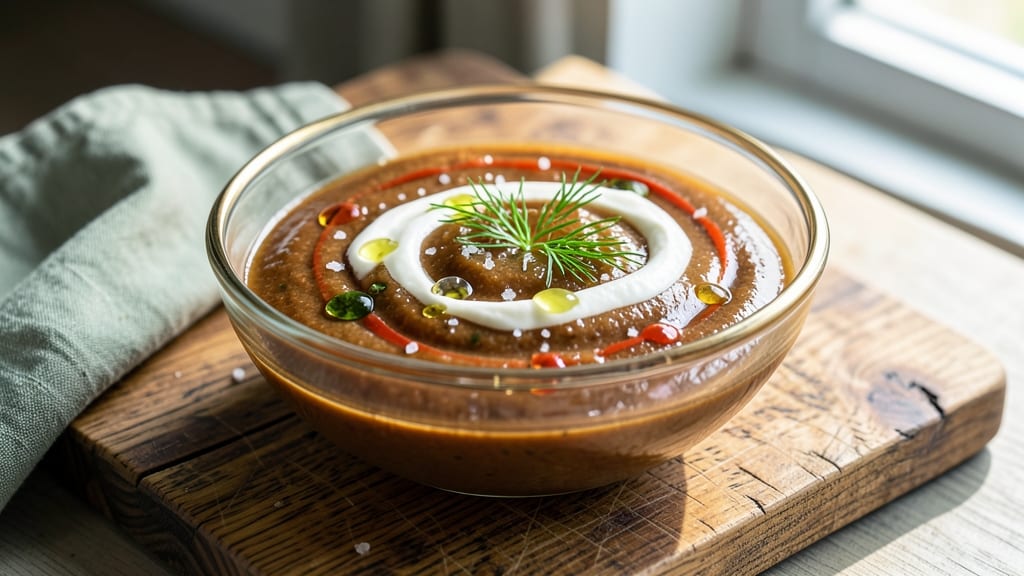
Creating Alton Brown's horseradish sauce transforms a simple pantry staple into a bold, creamy condiment that adds sharp, tangy heat to any dish. This recipe delivers the signature balance of spicy horseradish, rich creaminess, and bright acidity that elevates everything from roast beef to deviled eggs.
The secret lies in precise measurements and proper preparation—no shortcuts here, just restaurant-quality results.
What sets this sauce apart is its creamy texture, achieved through a smooth blend of horseradish, sour cream, and a touch of sugar to balance the bite. The vinegar and lemon juice add brightness, while freshly grated horseradish ensures maximum heat without bitterness.
Unlike store-bought versions, this recipe lets you control the spice level, making it adaptable to any taste preference.
Once mixed, this sauce keeps beautifully in the refrigerator for up to two weeks, making it perfect for meal prep or gifting. The versatility is its greatest strength—drizzle it over steak, mix it into dressings, or serve it as a dip with crackers.
Every bite delivers that signature creamy kick that makes it indispensable in any kitchen.
For those who love horseradish but want to dial back the heat, simply reduce the amount of fresh horseradish or substitute with prepared horseradish. The sauce also freezes well, so you can always have a batch ready for unexpected guests. Let’s get started on this crowd-pleasing condiment!
Ingredients for alton brown horseradish sauce
Pantry staples meet bold flavor—this horseradish sauce delivers restaurant-quality creaminess and heat with just nine ingredients.
| Ingredient | Amount | Notes |
|---|---|---|
| Fresh Horseradish Root 🌶️ | ½ lb | Freshly grated, medium heat preferred |
| Sour Cream 🥛 | 1 cup | Full-fat for optimal creaminess |
| Extra-Virgin Olive Oil 🫒 | ¼ cup | High-quality, fruity variety |
| White Vinegar 💧 | ¼ cup | Distilled preferred for balance |
| Granulated Sugar 🍚 | 1 tbsp | White or light brown |
| Fresh Lemon Juice 🍋 | 1 tbsp | From ripe, juicy lemons |
| Diamond Crystal Kosher Salt 🧂 | ½ tsp | Fine grain preferred |
| Freshly Ground Black Pepper 🌶️ | ¼ tsp | Coarse grind for texture |
| Prepared Horseradish Sauce 🥫 | ¼ cup | For milder heat option |
The horseradish root is the heart of this sauce, so choose a fresh, firm root with no soft spots. Whole Foods or specialty markets typically carry the best quality, but any well-stocked grocery store will have it. If using prepared horseradish as a substitute, opt for a brand like French's—it's the closest to fresh in texture and heat. Grate the root yourself for maximum potency; pre-grated horseradish loses its sharpness quickly. For the sour cream, full-fat is non-negotiable—it ensures that signature creamy texture that sets this sauce apart from store-bought versions.
No fresh horseradish root? Prepared horseradish sauce works in a pinch, though you'll need to reduce the amount by half to avoid overpowering bitterness. The white vinegar can be swapped for apple cider vinegar if you prefer a slightly sweeter tang, but distilled vinegar maintains the classic sharpness. If you're sensitive to heat, omit the fresh horseradish entirely and rely on the prepared version or reduce it to 2 tablespoons. The sugar balances the heat, so if you prefer a sharper sauce, cut it to 1 teaspoon. For extra brightness, add a splash of lemon zest along with the juice.
This sauce thickens as it chills, so cover and refrigerate immediately after mixing. It keeps for up to two weeks in an airtight container, making it perfect for meal prep. For longer storage, portion into ice cube trays and freeze—each cube is perfect for a single use. If the sauce separates, simply whisk vigorously before serving. The flavor actually improves over time, so don't hesitate to make a batch ahead for holiday gatherings or game day spreads.
Why You'll Love This Recipe
- Here’s what sold me: that first bite of spicy kick, then the cool, velvety sour cream. The vinegar brightens it up while the sugar rounds out the edge. It’s not just horseradish—it’s a full flavor party where nothing overpowers the other.
- Five-Ingredient Magic: I swear by this—just horseradish, sour cream, olive oil, vinegar, and sugar. That’s it. No fancy gadgets, no last-minute grocery runs. Grate the root, mix, and let it sit. Honestly, it’s the kind of recipe that makes me feel like I actually cooked something.
- Heat Meets Cream: Here’s what sold me: that first bite of spicy kick, then the cool, velvety sour cream. The vinegar brightens it up while the sugar rounds out the edge. It’s not just horseradish—it’s a full flavor party where nothing overpowers the other.
- Game for Any Plate: Slather it on smoked salmon, stir it into deviled eggs, or drizzle it over roasted potatoes. I’ve even used it as a dip for fries when I’m craving something punchy. Between us, it’s the secret weapon I keep in my fridge for lazy nights or fancy dinner guests.
Step-by-step instructions for Alton Brown's horseradish sauce
Here's how to craft a velvety, heat-balanced horseradish sauce using precise techniques.
Grate the Fresh Horseradish Root
Peel the 0.5 lb fresh horseradish root using a vegetable peeler, removing all skin and fibrous core. I prefer a fine grater for maximum surface area—this ensures even heat distribution and a smoother texture. Work in batches if needed, as horseradish releases volatile oils that can irritate eyes and skin. Wear gloves if sensitive.
Transfer the grated horseradish immediately to a non-reactive bowl. The enzyme myrosinase in horseradish begins converting sinusin to allyl isothiocyanate (the compound that creates heat) as soon as it's cut. This reaction intensifies over time, so we'll neutralize it with acid before proceeding. Cover the bowl and let it sit at room temperature for 5 minutes—this allows the enzymes to activate fully for consistent heat development.
Create the Acid Base
In a separate medium bowl, whisk together the 0.25 cup white vinegar, 1 tbsp granulated sugar, and 1 tbsp fresh lemon juice. This acid mixture serves two purposes: it neutralizes the horseradish's heat enzymes and creates a stable emulsion with the sour cream. The sugar also helps balance the sharpness of the horseradish and vinegar.
Add the 0.25 cup prepared horseradish sauce to the acid mixture and whisk until fully combined. This pre-mixed sauce provides a milder heat foundation while maintaining the signature horseradish flavor. The combination should be smooth with no visible streaks—this ensures even distribution when we incorporate the sour cream later.
Emulsify with Sour Cream
Gently fold the grated horseradish into the acid mixture using a rubber spatula, working in small batches to prevent overflow. The texture should resemble coarse wet sand. In a separate bowl, whisk the 1 cup sour cream until smooth—this helps create a stable emulsion when combined.
With the mixer on low speed, slowly pour the sour cream into the horseradish-acid mixture while continuing to whisk. This gradual incorporation prevents the sauce from breaking. After all the sour cream is added, increase speed to medium and whip for 1-2 minutes until the mixture thickens and becomes uniformly creamy. The sauce should coat the back of a spoon with a velvety consistency.
Finish with Olive Oil and Seasonings
Remove the bowl from the mixer and stir in the 0.25 cup extra-virgin olive oil using a silicone spatula. The oil adds richness and helps stabilize the emulsion against heat separation. Add the 0.5 tsp diamond crystal kosher salt and 0.25 tsp freshly ground black pepper, mixing gently to distribute evenly.
Taste and adjust the balance: if the sauce is too sharp, add a pinch more sugar; if too mild, incorporate an additional 1-2 tbsp grated fresh horseradish. The final texture should be smooth with a slight sheen from the olive oil, and the heat should build gradually rather than hit all at once. Transfer to a clean jar and refrigerate for at least 1 hour before serving to allow flavors to meld completely.
Pro Tips For Making Alton Brown Horseradish Sauce
- GRATE IT FINE: Fresh horseradish loses its kick when chopped—use a box grater or food processor for a smooth, potent texture. I learned this the hard way after my first batch tasted like mild wasabi.
- PEEL THE ROOT FIRST: Skip the peeling step if your horseradish root is young and firm—just scrub it clean under running water. Older, tougher roots? Peel first, but don’t waste time on the fibrous ends.
- THIN THE SOUR CREAM: Mix the sour cream into the horseradish last—it thickens fast. Start with half the amount called for, then add more if needed. I used to overdo it and end up with a lumpier sauce.
- ACIDIFY GRADUALLY: Add the vinegar slowly while tasting—too much and the sauce turns sharp. Stop when the tang balances the horseradish’s heat, not when you’ve dumped it all in. (Yes, even if you’re impatient like me.)
Dietary considerations for this alton brown horseradish sauce
Gluten-Free Adaptation
This horseradish sauce is naturally gluten-free, but always double-check your ingredients since cross-contamination can occur. The Diamond Crystal kosher salt and granulated sugar are typically gluten-free, but brands like Morton sometimes contain anti-caking agents with gluten.
For absolute safety, use certified gluten-free vinegar and prepared horseradish sauce like French's Gluten-Free if substituting. The fresh horseradish root itself is gluten-free, so no modifications are needed there. 🌾
Dairy-Free Version
To make this sauce dairy-free, replace the 1 cup sour cream with 1 cup full-fat coconut yogurt or cashew cream (blend 1 cup soaked cashews with ½ cup water until smooth). The coconut yogurt provides a tangy creaminess similar to sour cream, though it may be slightly lighter in texture.
For extra richness, add 1 tbsp melted coconut oil instead of olive oil. Taste as you go—the dairy-free version often needs a touch more sugar to balance the acidity. 🥥
Low-Fat Option
For a lighter version, use low-fat sour cream (though texture will be less creamy) or Greek yogurt as a substitute. Reduce the olive oil to 2 tablespoons to compensate for the lower fat content.
The sauce will still deliver that signature kick but with fewer calories. Keep in mind that low-fat dairy products can separate more easily, so whisk vigorously before serving. 💪
Vegan Alternative
Create a vegan version by replacing the sour cream with 1 cup silken tofu blended until smooth or 1 cup vegan sour cream (like Tofutti). Add 1 tbsp nutritional yeast for a cheesy depth.
The olive oil remains essential for stability, but you may need to add 1 tsp xanthan gum to prevent separation. For extra tang, increase the lemon juice to 2 tablespoons. This version works beautifully as a dip or marinade. 🌱
Heat Adjustments
Want to control the spice level? For milder heat, reduce the fresh horseradish to ¼ lb or omit it entirely, relying solely on the prepared horseradish sauce. For extra fieriness, add ½ teaspoon cayenne pepper or a dash of hot sauce (like Cholula).
I recommend starting with the full 0.5 lb of fresh horseradish for that authentic Alton Brown heat—then adjust to taste. 🌶️
Allergen-Friendly Tips
If someone in your household has a horseradish allergy, substitute with wasabi paste (start with 1 tablespoon and adjust for heat preference). For those avoiding nightshades, ensure your vinegar is nightshade-free (some brands use tomato-based vinegars).
Always label your sauce clearly if making multiple versions, as cross-contamination can still occur in shared kitchens. When in doubt, prepare separate batches. 🚨
Nutrition facts
Frequently asked questions
Why does Alton Brown's recipe use both fresh and prepared horseradish?
The fresh horseradish delivers that signature sharp, fiery kick while the prepared version adds depth and prevents the sauce from becoming too intense. The combination ensures a balanced heat profile that's creamy yet complex. Plus, the prepared horseradish helps stabilize the emulsion when mixed with sour cream.
Can I make this sauce without fresh horseradish?
For a milder version, use 1 cup prepared horseradish sauce instead of the fresh root. You may need to reduce the sugar slightly since prepared horseradish is less sharp. The texture will be smoother but still deliver that signature tangy heat. Just whisk well before serving to maintain creaminess.
How do I prevent my horseradish sauce from separating?
Emulsify the sauce properly by slowly whisking the sour cream into the horseradish mixture on low speed. The olive oil helps stabilize the emulsion, so don't skip it. If separation occurs, whisk vigorously or blend briefly before serving. For extra insurance, chill the sauce for at least 1 hour before using—this helps the ingredients fully integrate.
What's the best way to store leftover sauce?
Transfer the sauce to an airtight container and refrigerate for up to 2 weeks. For longer storage, portion into ice cube trays and freeze—each cube is perfect for a single use. The flavor actually improves over time, so don't hesitate to make a batch ahead for holiday gatherings. Label clearly with the date to track freshness.
Can I adjust the heat level for picky eaters?
Start with ¼ lb fresh horseradish instead of 0.5 lb for milder heat, or use only prepared horseradish. For extra control, blend in a small amount of plain yogurt to dilute the spice. The sauce can always be made hotter later by adding more fresh horseradish, but you can't take heat out once it's in!