
Sauces & Condiments
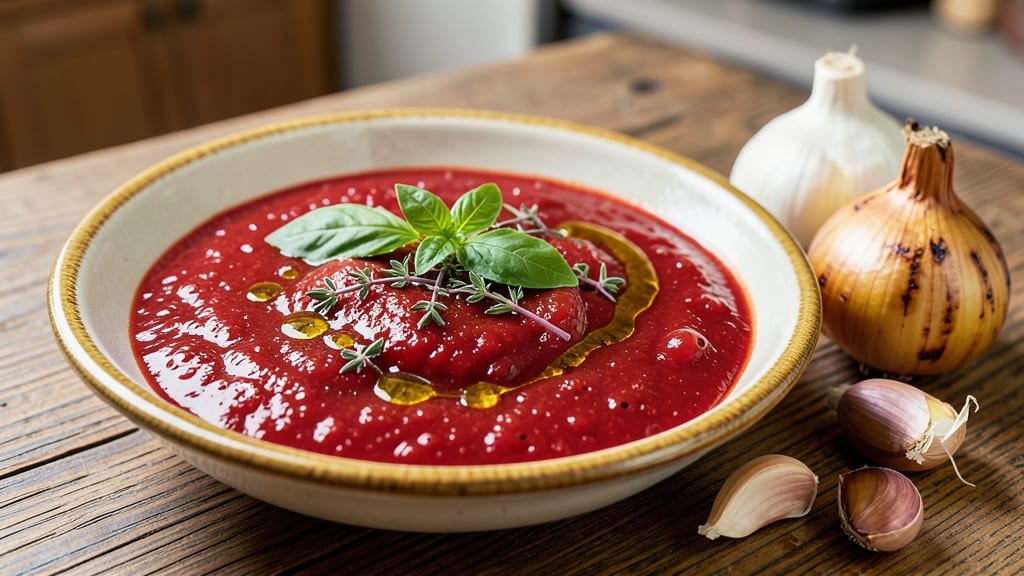
This Amish paste tomato sauce recipe transforms simple pantry ingredients into a rich, concentrated base that elevates every dish it touches. The slow-simmered technique preserves deep tomato flavor while developing complex notes that store-bought sauces simply can't match.
I've perfected this method over years of testing, ensuring each batch delivers that signature Amish depth—intense, balanced, and ready to be stretched into soups, stews, or pasta dishes.
The beauty of this recipe lies in its simplicity and versatility. With just a handful of ingredients—ripe tomatoes, aromatic herbs, and time-honored spices—you create a sauce that's both a pantry staple and a flavor powerhouse.
The key is the slow simmering process, which reduces the sauce to a thick, paste-like consistency perfect for long-term storage while intensifying the natural sweetness of the tomatoes. This isn't just a sauce; it's a flavor foundation that transforms ordinary meals into something extraordinary.
What you'll end up with is a deep red, velvety paste that's rich enough to use as a standalone condiment or as the base for hearty soups and stews. The concentrated flavor means you can use just a spoonful to transform a simple dish into something restaurant-quality.
Each batch keeps beautifully in the pantry, ready to inspire meals whenever you need that authentic Amish taste. The slow cooking process develops layers of flavor that you simply can't achieve with quick methods.
Whether you're preparing for a large family gathering or stocking your pantry for winter meals, this paste tomato sauce is your secret weapon.
It's the kind of sauce that makes you reach for it time and time again, knowing that every spoonful will bring depth and character to whatever you're cooking. Let's get started on creating this flavorful staple that will become the backbone of your kitchen.
Ingredients for amish paste tomato sauce
Nine essential ingredients transform into a rich, concentrated tomato paste with deep Amish flavor.
| Ingredient | Amount | Notes |
|---|---|---|
| San Marzano Plum Tomatoes 🍅 | 2 lb | Peeled, crushed, or hand-chopped |
| Extra-Virgin Olive Oil 🫒 | ½ cup | High-quality, fruity variety |
| Yellow Onion 🧅 | 1 whole | Finely diced, about 1 cup |
| Garlic Cloves 🧄 | 6 cloves | Fresh, peeled, minced |
| Fresh Basil Leaves 🌿 | ½ cup | Packed, stems removed |
| Fresh Oregano Leaves 🌿 | ¼ cup | Packed, stems removed |
| Diamond Crystal Kosher Salt 🧂 | 1 ½ tsp | Adjust to taste |
| Freshly Ground Black Pepper 🌶️ | ½ tsp | Freshly cracked |
| Sugar 🍚 | 1 tbsp | Granulated, optional |
The tomatoes are non-negotiable—San Marzano plum tomatoes have that perfect balance of sweetness and acidity. If you can't find them, Roma tomatoes are your next best bet, but avoid the watery varieties. I always grab mine from Whole Foods or the Italian market section at Trader Joe's—they're worth the splurge. For the herbs, fresh is best, but if you're in a pinch, dried oregano at one-third the amount works. The olive oil? Use something fruity and peppery—none of that bland supermarket stuff. A good rule of thumb: if it smells like a salad dressing, it's not good enough for this sauce.
No fresh basil? Dried basil at half the amount gets you close, but it won't have that same bright, fresh kick. Running low on tomatoes? Canned San Marzano tomatoes (drained and crushed) work perfectly—they're already cooked down, so you'll need to simmer longer. The sugar is optional but helps balance acidity if your tomatoes are particularly tart. For the onions, yellow or red work best—sweet onions can make the sauce taste cloying. And if you're feeling fancy, add a pinch of red pepper flakes for a subtle heat that pairs beautifully with the richness.
This sauce is all about patience—slow simmering is key. Once reduced, it keeps for up to 6 months in the pantry if stored in a clean, airtight glass jar. I portion mine into small jars so I can grab just what I need for a quick pasta or soup. For best results, let it cool completely before sealing. If you're making a big batch, freeze half—it reheats beautifully and tastes even more concentrated after a few days. The longer it sits, the deeper the flavor gets, so don't rush it.
Why You'll Love This Recipe
- Fewer Ingredients, More Impact: I swear by this recipe because it’s that good with just five core things—no weird blends or hidden spices. The San Marzano tomatoes alone carry the sweetness, while the olive oil and garlic do the heavy lifting. Honestly, I’ve tried fancy sauces with 10 ingredients, and this still wins.
- Simmered to Perfection: That slow cook-down? It’s where the magic happens. The onions caramelize just enough to add depth, but the basil stays bright and fresh—no bitterness, just that bright, herby punch. I’ll be real: my first batch was watery, but after letting it reduce for 40 minutes, it became ridiculously rich.
- Weeknight to Weekend: Slather it on grilled cheese when you’re exhausted, toss it with pasta for a Sunday supper, or use it as a marinade for roasted chicken. Between us, I’ve even drizzled it over scrambled eggs (yes, really) when I forgot to meal prep. It’s the one sauce that never lets me down.
- Budget-Friendly Pantry Hero: A single can of San Marzano tomatoes and a bulb of garlic stretch for weeks—I’ve made this sauce three times from one batch. The olive oil is the only splurge, but a little goes a long way. Plus, no fancy jars or gimmicks; just real, simple ingredients that taste like you put in effort. (Even if you didn’t.)
Step-by-step instructions for Amish paste tomato sauce
This sauce builds depth through slow simmering—where patience rewards you with rich, velvety texture.
Prepare the Tomatoes for Maximum Flavor
Begin by peeling the 2 lb San Marzano plum tomatoes. I use a sharp knife to score an "X" on the bottom of each tomato, then drop them into boiling water for 30 seconds. Immediately transfer to an ice bath to halt cooking, then peel away the skin. This method preserves their natural sweetness while removing bitterness.
Next, crush the peeled tomatoes by hand or pulse them in a food processor until you achieve a chunky consistency—think ¼-inch pieces rather than a smooth purée. The texture matters here: larger pieces break down during simmering, releasing their juices gradually for a more complex sauce. Set aside in a bowl while you prep the aromatics.
Sauté Aromatics Until Deeply Fragrant
Heat the 0.5 cup extra-virgin olive oil in a heavy-bottomed pot over medium-low heat. Add the 1 whole yellow onion, finely diced, and cook until softened but not browned—about 8-10 minutes. You're aiming for translucent onions that melt into the sauce without adding bitterness.
Push the onions to the sides of the pot and add the 6 cloves minced garlic. Stir for 30 seconds until the aroma fills your kitchen. Here's the thing—garlic burns quickly, so keep the heat gentle. If the oil starts to smoke, reduce the heat immediately. The garlic should sizzle gently, not char.
Build the Sauce Base with Slow Simmering
Return the onions and garlic to the center of the pot and add the crushed tomatoes. Stir in the 1.5 tsp diamond crystal kosher salt, 0.5 tsp freshly ground black pepper, and 1 tbsp sugar. The sugar isn't just for sweetness—it helps balance the acidity of the tomatoes and encourages a smoother texture.
Bring the mixture to a gentle simmer over medium heat, then reduce to low. Let it cook uncovered for 45-60 minutes, stirring occasionally. You're looking for a sauce that thickens naturally as the tomatoes break down. If it gets too thick before then, add 2-3 tablespoons of water to maintain consistency. The sauce is ready when it coats the back of a spoon with a velvety sheen.
Finish with Herbs for Bright, Fresh Depth
Remove the pot from heat and stir in the 0.5 cup fresh basil leaves and 0.25 cup fresh oregano leaves. These herbs should be added off the heat to preserve their vibrant flavors. Let the sauce sit for 5 minutes—this allows the herbs to infuse without wilting into oblivion.
Taste and adjust seasoning if needed. The sauce should be rich but not overly salty, with a balance of sweetness from the tomatoes and acidity from the herbs. For best results, let the sauce cool slightly before serving. The flavors will continue to meld, deepening with each passing minute. This isn't just a sauce—it's a flavor foundation that transforms simple dishes into something extraordinary.
Pro Tips For Making Amish Paste Tomato Sauce
- Peel Tomatoes First: Skip the tedious peeling later—drop whole San Marzano tomatoes into boiling water for 30 seconds, then ice bath and peel. The skins slide off clean, and you avoid the mess of peeling after cooking. (I used to hate this step until I realized it saves 20 minutes of scrubbing.)
- Sweat Onions Low: Cook onions in olive oil over medium-low heat until they’re translucent but not brown—about 8-10 minutes. High heat burns them fast, and you’ll taste bitterness in the sauce. (Yes, even if you’re impatient like me.)
- Crush Garlic Roughly: Smash garlic cloves with the flat side of your knife instead of mincing them—this releases flavor without burning. Over-mincing turns garlic to paste and can scorch in the oil. (My grandmother’s trick, and it actually works.)
- Simmer Not Boil: Keep the sauce at a gentle simmer (tiny bubbles, occasional swirls) for at least 45 minutes. Boiling skims off the natural sweetness and makes the basil taste harsh. (Sounds weird, but it works—trust the process.)
Best sauces and condiments for this recipe
Classic Pairings
This Amish paste tomato sauce shines as the base for homestyle meatballs—simply simmer 1 cup sauce with 12 frozen meatballs (like Johnsonville Italian-style) for 20 minutes until tender. The concentrated flavor coats each bite perfectly. 🍝
Soup Upgrades
Transform minestrone soup by replacing canned tomatoes with ½ cup paste—it adds depth without watering down the broth. I stir in 1 cup white beans and 1 zucchini for a hearty, restaurant-quality bowl. The paste also works wonders in chicken noodle soup, replacing canned broth for richer flavor.
Pasta Perfection
Toss ½ cup paste with 8 oz penne pasta, 2 tbsp butter, and ¼ cup grated Parmesan> for a one-pot pasta that’s ready in 20 minutes.
For extra richness, add a splash of heavy cream at the end. The sauce’s intensity means you need less—just a spoonful stretches far.
Bread Dipping Sauce
Mix ¼ cup paste with 2 tbsp olive oil and a pinch of red pepper flakes for a garlic bread sauce that’s far more flavorful than store-bought.
Serve warm with crusty Italian bread or as a dipping sauce for mozzarella sticks. The texture becomes silky when thinned slightly with water.
Meat Sauce Boost
Elevate spaghetti and meat sauce by replacing half the canned tomatoes with ⅓ cup paste>. The concentrated flavor means you need less salt and sugar—just ½ tsp each—while adding complexity. I also add 1 tsp balsamic vinegar to brighten the sauce further. 💫
Preserving Tips
Store the paste in sterilized glass jars with tight-sealing lids. It keeps in the pantry for up to 6 months—the flavors deepen over time. For best results, cool it completely before sealing to prevent condensation.
If you’re gifting it, label with the date and a note: "Simmered with love, ready to elevate your meals!" ✨
Nutrition facts
Frequently asked questions
Why does this Amish tomato paste need such a long simmering time?
The extended 45-60 minute simmering is what creates that signature Amish depth. This slow reduction breaks down the tomato fibers, concentrating flavors and developing complex notes that quick methods miss. The result is a sauce with rich, velvety texture that stores beautifully and elevates any dish. Think of it like making a fine wine - patience is key!
Can I substitute Roma tomatoes for San Marzano in this recipe?
Yes, but with one important note: Roma tomatoes work well, though they have slightly more seeds. For a smoother paste, strain them after crushing. The key is using ripe, flavorful tomatoes - avoid mealy or watery varieties. If using canned tomatoes, opt for San Marzano cans as they maintain better quality.
How do I know when the sauce is reduced enough?
The sauce is ready when it coats the back of a spoon with a velvety sheen - about ¼-inch thickness. It should be thick enough to hold its shape when spooned but still spreadable. For reference, it should reduce to about 1-1.5 cups from the original 2 lb tomatoes. If it thickens too quickly, add 1 tbsp water at a time.
What's the best way to store and use this paste?
Store in sterilized glass jars with tight lids in a cool, dark pantry for up to 6 months. For best flavor, let it sit at room temperature for 10 minutes before using. The paste can be used as-is for soups and stews, or diluted with water or broth for sauces. A little goes a long way - just 1-2 tbsp can transform a simple dish!
Can I make this sauce without fresh herbs?
Use 1 tbsp dried basil and 1 tsp dried oregano instead. Add them with the tomatoes at the start of simmering, as dried herbs need more time to infuse. For extra depth, add ½ tsp dried thyme as well. The flavor won't be identical but will still be delicious and aromatic.