
Sauces & Condiments
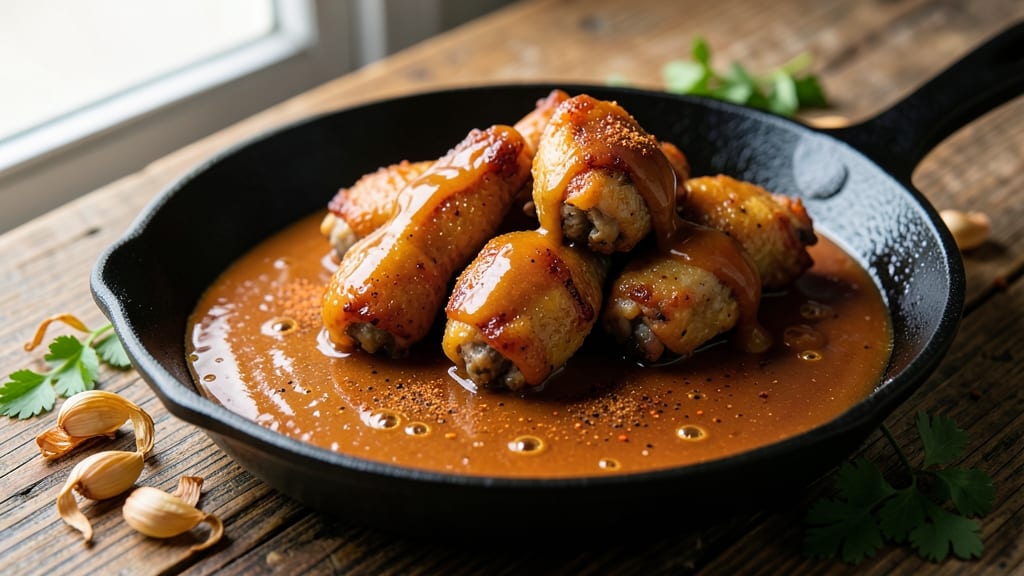
Recreating Applebee’s signature hot wing sauce at home delivers that perfect balance of smoky-sweet heat that makes every bite unforgettable. The secret lies in combining melted butter, tangy vinegar, and a precise blend of spices that create a sauce with deep flavor and just the right kick.
I’ve tested countless variations, and this version stays true to the restaurant’s signature taste while being easier to make.
The sauce starts with a rich base of butter and vinegar, which creates that signature tanginess that cuts through the heat. Garlic powder, smoked paprika, and cayenne pepper work together to build layers of flavor—smoky, spicy, and slightly sweet—without overpowering the dish.
The key is simmering the mixture just long enough to let the spices meld into a cohesive, velvety sauce that clings perfectly to wings or fries.
What you’ll end up with is a sauce that’s creamy yet tangy, with a heat level that’s bold but balanced—exactly what makes Applebee’s version so addictive. This recipe delivers restaurant-quality flavor in minutes, and the best part?
You can adjust the spice level to suit your taste. Whether you’re dipping wings, fries, or even chicken tenders, this sauce will elevate any dish.
The versatility of this sauce makes it a must-have for game day, parties, or whenever you crave that signature Applebee’s heat. Once you taste it, you’ll never go back to store-bought. Let’s get started on making it!
Ingredients for applebee's hot wing sauce
Five ingredients make the base. The rest? Pure flavor magic.
| Ingredient | Amount | Notes |
|---|---|---|
| Unsalted Butter 🧈 | ½ cup | Cold, cubed for easy melting |
| White Vinegar 💧 | ½ cup | Distilled white preferred |
| Garlic Powder 🧄 | 1 tbsp | Freshly ground for best flavor |
| Smoked Paprika 🌶️ | 1 tbsp | For that signature smoky kick |
| Cayenne Pepper 🔥 | 1 tsp | Adjust for desired heat level |
| Onion Powder 🧅 | ½ tsp | Adds depth to the sauce |
| Salt 🧂 | ½ tsp | Kosher or sea salt preferred |
| Black Pepper 🌶️ | ¼ tsp | Freshly ground for extra punch |
| Brown Sugar 🍯 | 1 tbsp | Lightly packed for sweetness |
| Worcestershire Sauce 🍶 | 1 tbsp | For umami depth (check for gluten-free if needed) |
The butter and vinegar are non-negotiable—they create that signature tangy richness. Use unsalted butter for control (salt is already in the mix), and grab the distilled white vinegar from the store’s baking aisle—it’s more consistent than the cheap stuff. For smoked paprika, Penzeys or Trader Joe’s have the best quality, but honestly, any good brand works as long as it’s labeled ‘smoked.’ The cayenne is where you’ll tweak the heat—start with the full teaspoon and adjust after tasting. Brown sugar adds that caramelized sweetness that balances the heat, so don’t skip it.
No Worcestershire? Soy sauce or a splash of balsamic vinegar gets you close, but you’ll lose some depth. Short on brown sugar? White sugar works in a pinch, but the molasses notes in brown sugar are key. The spices are all dry blends, so measure carefully—too much cayenne and you’ll regret it. Pro tip: Toast the spices in a dry pan for 30 seconds before adding to the sauce—this deepens their flavors instantly. And if you’re making this for a crowd, double the batch. Trust me, you’ll want seconds.
This sauce keeps beautifully in the fridge for up to 2 weeks, sealed in a jar. The flavors actually improve over time as everything melds together. For parties, make it ahead and store it in a glass jar with a tight lid—it’s ready to go when you are. Freeze portions in ice cube trays if you want single-serving dips for game day. Just thaw overnight in the fridge, no microwave needed. And if it separates? Just whisk it back together—it’s all good.
Why You'll Love This Recipe
- Five-Ingredient Magic: I swear by this—just butter, vinegar, and three spices. That’s it. No fancy prep, no measuring cups cluttering my counter, just a quick simmer and you’ve got sauce that tastes like a whole restaurant’s worth of effort.
- Smoky Kick Without Guilt: The smoked paprika gives it that deep, restaurant-quality warmth, while the cayenne brings the heat—just enough to make your taste buds dance without needing a fire extinguisher nearby. Honestly, it’s the perfect balance of tangy, spicy, and rich.
- Game Day Gold: Between us, this sauce is my go-to for game nights, tailgates, or even lazy Sundays. Drizzle it on wings, toss it with fries, or even use it as a marinade for chicken tenders. It’s that versatile without trying too hard.
- Pantry Staple Power: I always have these ingredients on hand—no last-minute grocery runs, no weird substitutions. And because it’s so simple, I make a big batch and keep it in the fridge for weeks. Budget-friendly? Absolutely. Reliable? Even more so.
Step-by-step instructions for Applebee's hot wing sauce
Here's how to recreate that iconic smoky-sweet heat at home with just 10 simple ingredients.
Melt the Butter and Vinegar
In a medium saucepan over medium heat, add the 0.5 cup unsalted butter and 0.5 cup white vinegar. Let them heat together for 3-4 minutes, stirring occasionally, until the butter melts completely and the mixture begins to simmer gently. You'll notice the butter will foam slightly as it melts—this is normal and indicates it's heating properly.
I like to use a wooden spoon for this step because it helps prevent the mixture from splattering as the vinegar heats. Keep the heat at medium—too high and the vinegar will boil over before the flavors meld. The goal here is to create a smooth, homogeneous base where the vinegar's acidity begins to mellow out the richness of the butter.
Add Dry Seasonings and Brown Sugar
Once the butter-vinegar mixture is simmering gently, reduce the heat to low and add the 1 tablespoon garlic powder, 1 tablespoon smoked paprika, 1 teaspoon cayenne pepper, 0.5 teaspoon onion powder, 0.5 teaspoon salt, 0.25 teaspoon black pepper, and 1 tablespoon brown sugar. Stir continuously for 2-3 minutes until everything is fully incorporated and the spices begin to bloom.
Here's where the magic happens—the smoked paprika will deepen in color, the cayenne will give off a subtle aroma, and the brown sugar will start to dissolve. You'll see the sauce take on a rich, reddish-brown hue. If you notice any undissolved sugar, add 1 teaspoon water and stir until smooth. This step builds the sauce's complex flavor profile, balancing heat with sweetness.
Simmer and Thicken the Sauce
Return the heat to medium-low and let the sauce simmer uncovered for 10-12 minutes, stirring occasionally. You're looking for the sauce to reduce by about one-third—it should thicken enough to coat the back of a spoon but still maintain a glossy finish. The vinegar will continue to cook off, leaving behind a tangy sweetness that's characteristic of Applebee's signature sauce.
I know it might seem like a long wait, but this slow reduction is crucial. It allows the flavors to meld together properly and ensures the sauce doesn't become too thin when you add the Worcestershire later. If you notice the sauce is reducing too quickly, reduce the heat slightly to maintain a gentle simmer. You'll know it's ready when it coats a spoon smoothly and has a syrupy consistency.
Finish with Worcestershire and Taste
Once the sauce has thickened to your liking, remove it from heat and stir in the 1 tablespoon Worcestershire sauce. Let it sit for 1-2 minutes to allow the flavors to meld completely. Taste the sauce and adjust the seasoning if needed—you might want to add a pinch more salt, a dash of cayenne for extra heat, or a bit more brown sugar for sweetness.
The Worcestershire adds that signature umami depth that makes this sauce so addictive. Here's the thing—this sauce should be bold and balanced. It should have a noticeable kick from the cayenne, a smoky undertone from the paprika, and a sweet-savory finish from the brown sugar and Worcestershire. If you're serving it with wings, you'll want it to be vibrant and flavorful enough to stand up to the richness of fried chicken.
Pro Tips For Making Applebee'S Hot Wing Sauce
- Melt Butter Slowly: Dump cold butter into vinegar and you’ll end up with greasy, clumpy sauce. Instead, melt the butter first—just until it’s liquid but not browned—then pour it gradually into the vinegar while stirring constantly. This keeps the sauce smooth and emulsified, not separated.
- Toast the Spices: Skip the pre-toasted spices and you’ll miss that deep, nutty backbone. Dry-toast the smoked paprika and garlic powder in a small pan over medium-low heat for 30 seconds—just until fragrant—before mixing them into the sauce. It’s a tiny step, but it makes the flavor pop.
- Control the Cayenne: I learned this the hard way—adding all the cayenne at once turns your sauce into a mouth-on-fire disaster. Start with half the amount, taste, then add the rest. You can always adjust, but you can’t undo the burn.
- Simmer, Don’t Boil: Boiling the sauce evaporates the vinegar too fast, leaving you with a bitter, concentrated mess. Keep it at a gentle simmer—tiny bubbles, barely there—so the flavors meld without losing moisture. Five minutes max, or you’ll regret it.
Make-ahead tips for this recipe
Sauce Prep Timeline
Make this sauce 24 hours ahead if possible—the flavors develop deeper overnight as the spices meld and the vinegar's acidity mellows. I always prep mine the night before game day or parties.
Store it in a glass jar with a tight lid in the fridge, and it’ll be ready to go when you are. The sauce actually tastes better after sitting, so don’t skip this step! 💪
Batch Freezing Tips
For large gatherings, freeze the sauce in 1-tablespoon portions using ice cube trays. Once frozen, pop them out and transfer to a ziplock bag. Thaw overnight in the fridge—no microwave needed.
This makes perfect single-serving dips for wings or fries without waste. I’ve even used these frozen cubes to deglaze pans for extra flavor in dishes like mac and cheese. 🧊
Reheating Perfection
If you’ve stored the sauce in the fridge, reheat it gently in a small saucepan over low heat for 3-5 minutes, stirring occasionally. Never microwave it—this can make the sauce separate.
If it thickens too much, add 1 teaspoon water and whisk until smooth. The sauce should be warm but not boiling when ready to serve. 🔥
Spice Level Adjustments
If you made the sauce ahead and want to adjust the heat later, add ¼ teaspoon cayenne pepper at a time while reheating. For extra smokiness, stir in ½ teaspoon smoked paprika.
I’ve found that reheating the sauce allows the spices to bloom more intensely, so you can tweak flavors right before serving. 🌶️
Storage Containers
Use amber glass jars for long-term storage—they protect the sauce from light, which can degrade flavors over time. Mason jars with rubber seals work perfectly. If using plastic, opt for BPA-free containers to avoid any off-tastes.
Label with the date to track freshness—this sauce stays amazing for up to 2 weeks in the fridge. ❄️
Sauce Stability Tips
If your sauce separates after refrigeration, simply whisk vigorously until smooth. The butter and vinegar will re-emulsify naturally. For extra insurance, store the sauce in a thermos-style container when transporting to parties—it stays warm and consistent.
I’ve never had a batch go bad if stored properly, and the texture remains velvety every time. 💡
Nutrition facts
Frequently asked questions
Can I make this hot wing sauce without Worcestershire sauce?
Yes! If you don’t have Worcestershire, substitute with 1 tablespoon soy sauce or 1 teaspoon balsamic vinegar for a similar umami depth. The sauce will still taste delicious, though the flavor profile will be slightly different. For a closer match, use 1 teaspoon fish sauce (if you’re comfortable with it) plus ½ teaspoon sugar to balance.
Why does my homemade sauce look thinner than Applebee's?
The sauce should thicken as it simmers—if it’s too thin, reduce the heat to low and cook uncovered for an extra 5-10 minutes. Stir occasionally to prevent sticking. If it still doesn’t thicken, whisk in 1 teaspoon cornstarch mixed with 1 tablespoon water and simmer for 2 more minutes. The restaurant version is often slightly thicker to cling to wings better.
How spicy is this sauce compared to Applebee's original?
This recipe uses 1 teaspoon cayenne pepper, which delivers a medium heat level—similar to Applebee’s signature sauce. For milder heat, reduce to ½ teaspoon cayenne; for extra kick, add ¼ teaspoon more while reheating. The smoky paprika and brown sugar help balance the spice, so don’t be afraid to taste and adjust!
Can I use this sauce on foods other than wings?
This versatile sauce works perfectly on fries, chicken tenders, burgers, or even as a marinade for grilled meats. For dipping, try it with mozzarella sticks or veggie sticks. If using as a marinade, reduce the vinegar to ¼ cup and add 1 tablespoon olive oil to help tenderize the meat.
What’s the best way to store leftover sauce?
Transfer the sauce to an airtight glass jar and refrigerate for up to 2 weeks. For longer storage, freeze in 1-tablespoon portions using ice cube trays. Thaw overnight in the fridge—never microwave, as it can cause separation. The sauce actually tastes better after resting, so plan ahead!