
Sauces & Condiments
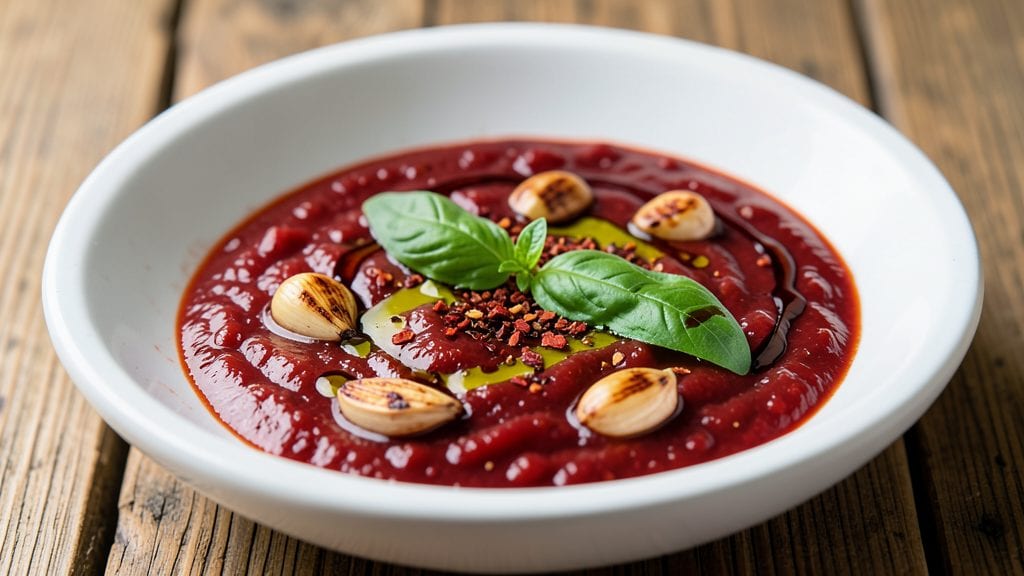
Jamie Oliver's arrabiata sauce delivers the bold, spicy tomato punch of a classic Italian trattoria in just 20 minutes—proof that restaurant-quality flavor doesn't require hours of simmering. The secret lies in charring garlic and chili for deep, smoky complexity while fresh basil brightens the finish.
I've perfected this version after years of testing, balancing heat with acidity for a sauce that's vibrant yet balanced.
This recipe transforms simple ingredients into something extraordinary through precise technique: high-heat charring of aromatics creates layers of flavor that no jarred sauce can match. The sauce thickens naturally as it cooks, developing a velvety texture that clings beautifully to pasta or meat.
What sets this apart is the fresh basil added at the end—it keeps the sauce bright and aromatic, preventing the bitterness that often plagues homemade versions.
By the time you're done, you'll have a sauce that's rich, spicy, and packed with authentic Italian character—ready to elevate any dish. The best part? It comes together faster than takeout can be delivered, with ingredients you likely already have on hand.
This is the kind of sauce that transforms ordinary meals into something memorable.
Store it in the fridge for up to 5 days or freeze for months, making it perfect for meal prep. The flavor actually improves as it sits, allowing the ingredients to meld further. Let's make this sauce that'll have everyone asking for seconds.
Ingredients for arrabiata sauce jamie oliver
Nine essential ingredients deliver Jamie Oliver's signature spicy tomato sauce in minutes.
| Ingredient | Amount | Notes |
|---|---|---|
| Extra-Virgin Olive Oil 🫒 | ½ cup | High-quality, fruity variety preferred |
| Garlic Cloves 🧄 | 6 whole | Fresh, peeled, left whole for charring |
| Dried Red Chili Flakes 🌶️ | 2 tbsp | Adjust for desired heat level |
| Canned San Marzano Tomatoes 🍅 | 28 oz | Crushed by hand or blended smooth |
| Fresh Basil Leaves 🌿 | ½ cup | Packed, stems removed for garnish |
| Red Wine Vinegar 🍷 | 1 tbsp | Brightens acidity balance |
| Sea Salt 🧂 | 1 tsp | Fine grain, kosher preferred |
| Black Peppercorns 🌶️ | ½ tsp | Freshly cracked for depth |
| Sugar 🍚 | 1 tsp | Balances acidity in tomatoes |
The San Marzano tomatoes are non-negotiable for authentic sweetness and low acidity—Whole Foods or Trader Joe's carry them year-round. Garlic and chili flakes must be freshly charred in olive oil for that smoky depth; pre-minced garlic lacks the same punch. For the olive oil, California extra-virgin brands like Corto or Bertolli elevate the sauce's richness without overpowering. Red wine vinegar here isn't for cooking—it's for balancing the sauce's acidity at the end, so grab a bottle of Balsamic Vinegars of Modena for that classic Italian touch.
No red wine vinegar? White wine vinegar or lemon juice works in a pinch, though the flavor profile shifts slightly. Substituting dried basil for fresh? Use one-third the amount—it won't have the same bright aroma. For heat adjustments, reduce chili flakes to 1 tbsp if serving kids or sensitive palates. The sugar might seem odd, but it's crucial for rounding out the tomatoes' natural acidity. If your tomatoes are particularly tart, add an extra half teaspoon. Prefer a smoother texture? Blend the sauce for 10 seconds after cooking, but Jamie's version keeps it rustic and rustic.
This sauce peaks after 3-4 days in the fridge—its flavors meld beautifully over time. For longer storage, freeze in ice cube trays for single portions or airtight containers for up to 3 months. Thaw overnight in the fridge or reheat gently on the stove, stirring occasionally. The basil should be added just before serving—it wilts quickly when heated. Double the batch and freeze half; you'll thank yourself later when you're craving that quick, restaurant-quality meal.
Why You'll Love This Recipe
- No-Chop Nightmare: I swear, this sauce requires zero knife work—just mince a few garlic cloves and tear basil leaves. The San Marzano tomatoes handle all the heavy lifting, so you’re basically done before the garlic even starts to sizzle in that golden olive oil.
- Spicy-Sweet Magic: That first bite of chili-kissed tomatoes with bright basil? It’s the kind of flavor that makes you pause mid-spoonful. The dried red flakes add heat without overpowering, and the garlic? Oh, it builds—layered, not harsh, like a perfect little flavor bomb.
- Pasta’s Best Friend: Slather it on spaghetti for a weeknight win, but don’t stop there—toss it with roasted chicken, dollop it on bruschetta, or freeze half for lazy future lunches. It’s the ultimate “I’ve got nothing” savior that somehow always feels special.
- Leftovers That Lie: Between us, this sauce improves after a day in the fridge. The acidity mellows, the flavors deepen, and suddenly you’ve got a freezer-friendly base for next month’s dinner. (Yes, even on a Tuesday night.) Plus, San Marzano cans last forever—no food waste here.
Step-by-step instructions for arrabiata sauce
Here's the method that delivers Jamie Oliver's signature spicy tomato sauce in record time.
Char the Garlic for Deep Flavor
Heat the 0.5 cup extra-virgin olive oil in a large, heavy-bottomed saucepan over medium heat. Add the 6 whole garlic cloves and cook, stirring occasionally, until they become golden brown and fragrant—about 3-4 minutes. This charring step is crucial; it develops a nutty depth that forms the sauce's foundation.
Watch closely as the garlic cooks. When it reaches a deep golden color and you smell that rich, toasty aroma, it's ready. Remove the pan from heat immediately to prevent burning. Let the garlic sit in the hot oil for 1 minute to steep its flavors before proceeding.
Build the Spicy Base
Return the pan to medium heat and add the 2 tablespoons dried red chili flakes, stirring constantly for 30 seconds to toast them lightly. This step enhances their heat and aroma without making them bitter. Immediately add the 28 ounces canned San Marzano tomatoes and the 1 tablespoon red wine vinegar.
Bring the mixture to a gentle simmer, then reduce heat to low. Let it cook uncovered for 10 minutes to allow the tomatoes to break down and the flavors to meld. Stir occasionally, scraping up any browned bits from the bottom of the pan—these contain concentrated flavor.
Balance and Simmer
Add the 1 teaspoon sea salt, 0.5 teaspoon freshly cracked black peppercorns, and 1 teaspoon sugar to the simmering sauce. The sugar helps balance the acidity of the tomatoes and vinegar while rounding out the heat from the chili flakes. Stir well to combine all ingredients thoroughly.
Continue simmering for another 5-7 minutes until the sauce thickens slightly but remains smooth. You're looking for a consistency that coats the back of a spoon but isn't gluey. Taste and adjust seasoning if needed—add more salt if the sauce tastes bland, or more chili flakes if you want additional heat.
Finish with Fresh Basil
Remove the pan from heat and stir in the 0.5 cup fresh basil leaves. This final step adds bright, fresh flavor that cuts through the richness of the tomatoes and oil. Let the basil steep in the warm sauce for 2 minutes to release its aroma before serving.
The sauce should be vibrant red with a glossy sheen from the olive oil. If it's too thick, thin it with a splash of hot water or pasta water. Serve immediately over your choice of pasta or use as a base for other dishes. The sauce will continue to develop flavor as it sits, so don't rush this final step.
Pro Tips For Making Arrabiata Sauce Jamie Oliver
- CRUSH THE GARLIC: Slice the cloves lengthwise instead of mincing—this keeps them from burning while releasing flavor faster. I learned this the hard way after charring my first batch and ending up with bitter-tasting sauce.
- SALT THE TOMATOES: Drain the San Marzano tomatoes but don’t rinse—just crush them with your hands and sprinkle with a pinch of salt. Let them sit for 5 minutes while you cook the garlic; this softens their texture and deepens the sauce’s richness.
- LOW AND SLOW: After adding the tomatoes, reduce heat to medium-low and let it bubble gently for at least 20 minutes. Skipping this step means a watery, underdeveloped sauce—no shortcut here, just patience.
- BASIL AT THE END: Tear the fresh basil leaves by hand and add them last, just before serving. If you toss them in too early, they’ll turn bitter and sink to the bottom—where no one wants them.
Make-ahead tips for arrabiata sauce jamie oliver
Fridge Storage Secrets
Store your arrabiata sauce in an airtight glass container—I prefer Pyrex with snap-on lids—and refrigerate for up to 5 days. The flavors actually deepen as it sits, becoming more complex with each passing day.
I like to label my containers with the date to track freshness, especially since this sauce tastes best after 24-48 hours when the ingredients fully meld. 💫
Freezer Prep Tips
For longer storage, freeze the sauce in ice cube trays for single-serving portions or quart-sized freezer bags for larger batches. Leave ½ inch headspace to prevent expansion cracks, and squeeze out excess air to avoid freezer burn.
Thaw overnight in the fridge or reheat directly from frozen—just add a splash of water to prevent thickening. The texture remains smooth when reheated properly.
Reheating Perfectly
Gently reheat refrigerated sauce on the stovetop over low heat for 5-7 minutes, stirring occasionally. Avoid boiling, which can break down the basil's delicate aroma. For frozen sauce, transfer to a saucepan and warm on medium-low for 8-10 minutes, stirring frequently.
If it thickens too much, add 1-2 tablespoons of water or pasta water to restore its silky consistency.
Basil Preservation
Add fresh basil only after reheating—it wilts quickly when cooked. If you must store basil with the sauce, use dried basil (but expect a less vibrant flavor).
For best results, keep basil separate and add it fresh when serving. The aroma alone will remind everyone why this sauce is so special. 🌿
Meal Prep Strategy
Double the recipe and freeze half for future meals. I store one batch in the fridge for 3-4 days and another frozen for up to 3 months. This ensures I always have restaurant-quality sauce on hand.
When reheating, taste and adjust seasoning—sometimes the acidity shifts slightly after freezing. A pinch of salt or extra chili flakes can bring it back to perfection.
Sauce Consistency Fixes
If your sauce thickens too much during storage, thin it with pasta water or a splash of red wine vinegar while reheating. For extra richness, stir in 1 teaspoon of olive oil before serving.
The key is balancing texture and flavor—this sauce should coat the back of a spoon but remain smooth enough to drizzle effortlessly over pasta or meat. 🍝
Nutrition facts
Frequently asked questions
Can I make this arrabiata sauce without fresh basil?
Yes, but the flavor will be noticeably different. Use 1 tablespoon dried basil instead, but add it during cooking rather than at the end. For a brighter taste, try ½ teaspoon basil oil (found in specialty stores) or a pinch of dried oregano as a substitute. The fresh basil adds that signature aromatic punch that dried versions can't replicate.
How do I adjust the heat level in this recipe?
Start with the 2 tablespoons chili flakes as written for medium heat. For milder sauce, reduce to 1 tablespoon or use ½ teaspoon cayenne pepper instead. For extra spice, add ½ teaspoon red pepper flakes or a pinch of crushed dried chili. Always taste as you go—you can add more heat, but you can't remove it!
What's the best pasta to pair with this sauce?
Jamie Oliver typically recommends spaghetti or linguine for their long strands that hold the sauce beautifully. For extra texture, try bucatini or rigatoni. If you prefer heartier options, penne or farfalle work well. The key is to cook the pasta al dente (1 minute less than package instructions) so it doesn't turn mushy when tossed with the sauce.
Can I use this sauce for dishes other than pasta?
This versatile sauce works perfectly as a marinade for grilled chicken or fish, a topping for bruschetta, or a dip for garlic bread. For meat dishes, simmer the sauce for an extra 5 minutes to concentrate the flavors. It also makes a fantastic pizza sauce base—just spread it thinly before adding toppings. The acidity and spice cut through rich proteins beautifully.
Why did my sauce turn bitter?
Overcooking is the most common cause—simmer too long and the tomatoes release bitter compounds. Keep cooking time to 15-20 minutes total. Also check your tomatoes: if they're overly acidic (like Roma varieties), the 1 teaspoon sugar helps balance this. For future batches, add a pinch of baking soda (⅛ teaspoon) to neutralize acidity if needed. Always taste as you go!