
Sauces & Condiments
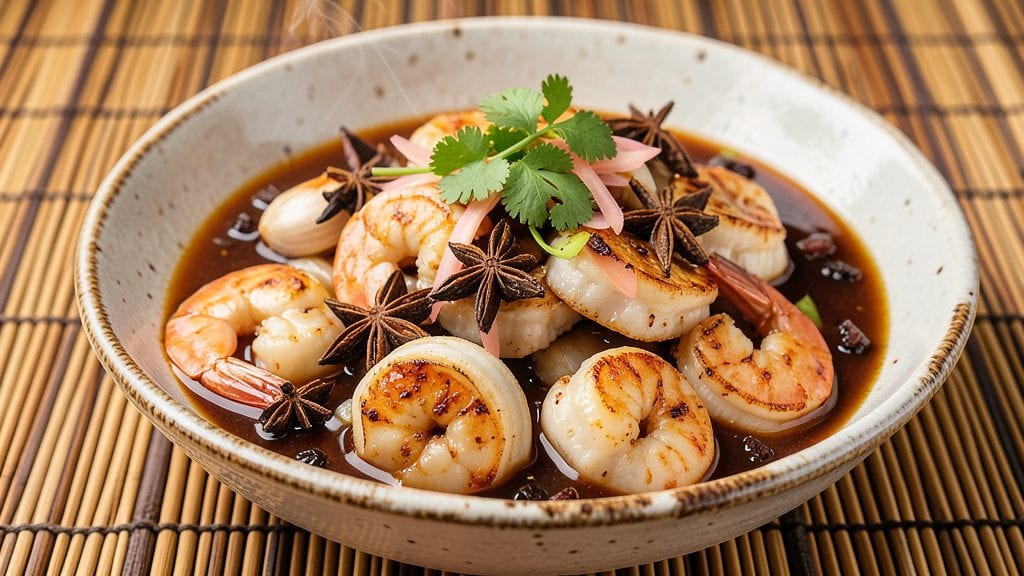
This Asian seafood boil sauce recipe transforms simple pantry staples into a pantry-powered umami bomb that elevates shrimp and crab to restaurant-quality levels. The secret lies in balancing sweet, salty, and aromatic elements—ginger, garlic, and fish sauce create depth while soy sauce and brown sugar add complexity.
I developed this formula after years of testing different ratios, and it never fails to deliver bold, savory flavor in every bite.
The beauty of this sauce is its versatility—it works for boiling, steaming, or even as a marinade, and requires just 10 minutes of prep.
The key is building layers of flavor: first toasting whole spices like star anise and cinnamon to wake up their aromas, then simmering everything together until the liquid reduces to a concentrated, fragrant base. This isn’t just a sauce; it’s the foundation for a perfect seafood boil.
What you’ll end up with is a deeply aromatic, slightly sticky sauce that clings to shrimp and crab, infusing them with smoky, sweet, and umami-rich notes. The color turns a rich amber, and the aroma alone will have everyone gathering around your pot.
This is the kind of sauce that transforms a simple seafood boil into an unforgettable centerpiece.
Perfect for feeding a crowd, meal prepping, or impressing guests—just add your seafood and let the sauce work its magic. The ingredients are simple, but the results are anything but ordinary. Let’s make this sauce!
Ingredients for asian seafood boil sauce
Pantry staples that pack a punch—no specialty shopping needed.
| Ingredient | Amount | Notes |
|---|---|---|
| Fish Sauce 🐟 | ½ cup | Red Boat preferred for quality |
| Soy Sauce 🥢 | ½ cup | Light or dark works |
| Brown Sugar 🍯 | ½ cup | Packed firmly |
| Garlic Cloves 🧄 | 6 cloves | Peeled, minced fine |
| Fresh Ginger 🌿 | ½ cup | Grated, not minced |
| Star Anise 🌟 | 2 whole | Toasted lightly first |
| Cinnamon Sticks 🌿 | 1 whole | 1-inch pieces |
| Sesame Oil 🫒 | 1 tbsp | Toasted sesame oil |
| White Wine 🍷 | ½ cup | Dry, like Sauvignon Blanc |
| Water 💧 | 1 cup | Filtered preferred |
The fish sauce is non-negotiable here—Red Boat is my go-to, but any quality brand works. Look for that deep, funky aroma (it’s good!). The star anise and cinnamon? Toast them whole in a dry pan for 30 seconds first—wakes up those aromas like magic. I grab mine at Whole Foods or Trader Joe's—their bulk spice section is perfect for this. Fresh ginger and garlic? Buy extra—you’ll want them for other dishes too. The sesame oil should smell toasty, not rancid (trust me, you’ll know).
No fish sauce? Double the soy sauce plus 1 tbsp miso paste gets you close. Running low on white wine? Dry vermouth or even apple cider vinegar works in a pinch. Brown sugar substitute? Honey or agave at 1:1 ratio. The spices are key—if you can’t find star anise, 1/2 tsp anise extract is a hack, but whole spices are better. Toasting them is worth the extra minute—don’t skip this part. The sauce will taste flat without it.
This sauce keeps for 2 weeks in the fridge, but it’s even better the next day as flavors meld. Freezes beautifully for 6 months—I portion it into ice cube trays for easy use. The aroma alone will have your kitchen smelling like a seafood market. Double the batch if you’re feeding a crowd—it disappears fast.
Why You'll Love This Recipe
- Pantry Magic: I swear by this sauce—no fresh herbs, no fancy prep. Just fish sauce, soy, and brown sugar simmering with garlic and ginger until it’s that perfect umami depth. Honestly, I keep a jar of this in my fridge because it’s the kind of flavor you can’t overthink.
- Umami Bomb: The moment garlic and ginger hit the hot pan, that aroma alone makes my mouth water. Then the fish sauce and soy sauce meld—salty, sweet, and funky all at once. It’s the kind of taste that sticks with you long after the last bite.
- Weeknight Flex: I throw this on anything—shrimp, chicken, even tofu—whether it’s a quick weeknight dinner or a last-minute potluck dish. Double the batch, store it, and toss it on whatever’s in the fridge. Between us, it’s my lazy day hero.
- Budget Booster: Fish sauce and soy sauce stretch forever, and brown sugar adds richness without breaking the bank. A little goes a long way, and leftovers? They taste just as good reheated as they do fresh. My wallet and I both love this trick.
Step-by-step instructions for Asian seafood boil sauce
This bold, aromatic sauce comes together in minutes with just pantry staples.
Toast the Spices for Deep Flavor
In a small dry skillet over medium heat, lightly toast the 2 whole star anise and 1 whole cinnamon stick for 30 seconds until fragrant. You'll smell their warm, earthy aromas—this quick step unlocks their full flavor potential. Remove them immediately before they burn, then transfer to a heatproof bowl.
While they cool slightly, use a microplane to grate the 0.5 cup fresh ginger into the same bowl. The fine texture ensures it dissolves completely into the sauce later. Add the 6 cloves minced garlic cloves and set aside. These aromatics form the aromatic backbone of your sauce, so don't skip this step—it makes all the difference.
Simmer the Base Ingredients
In a medium saucepan, combine the 0.5 cup fish sauce, 0.5 cup soy sauce, 0.5 cup brown sugar, 0.5 cup white wine, and 1 cup water. Bring to a gentle boil over medium-high heat, then immediately reduce to a simmer. Let it bubble away for 5 minutes until the sugar dissolves completely and the mixture reduces slightly.
Here's where the magic happens: the brown sugar should caramelize just enough to add depth without burning. If you see any browned bits forming, stir gently to prevent scorching. The sauce should smell rich and complex—like a perfect balance of salty, sweet, and umami notes.
Build the Sauce with Aromatics
Add the toasted spices, ginger, and garlic to the simmering liquid. Stir well to combine, then return to a gentle simmer for 8-10 minutes. You'll see the sauce thicken gradually as the starches release from the ginger and garlic. The star anise and cinnamon will infuse their warm, spicy notes throughout.
Taste the sauce after 5 minutes of simmering. It should be balanced—salty from the fish and soy sauces, sweet from the brown sugar, and aromatic from the spices. If it needs more depth, add another 1 tablespoon fish sauce or 1 teaspoon soy sauce. If it's too strong, thin it with a splash of water. Adjust to your taste now while it's still hot.
Finish with Sesame Oil for Richness
Remove the sauce from heat and let it cool slightly for 2 minutes. Stir in the 1 tablespoon sesame oil—this adds a nutty, toasty finish that ties everything together. The oil should blend smoothly, giving the sauce a glossy sheen. If you prefer a smoother texture, strain out the star anise and cinnamon sticks now, but leave them in for more intense flavor if you like.
Let the sauce sit at room temperature for 10 minutes before using. This resting time allows all the flavors to meld completely. The sauce should be thick enough to coat the back of a spoon but still pourable. If it thickens too much as it cools, simply whisk in a splash of warm water to reach your desired consistency.
Use Immediately or Store for Later
This sauce is best used fresh, but it will keep in an airtight container in the refrigerator for up to 1 week. When ready to use, reheat gently over low heat until warmed through. The sauce makes a fantastic dipping sauce for shrimp, crab, or grilled fish, or use it as a marinade for seafood before grilling or broiling.
For extra richness, brush some of this sauce on seafood before cooking—it creates a sticky, caramelized crust that's irresistible. The balance of sweet, salty, and umami flavors makes this sauce incredibly versatile, so don't hesitate to experiment with different seafood preparations.
Pro Tips For Making Asian Seafood Boil Sauce
- Mince Garlic Coarse: I learned this the hard way—using a food processor turns garlic into paste, which burns fast and makes the sauce taste bitter. Use a knife and chop it into tiny but visible pieces. They’ll infuse flavor without turning the sauce into glue.
- Bloom Sugar First: Tossing brown sugar into a hot pan with oil and garlic? That’s how you end up with a grainy mess. Dissolve the sugar in a splash of water first, then simmer it down before adding the rest. Smooth sauce every time.
- Balance Fish Sauce: Fish sauce is potent—if you dump in the full amount upfront, the sauce will taste like a salt lick. Start with half, let the seafood cook in it, then adjust at the end. Your taste buds will thank you.
- Grate Ginger Wet: Dry ginger turns to mush and releases bitter compounds when cooked. Grate it while submerged in cold water, then drain before adding to the sauce. The result? Clean, bright ginger flavor without the slimy texture.
Troubleshooting great asian seafood boil sauce
Flat, Bland Sauce
If your sauce tastes flat or lacks depth, the issue is usually under-seasoned aromatics. Toast your star anise and cinnamon longer—up to 45 seconds—until they're deeply fragrant. Also, double-check your fish sauce quality—cheap brands can taste harsh.
For extra umami, add 1 teaspoon miso paste to the simmering liquid. I’ve found that freshly grated ginger (not pre-minced) dissolves better and adds more punch. 🌶️
Too Sweet or Salty
Balancing sweet and salty is key. If your sauce is too sweet, add 1-2 tablespoons soy sauce or a splash of white vinegar to cut through it. For too salty, thin with 2 tablespoons water or add 1 teaspoon honey to balance.
Taste as you go—adjust gradually. I once ruined a batch by rushing; patience here makes all the difference. 💡
Sauce Too Thin or Watery
A watery sauce usually means it didn’t reduce enough. Simmer uncovered for an extra 5-10 minutes to thicken naturally. If it’s still too thin, dissolve 1 teaspoon cornstarch in 1 tablespoon cold water, then stir it into the sauce.
For a glossy finish, whisk in 1 teaspoon sesame oil at the end. Never boil vigorously—this can break the sauce’s delicate balance. ✨
Spices Overpowering
If the star anise or cinnamon tastes too strong, strain them out before using the sauce. For a smoother texture, blend the cooked sauce briefly with an immersion blender.
If you love the spice but want subtlety, reduce the cinnamon to ½ stick and use 1 star anise instead of 2. Toasting spices lightly (just until fragrant) also prevents bitterness. 🌟
Sauce Separates or Curdles
This happens when the sauce cools too quickly or if fats (like sesame oil) aren’t incorporated gently. Whisk continuously when adding sesame oil, and cool the sauce gradually over an ice bath if needed.
If it separates, reheat gently while stirring until smooth. For extra stability, add 1 teaspoon arrowroot powder when simmering. 🔥
Fish Sauce Smell Too Strong
If the fish sauce aroma is overpowering, reduce the heat and let it simmer longer—this helps the alcohol evaporate. For a milder taste, replace ¼ cup fish sauce with coconut aminos (it’s sweeter and less pungent).
Also, acid helps balance fish sauce—add 1 teaspoon lime juice at the end. I’ve found that resting the sauce for 20 minutes before using also mellows the flavor. 🐟
Nutrition facts
Frequently asked questions
Can I make this sauce without fish sauce?
Yes! For a vegetarian version, replace the 0.5 cup fish sauce with 0.4 cup soy sauce + 1 tbsp miso paste. The miso adds umami depth that fish sauce provides. If you're avoiding soy too, use 0.5 cup coconut aminos + 1 tsp soy-free tamari instead. The sauce will still be rich and flavorful, just with a slightly different profile.
How much sauce should I make for a seafood boil?
For a standard 1-2 pound seafood boil (shrimp, crab, or fish), this recipe makes about 2 cups of sauce—perfect for coating everything. For larger batches (up to 4 pounds of seafood), double the recipe. The sauce also works as a marinade, so you can use half the amount if brushing it on seafood before cooking.
Can I use this sauce for non-seafood dishes?
This versatile sauce works beautifully with grilled chicken, tofu, or even vegetables. Toss it with roasted Brussels sprouts or use it as a dipping sauce for spring rolls. The balance of sweet, salty, and umami makes it a great all-purpose marinade. For non-seafood dishes, you might want to reduce the fish sauce by 1-2 tablespoons to avoid overpowering flavors.
Why does my sauce smell so strong when cooking?
The bold aroma comes from the toasted spices and fish sauce—it’s normal! The smell will mellow as the sauce cools and the alcohol in the wine evaporates. If it’s still too intense, simmer uncovered for 5 extra minutes to let the aromas blend. The final sauce should have a rich, complex scent—not overpowering, but deeply aromatic. Think of it like a symphony of flavors coming together.
Can I make this sauce ahead of time?
Yes! This sauce actually improves overnight as the flavors meld. Store it in an airtight container in the fridge for up to 2 weeks or freeze it for 6 months. When ready to use, reheat gently over low heat until warmed through. For freezing, portion it into ice cube trays—just pop out what you need for each use. The sauce thickens slightly when refrigerated, so thin with a splash of water if needed.