
Sauces & Condiments
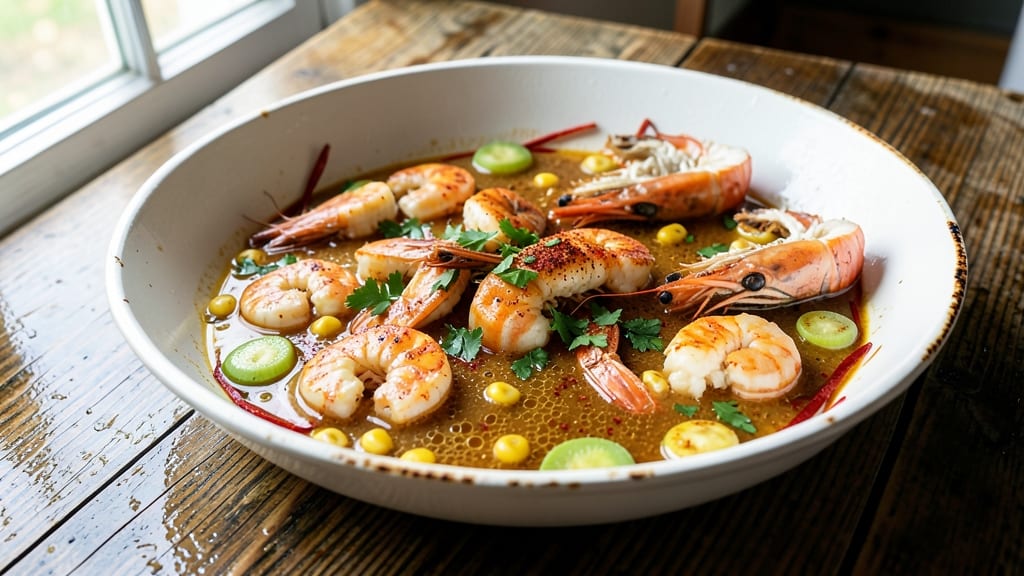
This beloved seafood boil sauce recipe transforms simple pantry staples into a smoky, garlicky masterpiece that elevates shrimp, crawfish, and crab to restaurant-quality levels. The secret lies in balancing bold Cajun spices with rich butter and aromatic herbs, creating a sauce that's equal parts tangy, savory, and irresistibly velvety.
I perfected this version after years of testing—no shortcuts, just deep flavor built through careful simmering and precise seasoning.
The foundation of a great seafood boil sauce begins with high-quality ingredients: smoked paprika for depth, garlic for brightness, and butter for richness, all simmered until they develop complex, caramelized notes.
What sets this recipe apart is the two-stage seasoning process—first building the base, then refining it with lemon juice and fresh herbs to balance the heat. The result? A sauce that clings perfectly to every piece of seafood while enhancing—not overpowering—the natural sweetness of the shellfish.
What you'll achieve is a smoky garlic-herb sauce with just the right amount of heat, where every spoonful delivers layers of umami, garlic punch, and herbal freshness. This isn't just a side dish; it's the star that turns a simple seafood boil into an unforgettable meal.
The best part? It comes together in under 30 minutes using ingredients you likely already have on hand, making it the ultimate weeknight game-changer for seafood lovers.
Whether you're hosting a crawfish boil, grilling shrimp skewers, or steaming crab legs, this sauce will be your secret weapon. The versatility doesn't end there—it works just as well on grilled chicken or roasted vegetables, proving that great condiments elevate everything they touch.
Let's get started on creating your new go-to sauce.
Ingredients for beloved seafood boil sauce
Pantry staples meet bold Cajun flavors in this smoky garlic-herb sauce masterpiece.
| Ingredient | Amount | Notes |
|---|---|---|
| Unsalted Butter 🧈 | ¾ cup | Cold, cut into small cubes |
| Smoked Paprika 🌶️ | 2 tbsp | High-quality for smoky depth |
| Garlic Cloves 🧄 | 8 cloves | Fresh, peeled, lightly crushed |
| Cayenne Pepper 🔥 | 1 tsp | Adjust for preferred heat level |
| Ground Cumin 🌿 | 1 tsp | Toasted for enhanced aroma |
| Dried Thyme 🍃 | 1 tsp | Or 1 tbsp fresh thyme leaves |
| Kosher Salt 🧂 | 1 tsp | Diamond Crystal preferred |
| Fresh Lemon Juice 🍋 | 2 tbsp | Freshly squeezed, strained |
| Fresh Parsley 🌿 | ¼ cup | Chopped, for fresh finish |
| Heavy Cream 🥛 | ¼ cup | Full-fat for richness |
The butter is non-negotiable here—European-style or grass-fed melts beautifully and adds luxurious richness. Trader Joe's or Whole Foods carry excellent brands for this purpose. For smoked paprika, Penzeys or Goya are my go-tos—they've got that authentic smokiness that pre-shredded blends can't match. Garlic is where the magic happens, so buy the freshest you can find—those little cloves should smell pungent and vibrant. If you're using frozen shrimp or crawfish, thaw them in cold water first—never microwave, or you'll end up with rubbery seafood.
No smoked paprika? Substitute with a mix of regular paprika and a pinch of liquid smoke—just don't overdo it, or the sauce will taste artificial. Fresh thyme is ideal, but if you're using dried, measure it at one-third the amount of fresh. Cayenne too spicy? Swap in red pepper flakes at half the quantity. The heavy cream adds that velvety texture, but if you're avoiding dairy, coconut cream works beautifully—just reduce the lemon juice slightly to balance the richness. For the parsley, flat-leaf is more flavorful than curly, but either will work in a pinch.
This sauce keeps beautifully—5 days in the fridge sealed in an airtight container, or 3 months in the freezer if you portion it into ice cube trays first. The flavor actually improves after the first day as everything melds together. I like to make a double batch because it disappears so fast—one batch for the boil, one for grilled shrimp the next night. If you're prepping ahead, the sauce can be reheated gently on the stove or in the microwave, but stir in a splash of water or cream if it thickens too much during storage.
Why You'll Love This Recipe
- One-Pot Magic: I swear by this sauce—just melt butter, toss in those spices (smoked paprika, cayenne, cumin), and let the garlic sizzle until the kitchen smells like a coastal dream. No measuring cups, no fuss, just pure, smoky satisfaction in minutes.
- Smoky Heat Balance: That first bite? Rich butter meets smoldering paprika and a whisper of cayenne—warm, not fiery, with garlic cloves that sing. It’s the kind of sauce that makes you close your eyes and sigh, even when you’re just reheating leftovers.
- Weeknight Superstar: Between us, this is my go-to when I need something fast but still feels special. Dump it on shrimp, mussels, or even grilled fish—works for date night or when the kids are begging for dinner at 6:30. (Yes, even on a Tuesday night.)
- Leftovers That Lie: I make double batches because the flavor only gets better the next day. The spices mellow out, the butter deepens, and suddenly, that simple sauce tastes like a restaurant-worthy secret. My freezer’s full of it—proof it’s my budget-friendly, time-saving lifeline.
Step-by-step instructions for smoky garlic-herb seafood boil sauce
This sauce delivers bold, aromatic depth with minimal effort—perfect for elevating any seafood boil.
Melt the Butter and Bloom the Spices
In a medium saucepan over medium-low heat, add the 0.75 cup unsalted butter cut into small cubes. Let it melt completely, swirling occasionally, until the butter foams and begins to turn golden—about 3-4 minutes. This gentle heat prevents burning while allowing the butter to develop nutty flavors.
Once the butter is fully melted, reduce the heat to low and add the 2 tablespoons smoked paprika, 1 teaspoon ground cumin, 1 teaspoon dried thyme, and 1 teaspoon cayenne pepper. Stir continuously for 1-2 minutes until the spices bloom and release their aromatic oils—you’ll notice the mixture darkening slightly and filling your kitchen with a deep, smoky fragrance. This step is crucial for building the sauce’s complex flavor foundation.
Add Garlic and Cook Until Fragrant
Immediately add the 8 cloves garlic cloves, lightly crushed to release their juices but not minced. Increase the heat to medium and stir frequently for 1-2 minutes until the garlic turns a pale golden color and emits a sweet, pungent aroma. Be vigilant—garlic burns quickly and can turn bitter, so keep a close eye on the pan.
Once the garlic is fragrant and just beginning to color, add the 1 teaspoon kosher salt. Stir for an additional 30 seconds to distribute the salt evenly. This timing ensures the garlic contributes its sweetness without turning harsh, balancing the smoky spices perfectly.
Incorporate Lemon Juice and Heavy Cream
Pour in the 2 tablespoons fresh lemon juice and 0.25 cup heavy cream, stirring vigorously to combine. The lemon juice will brighten the sauce, cutting through the richness of the butter and cream while adding a refreshing acidity. Simmer the mixture over medium heat for 2-3 minutes, stirring occasionally, until it thickens slightly and coats the back of a spoon.
Watch for small bubbles forming around the edges of the pan—this indicates the sauce is beginning to emulsify. If the sauce thickens too quickly, reduce the heat to low and continue stirring gently. The goal is a velvety, cohesive sauce that clings beautifully to seafood.
Finish with Fresh Parsley and Adjust Seasoning
Remove the saucepan from heat and stir in the 0.25 cup fresh parsley, chopped finely. The parsley adds a fresh, herbal note that balances the smoky, spicy depth of the sauce. Taste and adjust the seasoning if needed—add a pinch more kosher salt or a splash of lemon juice if the sauce feels too rich or lacks brightness.
Let the sauce rest for 5 minutes before serving. This brief rest allows the flavors to meld completely, ensuring each spoonful delivers a harmonious blend of smoky, garlicky, and creamy notes. Serve warm over your seafood boil, drizzling generously for maximum flavor impact.
Pro Tips For Making Beloved Seafood Boil Sauce
- Bloom the Spices: Toss your smoked paprika and ground cumin into the cold butter first—no need to melt it yet. Let them sit for 30 seconds while you chop garlic; this wakes up their flavors without burning them. I used to rush this and wondered why my sauce tasted flat.
- Toast the Garlic: Cook the minced garlic in the butter over medium-low heat until it’s golden, not brown—about 2-3 minutes. If it smells nutty and sweet, you’re good; if it’s bitter, you went too far. (Yes, even if you’re impatient like me.)
- Control the Cayenne: Add cayenne last, and only a pinch at first—you can always add more, but you can’t take it out. Taste the sauce before serving; if you’re unsure, err on the side of mild. I learned this the hard way after serving a bowl of tears to my heat-sensitive roommate.
- Swirl in the Butter: Once the sauce is off the heat, stir in cold butter a tablespoon at a time until it’s glossy and silky. This cools the heat, rounds out the flavors, and makes the sauce cling to the seafood. Skip this, and you’ll get a dry, powdery mess.
Storing and reheating your leftovers
Refrigerator Storage
Store your seafood boil sauce in an airtight glass container—I prefer Pyrex with a snap-on lid—and keep it refrigerated for up to 5 days. The sauce actually deepens in flavor overnight as the spices and aromatics meld together.
For best results, let it cool completely before sealing to prevent condensation, which can dilute the richness. 🧊
Freezer Prep
For longer storage, portion the sauce into ice cube trays and freeze. Once solid, transfer the cubes to a freezer-safe bag with all air removed. This method makes it easy to thaw just what you need—perfect for small batches.
The sauce maintains its quality for 3 months in the freezer, though I recommend using it within 2 months for peak flavor.
Thawing Techniques
To thaw frozen sauce, transfer cubes to the fridge overnight or place the sealed bag in a bowl of cold water for 20-30 minutes. Never microwave frozen sauce directly—it can cause separation.
If you're in a hurry, reheat the sauce gently on the stovetop over low heat, stirring constantly until fully melted and smooth.
Reheating Methods
For stovetop reheating, warm the sauce in a small saucepan over low-medium heat, stirring frequently to prevent scorching. If it thickens too much, add 1-2 teaspoons of water or heavy cream to restore its velvety consistency.
Microwave reheating works too—use 30-second intervals on medium power, stirring between each interval to avoid hot spots.
Sauce Consistency Fixes
If your reheated sauce seems too thick, thin it with 1 teaspoon of water or broth at a time until it reaches a smooth, pourable consistency. Conversely, if it's too thin, simmer it uncovered for 1-2 minutes to reduce slightly.
The goal is a sauce that clings beautifully to seafood without being gloppy or watery.
Flavor Refresh
After reheating, the sauce may lose some brightness. Revive it by adding ½ teaspoon fresh lemon juice or a pinch of smoked paprika to restore depth. A sprinkle of fresh parsley just before serving also brightens the flavors and adds a vibrant green color.
This simple step makes all the difference for a restaurant-quality finish. 🌿
Nutrition facts
Frequently asked questions
Can I make this sauce without heavy cream?
For a lighter version, substitute the heavy cream with ¼ cup coconut cream or even ¼ cup whole milk. The sauce will still be rich but slightly less velvety. If using coconut cream, reduce the lemon juice to 1 tablespoon to balance the natural sweetness.
How spicy should the sauce be?
The cayenne in this recipe delivers a moderate heat—think "noticeable but not overwhelming." For milder heat, reduce cayenne to ½ teaspoon or swap it for ½ teaspoon red pepper flakes. If you love spice, add an extra ¼ teaspoon cayenne or a pinch of crushed red pepper at the end.
What seafood works best with this sauce?
This sauce shines with shrimp, crawfish, crab legs, and lobster tails. For a full seafood boil, use it as the base for your pot. It also pairs beautifully with grilled fish fillets or even shrimp skewers. The smoky garlic flavor complements the natural sweetness of shellfish perfectly.
Can I make this sauce ahead of time?
Yes! This sauce actually tastes better the next day as the flavors meld. Store it in an airtight container in the fridge for up to 5 days. For longer storage, freeze it in ice cube trays (transfer to a bag after freezing) and use within 3 months. Thaw overnight in the fridge for best results.
Why did my sauce separate when reheating?
Sauce separation usually happens when reheated too quickly or with uneven heat. To fix it, whisk in 1 teaspoon of warm water or heavy cream while stirring vigorously. For prevention, reheat over low heat and stir constantly. The sauce should re-emulsify into a smooth, creamy texture.