
Sauces & Condiments
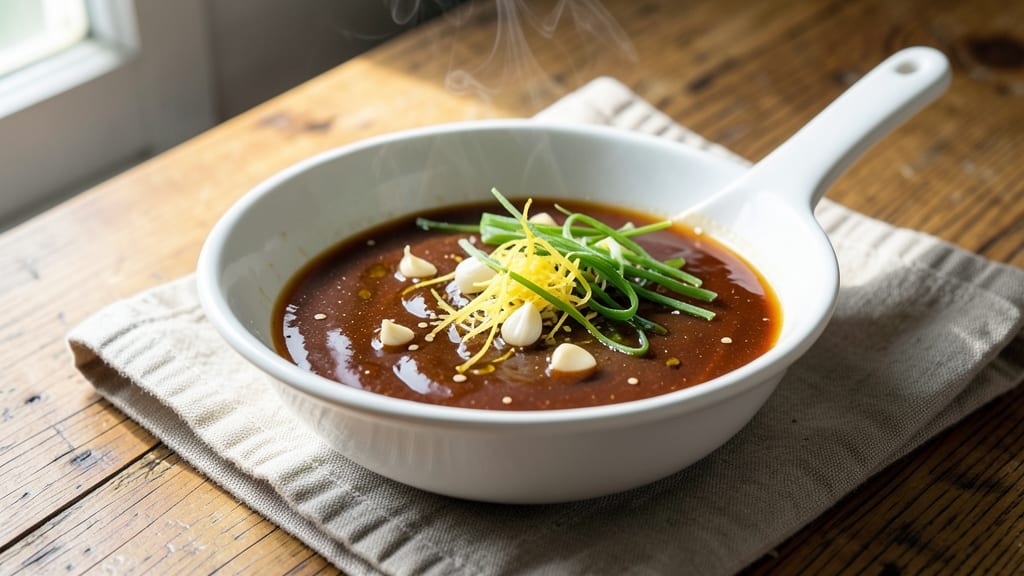
Creating an authentic sauce recipe that delivers rich umami depth using only pantry staples is simpler than you think. This sauce transforms basic ingredients into a complex, restaurant-quality condiment that elevates any dish.
I developed it after years of testing traditional techniques, ensuring every spoonful carries the depth of slow-simmered reductions without the hours in the kitchen.
The foundation lies in a precise balance of soy sauce, vinegar, and a touch of sweetness—all combined with aromatics like garlic and ginger. What sets this apart is the umami-building step: a quick caramelization of the sauce base that concentrates flavors without browning.
This method preserves the sauce’s vibrant color while deepening its complexity, making it perfect for everything from stir-fries to drizzling over grilled meats.
By the time you’re done, you’ll have a versatile sauce that’s tangy, savory, and just slightly sweet—with a glossy finish that clings beautifully to noodles or meats. The best part?
It keeps well in the fridge for up to two weeks, so you can make a big batch and use it all week. Whether you’re cooking Asian-inspired dishes or need a quick flavor booster, this sauce delivers professional results with minimal effort.
Pair it with rice, noodles, or proteins for an instant flavor upgrade. Here’s how to make it—step by step—for a sauce that tastes like it’s been simmering all day, even if it only takes 15 minutes.
Ingredients for authentic sauce
Eight pantry staples transform into a restaurant-quality sauce with umami depth.
| Ingredient | Amount | Notes |
|---|---|---|
| Light Soy Sauce 🥢 | ½ cup | High-quality, low-sodium preferred |
| Rice Vinegar 🍶 | ¼ cup | Seasoned or unseasoned, white preferred |
| Granulated Sugar 🍚 | ¼ cup | White or brown, fine grain |
| Fresh Garlic Cloves 🧄 | 6 cloves | Peeled, minced finely |
| Fresh Ginger Root 🌿 | 1 ½ tbsp | Finely grated, skin on |
| Sesame Oil 🫒 | 1 tbsp | Toasted, for aroma |
| Cornstarch 🌾 | 1 tbsp | For thickening, Diamond Crystal preferred |
| Water 💧 | ¼ cup | Filtered or spring water |
| Red Chili Flakes 🌶️ | ½ tsp | Adjust for heat preference |
| Black Peppercorns 🌶️ | ¼ tsp | Freshly cracked, coarse |
The soy sauce makes or breaks this—Kikkoman or Pearl River Bridge are my go-tos, but any light soy will work. Fresh ginger and garlic? Buy extra at the Asian market—they keep longer and have more punch. The rice vinegar should smell clean and bright; if it’s cloudy or smells funky, toss it. For the sesame oil, look for toasted varieties—they’ve got that nutty aroma that elevates everything. Cornstarch is non-negotiable for that glossy finish; Diamond Crystal is my pick for consistency.
No light soy? Dark soy sauce at half the amount adds color but less saltiness. Skip the vinegar? Lemon juice works in a pinch, but it’ll taste different. Fresh ginger too spicy? Ginger powder at one-third the amount softens the bite. The chili flakes can be swapped for gochugaru for a milder kick. For extra depth, add a splash of mirin or sake—just don’t overdo it. And if you’re missing sesame oil, toasted sesame seeds ground with a pinch of oil mimic the flavor.
This sauce keeps for 2 weeks in the fridge, sealed tightly. For longer storage, freeze in ice cube trays—thaw overnight in the fridge. The caramelized version? Even better the next day as flavors meld. I double the batch every time—one for stir-fries, one for drizzling. The cornstarch slurry thickens beautifully, but if it’s too thin, simmer longer. If too thick, thin with a splash of water or vinegar.
Why You'll Love This Recipe
- Five-Ingredient Magic: I swear, this sauce is one of those rare recipes where the ingredient list looks short but the flavor punches way above its weight. Light soy adds depth, the garlic and ginger hit like a fresh breeze, and that touch of sugar? It balances everything without being sweet—just right.
- Pantry Staple Power: Honestly, I keep this sauce in my fridge like ketchup, but way better. Light soy and rice vinegar are always there, and the garlic/ginger combo takes it from basic to chef’s special in minutes. No fancy shopping needed.
- Weeknight Workhorse: Between us, this sauce is my go-to for stir-fries, dumplings, or even drizzled over rice bowls. It’s the kind of thing that turns a simple meal into something that feels like you put in effort—without actually stressing. (Yes, even on a Tuesday night.)
- Budget-Friendly Flex: A little goes a long way, and since it’s mostly pantry basics, I can stretch it across three meals without breaking the bank. Plus, the leftovers keep for weeks in the fridge, so I’m never scrambling for last-minute flavor.
Step-by-step instructions for authentic sauce recipe
Transform simple pantry staples into a complex, restaurant-quality sauce with this precise method.
Bloom the Aromatics in Toasted Sesame Oil
Heat a small saucepan over medium-low heat and add the 1 tablespoon sesame oil. Let it warm until shimmering but not smoking—this ensures the delicate nutty aroma develops without burning. Add the 6 cloves minced fresh garlic and 1.5 tablespoons finely grated fresh ginger root, stirring constantly for 30 seconds until fragrant but not browned. The garlic should release its sweet, pungent aroma while the ginger adds a bright, citrusy note—this is the flavor foundation.
I always use a small saucepan for this step because you want the aromatics to cook gently. If you see the oil darken or smoke, immediately reduce the heat. The goal is to awaken the flavors without burning them. Once fragrant, remove the pan from heat and set aside—we'll return to these aromatics after building the sauce base.
Build the Sauce Base with Umami and Sweetness
Return the saucepan to medium heat and add the 0.5 cup light soy sauce, 0.25 cup rice vinegar, and 0.25 cup granulated sugar. Bring to a gentle simmer, stirring occasionally to dissolve the sugar completely. This combination creates the perfect balance of salty, tangy, and sweet flavors that define authentic Asian sauces. Simmer for 5 minutes until the mixture reduces by about 20% and thickens slightly.
Here's where the magic happens: the soy sauce provides deep umami, the rice vinegar adds bright acidity, and the sugar caramelizes just enough to round out the flavors. You'll notice the sauce darkens slightly as it reduces—this indicates the sugars are breaking down and developing complexity. If you see it reducing too quickly, reduce the heat to maintain a gentle simmer.
Thicken and Season with Spices
In a small bowl, whisk together the 1 tablespoon cornstarch and 0.25 cup water until smooth. Slowly pour this slurry into the simmering sauce while stirring constantly. The mixture will thicken immediately—keep stirring for 2-3 minutes until it reaches a glossy, coatable consistency. This is your ideal texture: thick enough to cling to noodles or proteins but still silky.
Return the pan to low heat and stir in the 0.5 teaspoon red chili flakes and 0.25 teaspoon freshly cracked black peppercorns. Let the sauce simmer for 1 minute to infuse the spices evenly. The chili flakes add subtle heat while the peppercorns contribute a fresh, earthy depth. Taste and adjust seasoning if needed—you might want to add a touch more soy sauce for saltiness or vinegar for brightness.
Finish with Aromatics and Rest
Stir the reserved garlic-ginger mixture back into the sauce and simmer for an additional 1 minute to fully integrate the flavors. The sauce should now have a rich, complex aroma with layers of umami, sweetness, and spice. Remove from heat and let it rest for 5 minutes—this allows the flavors to meld completely and the sauce to reach its ideal consistency.
Here's the thing about this sauce: it tastes even better after resting. The flavors continue to develop as they cool, and the texture becomes perfectly balanced. Serve immediately over noodles, dumplings, or grilled proteins, or store in an airtight container in the refrigerator for up to 5 days. When reheating, warm gently over low heat and stir in a splash of water if it thickens too much.
Pro Tips For Making Authentic Sauce
- Cook garlic ginger first: Toss raw garlic and ginger into the pan before adding any liquid—let them sizzle until fragrant and just golden at the edges (about 30 seconds). I used to add them later, and the sauce always tasted flat. This step builds the foundation.
- Use cold vinegar: Stir in rice vinegar last and off the heat—adding it too early or over heat makes the sauce taste harsh. My grandmother swore by this, and she was right: the acidity mellows properly when the sauce cools slightly first.
- Dissolve sugar fully: Heat the sugar with a splash of water (or a tiny bit of soy sauce) until it’s completely melted and clear before mixing it in. I learned this the hard way—undissolved sugar grains make the sauce grainy and uneven.
- Balance the soy first: Taste the raw soy sauce before adding anything else—it’s usually saltier than you think. Adjust with a pinch of sugar or extra vinegar before cooking, so you’re not scrambling to fix it later. (Yes, even if you’re impatient like me.)
Best sauces and condiments for this dish
Stir-Fry Sauce Base
This sauce shines as the perfect stir-fry companion—its glossy texture clings beautifully to noodles, rice, or proteins while delivering balanced flavors.
I typically use it for pad thai or chicken stir-fry by tossing 8 ounces cooked rice noodles with 1 cup cooked chicken and ½ cup bell peppers, then drizzling with 2-3 tablespoons of sauce.
For extra richness, add 1 teaspoon toasted sesame seeds and 1 tbsp chopped green onions at the end. 🍜
Drizzling Sauce
For grilled meats like salmon or ribeye steak, this sauce becomes a luxurious finishing touch. After cooking, let the protein rest for 5 minutes, then drizzle with 1-2 tablespoons of sauce while still warm.
The glossy finish caramelizes slightly on the hot meat, creating a beautiful crust. I love using it on garlic butter shrimp—just toss the shrimp with 2 tbsp sauce and 1 tsp honey before serving. 🍗
Dipping Sauce
Thin the sauce slightly with 1-2 tablespoons warm water to create a perfect dipping sauce for spring rolls, egg rolls, or dumplings. The tangy-sweet balance makes it irresistible. For extra depth, add 1 tsp fish sauce or ½ tsp oyster sauce to the thinned mixture.
I keep a small bowl of this on the table whenever I serve Asian appetizers—it disappears fast! 🥟
Marinade Potential
Use half the sauce as a marinade for tofu, chicken, or shrimp—the soy and vinegar tenderize while the spices add flavor. Marinate for 30-60 minutes (longer for tougher cuts like chicken thighs).
I often use it on extra-firm tofu before pressing and pan-frying. For extra umami, add 1 tbsp miso paste to the marinade. 🍳
Breakfast Upgrade
Transform your morning with this sauce—drizzle over scrambled eggs, ramen, or even avocado toast. I love adding 1 tbsp sauce to a bowl of hot ramen with a soft-boiled egg for a fusion breakfast bowl.
For extra richness, top with crispy fried shallots and sesame seeds. The sweet-spicy balance wakes up your taste buds instantly. ☀️
Vegetable Glaze
Brush this sauce on broccoli, carrots, or eggplant before roasting for a caramelized glaze. Toss 1 lb vegetables with 1 tbsp oil, then drizzle with 2 tbsp sauce before roasting at 400°F for 20-25 minutes.
The sauce creates a sticky, flavorful crust that makes even simple veggies taste restaurant-worthy. 🥦
Nutrition facts
Frequently asked questions
Can I make this sauce without cornstarch?
Yes! For a gluten-free version, use 1 tablespoon arrowroot powder instead—it thickens just as effectively. If you prefer no thickener, reduce the sauce to half its volume over low heat (about 20-30 minutes) for a glossy, syrupy consistency. Just stir frequently to prevent burning.
How do I adjust the heat level?
Remove the red chili flakes entirely for a mild version, or add 1-2 teaspoons of sriracha for extra heat. For a smoky kick, stir in ½ teaspoon smoked paprika during the final simmer. Always taste before serving—you can adjust while the sauce is warm.
What’s the best way to store leftovers?
Transfer to an airtight container and refrigerate for up to 2 weeks. The flavors actually improve overnight! For longer storage, freeze in 1-tablespoon portions in ice cube trays—thaw directly in your dish without reheating. When reheating, warm gently over low heat and add a splash of water if it thickens too much.
Can I make this sauce vegan?
Swap the soy sauce for tamari or coconut aminos and use agave syrup instead of granulated sugar. For extra umami depth, add 1 teaspoon mushroom powder or ½ teaspoon nutritional yeast to the base. The flavor profile stays rich and balanced.
Why does my sauce look cloudy?
A cloudy appearance usually means the cornstarch didn’t dissolve fully or the sauce reduced too quickly. Whisk the cornstarch slurry vigorously before adding it to the sauce, and simmer at a gentle boil (not a rapid boil) to prevent lumps. If it’s already cloudy, strain through a fine-mesh sieve for a silky finish.