
Sauces & Condiments
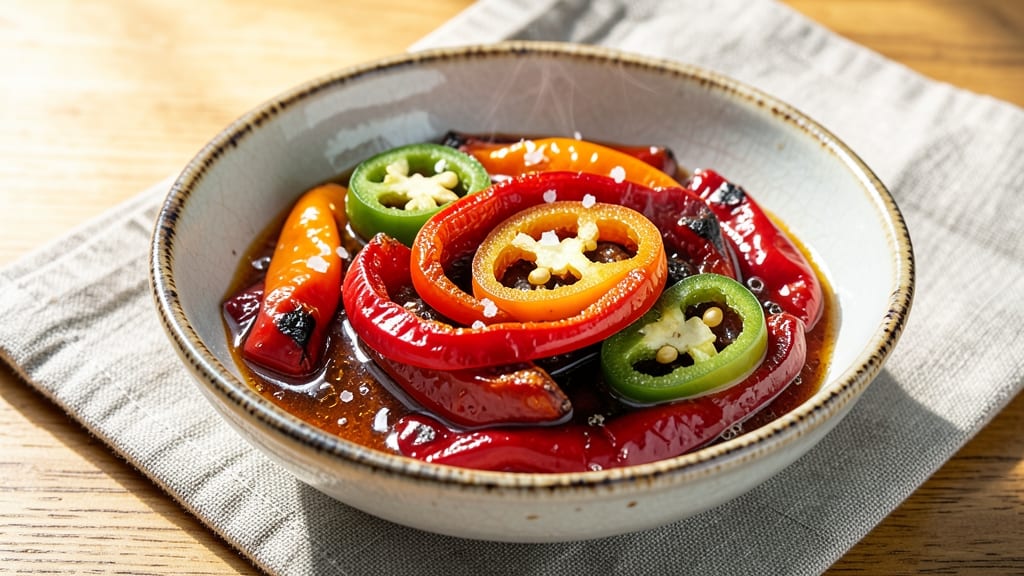
Creating a basic pepper sauce recipe that delivers bold heat and vibrant flavor in just 10 minutes is simpler than you think. This versatile sauce transforms ordinary dishes into restaurant-quality meals with minimal effort.
The key lies in balancing fresh peppers, vinegar, and a touch of sweetness to create a sauce that’s both fiery and well-rounded.
What makes this recipe stand out is its adaptability—adjust the heat level to suit your taste, whether you prefer a gentle tingle or a full-blown spicy kick. All you need are a few pantry staples, a blender, and a little patience to let the flavors meld together.
The result? A smooth, tangy sauce that’s perfect for drizzling over grilled meats, seafood, or pasta.
This sauce is designed to elevate any dish with minimal prep and cleanup. The ingredients work together to create a harmonious blend of heat, acidity, and depth, making it a staple in your kitchen. Once you taste the difference between homemade and store-bought, you’ll never go back.
Store it in the fridge for up to a week, or freeze for longer shelf life. The possibilities are endless—use it as a marinade, a dipping sauce, or a finishing touch for your favorite dishes. Let’s get started on this quick, flavor-packed sauce!
Ingredients for basic pepper sauce
Nine simple ingredients transform into a bold, tangy sauce that elevates every dish.
| Ingredient | Amount | Notes |
|---|---|---|
| Fresh Red Bell Peppers 🌶️ | 2 whole | Seeds removed for mild heat |
| Fresh Jalapeño Peppers 🌶️ | 2 whole | Seeds removed for mild heat |
| Fresh Habanero Peppers 🔥 | 1 whole | Seeds kept for extra heat |
| White Vinegar 💧 | ½ cup | For tangy brightness |
| Apple Cider Vinegar 🍎 | ¼ cup | Adds depth of flavor |
| Granulated Sugar 🍚 | 2 tbsp | Balances heat with sweetness |
| Garlic Cloves 🧄 | 3 cloves | Freshly minced for aroma |
| Salt 🧂 | ½ tsp | Kosher or sea salt |
| Olive Oil 🫒 | 1 tbsp | Extra-virgin for richness |
The peppers are the heart of this sauce—freshness matters most. Hit the farmers market for vibrant red bell peppers and jalapeños (the brighter the color, the better). For habaneros, wear gloves—those things pack serious heat. If you can't find habaneros, red jalapeños or serranos work in a pinch, but you'll need to adjust the amount. Garlic? Fresh is non-negotiable here—the pre-minced stuff tastes dull. For vinegar, Apple cider vinegar adds subtle sweetness, while white vinegar keeps things sharp. Store-bought is fine, but if you've got homemade, use that instead.
No fresh peppers? Jarred roasted red peppers (drained well) can work, but the texture will be different. Running low on habanero? Cayenne pepper at half the amount gets you close, but it won't have that fruity depth. Sugar substitute? Honey or maple syrup at the same amount—just know it'll taste slightly different. Olive oil is where you can splurge: Extra-virgin gives the sauce richness, while regular vegetable oil keeps it neutral. For a smoky twist, swap half the vinegar for smoked paprika mixed with water. And if you're feeling adventurous, add a splash of hot sauce for extra complexity.
This sauce keeps beautifully—1 week in the fridge, 3 months in the freezer. For freezing, use an ice cube tray so you can grab just what you need. The flavors actually improve over time as everything melds together. I like to make a big batch and portion it out—one jar for marinades, another for dipping, and a third for finishing touches. If it gets too thick, just add a splash of vinegar or water. And if it's too thin? Simmer it down. Easy fix.
Why You'll Love This Recipe
- No-Chop Required: I swear by this—just toss the whole peppers (seeds and all) into the blender with vinegar. No dicing, no peeling, no mess. The habanero’s heat and the bell pepper’s sweetness blend into something smooth and vibrant without lifting a finger.
- Sweet Heat Balance: That first bite? It’s like summer in a jar—bright red bell peppers mellow out the habanero’s kick, while the jalapeños add a sharp little punch. The vinegar cuts through the richness, leaving you with a sauce that’s bold but never overpowering. (Yes, even on a Tuesday night.)
- Pantry Staple Upgrade: This sauce turns boring meals into flavor bombs—drizzle it on grilled chicken, mix it into mayo for sandwiches, or toss it with roasted veggies. It’s the one thing I always keep on hand because it works everywhere. Honestly, I’ve even used it as a marinade for shrimp.
- Lasts for Weeks: Make a big batch (I do—it’s cheaper that way) and store it in the fridge. The flavors deepen over time, and it never spoils. Freeze half if you’re not a glutton, but between us? You’ll go through it faster than you think.
Step-by-step instructions for basic pepper sauce
Here's how to make a vibrant, heat-balanced sauce that's ready in just 10 minutes.
Prep and Roast the Peppers
Preheat your oven to 450°F. Cut the 2 whole fresh red bell peppers and 2 whole fresh jalapeño peppers in half lengthwise, removing seeds and membranes. Keep the 1 whole fresh habanero pepper whole but slice it in half lengthwise, leaving seeds intact for extra heat. Place all peppers on a baking sheet cut-side down.
Roast for 15-20 minutes until the peppers blister and blacken in spots. You'll see steam rising and the skin starting to char slightly—that's when you know they're ready. Remove from the oven and transfer to a bowl, covering tightly with plastic wrap to steam for 10 minutes. This makes peeling effortless later.
Blister the Garlic and Combine Ingredients
While peppers steam, heat 1 tablespoon olive oil in a small skillet over medium heat. Add the 3 cloves garlic cloves, minced, and cook for 30 seconds until fragrant but not browned. Immediately transfer the garlic to your food processor or blender.
Add the roasted peppers to the processor along with the 0.5 cup white vinegar, 0.25 cup apple cider vinegar, 2 tablespoons granulated sugar, and 0.5 teaspoon salt. Pulse until completely smooth, scraping down the sides as needed. The mixture should be thick but pourable—this is your base sauce.
Simmer and Adjust Seasoning
Transfer the sauce to a small saucepan and bring to a gentle simmer over medium-low heat. Let it cook for 5-7 minutes, stirring occasionally, until the flavors meld together. You'll notice the sauce thicken slightly and develop a glossy sheen.
Taste and adjust the balance—add more sugar if it's too sharp, or a pinch more salt if needed. The sauce should be tangy, slightly sweet, and packed with heat from the habanero. If it's too thick, whisk in 1-2 tablespoons water to reach your preferred consistency.
Cool and Store for Maximum Flavor
Remove from heat and let the sauce cool completely. The flavors will continue developing as it sits. This is when the sweetness of the roasted peppers and the acidity of the vinegars truly shine.
Transfer to a clean jar and store in the refrigerator for up to 2 weeks. The sauce will keep getting better over time as the flavors deepen. Use it to drizzle over tacos, eggs, or grilled meats—just remember, a little goes a long way with the habanero's heat!
Pro Tips For Making Basic Pepper Sauce
- CHAR THE PEPPERS FIRST: Roast the bell peppers and jalapeños over a gas flame or under a broiler until the skin blackens—this isn’t about looks, it’s about flavor. I used to skip this step and wondered why my sauce tasted flat; charring unlocks the smoky depth that vinegar alone can’t match. For habaneros, give them extra time—their thin skins burn faster.
- REMOVE SEEDS AND MEMBRANES: Don’t just chop the peppers—slice open each one and scrape out the seeds and white membranes (especially in habaneros). That’s where most of the bitterness and excess heat hides, and it’ll make your sauce taste cleaner. I learned this after making a batch so spicy I couldn’t eat anything for a week.
- USE A 1:1 VINEGAR RATIO: Mix white vinegar and apple cider vinegar in equal parts—this balances sharpness and complexity. Pure white vinegar will make your sauce taste harsh, while too much apple cider adds a funky tang that overpowers the peppers. Trust me, your taste buds will notice the difference.
- BLEND WHILE HOT: Pulse the peppers and vinegar in a blender while still warm—this breaks down the fibers better than waiting for them to cool. I used to let them sit, and the sauce always ended up grainy. Run the blender in short bursts, scraping down the sides if needed. No food processor? A potato masher works in a pinch.
Pro cooking tips for this dish
Roasting for Depth
Roasting the peppers unlocks their natural sweetness while developing complex, caramelized flavors. I always use the oven for this step—it creates even charring that translates to a richer sauce. For extra smokiness, place the baking sheet directly on the oven rack instead of a tray.
If you're short on time, a gas flame works too: hold peppers over the burner until blackened, then transfer to a bowl to steam. 🔥
Garlic Timing
Blistering the garlic for just 30 seconds ensures it adds aromatic depth without bitterness. Overcooking turns garlic bitter, which can overpower the sauce. I like to add it to the food processor immediately after cooking while it's still fragrant.
For a milder flavor, use 1 clove instead of 3—the difference is noticeable but subtle.
Vinegar Balance
The combination of white and apple cider vinegar creates a perfect balance of sharpness and sweetness. I find white vinegar brightens the sauce while apple cider adds subtle complexity. For a fruity twist, substitute half the white vinegar with red wine vinegar.
If you prefer a smoky profile, replace ¼ cup of vinegar with smoked paprika mixed with water.
Heat Control
The habanero provides the heat, but its seeds determine intensity. For a milder sauce, remove seeds and membranes completely. For extra kick, keep seeds and add ½ teaspoon cayenne pepper to the blender.
I always taste as I go—if the heat feels overwhelming, add 1 teaspoon more sugar to balance it out.
Simmering Secrets
A gentle simmer for 5-7 minutes lets flavors meld without breaking down the peppers. Stir frequently to prevent sticking, and watch for a glossy sheen—this indicates the sauce is ready.
If it thickens too much, whisk in 1 tablespoon water at a time. For a smoother texture, strain through a fine-mesh sieve before storing.
Storage Hacks
This sauce keeps beautifully in the fridge for 2 weeks or freezer for 3 months. For easy portioning, freeze in ice cube trays—just pop out what you need.
The flavors actually improve over time, so make a big batch. If it separates, simply stir or give it a quick pulse in the blender before using. 💡
Nutrition facts
Frequently asked questions
Can I make this pepper sauce without roasting the peppers?
Yes, but the flavor will be less complex. For a quick version, blend raw peppers with vinegar and sugar, then simmer for 5 minutes to soften. However, roasting develops deeper, caramelized notes that balance the heat better. If you're short on time, use jarred roasted red peppers instead—they work in a pinch!
How do I adjust the heat level for picky eaters?
Remove all seeds and membranes from the habanero and jalapeños before roasting. For even milder heat, substitute the habanero with 1 extra red bell pepper or ½ teaspoon ground cayenne. If you still want some kick, add just ½ of a jalapeño (seeds removed) instead of the full recipe amount.
What are the best ways to use this pepper sauce?
This versatile sauce works as a marinade for grilled chicken or shrimp, a dip for fries or wings, or a finishing drizzle over tacos, eggs, or pizza. For extra richness, stir it into mayo for a spicy aioli, or mix with sour cream for a cooling contrast. The possibilities are endless—just remember, a little goes a long way with the habanero!
Can I make this sauce with dried peppers instead?
Soak 1 tablespoon dried red chiles (like ancho or guajillo) in ½ cup hot water for 15 minutes to rehydrate. Drain, then blend with the other ingredients, adjusting vinegar as needed. Dried peppers add smokiness and depth, but the texture will be slightly thicker. For a closer match, reduce the sugar slightly since dried peppers are naturally sweeter.
Why did my pepper sauce turn out too thin?
This usually happens if you didn't roast the peppers long enough or if the vinegar wasn't fully absorbed. To fix it, simmer the sauce uncovered for 5-10 minutes to evaporate excess liquid. For a quicker solution, mix 1 tablespoon cornstarch with 2 tablespoons water, stir into the sauce, and cook until thickened. Always taste as you go—adjust sugar or salt if needed!